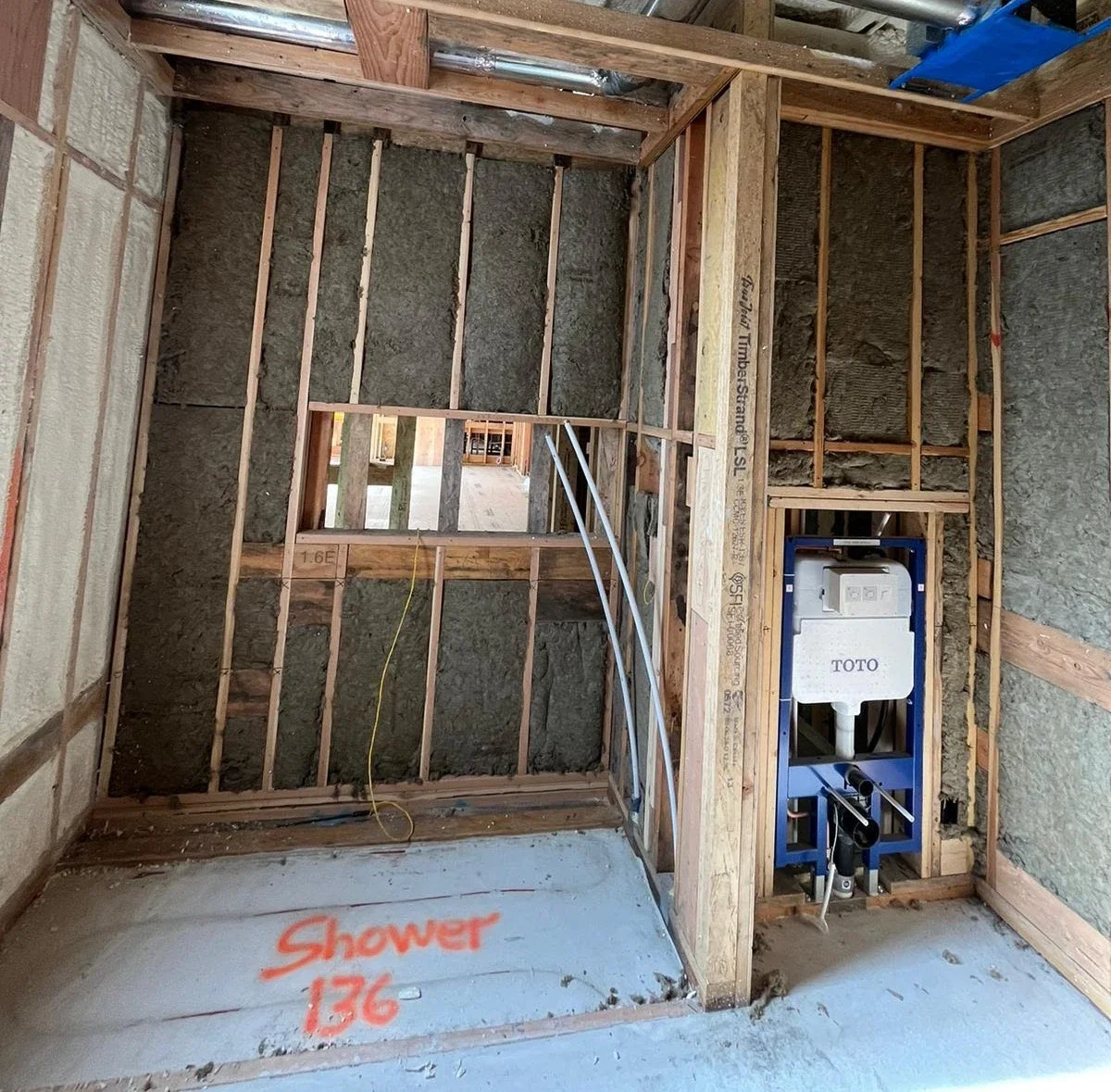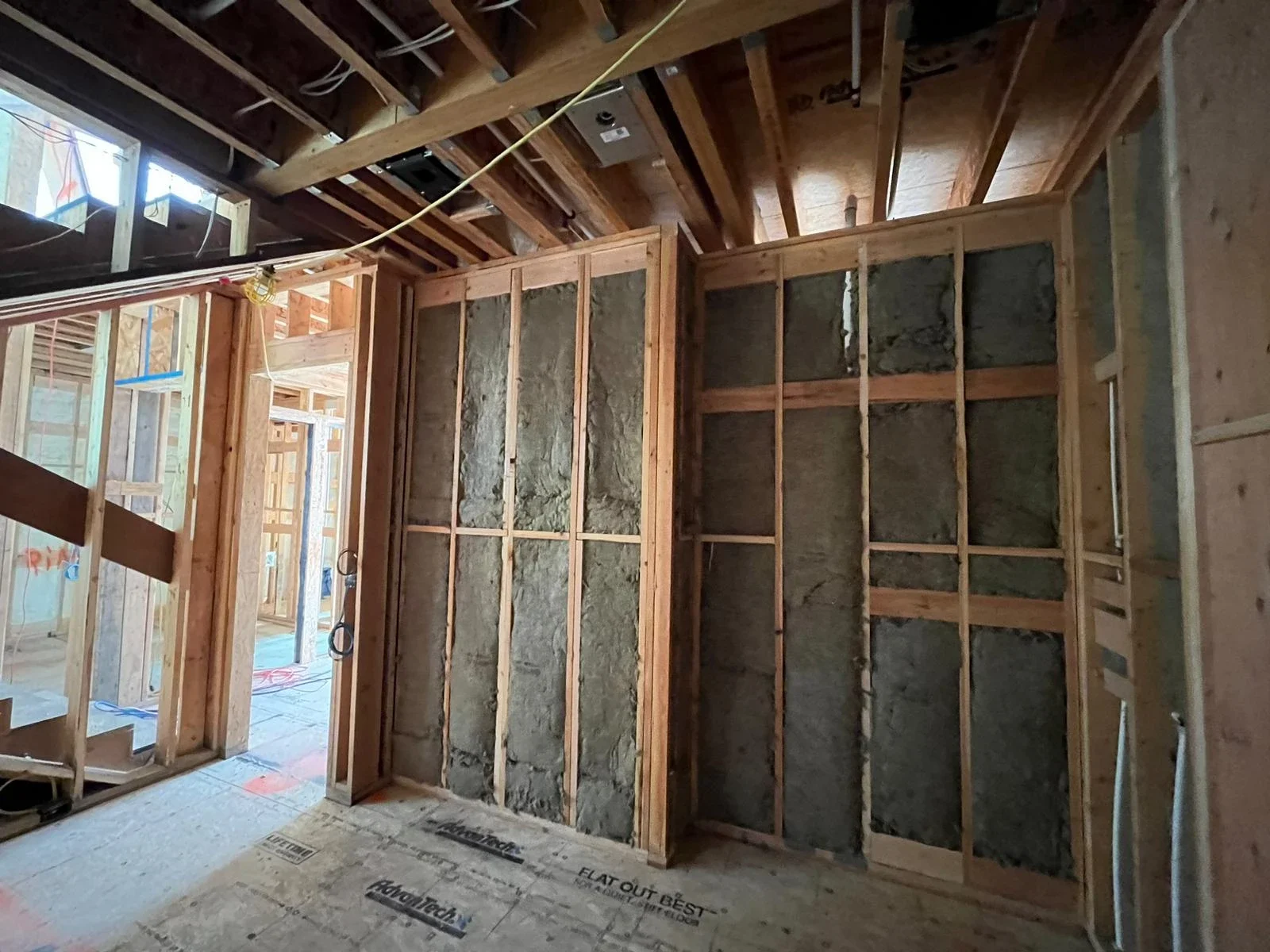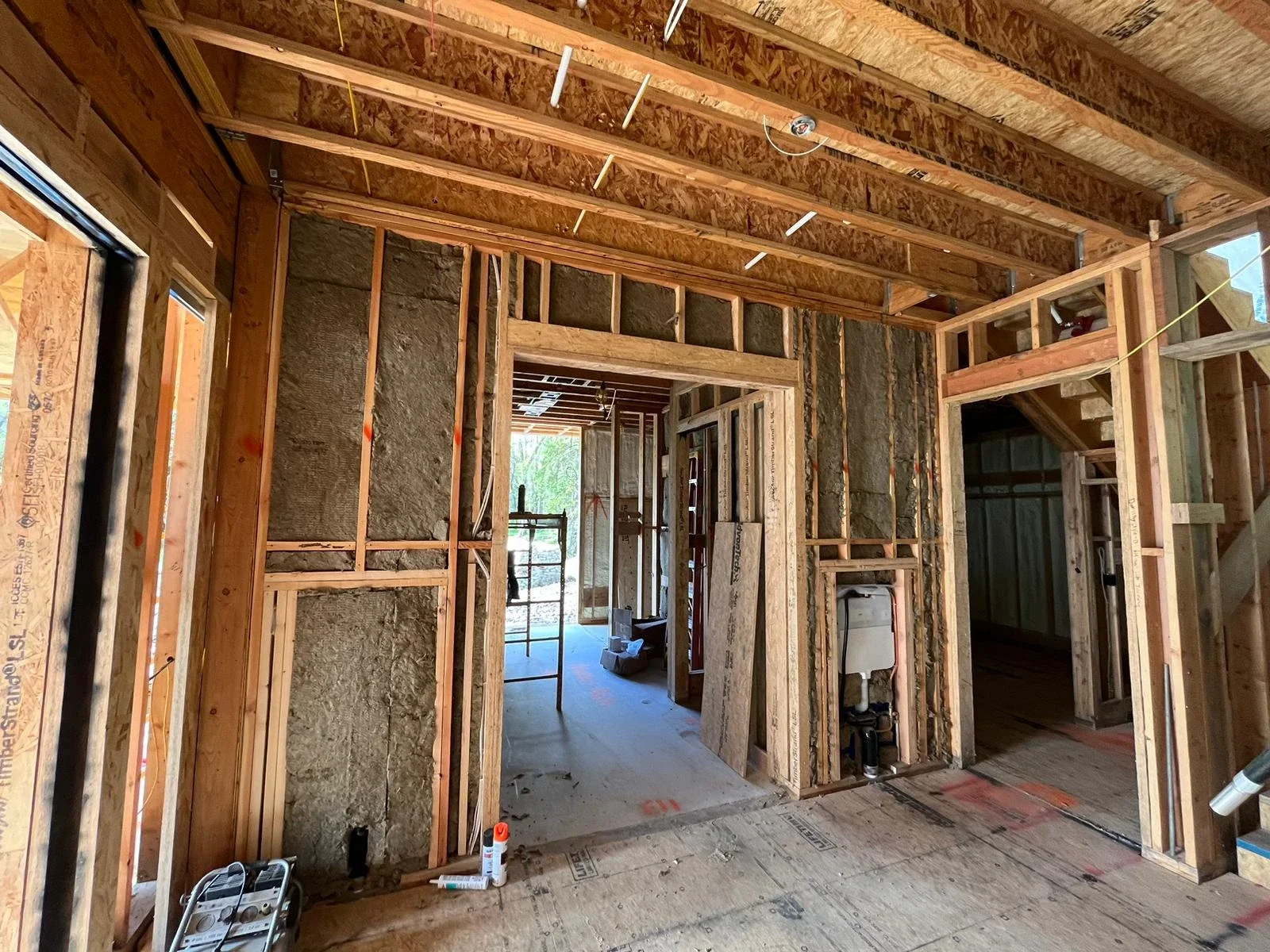
What Problems Can Mineral Wool Insulation Help Solve in Residential Buildings?
Quick answer: The main mineral wool insulation benefits in a house come down to five problems: rooms that lose heat…


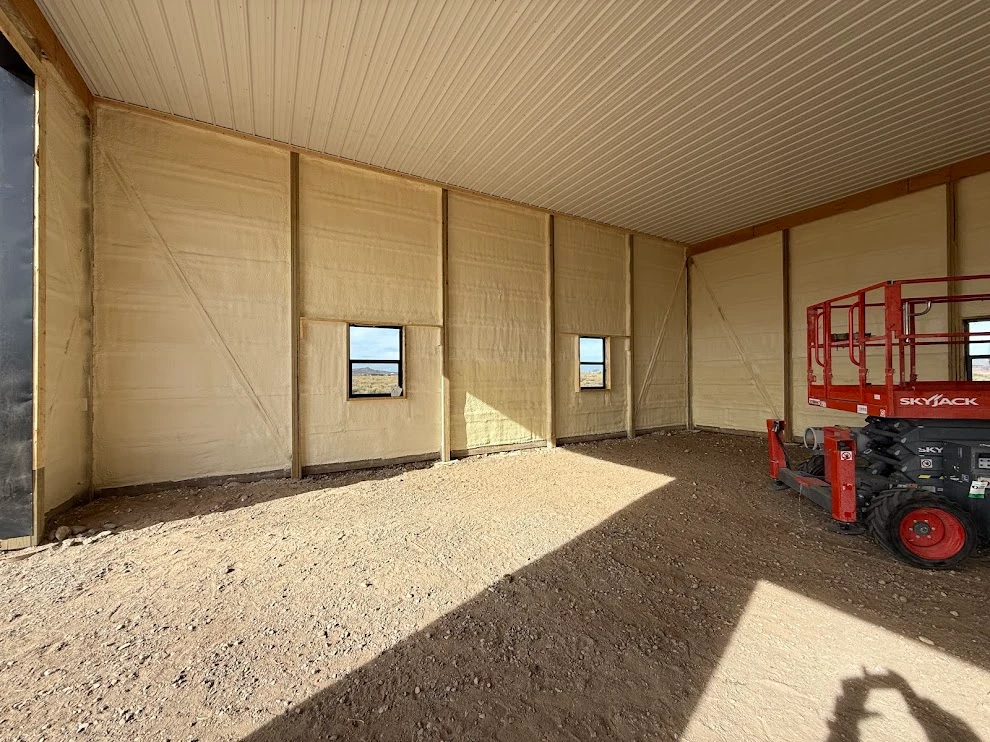
Commercial insulation systems work by slowing down three types of heat transfer through a building’s envelope: conduction through solid materials, convection through air movement, and radiation between surfaces. In large buildings, insulation materials trap air pockets within their structure, creating resistance to heat flow measured as R-value. The higher the R-value, the better the material resists thermal energy passing through walls, roofs, and floors. Unlike residential projects, commercial insulation must account for massive surface areas, steel framing that creates thermal bridging, complex HVAC systems, and strict energy code compliance, making the design and installation process far more involved than simply filling cavities with batting. Commercial insulation systems and applications
Understanding how commercial insulation systems work starts with understanding how heat moves through a building. According to the Whole Building Design Guide (WBDG), enclosure heat flows involve three distinct mechanisms: conduction, convection, and radiation. Each one operates differently and requires a different approach to control.
Conduction is the transfer of heat through solid materials. When the exterior of a building is cold, heat from the warmer interior conducts through the wall assembly toward the outside. Steel framing, concrete slabs, and glass are all highly conductive materials. Insulation resists conductive heat flow by trapping millions of tiny air pockets within its structure. These pockets are poor conductors, which is why materials like fiberglass, mineral wool, and foam boards work so effectively.
Convection occurs when air moves within and through wall cavities, carrying heat with it. In a poorly sealed commercial wall, warm indoor air escapes through gaps around windows, doors, plumbing penetrations, and electrical chases. This air leakage can account for a significant portion of total energy loss, which is why air barrier systems are now required alongside insulation in modern energy codes.
Radiation is the transfer of heat through electromagnetic waves, most notably from the sun through windows and roofs. While insulation does not block radiant heat directly, reflective barriers and low-emissivity glazing can help manage solar gain, especially in commercial buildings with large glass facades.
In large buildings, all three mechanisms are happening simultaneously across enormous surface areas. That is why commercial insulation is never a single-material solution. It is a system of layered components, each targeting a specific type of heat transfer. commercial insulation systems and strategies.
The U.S. Department of Energy identifies several major insulation categories, and commercial buildings typically use a combination of these to meet performance requirements across different assemblies.
| Insulation Type | R-Value per Inch | Air Barrier | Moisture Barrier | Best Commercial Application |
|---|---|---|---|---|
| Fiberglass Batts | 2.9 – 3.8 | No | No | Standard interior walls, above-ceiling areas |
| Mineral Wool | 3.3 – 4.2 | No | No | Fire-rated assemblies, acoustic partitions |
| Closed-Cell Spray Foam | 6.0 – 6.5 | Yes | Yes | Irregular cavities, rim joists, retrofits |
| Open-Cell Spray Foam | 3.5 – 3.7 | Yes | No | Interior wall cavities, sound damping |
| Polyiso Rigid Board | 5.6 – 6.5 | No | Varies | Continuous exterior insulation, roof systems |
| EPS Rigid Board | 3.6 – 4.2 | No | No | Below-grade walls, foundation insulation |
| XPS Rigid Board | 5.0 – 5.6 | No | Yes | Roofing, below-grade, cold storage |
These are the most commonly installed insulation types in commercial walls and ceiling cavities. Fiberglass and mineral wool batts fit between standard stud and joist spacing and are relatively inexpensive. They resist conductive heat flow effectively but do not stop air movement on their own. In commercial applications, mineral wool has the added advantage of providing fire resistance ratings up to 2 hours in certain assemblies, which is why it is often specified in multi-story buildings and fire-rated partitions.
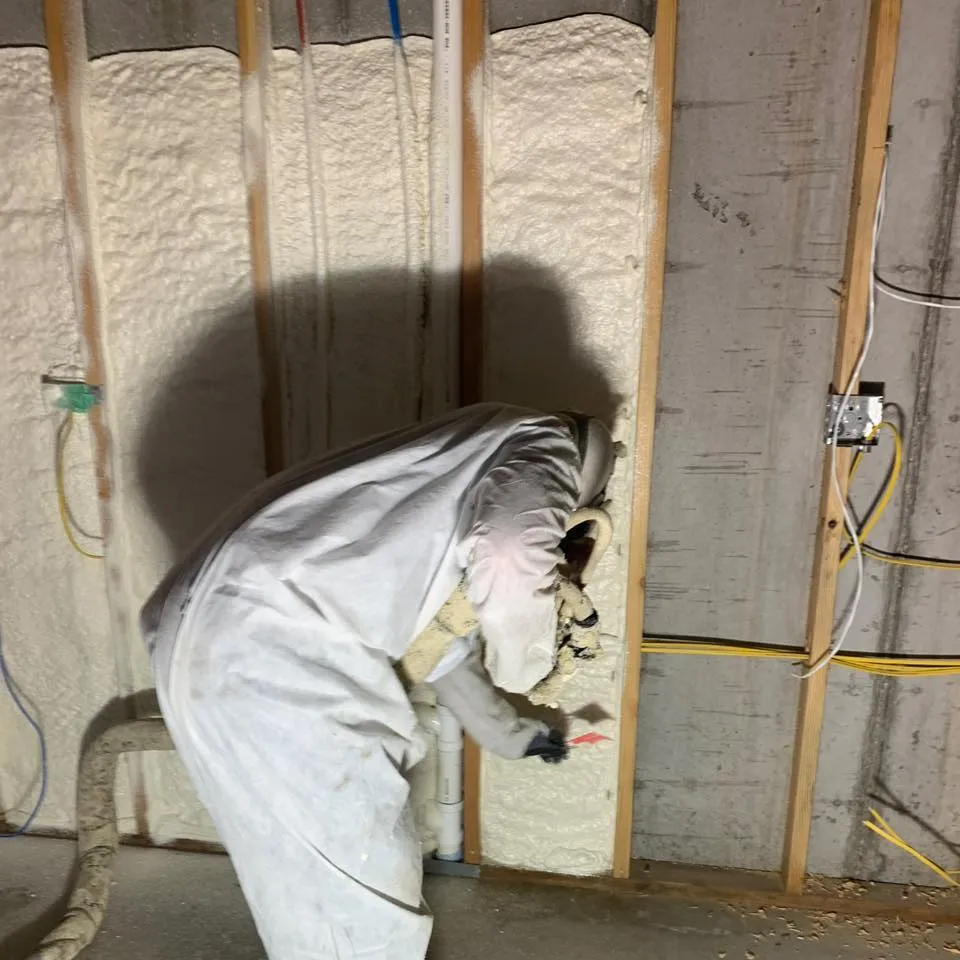
Spray foam expands on application to fill gaps, cracks, and irregular spaces. Closed-cell spray foam, in particular, creates a seamless air barrier and moisture barrier in a single application. The Department of Energy notes that while foam insulation costs more upfront than traditional batts, it forms an air barrier that can eliminate separate weatherization tasks like caulking, housewrap, and taping. In commercial buildings, spray foam is frequently used at rim joists, around structural penetrations, and in retrofit situations where cavity access is limited.
Continuous insulation, typically in the form of rigid foam boards installed on the exterior of the structural wall, is one of the most important advancements in commercial building envelopes. Unlike cavity insulation that sits between studs, continuous insulation covers the entire wall surface, including the studs themselves. This eliminates thermal bridging, a phenomenon where conductive framing materials like steel studs create pathways for heat to bypass the insulation. Polyisocyanurate (polyiso) is the dominant rigid foam choice for commercial applications because of its high R-value per inch.
Thermal bridging is one of the most underestimated performance killers in commercial insulation systems. When steel studs bridge from the conditioned interior to the exterior, they create a highway for heat to escape or enter. According to research cited by the WBDG, traditional assemblies using horizontal metal Z-girts for cladding attachment can achieve at best about 50% exterior insulation effectiveness. That means you need nearly double the insulation thickness to reach the intended R-value.
Data from ASHRAE and Building Enclosure Online shows that a layer of R-19 batt insulation is reduced by approximately 63% to an effective R-7.1 when installed in a 2×6 metal stud wall. In a 2×4 steel stud wall, the effective R-value drops to roughly half the rated value or less. This is why cavity insulation alone is almost never sufficient in steel-framed commercial construction.
How continuous insulation solves this: By placing rigid foam board over the exterior sheathing and structural framing, the conductive path through the studs is interrupted. The insulation wraps the building continuously, dramatically improving the effective R-value of the entire wall assembly. The 2024 IECC and ASHRAE 90.1 standards now require continuous insulation for most commercial wall assemblies for exactly this reason.
| Scenario | Building Type | Problem | Solution | Outcome |
|---|---|---|---|---|
| Downtown Office Tower | 12-story steel frame | Tenant complaints about temperature swings near perimeter offices | Added 2 inches of polyiso continuous insulation to curtain wall spandrel areas during facade renovation | Reduced HVAC zone complaints by 35%, and annual energy costs cut 18% |
| Warehouse Distribution Center | 250,000 sq ft metal building | Condensation dripping from the roof deck in winter, and product damage | Installed closed-cell spray foam to the underside of the roof deck with integrated vapor barrier | Eliminated condensation, maintained interior temperature stability |
| Elementary School Retrofit | 1960s masonry construction | High heating bills, cold classrooms near exterior walls | Injected closed-cell foam into wall cavities, added mineral wool in attic | Energy use dropped 22%, classroom temperatures stabilized |
| Cold Storage Facility | New construction freezer | Heat infiltration causing compressor overload, high operating costs | Installed closed-cell spray foam on all envelope surfaces plus insulated slab edge | Compressor runtime reduced 30%, maintained consistent -10°F interior |
| Multi-Tenant Retail Strip | 8-unit commercial building | Tenant turnover due to comfort complaints and high utility bills | Blown-in cellulose in walls, rigid foam on exterior, comprehensive air sealing | Occupancy increased to 100%, average tenant utility bills dropped 25% |
Several variables determine whether a commercial insulation system delivers its rated performance in the field.
Insulation placement and continuity. Insulation is most effective when installed continuously without gaps, voids, or compression. Even a small gap in coverage can create a thermal short circuit that undermines the entire assembly. In commercial construction, coordination between trades is critical because mechanical, electrical, and plumbing rough-ins can compromise insulation continuity if not carefully managed.
Climate zone classification. The WBDG provides recommended effective R-values by climate zone for both residential and commercial buildings. In cold climates (zones 5 through 8), commercial walls may need effective R-values of R-20 or higher, while roofs in the same zones may require R-40 or more. In hot climates, the focus shifts to reducing solar heat gain through roofs and walls.
Thermal bridging from structural components. Steel studs, concrete slabs extending through the envelope, balcony connections, and cladding attachment systems all create thermal bridges. The type of cladding attachment system matters significantly. Traditional Z-girts perform poorly, while thermally broken clips and brackets can maintain 80% or more of the insulation’s nominal R-value.
Moisture control and vapor diffusion. In cold climates, warm indoor air carrying moisture can condense inside wall assemblies when it reaches the dew point. The ratio of exterior to interior insulation must be calculated based on indoor relative humidity and outdoor winter design temperatures to prevent condensation within the wall cavity. The WBDG provides specific exterior-to-interior insulation ratio tables based on the work of building scientist Dr. John Straube, replacing the outdated one-third/two-thirds rule of thumb.
Installation quality. The Insulation Institute emphasizes that meeting code is only the legal minimum. A building built to code does not guarantee occupant comfort or energy efficiency. Poor installation, including compressed batts, gaps around penetrations, and missing air sealing, can reduce effective insulation performance by 30% or more, regardless of the material specified.
The financial case for investing in quality commercial insulation is well documented. According to the Insulation Institute, buildings with good insulation and air sealing have demonstrated up to 40% less energy consumption for heating and cooling compared to poorly insulated structures. Commercial buildings account for approximately 12% of total U.S. energy consumption according to the Insulation Institute, meaning insulation improvements represent a massive opportunity for nationwide energy reduction.
Independent research published by Insulation.org confirmed that insulation upgrades in existing commercial buildings, including schools, reduce energy use by an average of nearly 9% in primary educational facilities, with secondary schools showing even greater savings potential. These savings compound year after year, while also reducing the load on HVAC equipment, which extends equipment lifespan and reduces maintenance costs.
The return on investment for commercial insulation upgrades typically falls in the 3 to 7 year payback range, depending on climate zone, energy prices, building type, and existing insulation levels. Beyond direct energy savings, better-insulated commercial buildings command higher lease rates (up to 20% above average for certified green spaces), experience lower vacancy rates, and achieve higher scores on energy benchmarking systems that are increasingly required for real estate transactions in major metro areas.
High Country Solutions brings decades of experience specifying and installing commercial insulation systems for large buildings across demanding climates. Our team understands the building science behind thermal bridging, moisture control, and energy code compliance, and we apply that knowledge to every project we take on. Whether you are planning a new commercial build, a facade renovation, or a retrofit to improve energy performance, our professionals deliver systems that perform as designed.
Call us at (307) 248-9063 or email [email protected] to discuss your project requirements with our team.
Requirements vary by climate zone and assembly type, but ASHRAE 90.1 and the IECC typically require effective wall R-values between R-13 and R-20 for commercial steel-framed buildings depending on the climate zone, with roof insulation ranging from R-20 to R-40 or higher.
Commercial buildings rely heavily on steel framing, which conducts heat roughly 300 times faster than wood. This makes thermal bridging through studs, connections, and cladding attachments a major source of heat loss that can reduce cavity insulation effectiveness by 40% to 63%.
Closed-cell spray foam can serve as insulation, an air barrier, and a moisture vapor retarder in a single application. However, it is typically used in combination with other insulation types rather than as the sole system for an entire commercial building due to cost considerations.
Continuous insulation installed on the exterior of the structural wall covers framing members and eliminates the thermal bridging that occurs with cavity-only insulation. This brings the effective R-value of the wall assembly much closer to the rated R-value of the insulation material itself.
Payback periods for commercial insulation upgrades generally range from 3 to 7 years depending on climate zone, building type, existing insulation levels, and local energy prices. Factoring in reduced HVAC equipment sizing, lower maintenance costs, and improved tenant retention, the financial case strengthens further.