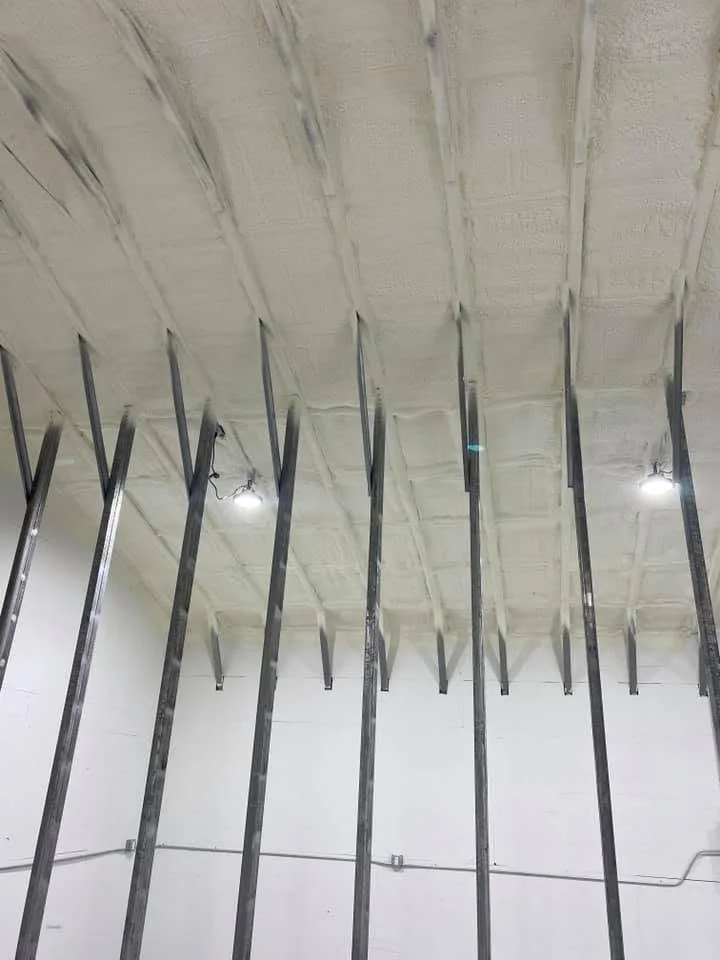
What Makes Closed-Cell Spray Foam Worth the Investment in Victor, ID?
Skeeter Aimone
July 15th, 2026
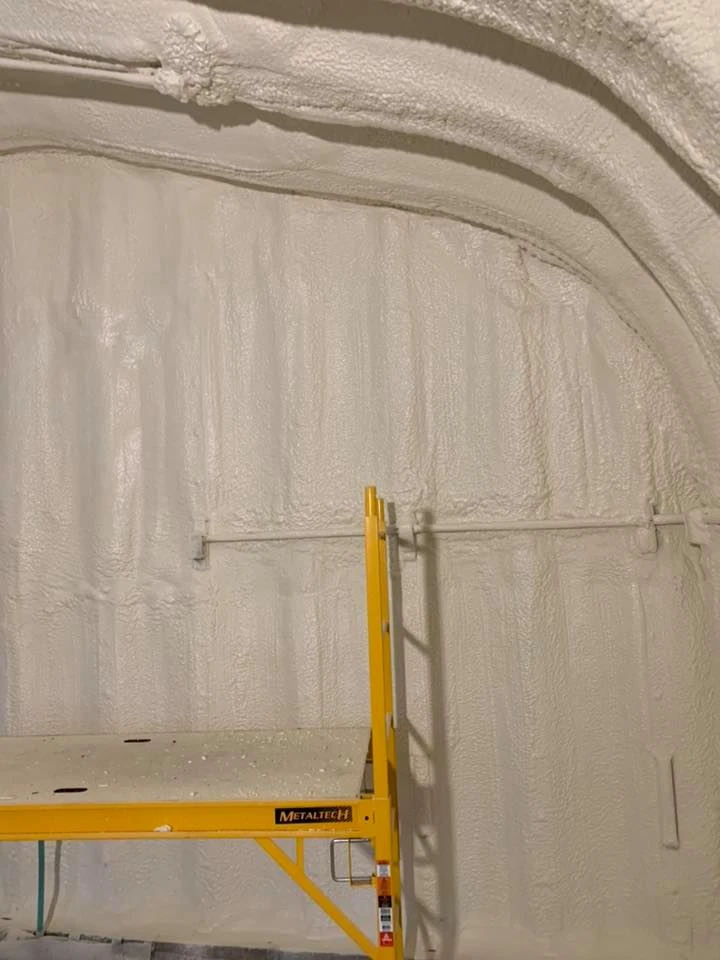
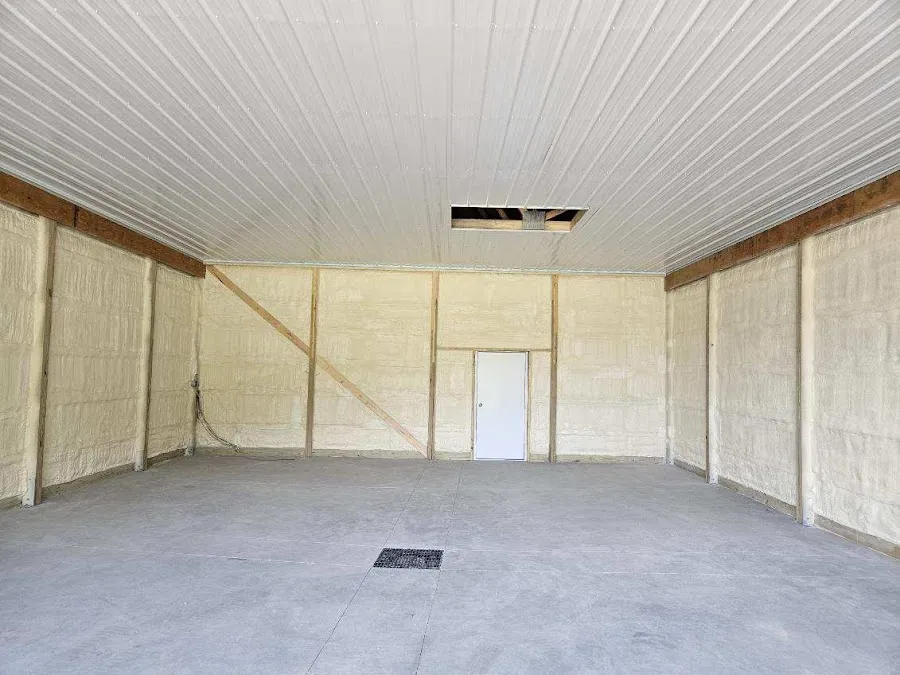
Closed-cell spray foam insulation delivers a combination of high R-value per inch, built-in air sealing, and moisture vapor control that other insulation types simply cannot match in one product. For homeowners and builders in Victor, Idaho, where the IECC Climate Zone 6 demands serious thermal performance, closed-cell spray foam addresses the specific challenges of long, cold winters and high heating degree days in a way that few alternatives can. The right insulation choice depends on your building type, budget, and long-term goals, but homeowners researching closed-cell spray foam benefits often find it stands out where moisture control, structural support, and maximum thermal resistance in thin cavities are priorities.
TL;DR
Closed-cell spray foam delivers approximately R-6 to R-6.1 per inch, making it one of the highest R-value insulation materials available for residential construction in thin cavity spaces.
Victor, ID falls in IECC Climate Zone 6, which requires R-22 minimum in exterior walls and R-38 in attic assemblies under current Idaho energy code amendments.
Closed-cell foam acts as both an air barrier and a vapor retarder, eliminating the need for separate vapor barrier installations in most wall and roof assemblies.
The material is hydrophobic, meaning it does not absorb water, which makes it the preferred choice for below-grade applications like basement foundations.
Proper installation requires professional applicators with protective equipment, and the EPA recommends a 24-hour curing period before re-occupancy in most cases.
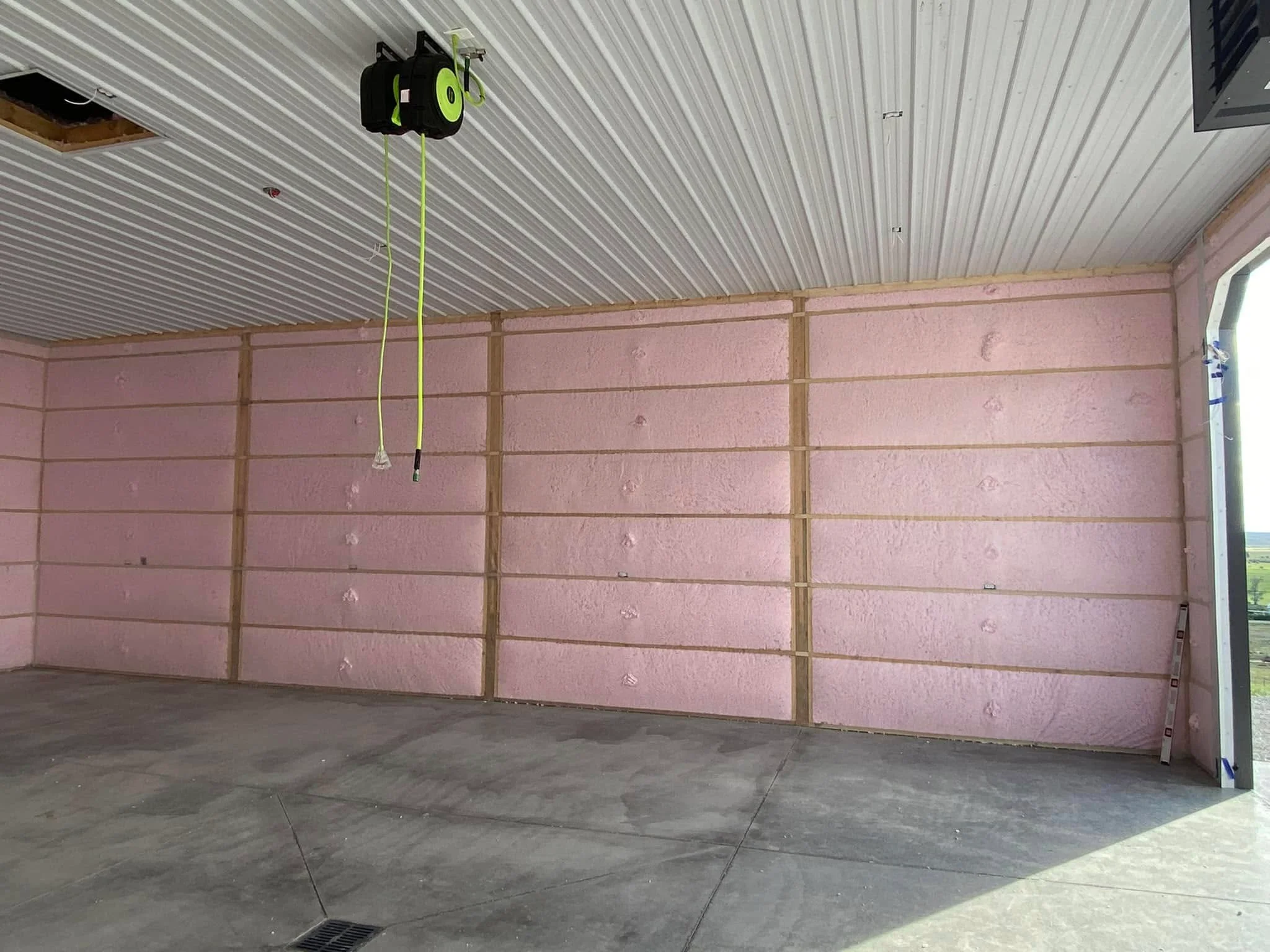
Hybrid approaches like “flash-and-batt” combine a thin layer of closed-cell spray foam with fiberglass or cellulose to balance performance and budget.
Closed-cell spray foam adds structural rigidity to framed assemblies, documented to increase wall racking strength in research studies.
Why Victor’s Climate Demands More From Insulation
Victor sits in Teton Valley at an elevation where winter temperatures regularly drop well below zero, and the heating season stretches for six to seven months. The Idaho Energy Code classifies this area under IECC Climate Zone 6, which carries some of the most demanding insulation requirements in the lower 48 states. Under the 2018 IECC with Idaho amendments, exterior walls must achieve a minimum of R-22, attic assemblies need R-38 or more, and buildings must pass blower door testing showing no more than 3 air changes per hour at 50 Pascals of pressure.
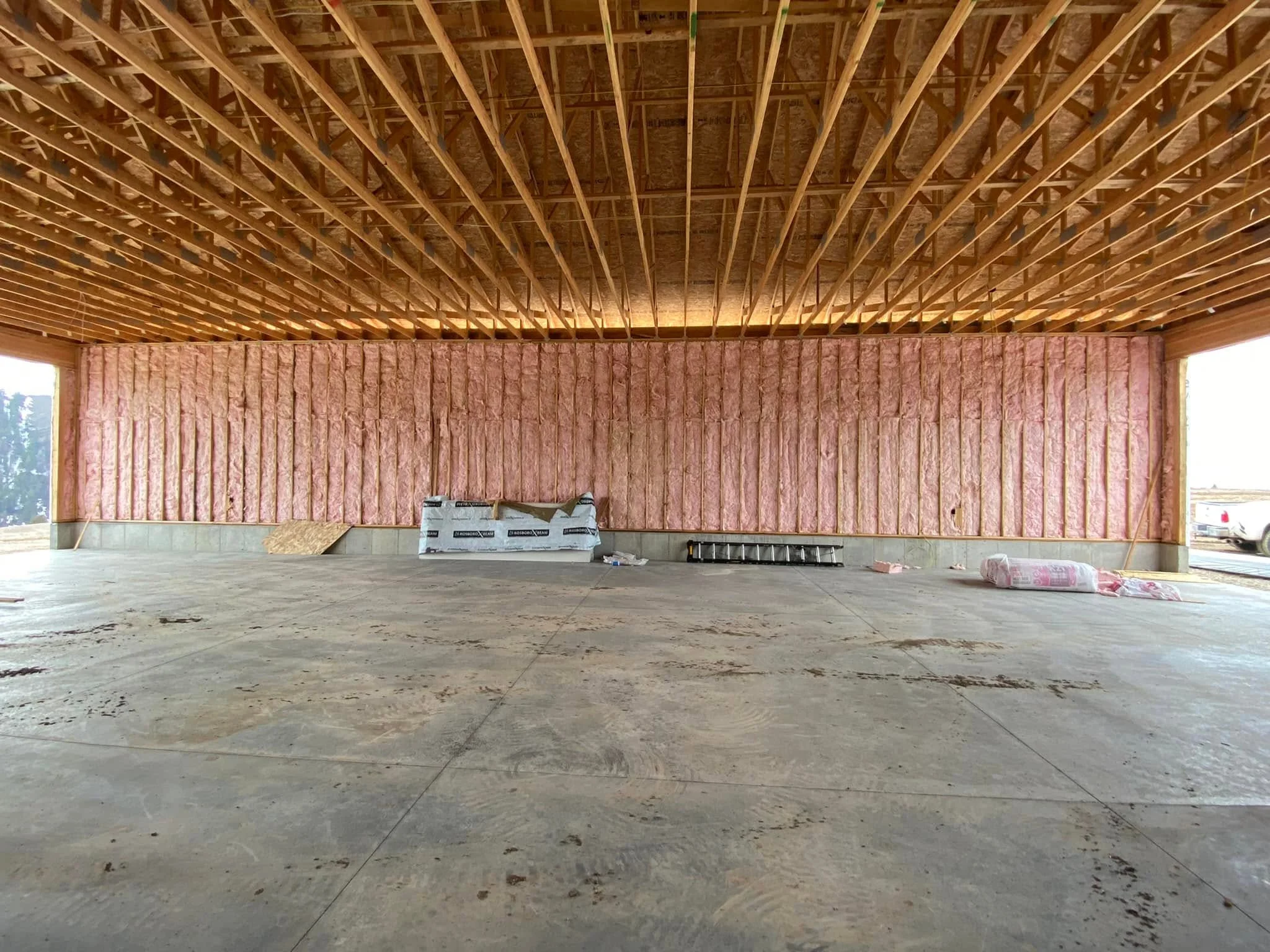
Standard fiberglass batts at R-3.7 per inch require deep cavities to hit those targets, and they do little to stop air movement through the building envelope. Fiberglass and cellulose are air-permeable materials, meaning uncontrolled air leaks around framing, electrical penetrations, and framing connections bypass the insulation entirely. This is where closed-cell spray foam changes the equation for Victor homeowners: it seals those leaks while simultaneously delivering high thermal resistance.
How Closed-Cell Spray Foam Performs in Cold Climates
The U.S. Department of Energy’s Building America program classifies closed-cell spray foam as the “preferred” insulation choice for frame wall cavities in cold climates. This matters because the distinction between “preferred” and “acceptable” ratings in that guideline reflects real-world moisture and durability risks, not just thermal performance.
In a Climate Zone 6 wall assembly, the temperature differential between heated interior air and cold exterior surfaces creates a strong vapor drive pushing moisture from inside the home outward. If that moisture condenses inside the wall cavity, it can saturate fiberglass batts, reduce their effective R-value, and eventually lead to mold growth and wood rot. Closed-cell spray foam for homes acts as a vapor retarder when rated at less than 1 perm at typical application thicknesses, keeping interior moisture from reaching cold surfaces within the wall assembly.
The DOE guide also notes that in climates above 6,000 heating degree days, a minimum of 2 inches of closed-cell spray foam should be used in hybrid wall systems to keep the interior surface of the foam above the dew point and prevent condensation. Victor’s heating degree days place it firmly in this category.
Closed-Cell vs. Open-Cell: A Clear Distinction in Cold Climates
Both spray foam types share a similar chemical base, but their physical properties differ enough that they serve different purposes in Victor’s climate.
Property
Closed-Cell SPF
Open-Cell SPF
R-Value per Inch
R-6 to R-6.1
R-3.6
Density
2.0 lb/cf
0.5 lb/cf
Vapor Permeance
Less than 1 perm at 2 inches
5 to 10 perms at 5 inches
Water Absorption
Hydrophobic, will not absorb
Can absorb up to one-third its volume in water
Air Barrier
Yes, at typical thicknesses
Yes, at typical thicknesses
Structural Benefit
Adds wall racking strength and rigidity
Minimal structural contribution
Cold Climate Wall Rating
Preferred
Preferred, but requires separate vapor control
The DOE guide rates open-cell foam as “preferred” for cold climate wall cavities as well, but with a critical caveat: interior vapor retarders, air sealing, and exterior vapor permeance must be carefully managed to prevent moisture accumulation. Closed-cell foam simplifies this equation because it serves as its own vapor retarder.
For below-grade applications like basement foundation walls, the distinction is stark. The DOE guide rates open-cell foam as “not acceptable” for foundations because its moisture-permeable nature means it can become saturated in the damp basement environment. Closed-cell foam is the preferred choice for basements and crawlspaces specifically because it is water-resistant and can tolerate incidental moisture contact without degrading.
Applications Where Closed-Cell Spray Foam Delivers the Most Value
Wall Cavities and Cathedral Ceilings
For 2×4 or 2×6 framed walls in Victor homes, closed-cell spray foam applied to full cavity depth can achieve R-30 or higher, far exceeding the code minimum of R-22. In cathedral ceiling assemblies where rafter depth limits the insulation thickness available, the high R-value per inch of closed-cell foam makes it possible to hit code-required R-values where fiberglass batts simply cannot fit.
Foundations and Crawlspaces
Basement foundation walls and crawlspace rim joists are among the most cost-effective places to apply closed-cell spray foam. These areas are difficult to insulate effectively with batts because of irregular surfaces, penetrations, and moisture exposure. Spray foam for builders expands to fill gaps, adheres directly to concrete and wood surfaces, and creates a continuous air and vapor barrier that protects against condensation on cool foundation surfaces.
Flash-and-Batt Hybrid Systems
For homeowners who want the air sealing and vapor control benefits of closed-cell foam without the full material cost of filling every cavity, the hybrid approach applies 1 to 2 inches of closed-cell spray foam against the exterior sheathing, then fills the remaining cavity depth with fiberglass or cellulose. The DOE guide identifies this approach as suitable for all climate zones and notes the potential for HVAC equipment size reduction because of the improved air sealing and thermal performance.
Safety and Installation Considerations
The EPA has published extensive guidance on the safe use of spray polyurethane foam, and homeowners need to understand the requirements before installation. During application, SPF generates vapors and aerosols containing isocyanates, which can cause asthma, sensitization, lung damage, and respiratory problems. The work area must be restricted to trained professionals wearing appropriate personal protective equipment, including respiratory protection.
After application, the foam continues to cure and off-gas. The EPA notes that some manufacturers recommend 24 hours after application before re-occupancy for two-component, high-pressure professional SPF systems, though curing times vary based on temperature, humidity, foam thickness, and product formulation. Our team follows all EPA-recommended safety protocols during and after installation, including proper ventilation, protective equipment, and clear guidance on safe re-entry times.
Structural and Long-Term Performance Benefits
Closed-cell spray foam is not just an insulation material. Research documented in the DOE Building America spray foam guide shows that applying closed-cell foam in framed wall cavities substantially increases wall racking strength, a benefit that matters in regions subject to high winds and seismic activity. The foam is also used in modular housing factories as a structural adhesive to bond gypsum board to framing.
For roof assemblies, studies have documented that applying closed-cell spray foam to the underside of roof decking improves the connection between decking and trusses, adding structural rigidity to the entire roof system.
The NIST research on SPF emissions confirms that once properly cured, spray polyurethane foam insulation increases building energy efficiency by reducing both conductive and convective heat losses through the building envelope. This means the performance benefits are not theoretical. They are measurable and documented at the national laboratory level.
Signs You Have Found the Right Spray Foam Installer
Choosing an installer is as important as choosing the material. Here are indicators that separate qualified professionals from inexperienced applicators:
Clear safety communication: The contractor explains the curing process, re-occupancy timeline, and any ventilation requirements before the installation begins.
Manufacturer certification: The crew is trained and certified by the specific foam manufacturer whose products they install.
Proper protective equipment: Applicators wear full respiratory protection, gloves, and protective suits during the spraying process without exception.
Detailed surface preparation: The crew thoroughly cleans and prepares all surfaces to ensure proper foam adhesion before any spraying begins.
Thickness consistency: The installer measures and verifies foam thickness during application to confirm it meets the specified depth for the project’s performance targets.
Recommendations by Project Type
Project Type
Recommended Approach
Why It Works in Victor
New construction, full budget
Full cavity closed-cell SPF
Maximum R-value, air sealing, and vapor control in a single application
New construction, value-conscious
Flash-and-batt hybrid
1 to 2 inches of closed-cell foam for air and vapor sealing, with cost-effective batt fill for remaining depth
Basement finishing
Closed-cell SPF on foundation walls
Water-resistant, adheres to concrete, prevents condensation on cool below-grade surfaces
Existing home retrofit
Rim joist and attic priority
Rim joists and attics are the highest air-leakage areas in most homes and offer the best return on insulation investment
Crawlspace encapsulation
Closed-cell SPF on walls and band joists
Creates continuous air barrier, tolerates moisture exposure, keeps conditioned air from escaping through the floor
Get a Professional Insulation Assessment for Your Victor Home
High Country Solutions brings professional spray foam insulation expertise to the Teton Valley region, handling everything from new construction envelope insulation to retrofit projects in existing Victor, ID homes. Our team follows EPA safety protocols and manufacturer specifications on every project to deliver the thermal performance, air sealing, and moisture control that Climate Zone 6 demands.
Reach our team at [email protected] or call (307) 248-9063 to discuss your insulation goals. We are here to help you make the right investment in your home’s comfort, durability, and energy efficiency.
Frequently Asked Questions
How long does closed-cell spray foam last in a home?
Properly installed and cured closed-cell spray foam is a permanent insulation material that does not settle, compress, or degrade over time. It maintains its R-value and air sealing properties for the life of the building.
Can closed-cell spray foam be installed in winter in Victor, ID?
Installation is possible in cold weather, but temperature affects curing rates. Our team monitors conditions closely and adjusts application procedures to ensure proper foam expansion and adhesion in cold temperatures.
Does closed-cell spray foam require a separate vapor barrier?
At typical applied thicknesses of 1.5 inches or more, closed-cell spray foam acts as a vapor retarder with a perm rating below 1, eliminating the need for a separate polyethylene vapor barrier in most wall and roof assemblies.
Is closed-cell spray foam safe after it cures?
Once fully cured, typically within 24 hours of application per EPA guidance, closed-cell spray foam is considered relatively inert and does not release harmful chemicals under normal conditions.
Can closed-cell spray foam help reduce my heating bills in Victor?
By sealing air leaks and delivering high R-value insulation, closed-cell spray foam reduces heat loss through the building envelope, which can lead to lower heating energy consumption during Victor’s long winter season.
Idaho Energy Code – Residential Provisions – Idaho’s residential energy code requirements including Climate Zone 6 insulation minimums, blower door testing standards, and envelope compliance options.
I’m Skeeter Aimone, owner of High Country Solutions in Alpine, Wyoming, leading the company since 2019. I focus on quality installation, building science, and insulation solutions suited to harsh Wyoming and eastern Idaho conditions.