Why Do Heated Driveways Need Closed-Cell Spray Foam Insulation Underneath in Driggs, ID?
Skeeter Aimone
August 24th, 2026
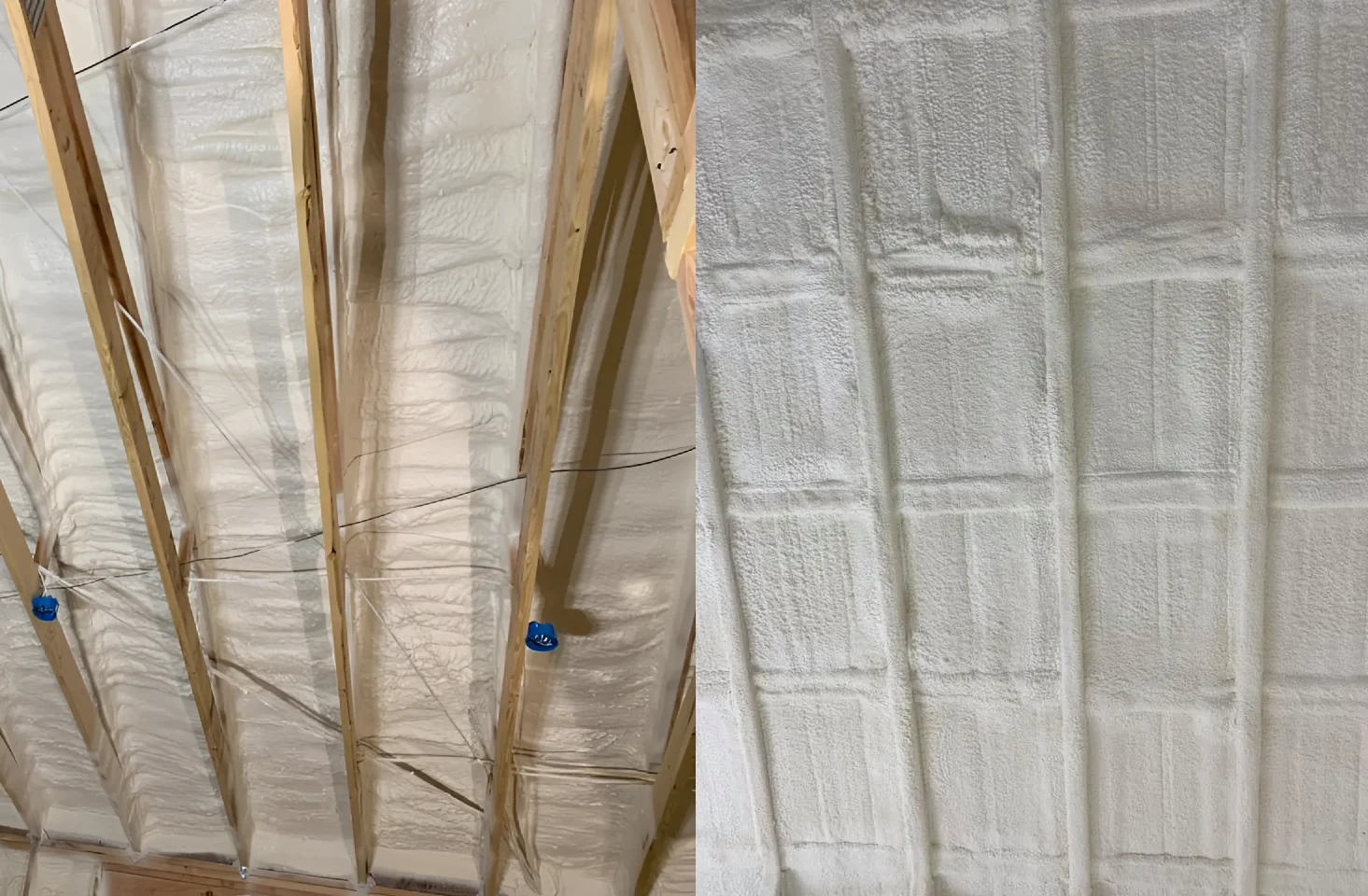
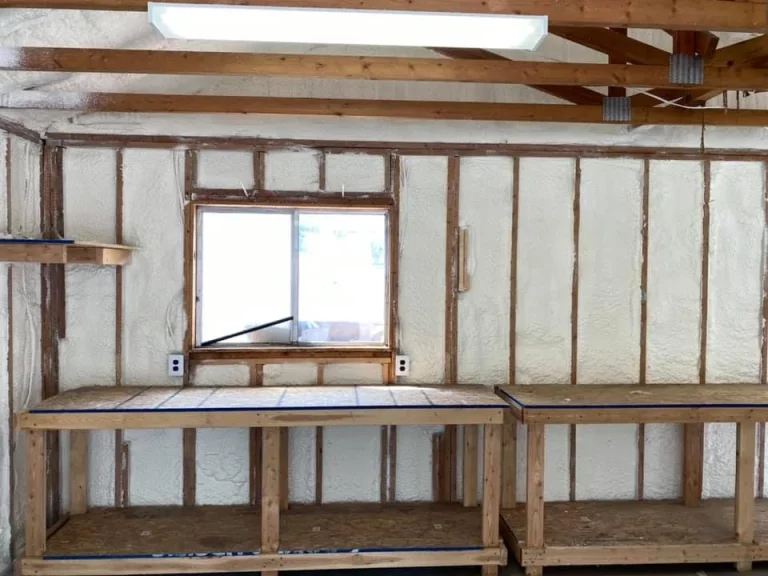
Heated driveways in Driggs, ID need closed-cell spray foam insulation underneath because the ground beneath a snowmelt system acts as a massive heat sink. Without a high-performance thermal barrier, a significant portion of the heat generated by hydronic or electric tubing goes straight into the earth rather than melting snow on the surface. In Driggs, where winter lows reach -25°F and frost penetrates deep into the ground, that downward heat loss is severe enough to render a heated driveway system ineffective and inefficient. Closed-cell insulation delivers the highest R-value per inch of any common insulation material, acts as a moisture barrier against wet soil, and bonds directly to the substrate, which makes it the best choice for this specific application in a high-altitude, cold-climate environment.
TL;DR
Driggs sits at 6,097 feet elevation in USDA hardiness zones 4b to 5a, with average winter lows between -25°F and -15°F, creating extreme downward heat loss potential for any slab-on-grade heating system
Without underslab insulation, a heated driveway loses a substantial portion of its energy warming the ground beneath it rather than melting snow on the surface
Closed-cell spray foam delivers R-5 to R-8 per inch, roughly double the thermal resistance of open-cell foam, making it the most space-efficient option where substrate depth is limited
Soils with moisture content above 20% can be up to 15 times more thermally conductive than dry soils, making the moisture-blocking properties of closed-cell foam especially important
Closed-cell foam is non-porous and moisture-resistant, protecting the PEX tubing and concrete slab from groundwater and freeze-thaw damage
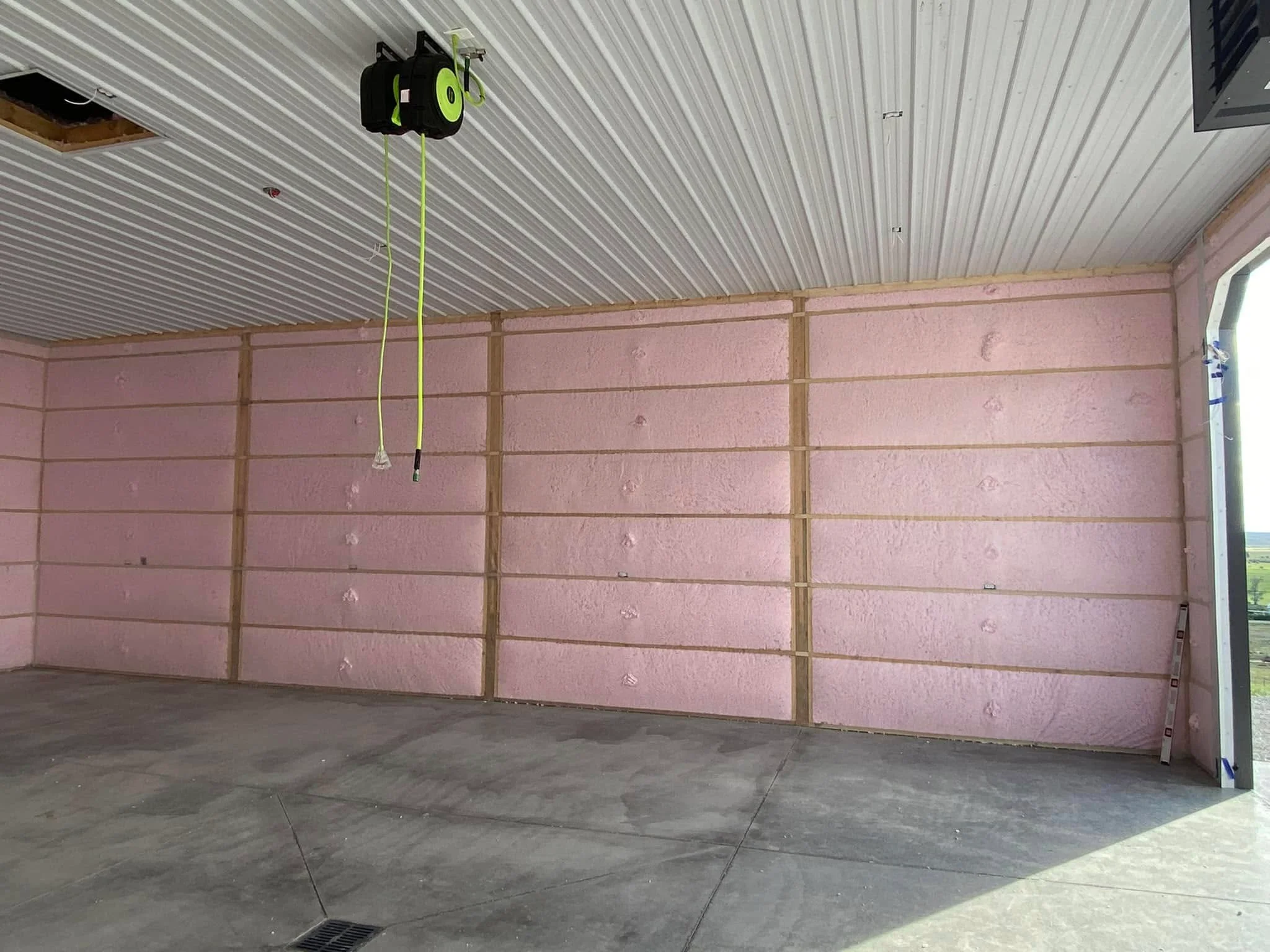
Open-cell foam allows water penetration and only achieves R-3 to R-4 per inch, making it unsuitable for ground-contact applications under heated driveways
Model National Energy Codes require suitable underslab insulation for slab-on-grade radiant systems, and closed-cell spray foam meets and exceeds those requirements
The Driggs Climate Problem: Why Standard Insulation Falls Short
Driggs sits at 6,097 feet in the Teton Basin, nestled between mountain ranges that funnel cold air into the valley. According to University of Idaho Extension data, the city receives only about 68 frost-free days per year and sits in modified USDA hardiness zone 3, with recorded temperatures approaching those of zone 2. PlantMaps places Driggs in zones 4b (-25°F to -20°F) and 5a (-20°F to -15°F) based on the 2023 USDA Hardiness Zone Map. Both sources agree: this is among the harshest winter climates in Idaho.
What makes this relevant for heated driveways is the relationship between ground temperature and the operating efficiency of a snowmelt system. When outside air is -20°F and the ground below your driveway slab is frozen solid, the temperature differential between the heated tubing and the earth beneath it is enormous. That differential drives heat downward through conduction, and without an effective thermal break, the system works overtime just to warm the soil.
How Heat Loss Happens Without Underslab Insulation
A heated driveway is a type of radiant heating system embedded in a concrete slab. Underfloor heating systems used for snow and ice melting operate on the same principle as indoor radiant floor heating, but they face a fundamentally different challenge: they are installed outdoors, directly on grade, with no conditioned space below.
The physics behind this is straightforward. Thermal insulation works by creating a region of reduced thermal conduction, a thermal break, between objects of differing temperature. The rate of heat loss is directly proportional to the temperature difference and inversely proportional to the thickness and conductivity of the material between the two zones.
When a heated driveway operates in Driggs in January:
The water circulating through the PEX tubing might be 100°F to 140°F
The concrete slab surface needs to reach roughly 38°F to melt snow
The ground beneath the slab might be at 10°F or lower
The temperature difference between the heated tubing and the frozen ground can exceed 100°F
Without insulation, that enormous temperature differential drives heat directly into the earth. The Wikipedia underfloor heating article specifically notes that heat losses to below grade are a major design consideration for slab-on-grade radiant systems, and that the thermal conductivity of soil will influence how much conductive heat transfer occurs between the ground and the heated slab. It further states that suitable underslab insulation such as rigid polystyrene is required by Model National Energy Codes.
Why Closed-Cell Spray Foam Over Other Insulation Types
Several insulation materials could theoretically go under a heated driveway, but closed-cell spray foam stands apart for this application. The Wikipedia article on building insulation materials provides a clear comparison of insulation types and their properties.
Insulation Type
R-Value Per Inch
Moisture Resistant
Vapor Barrier
Structural Reinforcement
Best For
Closed-cell spray foam
R-5 to R-8
Yes
Yes
Yes
Underslab, ground-contact, wet conditions
Open-cell spray foam
R-3 to R-4
No
No
No
Interior walls, above-grade cavities
Extruded polystyrene (XPS)
R-5
Mostly
Limited
No
Underslab (common alternative)
Expanded polystyrene (EPS)
R-3.6 to R-4.2
Absorbs water
No
No
Above-grade applications
Fiberglass batts
R-2.9 to R-3.8
No
No
No
Not suitable for ground contact
Closed-cell foam is non-porous and not moisture-penetrable, which means it effectively forms a semi-permeable vapor barrier. In the context of a heated driveway in Driggs, this matters because ground moisture is a constant concern. Snowmelt, groundwater, and seasonal freeze-thaw cycles all introduce water around and beneath the slab. Open-cell foam, by contrast, is porous and allows both water vapor and liquid water to penetrate, which would degrade its thermal performance over time and potentially expose PEX tubing to moisture damage.
Beyond moisture resistance, closed-cell spray foam has two additional advantages for driveway applications. First, it expands and adheres directly to the substrate, filling gaps, irregularities, and voids that rigid board insulation cannot address. This creates a continuous thermal barrier with no air gaps or thermal bridges, making closed-cell spray foam solutions particularly useful where consistent insulation performance is important. Second, closed-cell foam adds structural strength to the assembly, which is valuable under a concrete driveway that will bear vehicle loads.
The Soil Moisture Factor in Driggs
Driggs receives significant snowfall each winter, and the Teton Basin holds moisture in the soil through much of the year. The underfloor heating article notes that soils with moisture contents greater than 20% can be as much as 15 times more thermally conductive than soils with less than 4% moisture content. This means wet ground pulls heat away from a heated slab far more aggressively than dry ground.
Closed-cell spray foam addresses this in two ways. Its high R-value per inch creates the thermal resistance needed to slow conductive heat loss even when the temperature differential is extreme. A local insulation professional can also help ensure the insulation system is properly selected for these demanding conditions, while its moisture-impermeable cell structure prevents groundwater from reaching the concrete slab and PEX tubing, preserving both the insulation value and the integrity of the heating system.
How Heated Driveway Snowmelt Systems Work
For context, a heated driveway uses either hydronic tubing (PEX pipe circulating warm water mixed with propylene glycol antifreeze) or electric resistance cables embedded within or beneath a concrete slab. Radiant heating and cooling systems exchange heat by both convection and radiation, and for snowmelt applications the system must generate enough heat at the slab surface to overcome snowfall rates, ambient air temperature, and wind chill.
The layering beneath the driveway surface typically looks like this, from bottom to top:
Compacted subgrade soil
Closed-cell spray foam insulation (the thermal barrier)
Vapor barrier (often integrated into the foam itself)
The insulation layer is what prevents the heat generated at step 4 from sinking into the ground at step 1. Without it, the system has to work harder, use more energy, and may still fail to keep the surface clear during heavy snow events.
Signs You’ve Found the Right Insulation Approach for Your Heated Driveway
When evaluating an installer or a proposal for a heated driveway in Driggs, several indicators separate a well-designed system from one that will underperform:
Insulation thickness matches the climate zone: In a zone 4b to 5a environment, the insulation layer should deliver sufficient total R-value to offset the extreme ground temperatures, not a minimum-code approach
Closed-cell foam is specified, not open-cell or rigid board alone: The installer should explain why closed-cell foam is the right choice for ground-contact, moisture-prone conditions
Moisture management is addressed: Groundwater, drainage, and vapor barriers should be part of the design conversation, not an afterthought
The system design accounts for snowfall rate and wind: Insulation is one part of the equation; tube spacing, water temperature, and response time all matter for snowmelt performance
The installer understands Driggs conditions: Experience with local frost depths, soil types, and elevation-specific challenges should be evident in their approach
Get a Heated Driveway Quote in Driggs, ID
High Country Solutions has the experience and expertise to design and install heated driveway systems with closed-cell spray foam insulation for properties throughout the Driggs area. Our team understands the demands of a 68-day frost-free growing season, zone 3 modified hardiness conditions, and the specific soil and moisture challenges of the Teton Basin. Whether you are building new or retrofitting an existing driveway, we will ensure your snowmelt system performs reliably through the worst winter conditions Idaho can deliver. Request a Quote or call us at (307) 248-9063 to discuss your project. You can also reach our team at [email protected] to schedule a Heated Driveway Consultation.
Frequently Asked Questions
Can I use rigid foam board insulation instead of spray foam under my heated driveway?
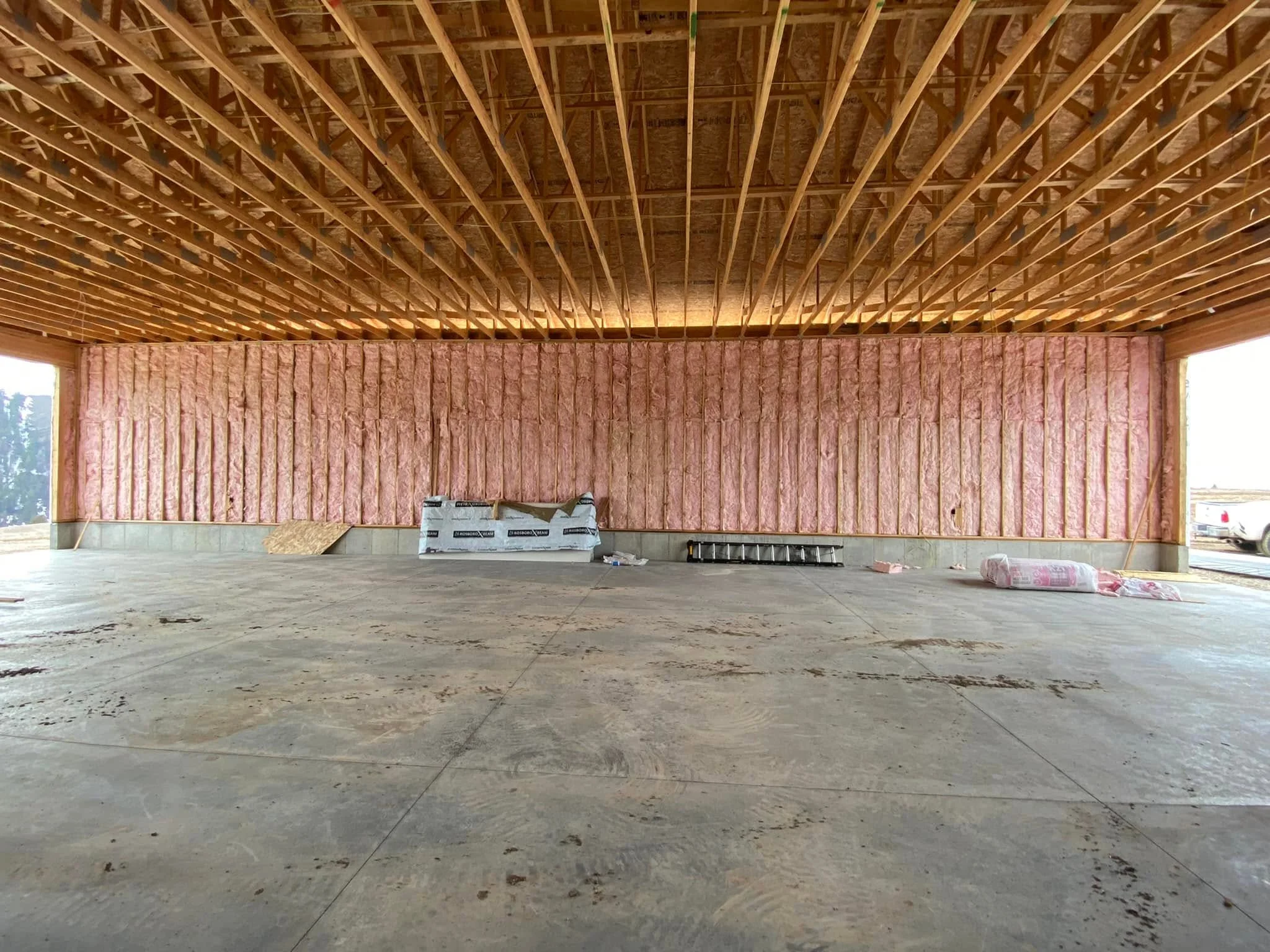
Rigid extruded polystyrene boards are a common alternative and can work, but they leave gaps at joints and seams that create thermal bridges. Spray foam adheres to the substrate and fills all voids, creating a continuous insulation layer with no air infiltration paths.
How thick should the closed-cell spray foam layer be under a heated driveway in Driggs?
The required thickness depends on your specific system design, soil conditions, and desired performance. An experienced installer will calculate the appropriate total R-value based on local ground temperatures and the snowmelt system’s heat output requirements.
Does closed-cell spray foam degrade over time under a concrete slab?
Closed-cell spray foam is stable and resistant to moisture, compression, and soil contact. Its R-value may diminish slightly as it reaches equilibrium with the environment, but the stabilized R-value remains high, and the foam maintains its structural and thermal properties for decades.
What happens if water gets between the insulation and the concrete slab?
Because closed-cell foam is non-porous and moisture-impermeable, it resists water infiltration. Proper site grading and drainage should direct water away from the driveway assembly, and the foam itself acts as a secondary moisture barrier protecting the slab and tubing above it.
Is a heated driveway worth the investment in a climate as cold as Driggs?
For homeowners who want reliable snow and ice removal without salt damage, plowing costs, or the physical labor of shoveling, a properly insulated heated driveway system provides consistent performance throughout the winter and can extend the life of the driveway surface by eliminating freeze-thaw cycling at the surface.
Sources
Underfloor Heating and Cooling – Wikipedia – Comprehensive reference covering hydronic and electric underfloor heating systems, including snowmelt applications and underslab insulation requirements for slab-on-grade installations.
Thermal Insulation – Wikipedia – Scientific overview of how thermal insulation works, including conductivity, R-value, and the physics of conductive heat transfer relevant to underslab applications.
Driggs, Idaho Hardiness Zones – PlantMaps – Confirms Driggs is in USDA hardiness zones 4b (-25°F to -20°F) and 5a (-20°F to -15°F) based on the 2023 USDA Hardiness Zone Map.
Building Insulation Materials – Wikipedia – Detailed comparison of insulation types including closed-cell and open-cell spray foam, their R-values, moisture resistance, and suitability for various applications.
I’m Skeeter Aimone, owner of High Country Solutions in Alpine, Wyoming, leading the company since 2019. I focus on quality installation, building science, and insulation solutions suited to harsh Wyoming and eastern Idaho conditions.