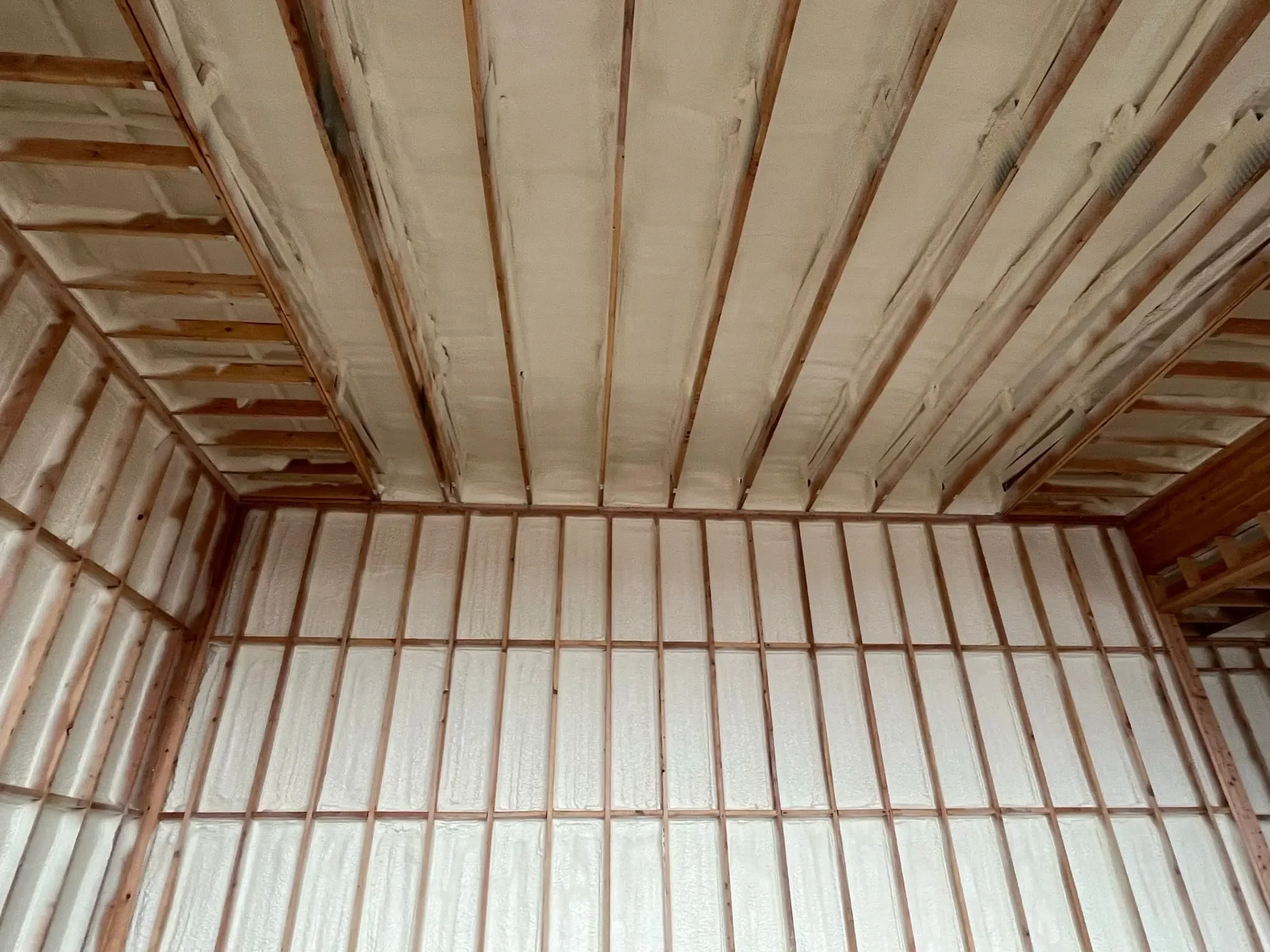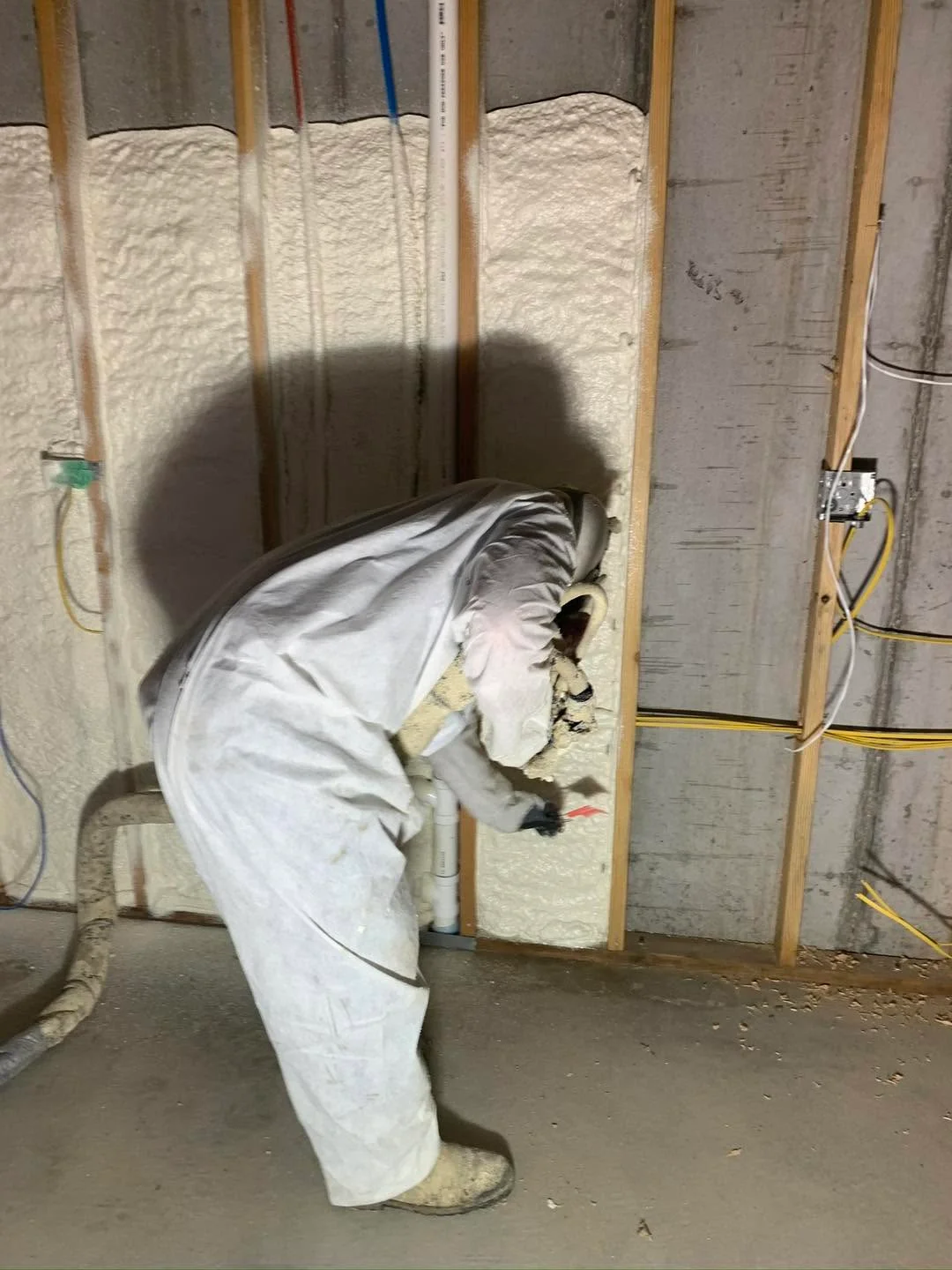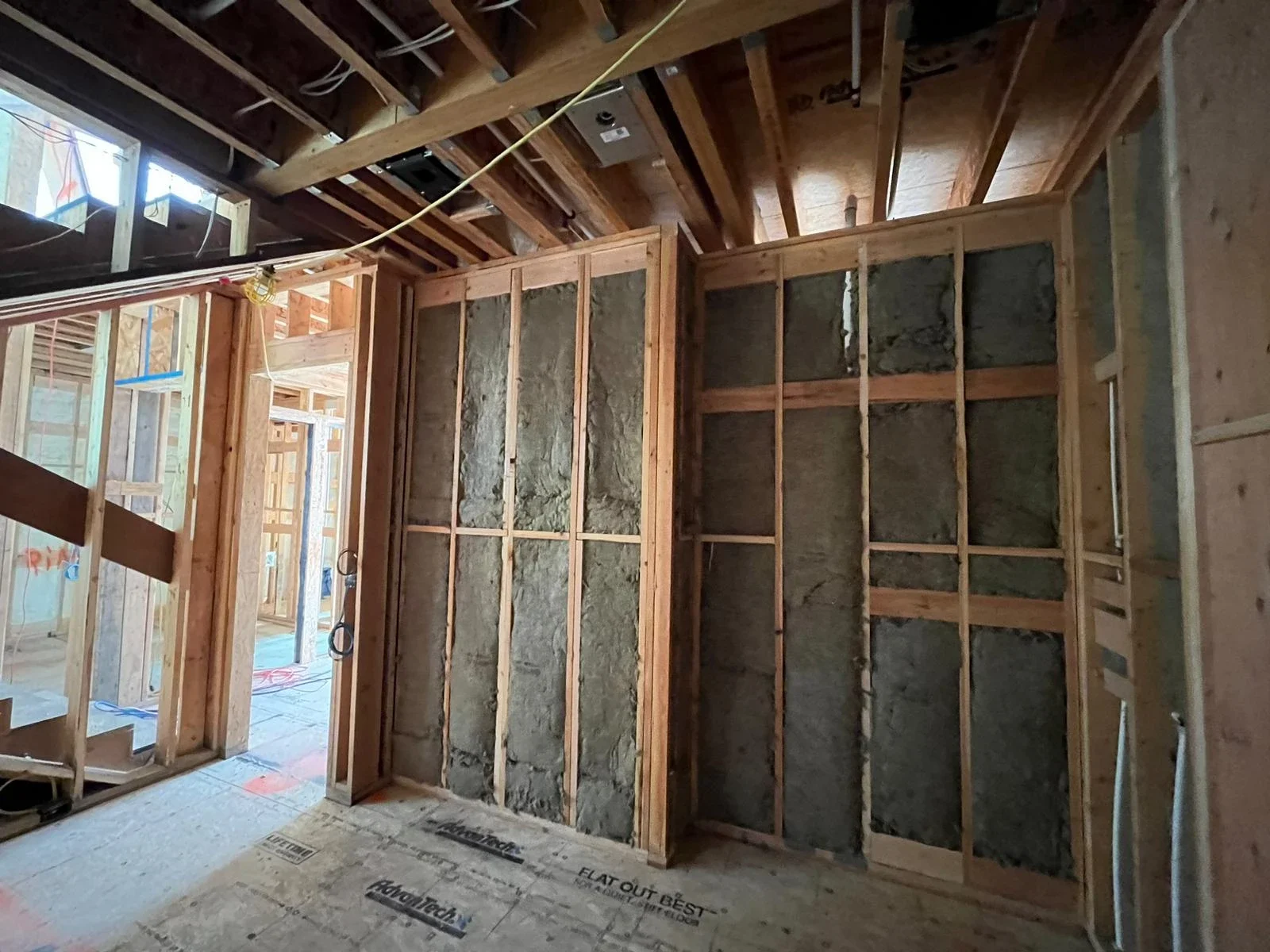
Mineral Wool vs Fiberglass Insulation: Which Option Is Better for Your Home?
Quick answer: In the mineral wool vs fiberglass insulation debate, mineral wool usually wins on fire resistance, moisture handling, sound…


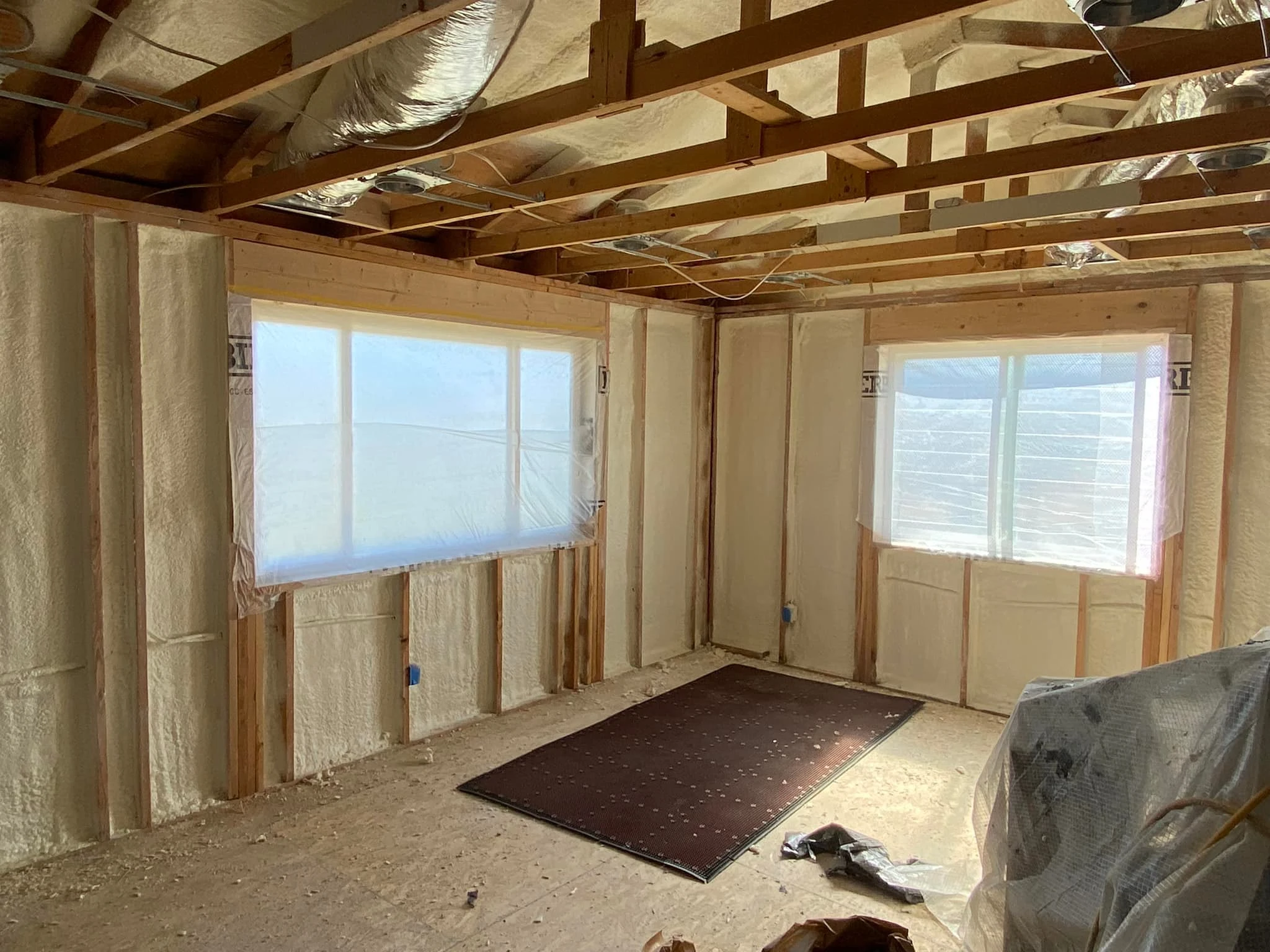
Choosing the right insulation partner in Driggs, ID comes down to asking the right questions before signing any contract. Builders in Teton County face demanding conditions, cold winters, short construction windows, and strict energy code requirements, so the insulation contractor you work with directly impacts your build quality, your schedule, and your reputation. The right partner depends on several factors: their familiarity with Climate Zone 6 requirements, the range of insulation types they install, their track record with local builders, and their willingness to guarantee a RESNET Grade I installation. Below, we break down the exact questions that separate a dependable insulation partner from one that will cost you time, callbacks, and code headaches. Choosing reliable builder insulation support can help avoid those costly mistakes.
Driggs sits at roughly 6,000 feet in elevation in Teton Valley, where winter temperatures regularly drop well below freezing and heating seasons stretch for six months or longer. The city of Driggs has adopted the 2018 International Building Code with Idaho-specific energy amendments, meaning every new build and major renovation must meet or exceed those performance standards. A solid home insulation strategy helps homeowners and builders comply with these requirements while improving long-term efficiency.
In Climate Zone 6, the U.S. Department of Energy specifies R-60 for uninsulated attics, R-49 for attics with 3 to 4 inches of existing insulation, and R-30 for uninsulated floors. Wall assemblies require R-20 cavity insulation plus R-5 continuous insulation, or equivalent combinations. Meeting these numbers is not optional; it is code, and failing to meet them means failed inspections and project delays.
Builders who treat insulation as a line item rather than a strategic partnership are the ones who end up with callbacks, comfort complaints from homeowners, and poor HERS ratings. The insulation contractor you choose should function as a consultative partner, not just a labor provider.
A qualified insulation partner should offer multiple material options and explain when each is appropriate. The Department of Energy’s guide to insulation types outlines the most common options and their ideal applications:
| Insulation Type | Best Application | R-Value Per Inch | Key Advantage |
|---|---|---|---|
| Closed-cell spray foam | Walls, crawlspaces, rim joists | R-6.0 to R-7.0 | Highest R-value per inch; acts as a vapor barrier |
| Open-cell spray foam | Attics, interior wall cavities | R-3.6 to R-3.8 | Lower cost; good sound dampening |
| Fiberglass batts | Standard stud/joist cavities | R-3.0 to R-3.7 | Widely available; suited for standard framing |
| Blown-in cellulose | Existing wall cavities, attic floors | R-3.1 to R-3.8 | Fills irregular spaces; high recycled content |
| Rigid foam board | Exterior sheathing, foundations | R-3.8 to R-6.5 | Reduces thermal bridging when installed continuously |
Builders working in Driggs should be especially cautious about any contractor who only offers one type of insulation. Climate Zone 6 demands different solutions for attics, walls, crawlspaces, and rim joists. A partner who recommends the same product for every application is not providing the level of expertise your projects require.
The Residential Energy Services Network (RESNET) grades insulation installation quality on a three-tier scale. According to the Insulation Institute’s Grade I installation guide, a Grade I installation means the insulation is properly installed with no moderate or substantial defects. Occasional very small gaps are allowed, but voids cannot extend from the interior to the exterior face of a wall cavity. Compression or incomplete fill of 2% or less is acceptable for Grade I.
Grade II allows moderate gaps and up to 2% missing insulation. Grade III installations have substantial gaps and voids exceeding 2%, which is a clear failure. The penalty for a Grade III job versus a Grade I job on a HERS score can range from 1.73 to 6.27 points, depending on climate zone.
Ask any prospective partner how they verify Grade I compliance on every job. Do they use the 25-point inspection checklist? Do they welcome pre-drywall walkthroughs? Their answer tells you everything about their commitment to quality.
Idaho operates under the Idaho Energy Conservation Code, which aligns with the 2021 IECC residential provisions. The DOE’s summary of IECC insulation requirements confirms that Climate Zone 5 and 6 buildings require R-60 ceiling insulation and R-20 plus R-5 continuous insulation for wood-frame walls. Ducts 3 inches and larger located outside conditioned space must carry at least R-8 insulation.
A local partner should know these numbers without looking them up and should proactively discuss code compliance during their initial walkthrough. If they cannot reference the specific R-value requirements for Climate Zone 6, they are not prepared to protect your projects from inspection failures.
This question surprises many builders, but it is one of the most revealing. The Insulation Institute’s contractor selection guide recommends asking how installers are paid. If crews are paid by the square foot covered rather than by the hour, there is a direct financial incentive to rush through the job. Hasty installations lead to gaps, compression, and incomplete fill, which drop the installation grade and reduce thermal performance.
Hourly-compensated crews with quality oversight produce better results. Ask the contractor whether they have a dedicated site supervisor who inspects work before the crew leaves, and whether they document installed R-values with photos and measurements. Following the construction spray foam standard helps ensure installation quality and long-term performance.
The DOE notes that insulation effectiveness depends heavily on proper installation and air sealing. Even the best insulation material will underperform if the building envelope has significant air leaks. Gaps around recessed lights, plumbing penetrations, rim joists, and duct registers are among the most common leak locations.
A qualified insulation partner should include air sealing in their scope of work or, at a minimum, coordinate closely with whoever handles it. Air sealing should happen before insulation is installed, since adding insulation over unsealed penetrations simply covers the problem without fixing it.
| Builder Profile | Recommended Approach | Key Considerations |
|---|---|---|
| Production builders (5+ homes/year) | Partner with one primary insulation contractor for consistency and volume pricing | Establish standard specifications and Grade I inspection protocols across all plans |
| Custom home builders | Work with a partner who offers material flexibility and on-site consultation | Prioritize partners willing to adapt for unique designs, vaulted ceilings, and high-performance envelopes |
| Retrofit and renovation specialists | Choose a partner experienced in blown-in and spray foam applications for existing structures | Confirm they handle insulation removal and replacement for older homes |
| Pole barn and accessory structure builders | Select a partner with pole barn insulation experience and metal building expertise | Ensure they understand condensation control and vapor barrier placement in non-conditioned spaces |
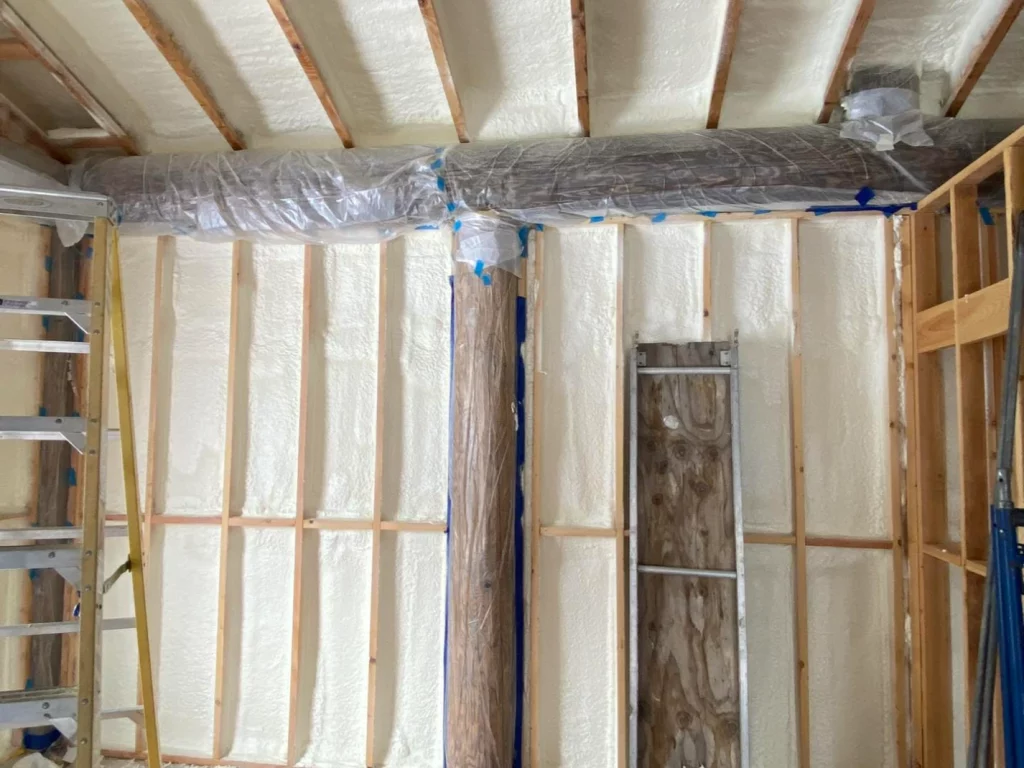
A strong insulation partner demonstrates several qualities that go beyond technical competence:
High Country Solutions brings experienced insulation professionals to every project, whether it is new construction, retrofit work, or pole barn insulation. Our team understands the demands of building in Driggs and works closely with builders to deliver Grade I installations that meet Climate Zone 6 code requirements. From spray foam and attic insulation to complete removal and replacement, we handle the full scope so you can move forward with confidence. Reach out today to discuss your next project.
📞 Request a Quote: (307) 248-9063 | [email protected] Schedule a Project Consultation: Contact us to arrange a walkthrough and material recommendation for your build.
Driggs falls within IECC Climate Zone 6, which requires a minimum R-60 for uninsulated attics and R-49 for attics with existing 3 to 4 inches of insulation, according to the 2021 IECC standards.
Check their insurance coverage, certifications from recognized industry organizations, references from local builders, and whether they follow RESNET Grade I installation standards on every project.
Closed-cell spray foam delivers a higher R-value per inch (R-6.0 to R-7.0) and functions as a vapor barrier, making it better for exterior-facing walls and crawlspaces. Open-cell spray foam (R-3.6 to R-3.8) is more cost-effective for interior cavities where moisture intrusion is less of a concern.
Unsealed gaps allow conditioned air to escape and unconditioned air to enter, which reduces the effective performance of your insulation regardless of the material used or its rated R-value. Air sealing should always precede insulation installation.
Under the FTC’s R-value Rule, your contractor must provide a dated and signed receipt showing coverage area, thickness, R-value, and the number of bags used (for blown-in materials). This documentation also helps with energy code compliance and homeowner warranty records.