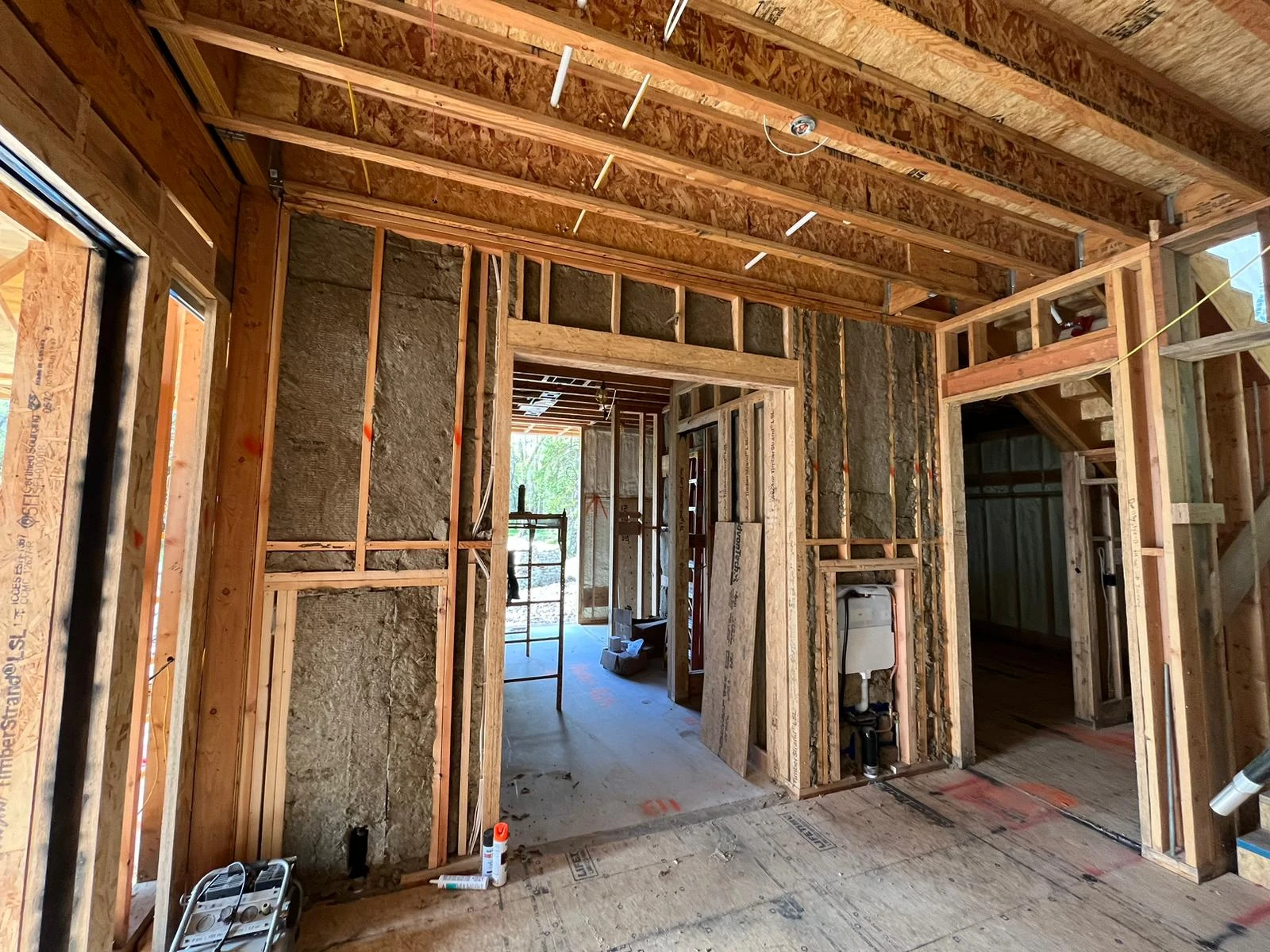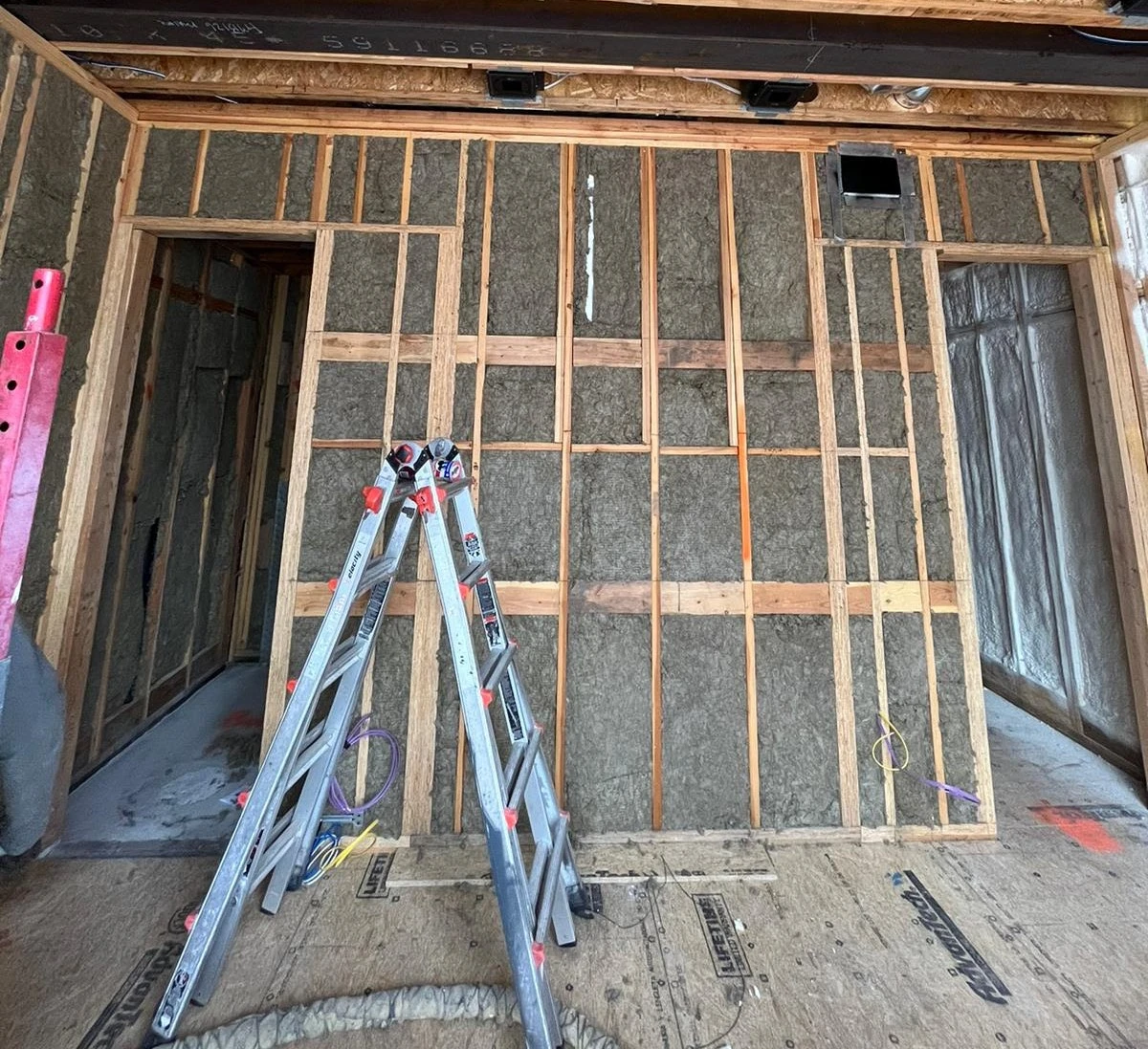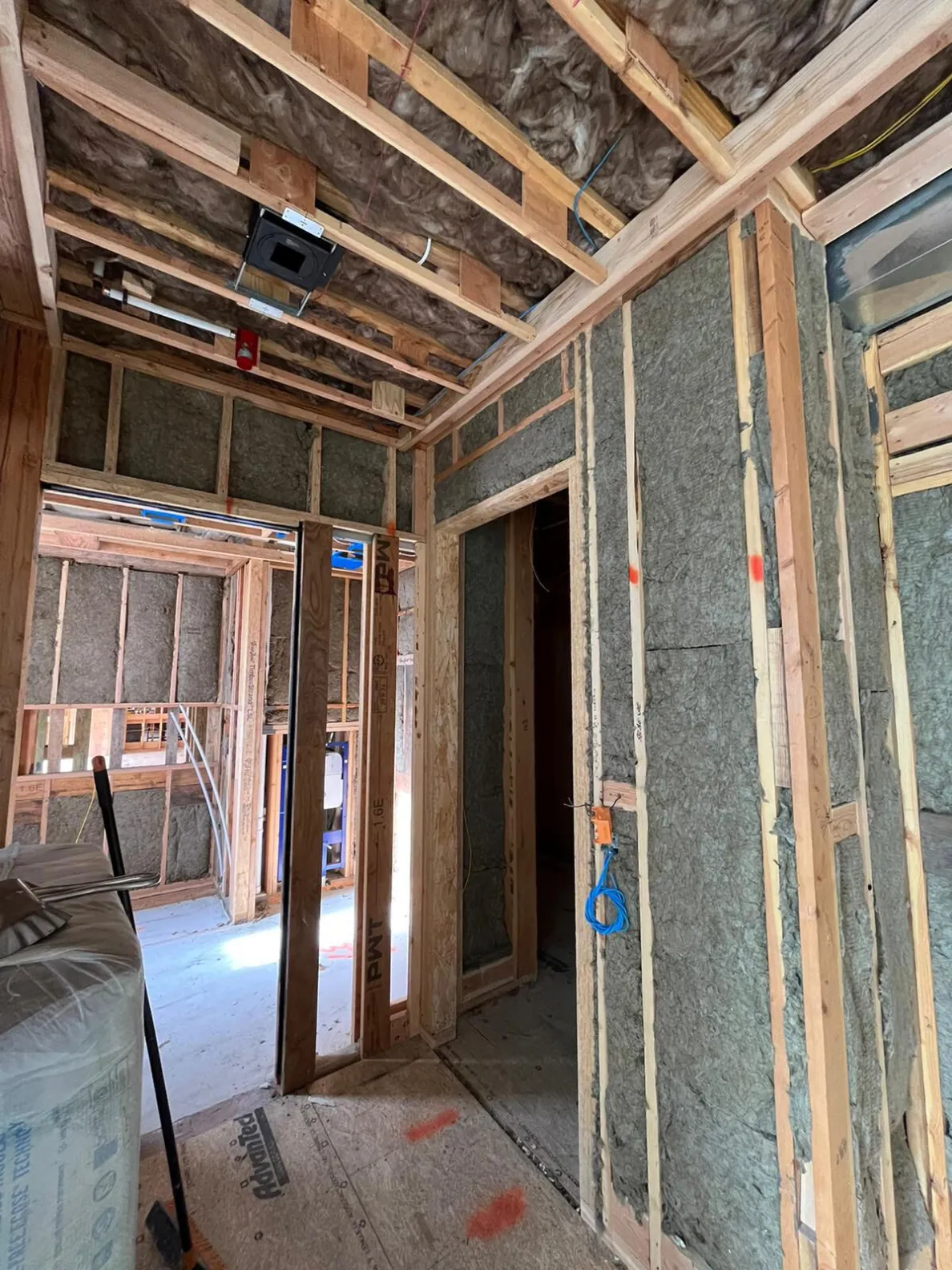
Why Are Homeowners in Thayne, WY Considering Mineral Wool for Insulation Upgrades?
Homeowners in Thayne, WY are turning to a mineral wool insulation guide because Star Valley winters push heating systems to their…


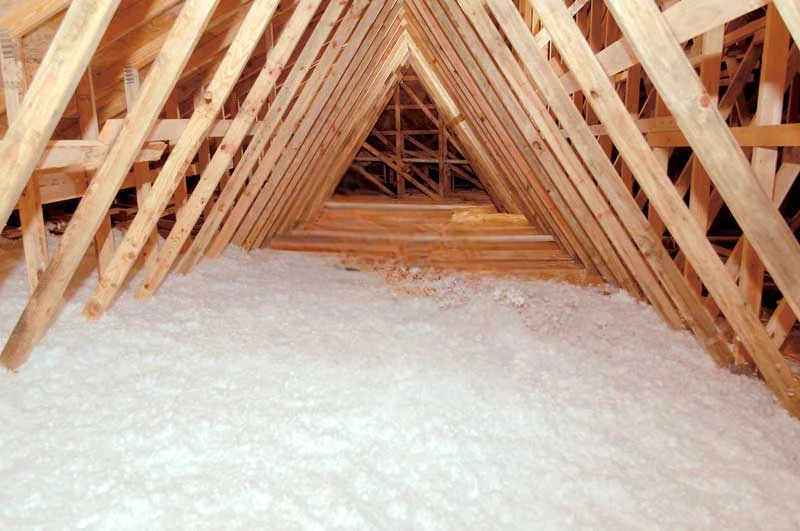
Blown-in insulation in Iona, ID homes typically lasts between 20 and 30 years, though the actual lifespan depends heavily on the material type, installation quality, and local climate conditions. In Bonneville County’s cold winters and dry conditions, your insulation faces temperature swings, wind-driven snow, and seasonal moisture that all factor into how long it stays effective. The three common blown-in materials, fiberglass, cellulose, and mineral wool, each behave differently over time, and understanding those differences helps you make informed decisions about maintaining or replacing what’s in your attic and walls, as explained in this blown-in insulation guide.
Not all blown-in insulation ages the same way. The material itself is the single biggest factor in longevity. Here is how the three main options compare:
| Material | Typical Lifespan | R-Value per Inch | Settling Tendency | Best Application |
|---|---|---|---|---|
| Fiberglass | 30 to 50+ years | R-2.2 to R-3.8 | Moderate | Attics, open wall cavities |
| Cellulose | 20 to 30 years | R-3.1 to R-3.8 | Higher | Attics, dense-pack walls |
| Mineral Wool | 30 to 80+ years | R-3.3 to R-4.2 | Low | Attics, walls, fire-rated areas |
Fiberglass is the most widely installed blown-in material and, when kept dry and undisturbed, can perform effectively for decades. Research sponsored by the North American Insulation Manufacturers Association (NAIMA) evaluated fiberglass batt samples taken from homes that were 30 to 40 years old and found they still performed at an average of 95.5% of their labeled R-value.
Cellulose, made from recycled paper and treated with borate for fire resistance, is denser than fiberglass but more prone to settling over time. The U.S. Department of Energy notes that cellulose insulation, when installed at proper densities, resists settling in building cavities. However, in open attic applications where it is not confined, settling can reduce the effective R-value by creating thin spots near the eaves and low areas.
Mineral wool, made from basalt or slag, is the most durable option. It does not degrade from moisture exposure the way cellulose can, and it naturally resists mold, pests, and fire without added chemical treatments. Its longevity makes it a strong option for Iona homeowners planning to stay in their homes long-term.
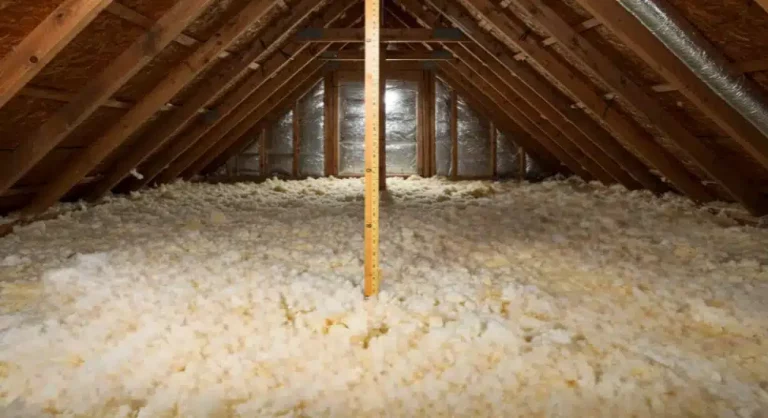
One of the most frequently cited concerns about blown-in fiberglass is a study from the early 1990s conducted by Oak Ridge National Laboratory. That research found that loose-fill fiberglass lost 35% to 50% of its thermal resistance under extreme temperature differences, a problem attributed to natural convection within the insulation layer.
However, the Energy Vanguard analysis of this study explains that the fiberglass products used in that testing had large, bonded chunks that left air voids, allowing convective loops to form. Modern manufacturers changed their production methods to use smaller, unbonded fibers that nest together tightly. Subsequent manufacturer testing showed that current loose-fill fiberglass maintains or even exceeds its labeled R-value at temperatures well below zero. The original ORNL research paper remains an important reference, but it reflects a product generation that has since been improved.
The practical takeaway for Iona homeowners: if your blown-in fiberglass was installed within the past 15 to 20 years, convection-related R-value loss is unlikely to be a concern. Older installations may warrant an inspection to verify depth and coverage.
Iona is located in Bonneville County, which falls within IECC Climate Zone 6 according to Idaho’s energy conservation code. Zone 6 represents a cold climate where winter heating loads dominate home energy use. For new construction or significant renovations, the code requires:
The DOE’s Climate Zone recommendations go further, suggesting R-60 for uninsulated attics in Zone 6. This is relevant because even if your blown-in insulation has not technically “expired,” it may have settled below the depth needed to meet these targets. An R-49 installation that settles by two to three inches over 20 years could easily drop to R-38 or below, leaving your home under-insulated by current standards.
Several factors can cut the effective life of your insulation well short of its material limits:
You do not need to wait 30 years to act on insulation problems. Watch for these indicators:
Simple maintenance steps can add years to the functional performance of your existing blown-in insulation:
For homeowners with insulation that has settled below code requirements, a top-off layer of new blown-in material is often a practical solution rather than full removal and replacement. Adding cellulose over existing fiberglass, for instance, is a well-established practice that can restore full R-value coverage, as explained in this guide on how blown-in insulation works in homes.
| Home Age in Iona | Likely Insulation Condition | Recommended Action |
|---|---|---|
| 0 to 15 years | Insulation is likely at or near the rated R-value | Inspect ventilation and air sealing |
| 15 to 25 years | Possible settling, minor compression | Professional assessment for top-off needs |
| 25 to 40 years | Noticeable settling, possible moisture or pest damage | Full inspection, likely top-off or replacement |
| 40+ years | May contain outdated materials, significant degradation | Full evaluation and probable replacement |
Choosing who installs or evaluates your blown-in insulation matters as much as the material itself. A qualified contractor will provide a clear written assessment of your current insulation depth and R-value, explain whether a top-off or full replacement makes more sense for your situation, and verify that your attic ventilation and air sealing are adequate before adding material. They should also provide an insulation certificate documenting the installed thickness, settled R-value, density, and bag count, as required by the Idaho Energy Conservation Code for blown-in fiberglass and cellulose installations, which is why working with an experienced spray foam contractor in Iona, ID, is important.
High Country Solutions helps Iona homeowners evaluate, maintain, and upgrade their blown-in insulation to meet the demands of southeast Idaho’s cold climate. Our team provides honest assessments of your current insulation condition and recommends solutions tailored to your home’s age, construction type, and energy goals. Whether you need a top-off over settled insulation, a full replacement, or guidance on improving attic ventilation alongside your insulation project, we are ready to help.
Request a Quote | Schedule an Insulation Assessment
Call us at (307) 248-9063 or email [email protected] to get started.
Yes, in most cases, a new layer of blown-in material can be added over existing insulation to restore R-value, provided the existing layer is dry, undamaged, and free of mold or pest contamination.
Modern fiberglass and mineral wool retain their thermal resistance for decades when properly installed. The R-value concern is primarily about settling, which reduces thickness, not the material itself losing insulating properties.
We recommend inspecting your attic insulation every five to seven years, and immediately if you notice ice dams, rising heating costs, or uneven indoor temperatures.
Iona is in IECC Climate Zone 6, which requires a minimum of R-49 for ceiling and attic insulation under Idaho’s energy code.
Both perform well when properly installed. Fiberglass tends to last longer with less settling, while cellulose offers higher density and better sound dampening. The best choice depends on your home’s specific conditions and your priorities.