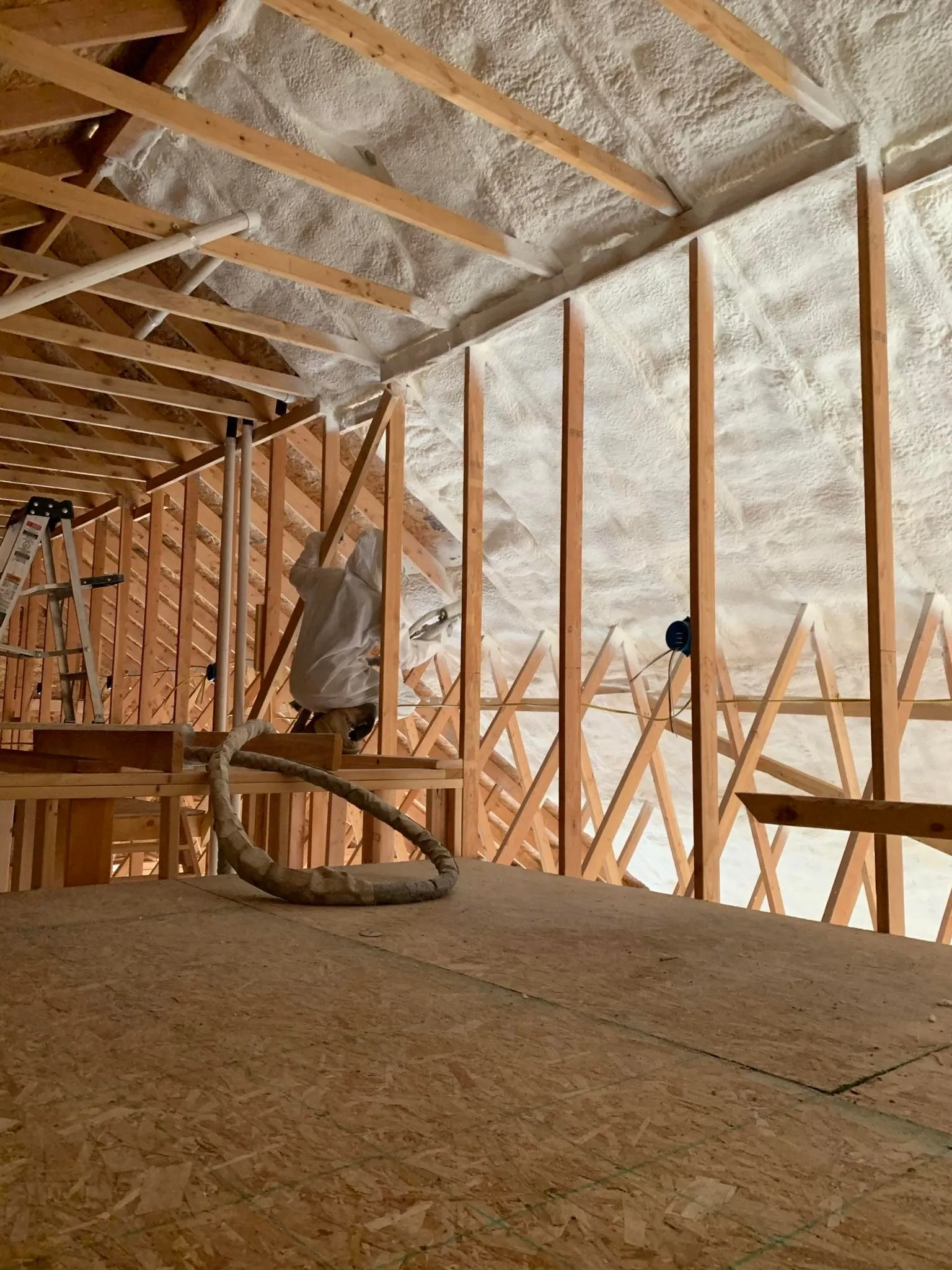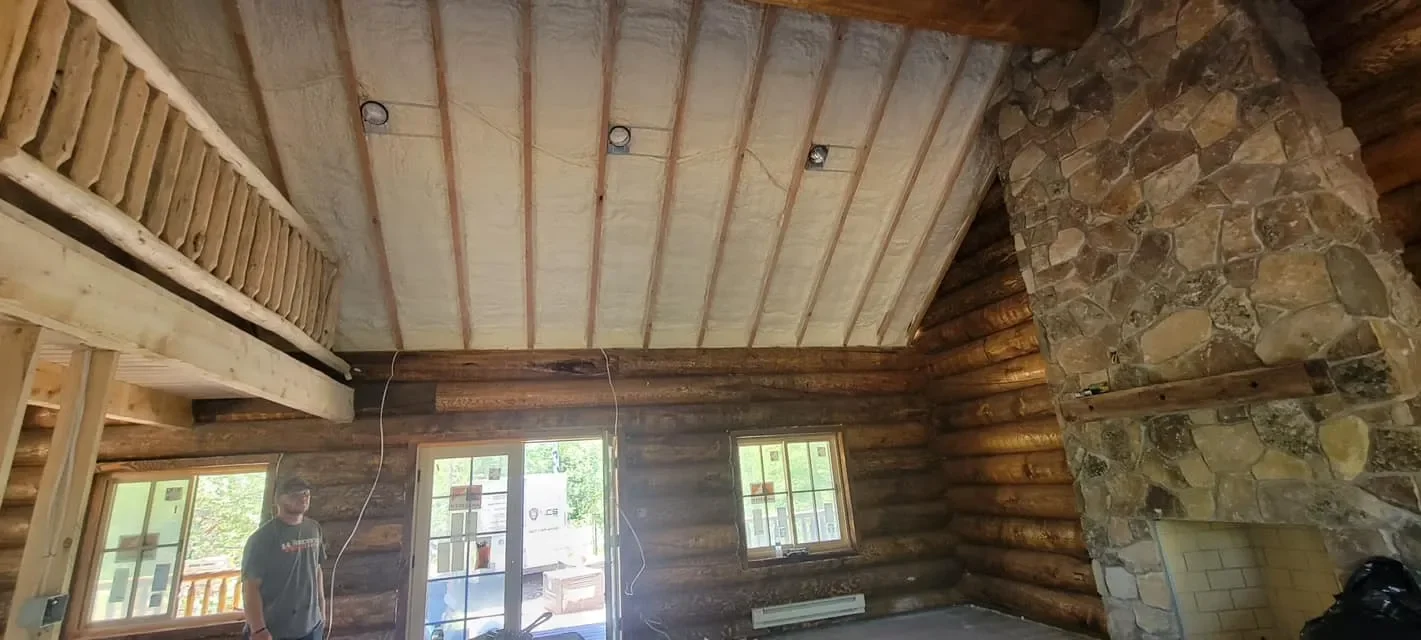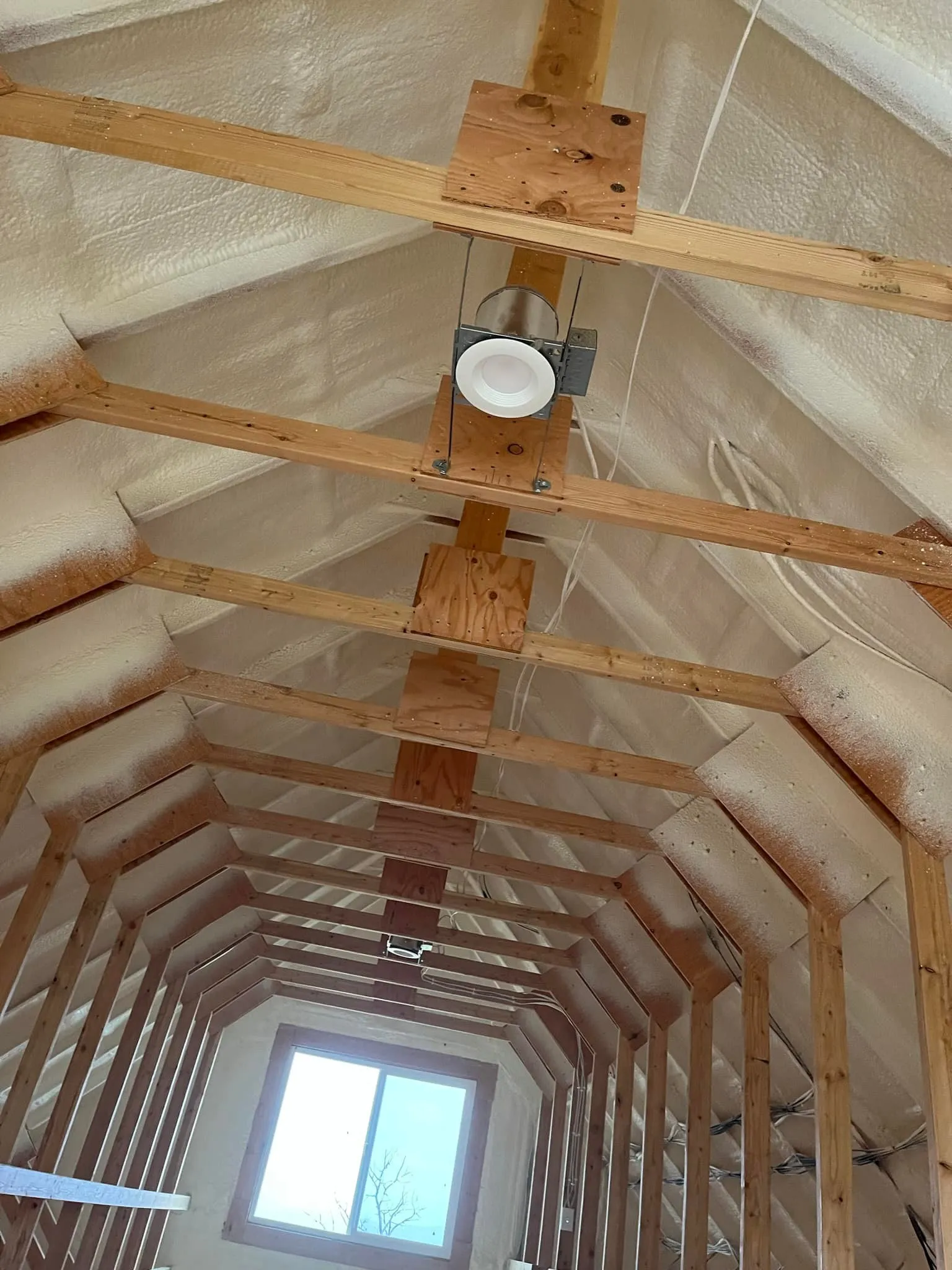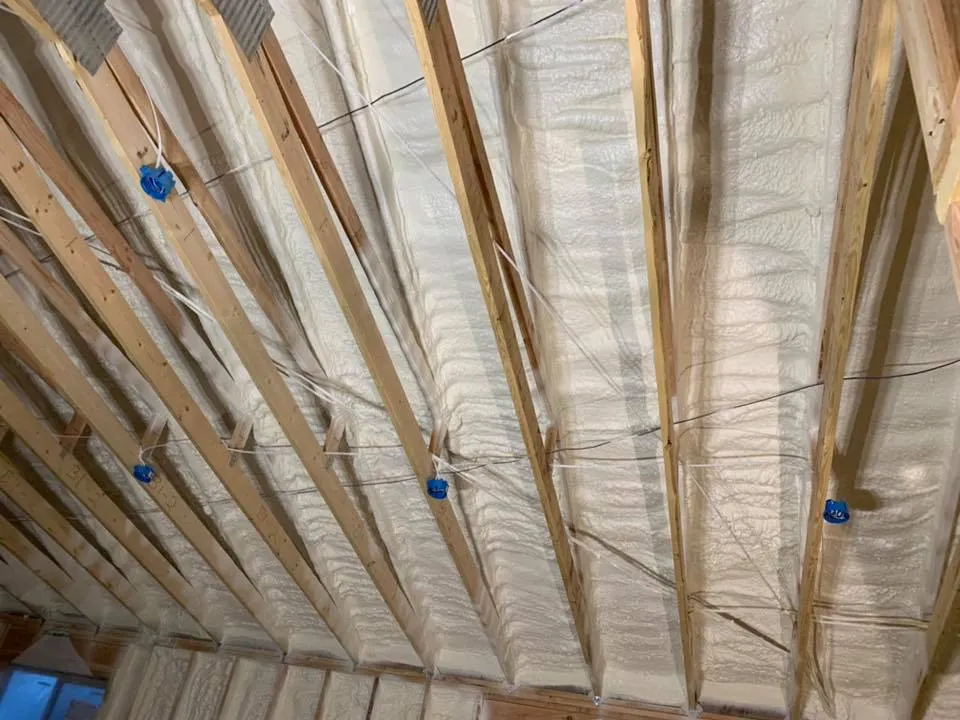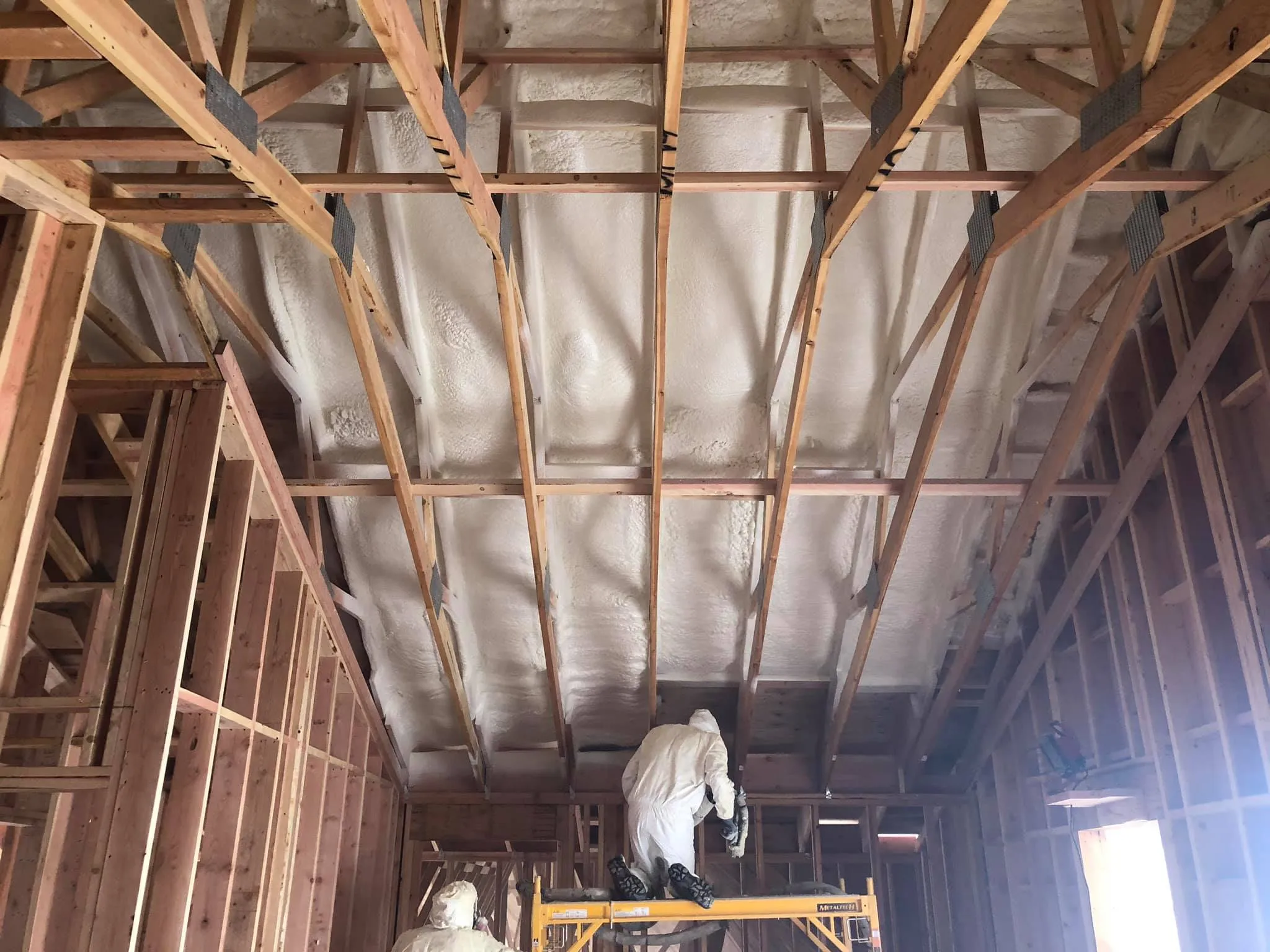
Insulation does more than keep your home warm in winter or cool in summer. It acts as a barrier that stops heat from escaping or entering where you don’t want…
If you’re looking to make your home more comfortable year-round while cutting down on energy bills, insulation plays a big role. Many homeowners face drafts, uneven temperatures, and rising utility…
If you’re a homeowner looking to make your house more energy-efficient, comfortable, or even protected from the elements, closed-cell spray foam insulation might catch your eye. It seals air leaks,…
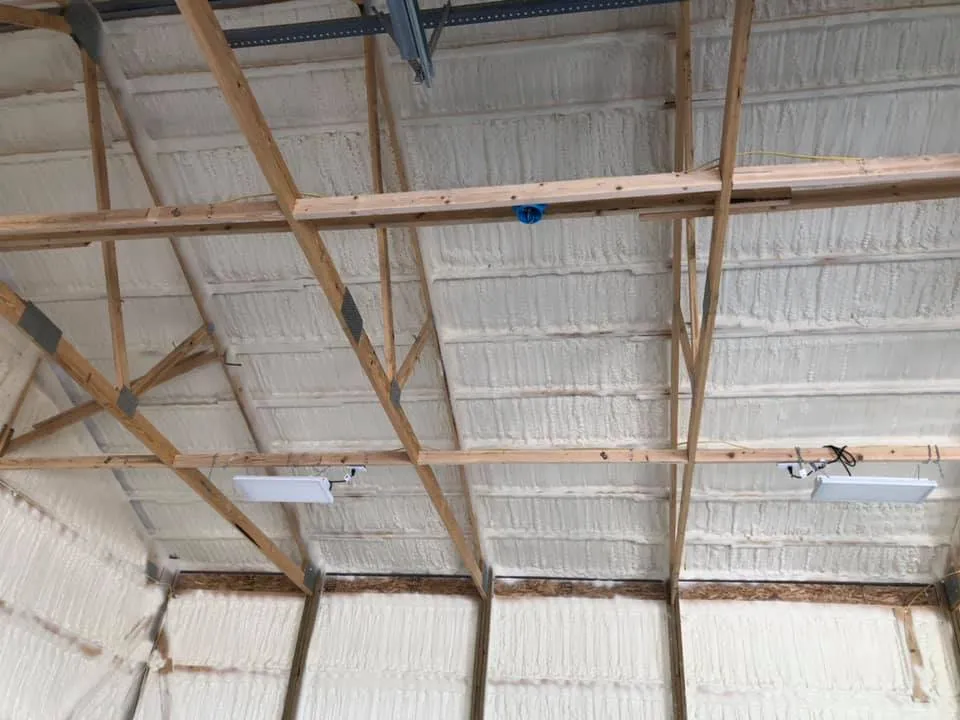
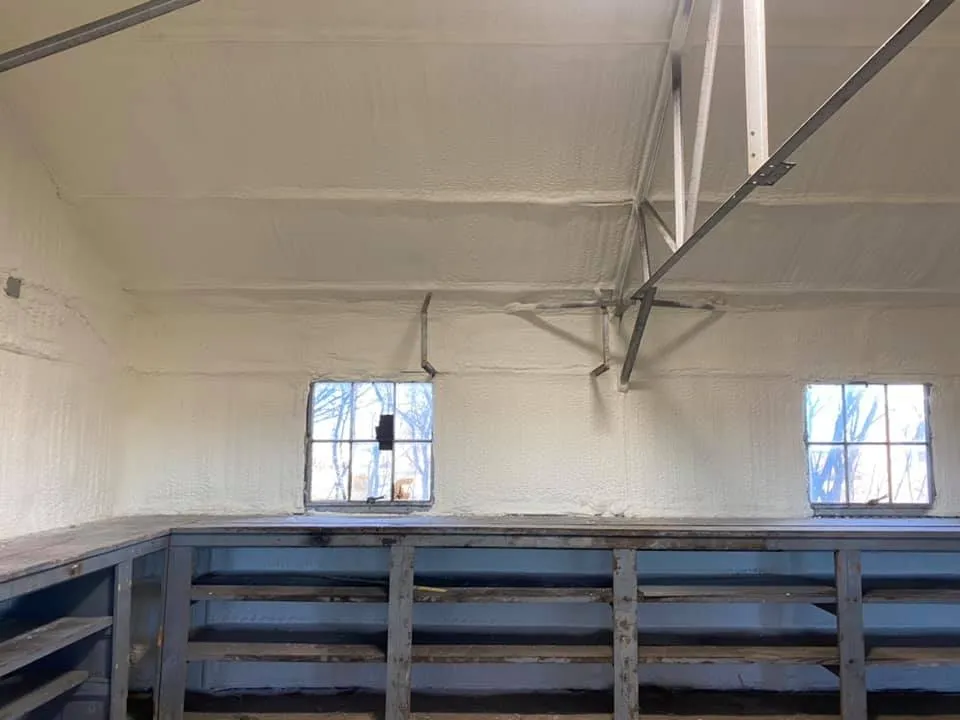
Agricultural insulation determines how well a barn, grain bin, or livestock building holds a stable environment through freezing winters and humid summers. Spray foam insulation for agricultural buildings creates a…
Barns face some of the widest temperature swings of any structure on a property, and that fluctuation puts direct pressure on animal comfort, feed quality, and energy costs. Spray foam…
Spray foam insulation stabilizes temperature and moisture levels in crop storage facilities, preventing spoilage and maintaining product quality across all seasons. The insulation creates a continuous barrier that reduces heat…
Spray foam insulation can help reduce allergens by creating an airtight seal that blocks the infiltration of dust, pollen, and other airborne particles from entering the home through cracks, gaps,…
Spray foam offers more than insulation value. Beyond its thermal resistance, it improves structural integrity, reduces moisture intrusion, and enhances indoor air quality by sealing gaps and cracks. These benefits…
When deciding between spray foam and fiberglass insulation, the main difference comes down to performance in air sealing and thermal resistance. Spray foam—both open-cell and closed-cell forms an air barrier…