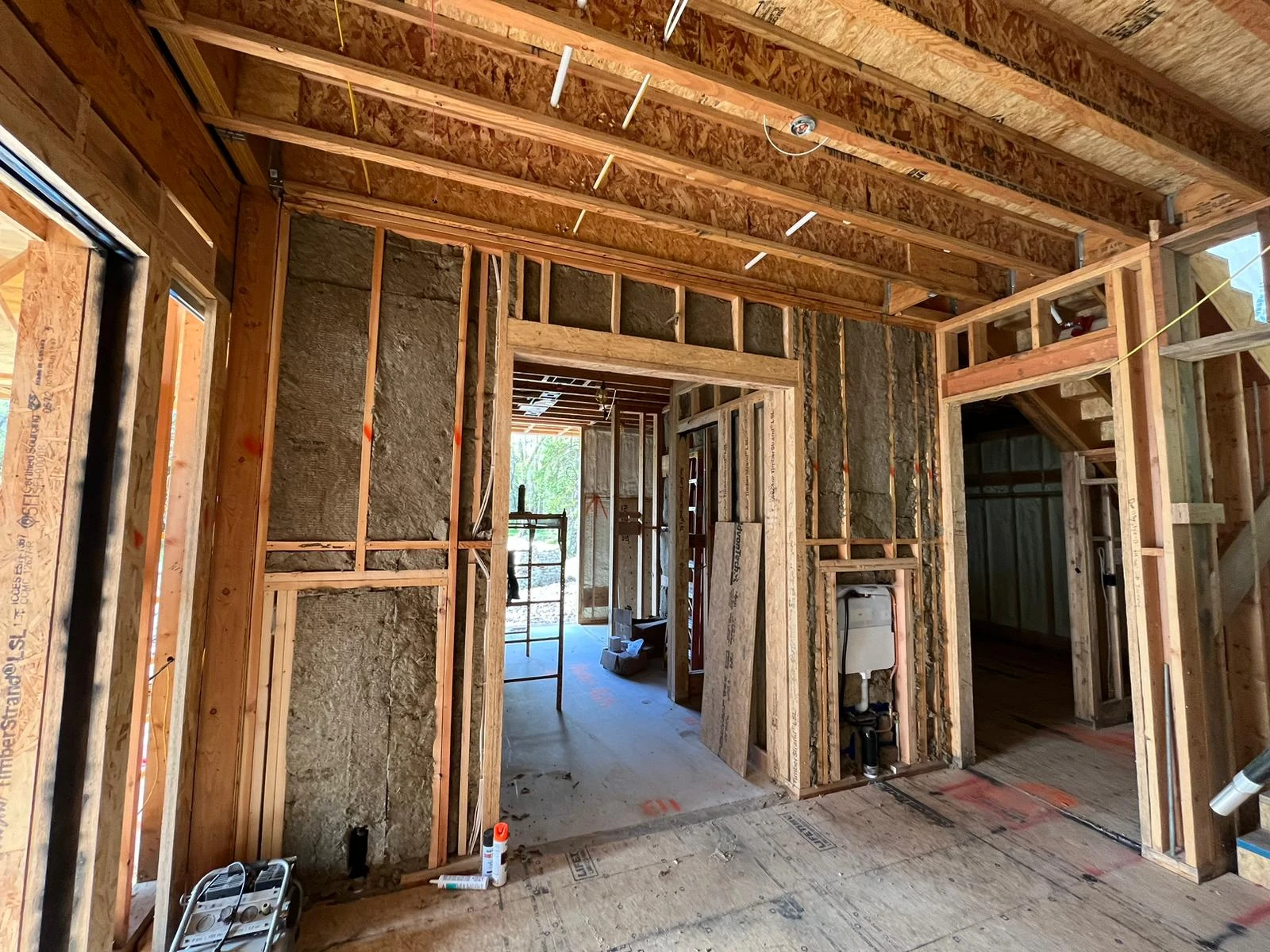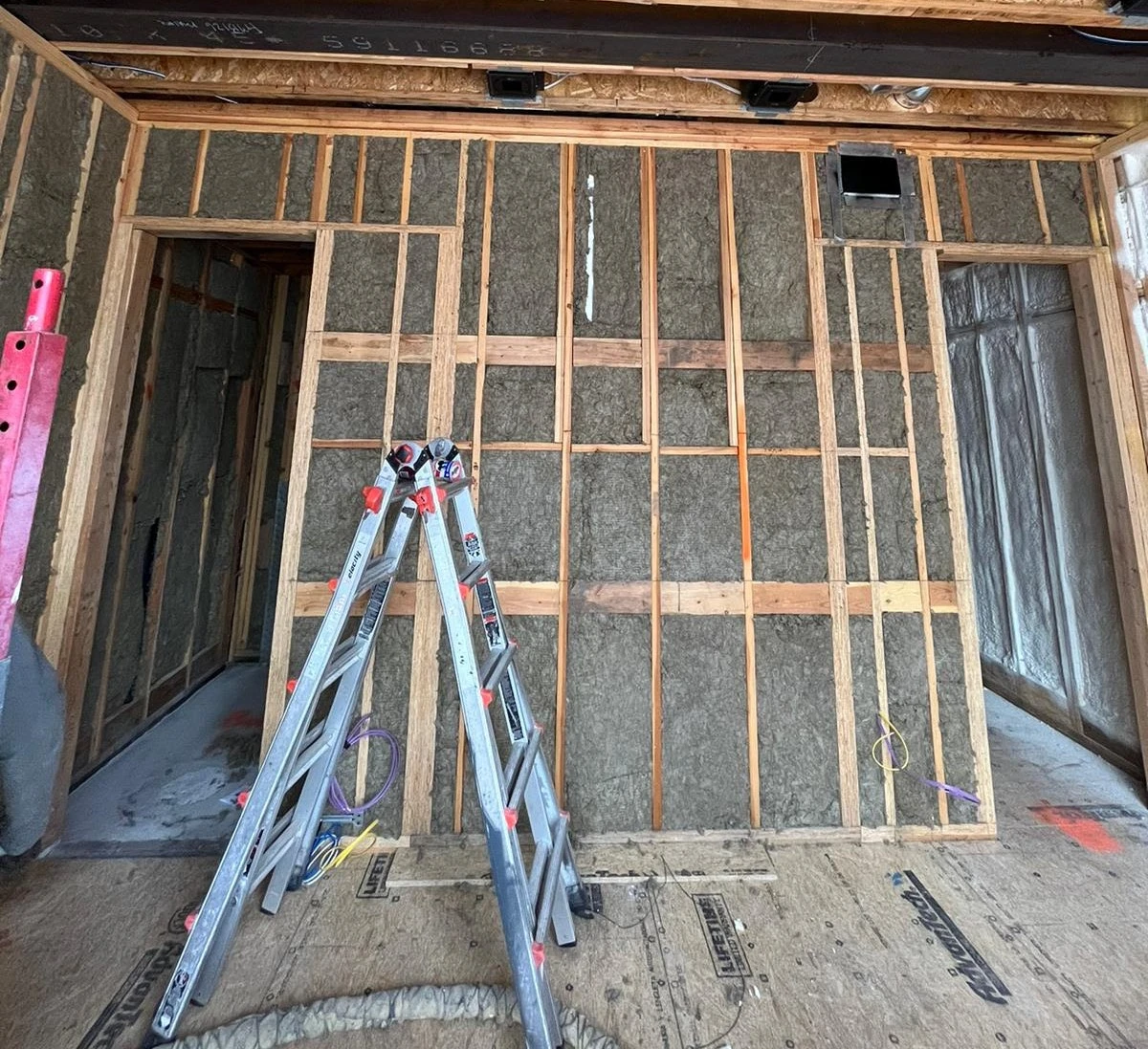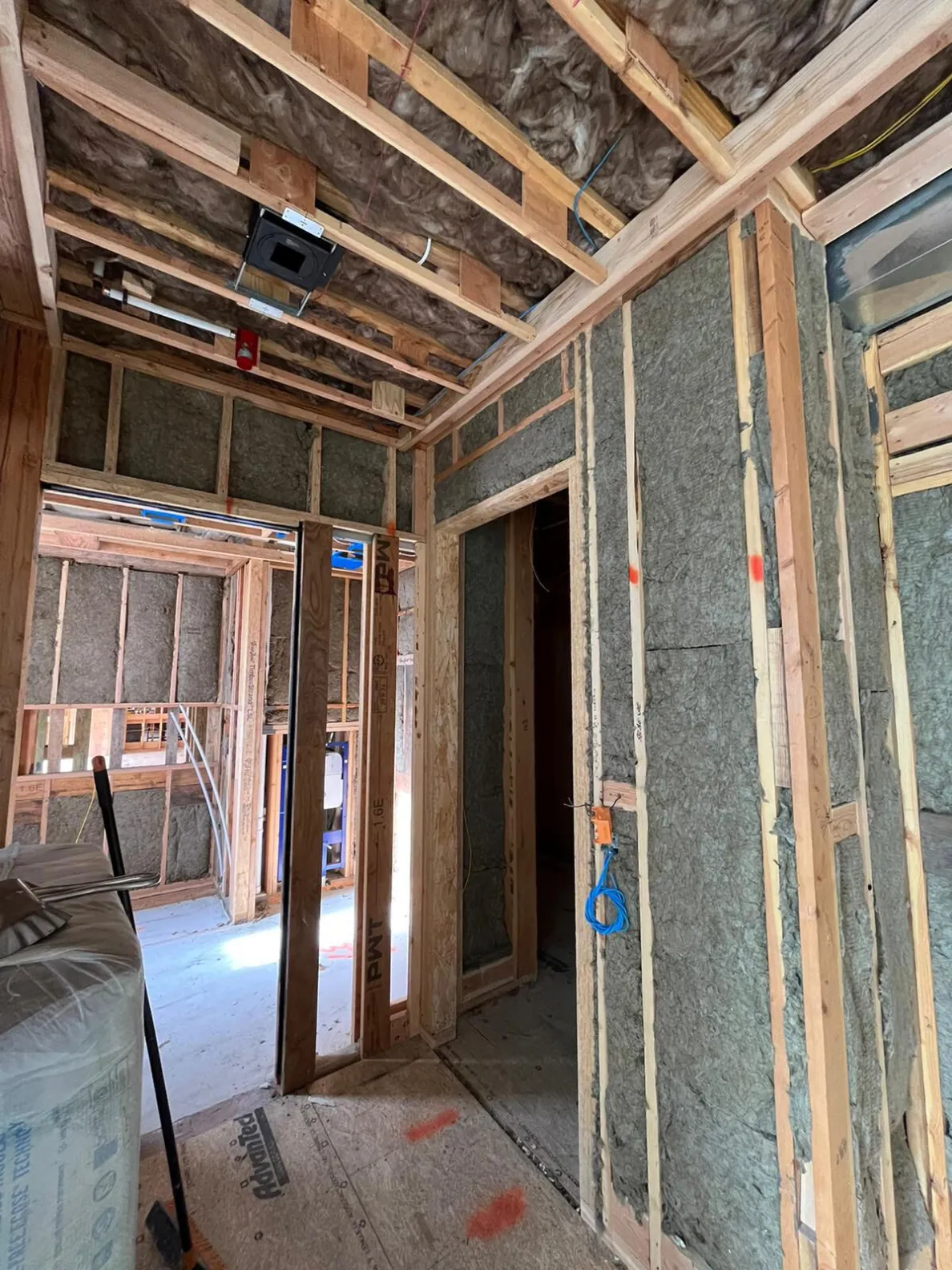
Why Are Homeowners in Thayne, WY Considering Mineral Wool for Insulation Upgrades?
Homeowners in Thayne, WY are turning to a mineral wool insulation guide because Star Valley winters push heating systems to their…


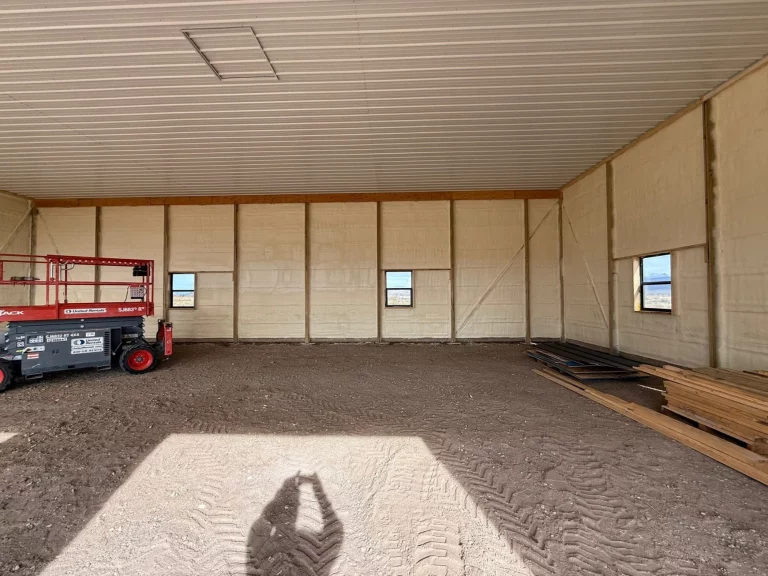
Choosing the right spray foam insulation for a home in Driggs means accounting for some of the harshest winter conditions in the lower 48. With average winter lows dipping to roughly 9 degrees Fahrenheit and temperatures that can plunge below 10, Teton County demands insulation that performs under serious thermal stress. The two main spray foam categories, open-cell and closed-cell, each serve distinct purposes in residential construction, and the right pick depends on where in the home the insulation is being installed, the budget available, and whether moisture control is a priority. Driggs falls within IECC Climate Zone 6, which requires minimum R-49 ceiling insulation, R-20 or greater wall assemblies, and R-30 floor insulation to meet code. Spray foam can meet and exceed all of these benchmarks, but only when the correct type is matched to the application.
Not all spray foam insulation is built the same. The distinction between open-cell and closed-cell comes down to the structure of the foam cells themselves and the resulting performance characteristics.
Open-cell spray foam (low-density) has tiny cells that are left open, giving the material a softer, spongy texture. It expands significantly during application, filling cavities thoroughly. According to the Spray Polyurethane Foam Alliance, low-density foam delivers an R-value starting at approximately 3.6 per inch. Its strength lies in air sealing and sound dampening, not moisture resistance.
Closed-cell spray foam (medium-density) features cells that are completely closed and filled with a gas that aids expansion. This creates a denser, rigid material with an R-value starting at roughly 5.7 per inch. Beyond thermal resistance, closed-cell foam acts as a Class II vapor retarder, resists water absorption, and adds structural rigidity to the assemblies it contacts.
| Property | Open-Cell (Low Density) | Closed-Cell (Medium Density) |
|---|---|---|
| R-Value per Inch | ~3.6 | ~5.7 or higher |
| Air Barrier | Yes | Yes |
| Vapor Retarder | Class II | Class II |
| Moisture Resistance | Low, absorbs water | High, resists water |
| Expansion Rate | High | Moderate |
| Density | Low (0.4-1.6 lbs/cu ft) | Higher |
| Sound Dampening | Excellent | Good |
| Structural Reinforcement | No | Yes |
| Best Application Areas | Attics, interior walls, floor cavities | Exterior walls, basements, crawlspaces |
Driggs experiences roughly 261 days per year with temperatures below 50 degrees Fahrenheit, and prolonged sub-freezing stretches are the norm from November through March. Homes in this climate lose heat through air leakage and conduction at far higher rates than structures in milder regions. The U.S. Department of Energy notes that foam insulation offers higher R-values per inch than most traditional materials and forms an air barrier simultaneously, eliminating the need for separate caulking, housewrap, and vapor barrier installation in many cases.
In Climate Zone 6, meeting the R-49 ceiling requirement with open-cell foam alone would require roughly 13 to 14 inches of depth, which may not be practical in every attic configuration. Closed-cell foam, delivering R-5.7 per inch, achieves the same target in about 8.5 inches. This space efficiency matters in older Driggs homes with shallow roof pitches or where homeowners want to convert attic space into conditioned living areas.
The DOE also emphasizes that insulating from the roof down to the foundation is essential for optimal energy efficiency, and spray foam is particularly effective for hard-to-reach areas such as rim joists, crawlspaces, and basement walls where traditional batts are difficult to fit properly.
The most effective insulation strategy uses each foam type where its strengths matter most.
Closed-cell spray foam is the clear choice for exterior wall cavities and rim joists in Driggs homes. Its higher R-value per inch maximizes thermal resistance within standard 2×4 or 2×6 framing depths. The Class II vapor retarder capability helps prevent condensation from forming inside wall assemblies when warm indoor air meets cold exterior surfaces during winter. In rim joist areas where air leakage is most severe, closed-cell foam seals both the thermal boundary and the air barrier in a single application.
Attic insulation strategy depends on whether the attic is vented or unvented. For a vented attic, open-cell foam applied to the attic floor at sufficient depth to reach R-49 provides thorough air sealing and sound control at a lower material cost. For unvented or conditioned attic assemblies, where insulation is applied directly to the roof deck, closed-cell foam is often preferred because of its moisture resistance and higher R-value per inch in the limited rafter bay depth.
Below-grade applications demand closed-cell foam. Basements and crawlspaces in Teton Valley are exposed to ground moisture and freeze-thaw cycles that make water absorption a serious concern. Open-cell foam can wick and hold water, which degrades its insulating properties and can promote mold growth. Closed-cell foam resists moisture intrusion, seals foundation wall cracks, and helps keep the crawlspace or basement dry as part of an encapsulation system, which is discussed in long-term spray foam benefits.
Open-cell foam shines in interior applications where sound dampening is a priority. Home offices, media rooms, and bedrooms separating living spaces from mechanical rooms benefit from open-cell foam’s acoustic properties. The high expansion rate ensures complete cavity fill around wiring, plumbing, and electrical boxes.
| Home Type / Project | Recommended Primary Foam Type | Secondary Foam Type | Rationale |
|---|---|---|---|
| New construction, full build | Closed-cell (walls, foundation) | Open-cell (attic floor, interior partitions) | Maximizes code compliance in limited framing depths, controls moisture |
| Existing home retrofit | Closed-cell (rim joists, basement) | Open-cell (attic top-up, walls via injection) | Targets the highest-loss areas first, minimizes disruption |
| Attic conversion to living space | Closed-cell (roof deck) | Open-cell (knee walls, partition walls) | Provides a moisture barrier at the roof line, sound control at partitions |
| Crawlspace encapsulation | Closed-cell (walls, band joist) | None needed | Moisture resistance is essential; a single material handles the job |
| Budget-conscious upgrade | Open-cell (attic, accessible cavities) | Closed-cell (rim joists only) | Prioritizes the largest surface area first, saves closed-cell for critical zones |
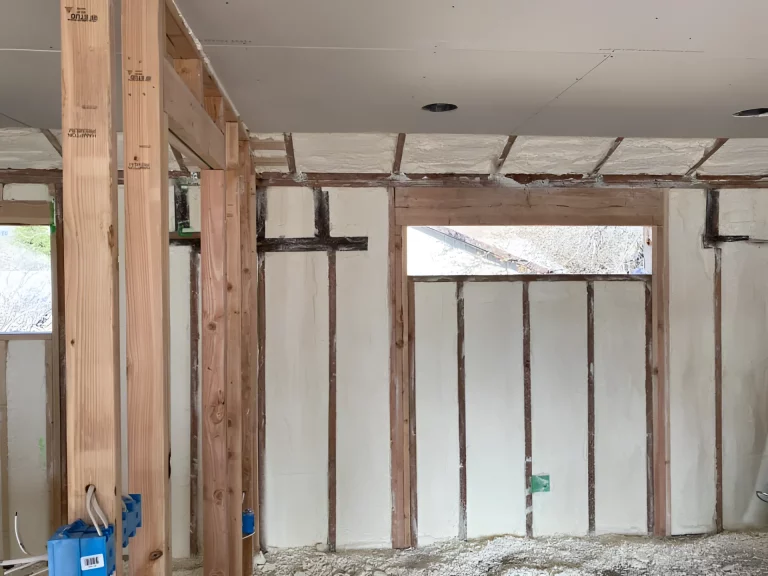
Spray foam insulation installation involves chemical reactions during application that require professional handling. The EPA has identified that inhalation exposures during spray polyurethane foam application typically exceed OSHA occupational exposure limits, requiring workers to wear appropriate skin, eye, and respiratory protection.
For homeowners, the primary concern is proper curing and re-occupancy timing. Curing rates depend on the foam type, product formulation, application thickness, temperature, and humidity. Manufacturers generally recommend 24 hours or more for two-component professional systems before residents can safely re-enter the home. In Driggs, where cold temperatures can slow curing reactions, installation timing during warmer months or in temperature-controlled conditions becomes an important planning factor.
Once fully cured, spray foam is considered relatively inert and stable. However, the EPA notes that future maintenance work involving heat, grinding, or cutting on cured foam can release hazardous chemicals, so any renovation or mechanical work near spray foam should be performed by professionals aware of these risks.
Working with a qualified professional makes the difference between a high-performing insulation system and a costly problem. Look for these indicators:
Choosing the right spray foam insulation for a home in Driggs, ID comes down to matching the correct product to each area of your building envelope. High Country Solutions helps homeowners throughout the Teton Valley evaluate their insulation needs, select the right foam type for every application, and ensure professional installation that meets Climate Zone 6 code requirements and keeps your family safe.
Request a Quote | Schedule an Insulation Assessment
Reach our team at (307) 248-9063 or email [email protected] to get started.
It can be installed in cold weather, but low temperatures slow curing times and may affect foam expansion and adhesion. Our team monitors conditions closely and adjusts application methods to ensure proper results in cold climates.
Closed-cell spray foam acts as a Class II vapor retarder and typically satisfies vapor barrier requirements on its own in most wall and ceiling assemblies. Open-cell foam provides less moisture resistance and may still require a separate vapor retarder depending on the application.
According to the EPA, re-occupancy times for two-component professional systems typically range from 24 to 72 hours, depending on product type, thickness, and environmental conditions. We follow manufacturer-specific guidance for every installation.
Open-cell foam is not recommended for crawlspaces or below-grade applications because it can absorb moisture. Closed-cell foam is the appropriate choice for crawlspace walls and rim joists where moisture resistance is essential.
Slow-curing injection foam can be installed into existing wall cavities through small holes drilled in the drywall, though this method is best suited to open-cell formulations. A thorough assessment of your wall assembly is needed to determine feasibility.