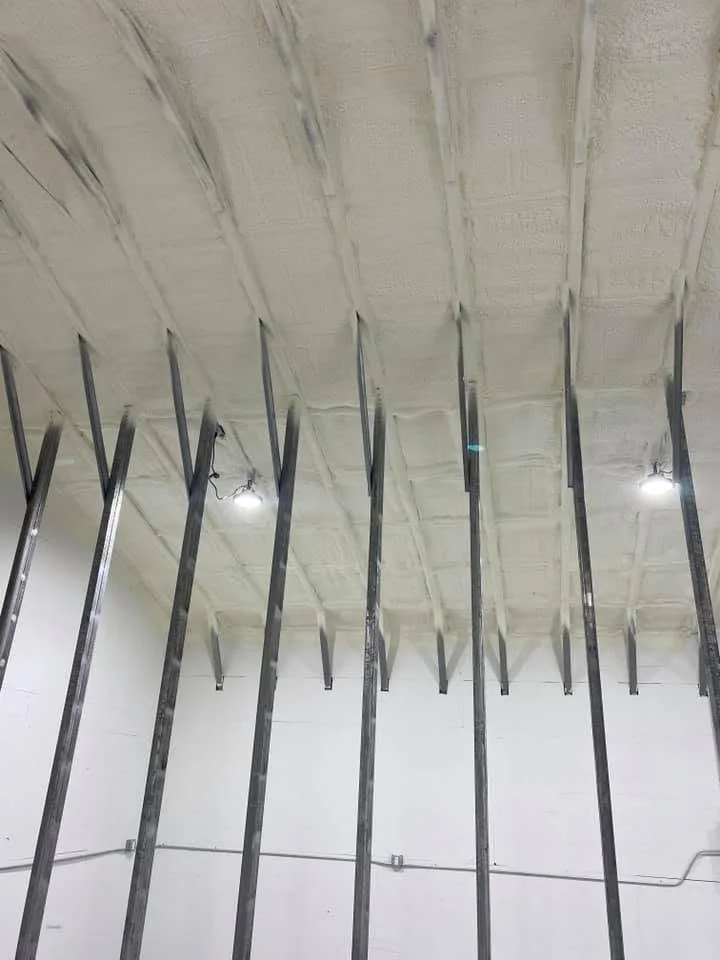
Closed-Cell Spray Foam Applications and R-Value Guide
Skeeter Aimone
October 22nd, 2025
Closed-cell spray polyurethane foam (SPF) is a high-performance insulation material designed for thermal protection, air sealing, and added structural strength. Its closed-cell spray foam R-value of about R-6.0 to R-7.0 per inch makes it one of the most efficient insulation options available. The closed-cell structure also helps resist moisture and strengthen the building envelope. If you’re comparing R-value insulation options, it’s important to understand how closed-cell foam performs in different areas of a home or commercial building. This guide explains its performance, compares it with other insulation types, and highlights key factors to consider before installation. For expert recommendations, explore our closed-cell foam insulation services.
TL;DR
Closed-cell spray foam delivers an R-value of roughly R-6.0 to R-7.0 per inch, among the highest of any common insulation material.
It works as insulation, an air barrier, a vapor retarder, and a structural reinforcement in one application.
Exterior walls, roof decks, basements, metal buildings, and agricultural structures all benefit from its high R-value insulation performance.
An insulation R-value chart helps compare closed-cell foam against open-cell foam and other materials before you choose.
Local climate zone and building code requirements determine the R-value you actually need, not just the material’s rating.
Professional installation is required to reach the foam’s full rated performance.
Core Functions of Closed-Cell Foam
Before looking at specific applications, it helps to understand the properties driving demand for closed-cell foam. Its performance rests on four functions:
Thermal Resistance: Closed-cell foam offers an R-value per inch between R-6.0 and R-7.0, making it one of the most space-efficient insulators on the market.
Vapor Retarder: Its sealed cell structure has a low permeance rating, resisting water vapor and helping prevent the rot or mold that comes with trapped moisture.
Structural Strength: Once cured, the foam becomes rigid and adds meaningful racking strength to wall assemblies and roof decks.
Closed-Cell Spray Foam R-Value by Application
Different parts of a building call for different R-value targets, and comparing them side by side makes planning easier. The table below breaks down typical R-value insulation performance by common application.
Application
Typical R-Value Needed
Why Closed-Cell Foam Fits
Exterior walls
R-13 to R-21
High R-value per inch means thinner cavities still meet code
Attics and roof decks
R-38 to R-49
Higher attic insulation R-value targets are easier to hit without losing headroom
Basements and crawl spaces
R-10 to R-15
Moisture resistance protects the R-value over time
Metal buildings
R-13 to R-30
Adheres directly to panels, limiting thermal bridging
Actual code minimums vary by climate zone, which is why checking local requirements before installation matters more than chasing a single number.
Residential Building Applications
In homes, closed-cell foam runs from the foundation to the roofline to create a well-insulated, tightly sealed building envelope.
Exterior Walls
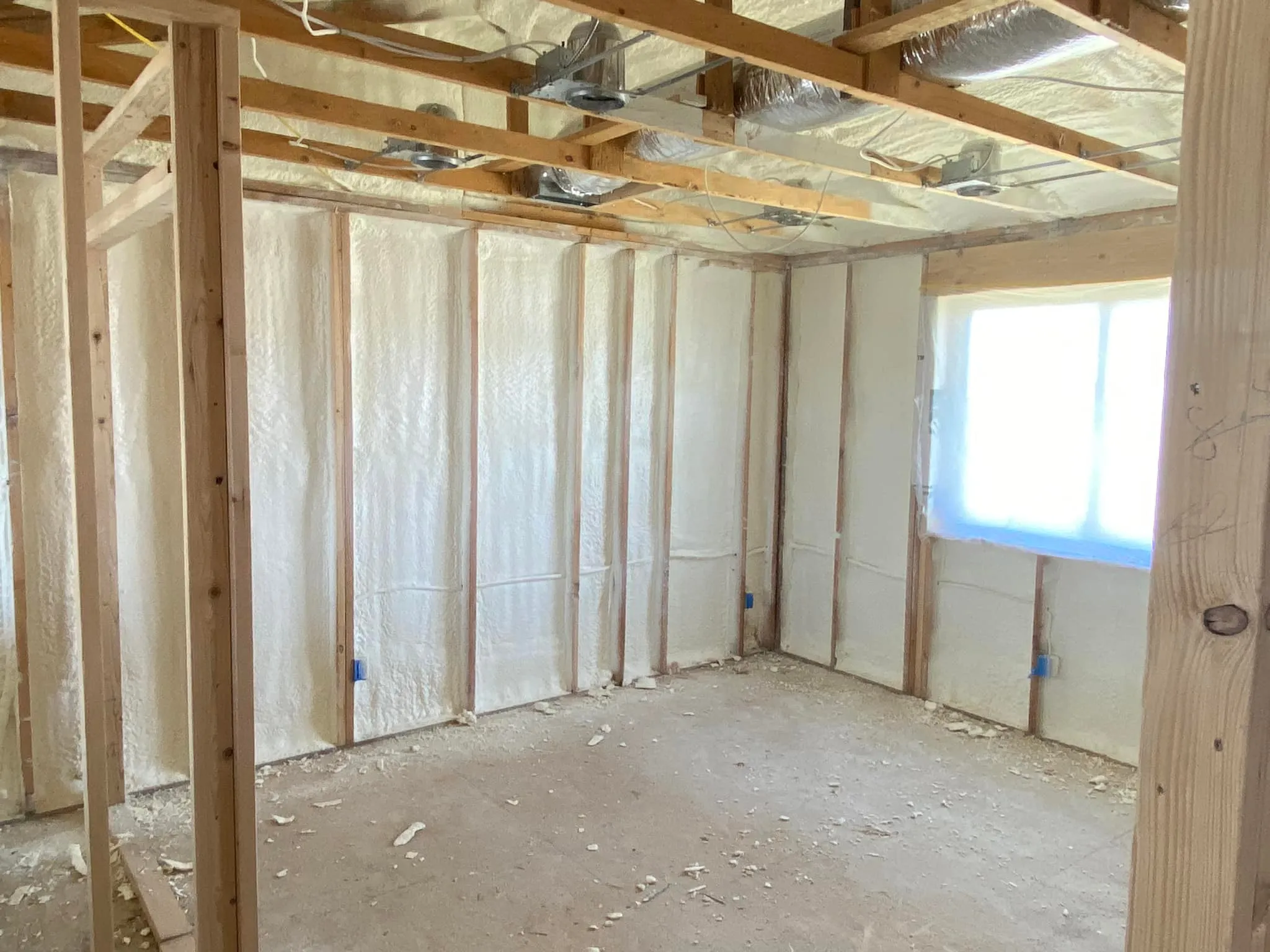
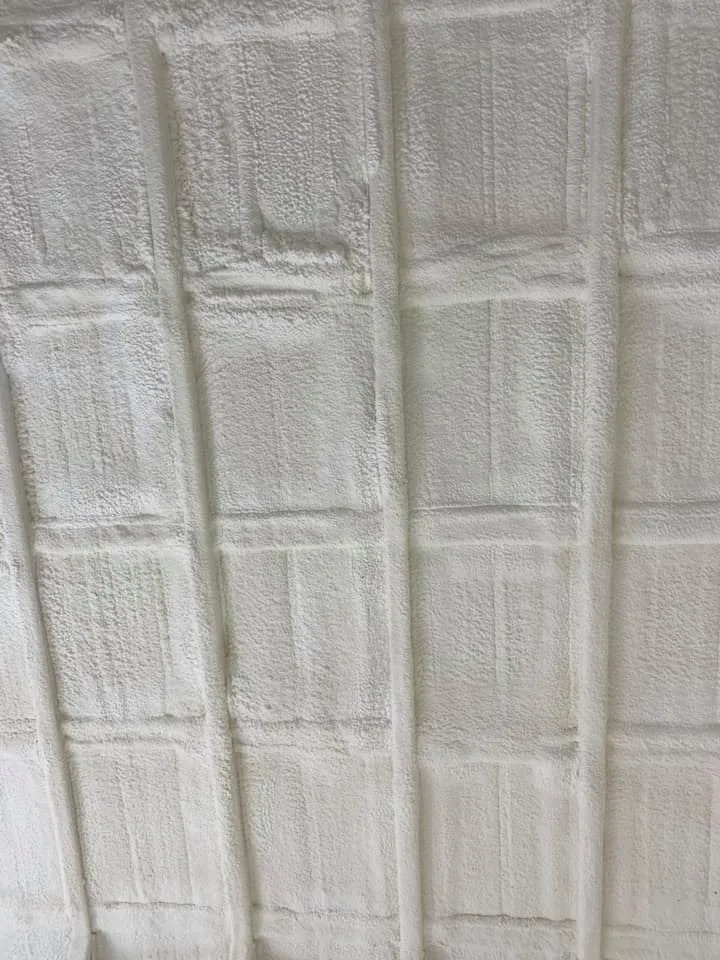
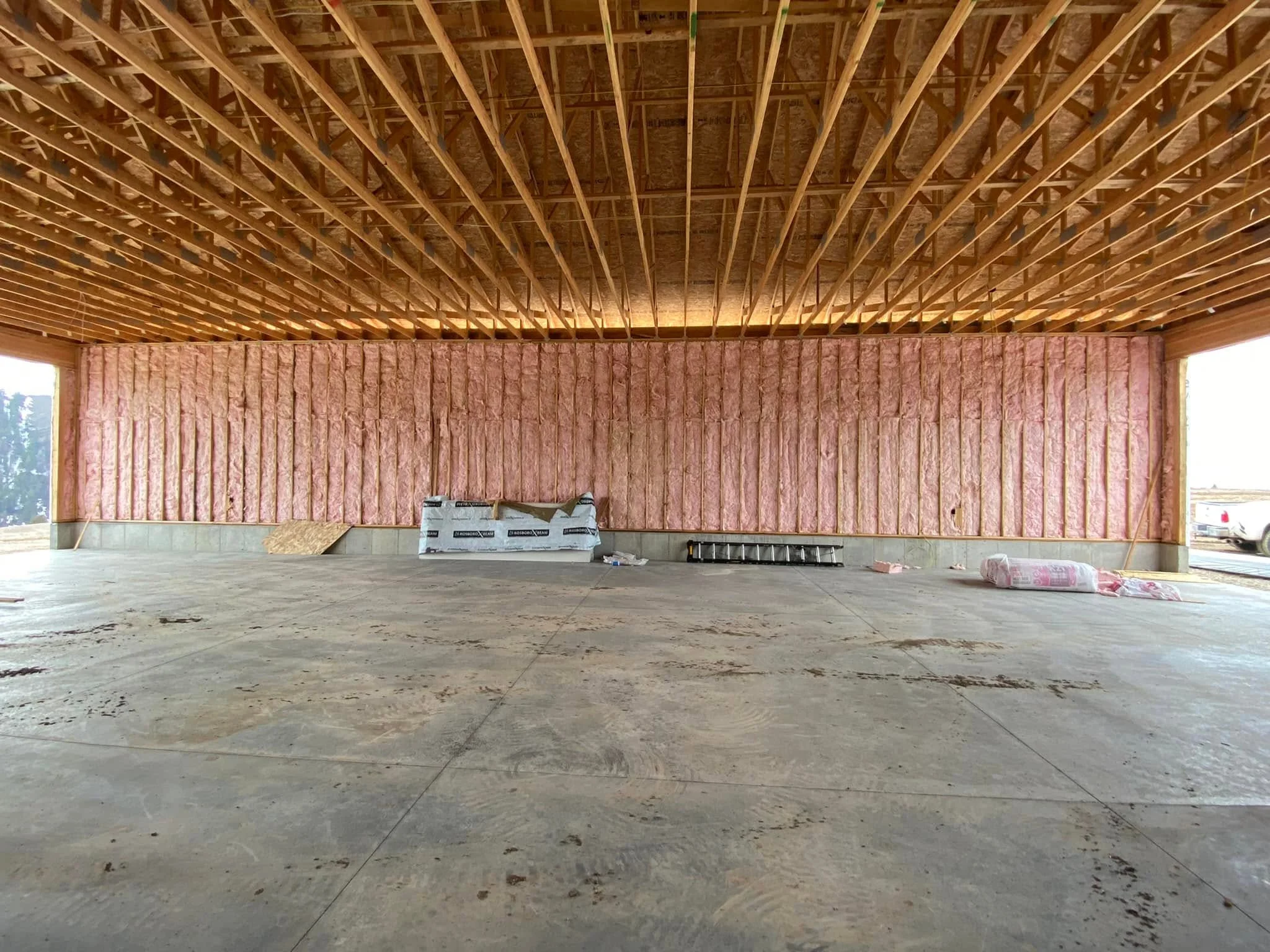
Applying closed-cell foam in exterior wall cavities provides insulation and an air barrier in a single step. It adheres directly to sheathing and studs, closing the gaps common with traditional fiberglass batts. Because wall performance depends on consistent coverage, spray foam’s ability to fill irregular stud bays without settling is a major advantage in climates with extreme temperature swings. For a deeper look at how this compares to other wall systems, our complete closed-cell foam guide breaks down the numbers by climate zone.
Roofs and Attics
For roofs, closed-cell foam is applied to the underside of the roof deck, creating an unvented or “hot roof” assembly that moves the building’s thermal boundary to the roofline. This is ideal for homes with cathedral ceilings or attics used as conditioned space, and it helps prevent ice dams by keeping the deck warm. Because code-driven attic insulation R-value targets tend to run higher than wall requirements, closed-cell foam’s density makes it easier to hit those numbers without adding excessive thickness.
Bonus Tip: In older homes with complex rooflines or numerous dormers, spray foam is often the only practical way to achieve a complete air seal and proper insulation levels.
Basements and Crawl Spaces
Basements and crawl spaces are common sources of moisture and air intrusion. Closed-cell foam works well here because it is waterproof and does not absorb moisture. Applied to foundation walls, it insulates, seals air leaks at the rim joist, and acts as a vapor retarder, keeping below-grade areas dry. In flood-prone regions, its water resistance offers an added layer of protection.
Commercial and Industrial Uses
The durability and performance of closed-cell foam also make it a top choice for commercial, industrial, and agricultural buildings.
Metal Buildings and Warehouses
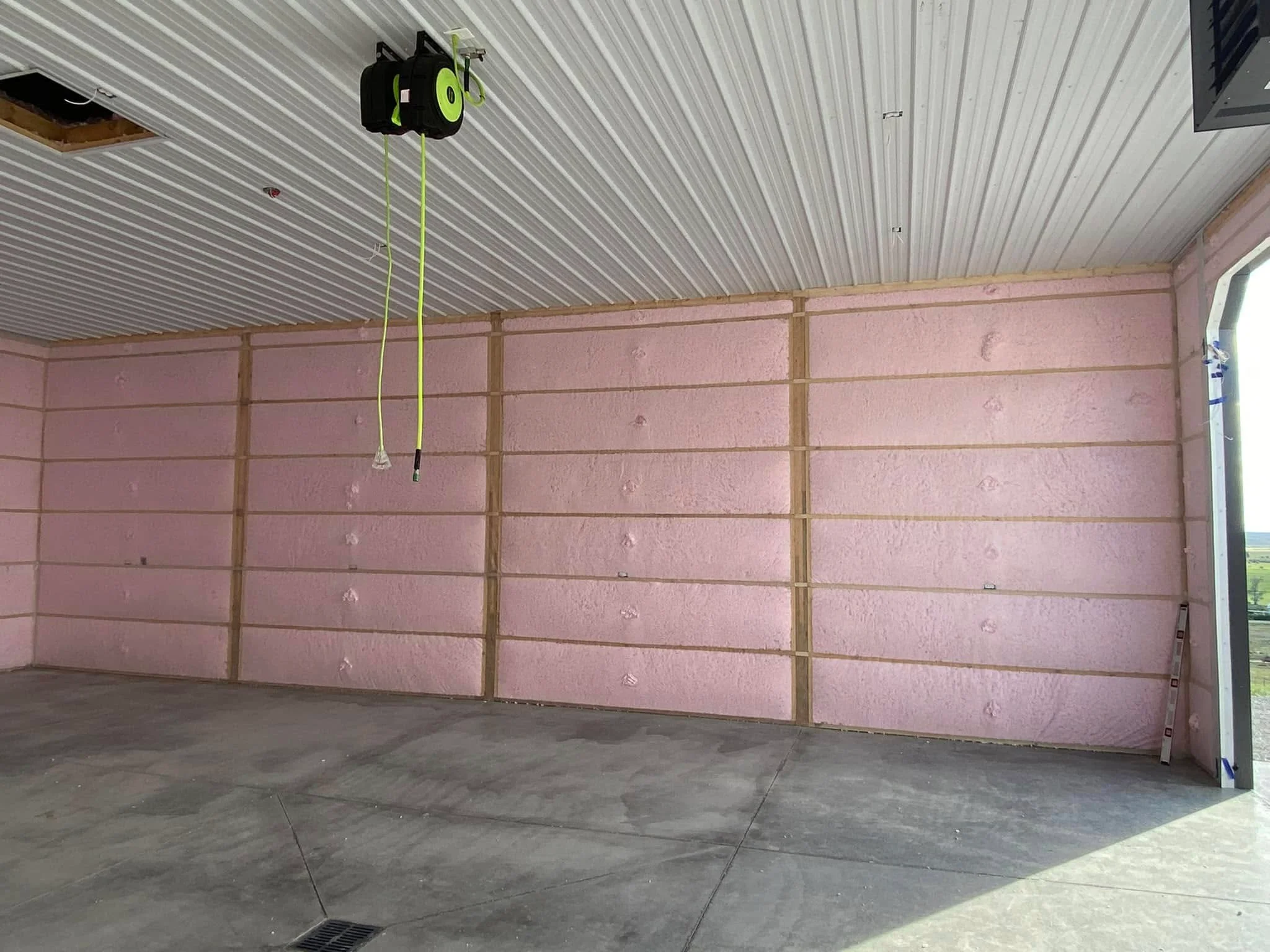
Large metal buildings are notoriously difficult to insulate and are prone to condensation. Spray foam adheres directly to metal panels, providing continuous insulation and preventing sweating, while the added rigidity helps strengthen the building against wind loads.
Agricultural Structures
In barns, poultry houses, and produce storage facilities, maintaining a consistent temperature and humidity level is essential. Closed-cell foam provides strong thermal control, and its durable, washable surface is easy to maintain. It helps protect livestock from temperature stress and preserves the quality of stored goods.
Bonus Tip: When insulating agricultural buildings, confirm the selected foam product has a coating approved for incidental food contact if it will be used in food storage or processing areas.
Specialized Applications
Beyond buildings, closed-cell foam’s buoyancy and water resistance make it useful for filling and insulating boat hulls, docks, and other flotation devices. It also shows up in refrigerated trucks and cold storage facilities, where maintaining extremely low temperatures is a constant challenge. Its buoyancy and water resistance make it useful for filling and insulating boat hulls, docks, and other flotation devices. It is also used in refrigerated trucks and cold storage facilities where maintaining extremely low temperatures is necessary.
Comparing Closed-Cell and Open-Cell Foam R-Value
Choosing the right type of spray foam depends on the application. Both are strong insulators, but their properties suit different jobs.
Feature
Closed-Cell Spray Foam
Open-Cell Spray Foam
R-Value per Inch
6.0 – 7.0
3.5 – 4.0
Density
1.8 – 2.5 lb/ft3
0.4 – 0.6 lb/ft3
Vapor Permeability
Low (acts as a retarder)
High (vapor permeable)
Air Barrier
Yes
Yes
Structural Rigidity
High
Low (flexible)
Sound Dampening
Good
Excellent
Typical Cost
Higher
Lower
Open-cell foam is often chosen for sound attenuation between interior walls, while closed-cell foam is the go-to for exterior applications, basements, and anywhere moisture or structural support matters most.
What R-Value Do You Actually Need?
The right R-value target depends on where you live and which part of the building you are insulating, not a single universal number. Colder climate zones require higher minimums for ceilings, walls, and floors, while warmer regions allow lower thresholds. Attics in cold climates often call for R-38 to R-49, sometimes labeled R-45 insulation in product listings, while exterior wall insulation R-value typically falls between R-13 and R-21 depending on the zone. Before finalizing a plan, it is worth reading how closed-cell foam performs across different climates so the numbers match your actual building, not just a general guideline.
Things to Consider Before Making a Decision
Project Goals
Define what you want to achieve. Is the goal lower energy bills, better indoor comfort, moisture control, or added strength for an older structure? The answer shapes whether closed-cell foam is the best fit or another material makes more sense.
Building Codes and Climate
Local codes set minimum R-value requirements that vary by climate zone, and a home in a cold region needs more insulation than one in a mild climate. Confirm your plan meets or exceeds the International Energy Conservation Code and any local amendments.
Existing Conditions
Spray foam should only go on clean, dry surfaces free of rot or damage. Address any underlying moisture or structural issues first, and plan for proper mechanical ventilation, since sealing a building envelope too tightly without it can affect indoor air quality.
Professional Installation
Spray foam is a chemical product mixed and applied on-site, so its performance depends entirely on installation quality. Always hire a certified, insured contractor who follows strict safety protocols and applies the material at the correct thickness and temperature.
How to Determine the Right R-Value for Your Project
Identify your climate zone: Check your region’s IECC climate zone, since this sets the baseline R-value requirement for walls, roofs, and floors.
Define your project goals: Decide whether the priority is energy savings, moisture control, comfort, or structural reinforcement.
Check local building codes: Confirm minimum R-value insulation requirements with your local building department before ordering materials.
Evaluate existing conditions: Inspect the substrate for moisture, rot, or damage that needs addressing before foam is applied.
Hire a certified installer: Choose an insured, experienced contractor to make sure the foam reaches its full rated R-value.
Making the Right Choice for Your Property
Closed-cell spray foam offers a powerful combination of insulation, air sealing, and structural reinforcement for a wide range of buildings. From residential walls and attics to large commercial warehouses, its high closed-cell spray foam R-value, low permeability, and rigidity make it a strong choice for demanding applications. Weighing your project goals, budget, and local climate requirements will help determine whether it is the right material for your building’s performance, comfort, and long-term durability. This effectiveness also helps explain why the global spray polyurethane foam market continues to grow, a trend driven by rising energy costs and stricter building codes, according to a market analysis by Grand View Research.
Get a Professional Assessment
Every building is different, and a proper evaluation is the first step toward an effective insulation strategy. For a detailed consultation based on your property’s needs, reach out by phone at (307) 248-9063 or by email at [email protected] to discuss your project.
Frequently Asked Questions
What R-value does closed-cell spray foam offer?
Closed-cell spray foam typically provides an R-value of R-6.0 to R-7.0 per inch, one of the highest ratings among common insulation materials.
What R-value insulation do I need for exterior walls?
Most exterior walls require between R-13 and R-21 depending on climate zone, though local building codes set the exact minimum for your area.
What is R-45 insulation used for?
R-45 typically refers to attic insulation in colder climate zones, where codes often call for R-38 to R-49 to limit heat loss through the roof.
What is the difference in R-value between closed-cell and open-cell foam?
Closed-cell foam delivers roughly R-6.0 to R-7.0 per inch, while open-cell foam typically ranges from R-3.5 to R-4.0 per inch, though open-cell offers better sound dampening.
Do I need a professional to install closed-cell spray foam?
Yes. Spray foam is mixed and applied on-site, and reaching its full rated R-value depends on correct temperature, pressure, and thickness during installation.
Sources
Grand View Research market analysis and growth projections for the global spray polyurethane foam industry.
I’m Skeeter Aimone, owner of High Country Solutions in Alpine, Wyoming, leading the company since 2019. I focus on quality installation, building science, and insulation solutions suited to harsh Wyoming and eastern Idaho conditions.