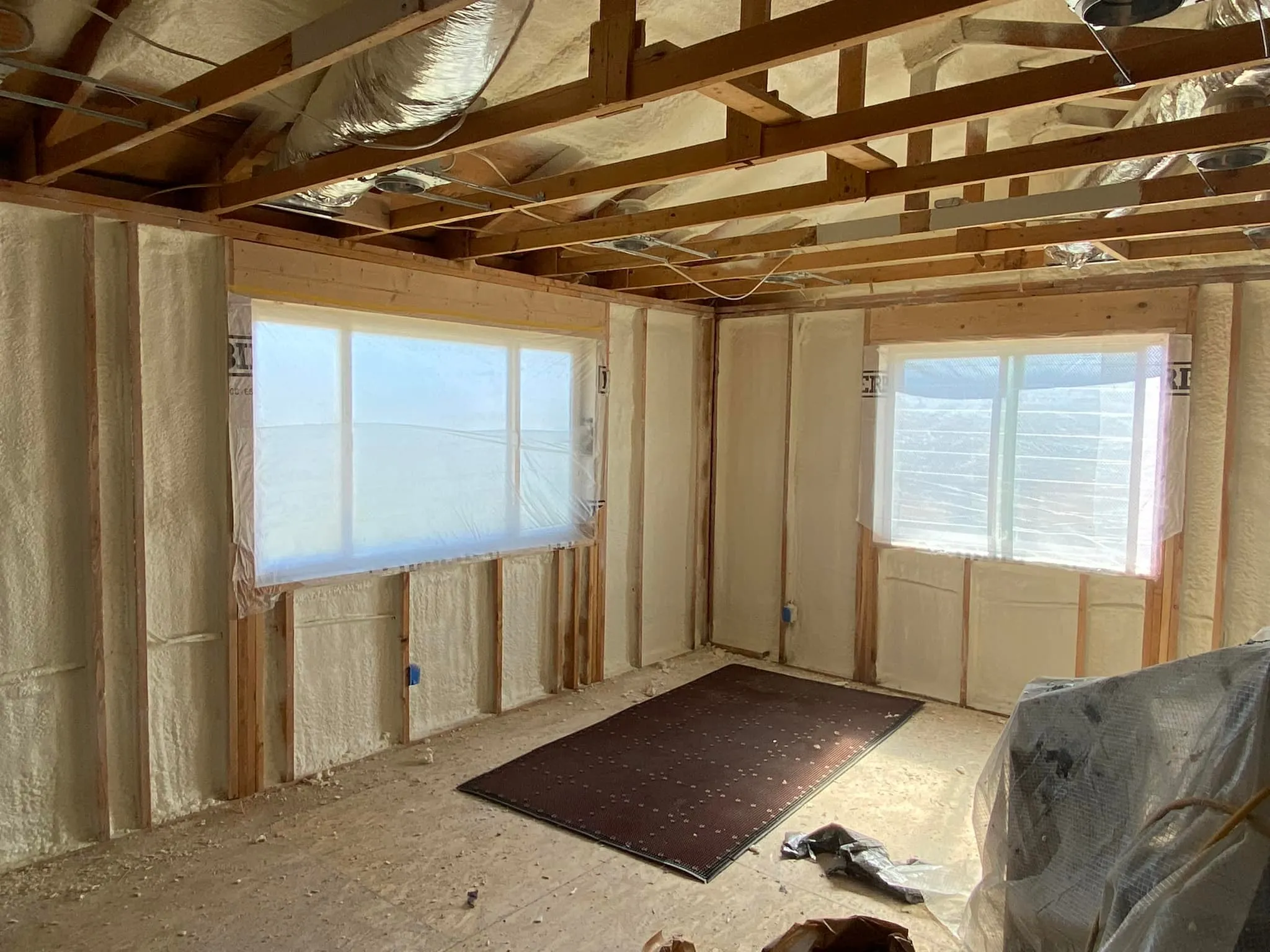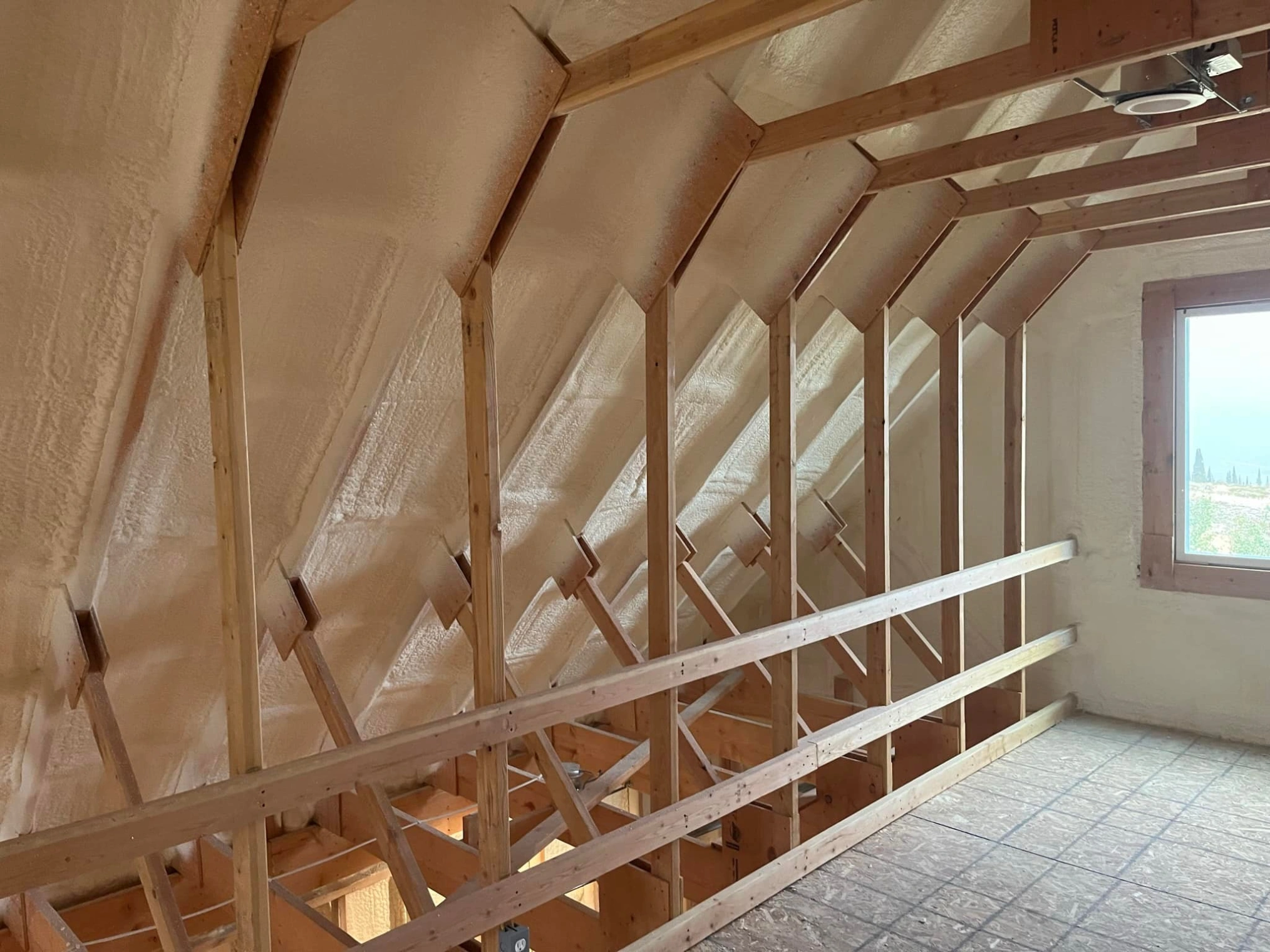
What’s the Right Residential Spray Foam Insulation Thickness for a Roofline vs. an Attic Floor in Alpine, WY?
For a roofline in Alpine, closed-cell foam needs about 4 inches to meet the cold-climate minimum, and many homes go…


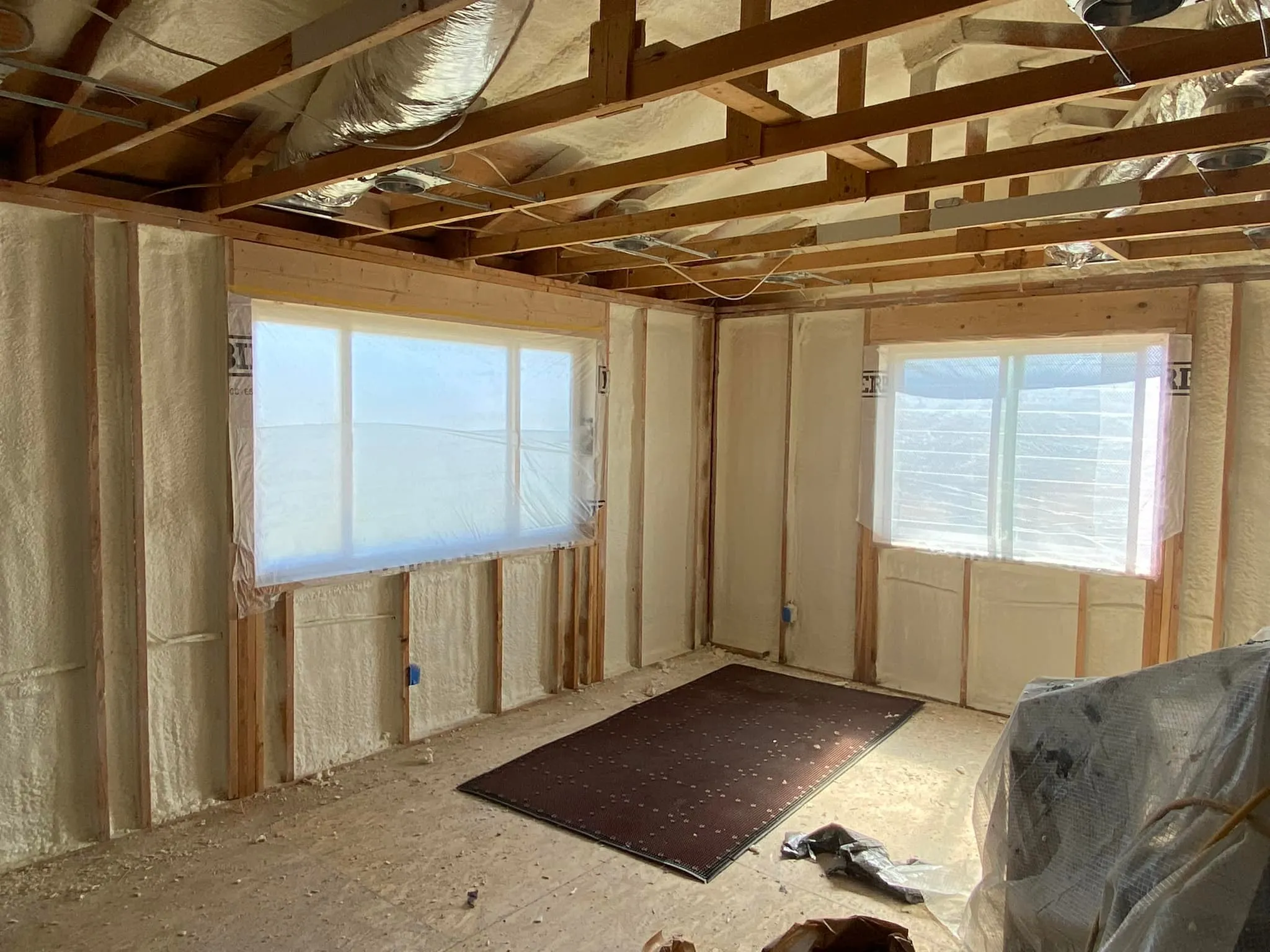
Residential Spray Foam Insulation in Shelley, ID fixes hot and cold rooms by sealing the gaps where outside air gets in and holding your heat where you want it. That means steadier rooms and less strain on your furnace and air conditioner through Shelley’s cold winters and hot summers.
You set the thermostat, yet the back bedroom stays cold and the upstairs bakes. That’s rarely a thermostat problem. It’s usually your house letting air in and out.
ENERGY STAR home sealing guidance lists hot and cold rooms, uneven temperatures between rooms, and high heating or cooling bills among the common problems that point to air leaks and weak insulation. Air slips through attic gaps, wall cavities, and rim joists, and the rooms closest to those spots swing the most.
Think of a winter jacket with the zipper open. The fabric is fine, but the wind walks right through. Thin insulation with open gaps works the same way.
Spray foam goes on as a liquid and expands to fill the space around it. That lets one material do two jobs. It slows heat flow and stops air movement.
Batts leave gaps around wires, pipes, and framing. Foam hugs those spots and hardens in place. Adding Spray Foam Air Sealing in Shelley, ID, to an attic or rim joist project closes the leaks that make rooms feel drafty.
ENERGY STAR’s savings methodology estimates that air sealing and added insulation save homeowners an average of 15% on heating and cooling costs. Your results depend on where your home starts.
Once leaks are closed, warm air stays inside in winter and hot attic air stays out in summer. Your system often runs fewer, shorter cycles because rooms hold their temperature. That’s Spray Foam Insulation for Temperature Control Shelley, ID in everyday terms: less guessing at the thermostat.
Eastern Idaho swings between cold, snowy winters and hot summer afternoons. Your house gets tested both ways, and weak spots show up fast.
In winter, warm air escapes through the attic while cold air gets pulled in low. In summer, a hot roof heats the attic, and that heat settles into upstairs rooms. Good Indoor Temperature Regulation Shelley, ID starts by sealing the shell so both problems stop at the source.
Not every wall or ceiling needs foam. We like to start where air moves the most, because those areas can change how rooms feel fastest. If you’re planning an attic upgrade or remodeling project, residential spray foam for attic remodeling can help address heat loss and air leakage while improving indoor comfort.
The Building America Solution Center describes foam on an existing attic floor as a continuous air control layer. It also says old insulation and debris should be cleared first, since dust hurts adhesion.
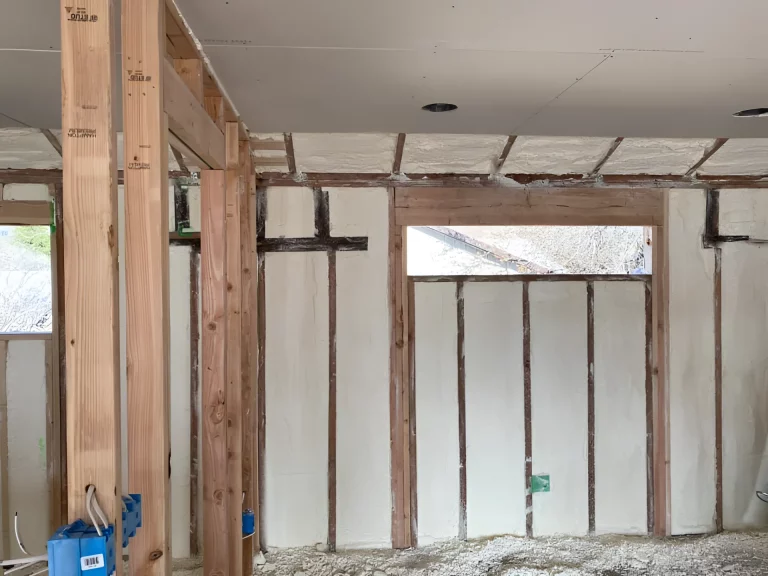
Both types seal and insulate, but they behave differently. Your choice depends on the area and what the space needs.
| Foam Type | How It Behaves | Common Fit |
|---|---|---|
| Open-Cell | Softer, expands a lot while spraying | Interior walls and some roof decks |
| Closed-Cell | Denser and more rigid, higher R-value per inch | Attic floors, rim joists, crawl spaces |
That same attic guide prefers closed-cell for attic floor air sealing, since open-cell expands fast and in large volume.
Look for patterns before you call anyone. Spray foam works best when the problem is air leaks and weak insulation.
If two or more sound familiar, tell us which rooms bother you and we’ll talk through where foam makes sense. Home Insulation Services Shelley, ID should start with your trouble spots, not a one-size plan.
Foam is strong at sealing and insulating, but it isn’t a cure-all. A few problems need other fixes.
Leaky ducts, an undersized furnace, or old single-pane windows can still leave rooms uneven. A much tighter house also needs fresh air and properly venting gas appliances, so plan for ventilation and ask a heating technician to check your equipment after sealing work.
Home Spray Foam Insulation Shelley, ID works best when it’s one piece of the plan, paired with fixes to any duct or equipment problems.
If your rooms never match the thermostat, High Country Solutions in Shelley, ID can look at your problem areas and give you a free quote. Call us or send a note, and tell us which rooms bother you.
Phone: (307) 248-9063
Email: [email protected]
Foam is meant to last for years without sagging or settling like loose fill. Roof leaks or moisture problems can still damage it, so fix those first.
Plan to stay out of the work area while foam is sprayed and curing. Follow the re-entry time on the product label.
Yes. Foaming only the attic above a hot bedroom or the floor over a cold crawl space is an option. Tell us which room bothers you most.
Usually, seal and insulate first. A tighter house may need less heating and cooling capacity, so you could end up buying equipment that’s too big.
Many people notice fewer drafts and cold spots soon after. Savings on bills take a full season to judge.