What Makes Professional Insulation Installation in Idaho Falls, ID Important for New Construction?
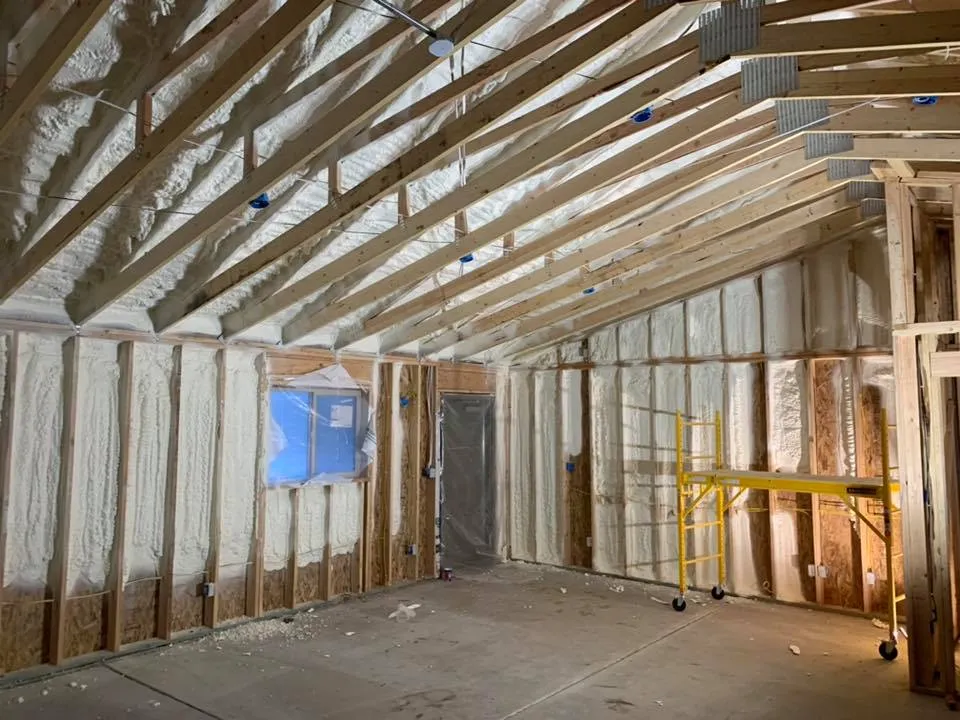
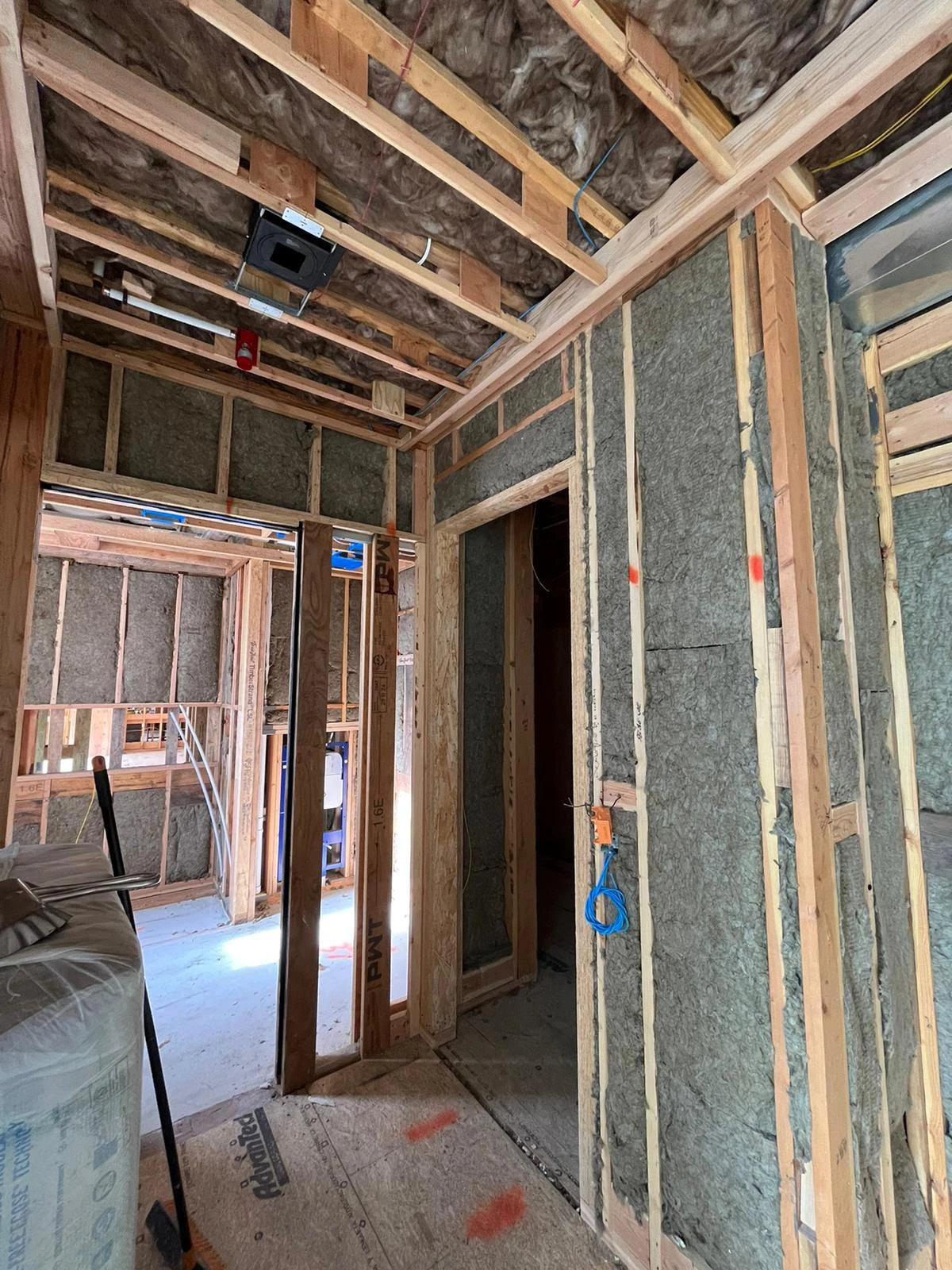
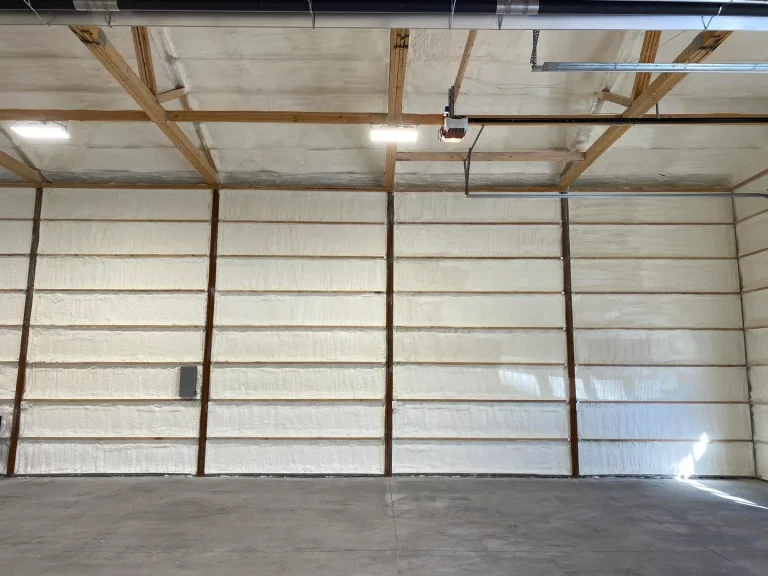
Good Insulation Installation in Idaho Falls, ID work gets done before drywall covers the walls, so gaps get fixed while…


Good Insulation Installation in Idaho Falls, ID work gets done before drywall covers the walls, so gaps get fixed while they’re still easy and cheap to reach. Skilled installers also seal air leaks, which helps your home meet Idaho’s energy code and stay comfortable through winter. Waiting until finishing work is done usually means opening up surfaces you already paid for.
Once drywall goes up, your walls are closed for good. Insulation is the one job that has to be right before that happens.
The U.S. Department of Energy says it’s more cost-effective to add insulation during construction than to retrofit it after the house is finished. A missed spot behind finished walls can mean tearing into surfaces you already paid for.
We’d tell any builder to treat New Construction Insulation Idaho Falls, ID work as a scheduling job as much as a materials job. It has to follow framing, wiring, and plumbing, and it has to wrap up before the drywall crew shows up.
Your home has to meet the state energy code before it’s done. Here’s what matters for insulation.
According to the Insulation Institute, Idaho adopted the 2018 IECC with Idaho-specific amendments on January 1, 2021. The code sets minimum R-values by climate zone, plus limits on air leakage and duct leakage.
Local rules can differ, so confirm the exact requirements with your building department before you finalize plans.
Meeting code is the floor, not the goal. Energy Efficient Home Insulation Idaho Falls, ID work usually aims for a tight air barrier and clean installation, so your furnace isn’t fighting a cold Idaho winter all season.
High R-value insulation can’t do its job if air slips around it. The two have to line up.
Building America explains that thermal bypasses let air currents circumvent insulation and can raise energy use. These spots are easy to miss and hard to reach later:
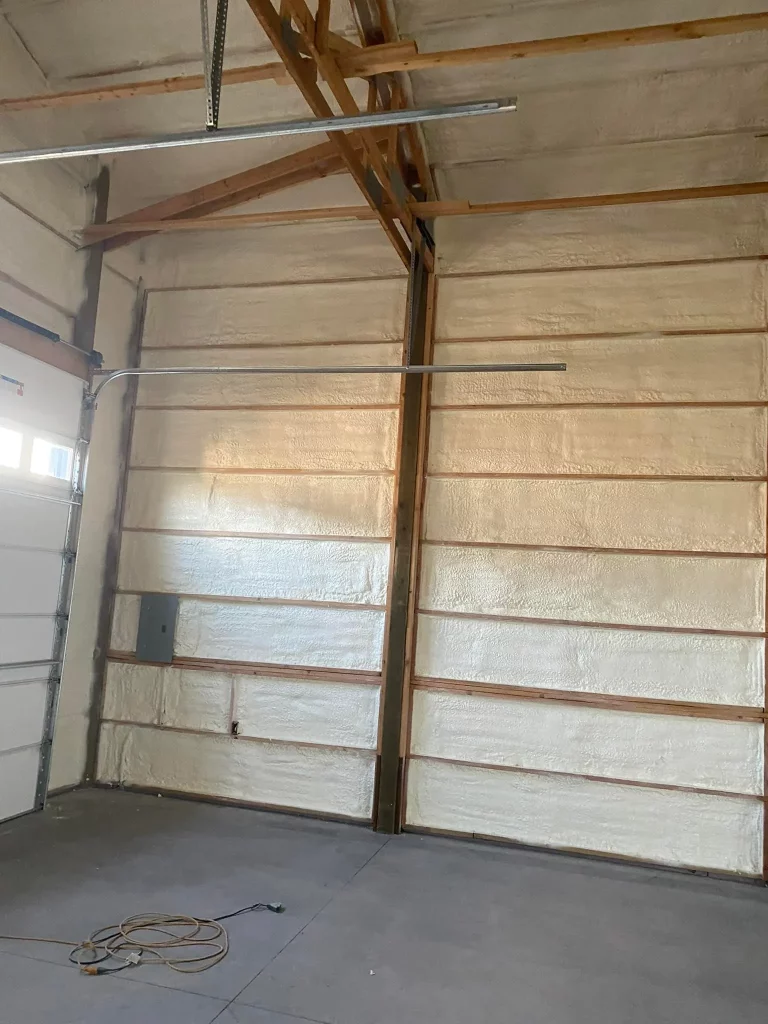
Each material has a place in a new home. The right pick depends on where it’s going and what your budget allows.
| Material | Common Use | Trade-Off |
|---|---|---|
| Fiberglass Batts | Walls, attics, floors | Cost-effective, but needs careful fitting |
| Blown-In | Attic floors, wall cavities | Fills odd spaces, depth needs checking |
| Spray Foam | Rim joists, crawl spaces, walls | Seals air and insulates, higher upfront cost |
| Mineral Wool | Walls, between floors | Fire-resistant and dampens sound |
No single material wins every time. Residential Insulation Services Idaho Falls, ID projects can mix two, such as spray foam at the rim joist and blown-in insulation in the attic.
The best time to pick an installer is before framing wraps up. That gives you time to compare scopes and ask real questions.
A good Insulation Contractor in Idaho Falls, ID should read your plans before quoting, not after. Ask for these items in writing:
Professional Insulation Installation Idaho Falls, ID means someone checks the work before the walls close. Fixing a missed spot later usually means opening finished surfaces.
If you’re building in Idaho Falls and want a second set of eyes on your insulation plan, High Country Solutions is glad to talk it through. Bring your plans and your questions. We offer a free quote.
It depends on home size, materials, and weather. A large home with spray foam usually takes longer than a small one with batts, so ask for a schedule once your installer has reviewed the plans.
The code sets minimums by climate zone, and your plans and local building office have the final say. Ask your designer or installer to confirm the number before materials are ordered.
Some materials can. Mineral wool batts are used as a sound barrier between rooms and floors, though results depend on the whole wall assembly.
Often, yes. Foundation insulation options are broader in new construction, and it’s easier to install before finishing work begins.
Reliable local pricing isn’t published, and costs vary with material, R-value, and home size. Get written quotes using the same specs so you can compare them fairly.