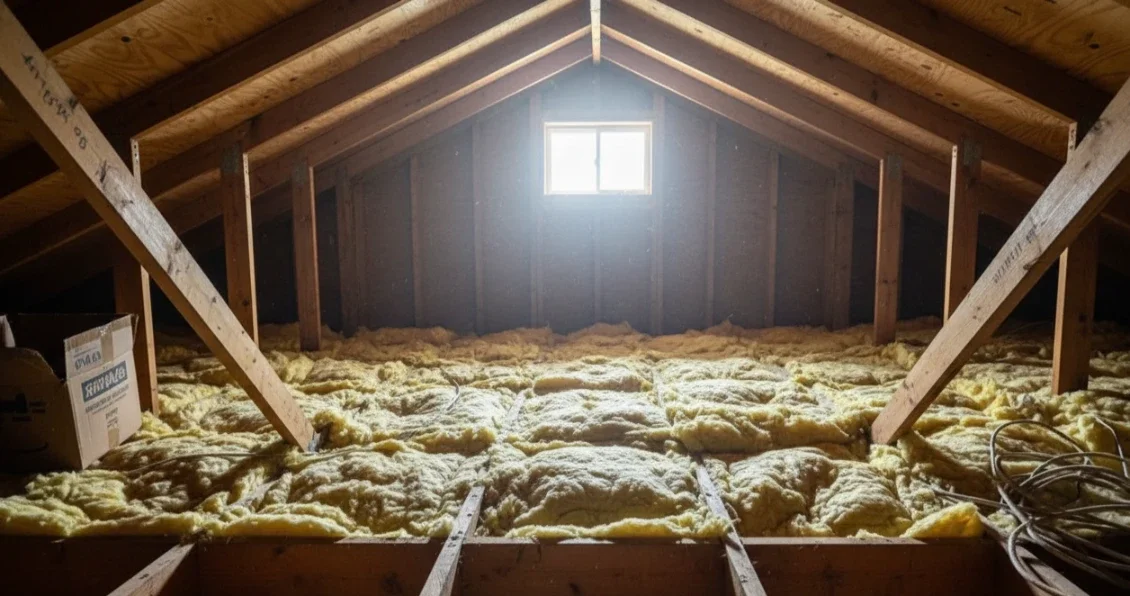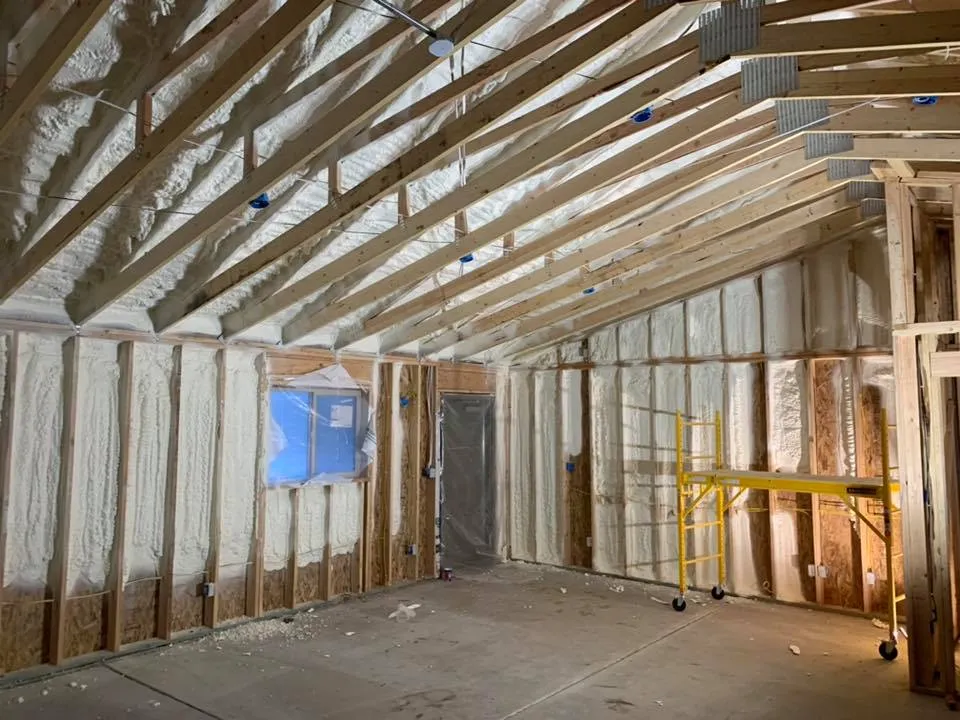
How Does New Construction Insulation in Alpine, WY Support Building Code Compliance?
New Construction Insulation in Alpine, WY work supports building code compliance by meeting the required R-values for your climate zone,…


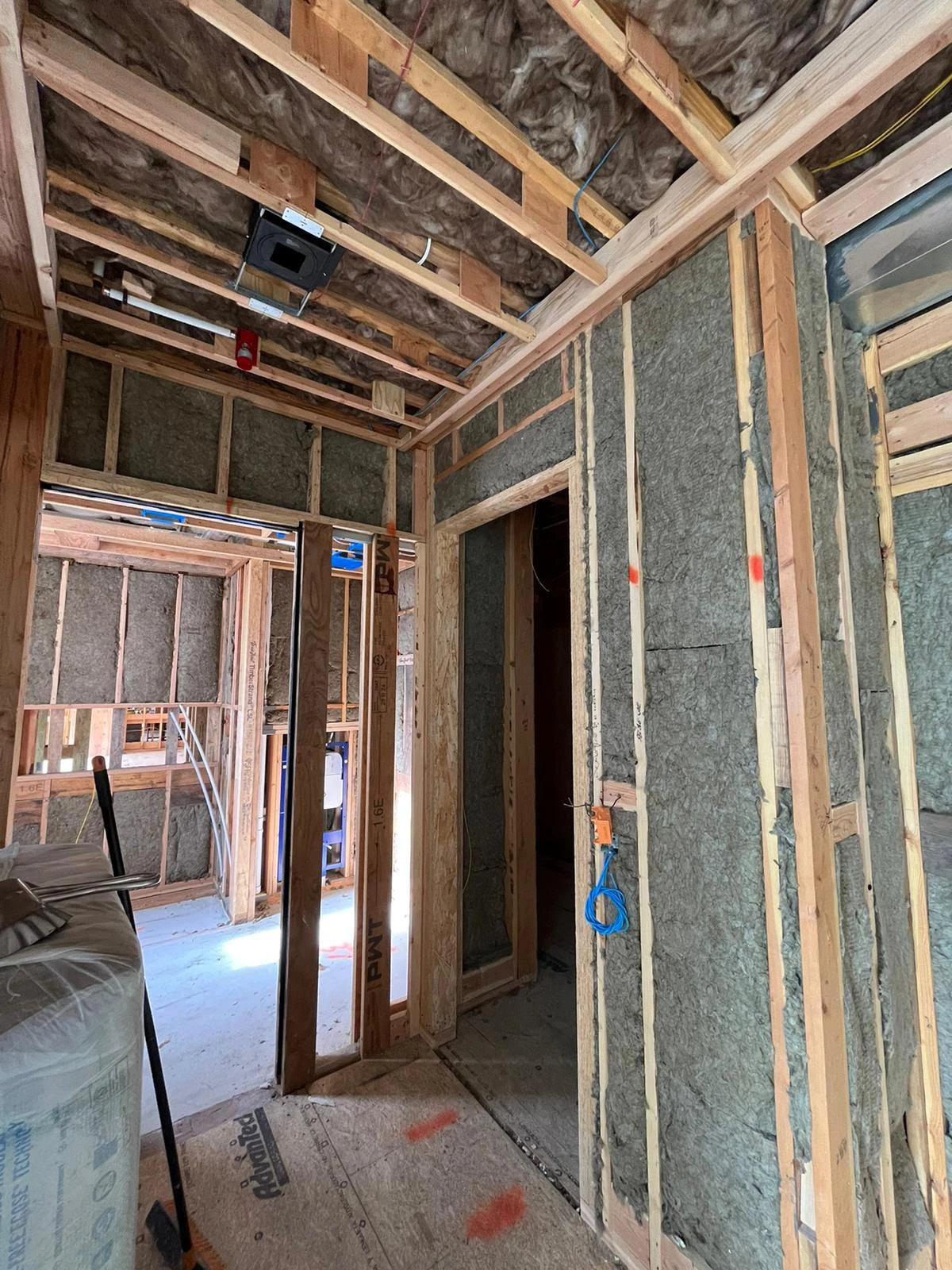
Mineral wool insulation is a strong choice for modern homes because it reduces heat transfer, absorbs sound, and resists fire. Its dense fiber structure makes it suitable for walls, ceilings, floors, and other building areas where comfort and insulation performance matter.
Homeowners often compare mineral wool with fiberglass and spray foam before choosing insulation. Each material has advantages, but mineral wool stands out when fire resistance, sound control, and thermal protection are priorities. The best results still depend on proper installation, air sealing, moisture management, and selecting the right product for the building.
Mineral wool is made by melting natural rock or industrial slag and spinning it into fine fibers. These fibers create small air pockets that slow heat movement through the material.
Rock wool insulation, also called stone wool, is one common type. Mineral wool products are available as batts, rigid boards, and loose-fill insulation for different building applications.
The U.S. Department of Energy identifies typical mineral wool insulation values of approximately R-3 to R-4 per inch, depending on the product. R-value measures resistance to heat flow; higher values indicate greater thermal resistance.
Mineral wool does not replace air sealing. Gaps around framing, wiring, and other penetrations still need attention.
The main mineral wool insulation benefits include thermal protection, fire resistance, sound absorption, and material stability. These properties make it useful when homeowners want more than basic insulation.
Mineral wool slows heat transfer through building surfaces. During winter, it helps reduce heat escaping through insulated walls and ceilings. During summer, it limits unwanted heat entering conditioned rooms.
Properly fitted insulation also helps prevent uneven coverage. However, gaps around framing or poorly insulated connections can still affect indoor comfort.
Stone wool is naturally noncombustible and can withstand high temperatures. This makes it useful in building assemblies where fire resistance is an important consideration.
Manufacturer ROCKWOOL confirms that its stone wool products are made from basalt rock and recycled slag and describes their fire-resistant properties.
However, mineral wool alone does not make an entire wall fire-rated. Fire resistance depends on the complete assembly, including drywall, framing, and installation details.
Mineral wool’s dense fiber structure absorbs sound within wall and floor cavities.
It can help reduce noise transfer between bedrooms, home offices, laundry rooms, and other interior spaces. Sound reduction also depends on drywall thickness, framing connections, and gaps around openings.
Many stone wool products are manufactured to repel liquid water while allowing water vapor to pass through.
This can support drying within properly designed assemblies. However, mineral wool is not waterproofing. Roof leaks, plumbing failures, and foundation moisture still require repairs.
Homeowners comparing mineral wool vs fiberglass insulation should consider thermal performance, fire properties, installation, and cost.
Both materials can perform well when correctly installed. Their differences become more important when a project has limited space, sound-control goals, or specific construction requirements.
| Feature | Mineral Wool | Fiberglass |
| Thermal resistance | Good; varies by product | Good; varies by product |
| Sound absorption | Strong in suitable assemblies | Also absorbs sound |
| Fire properties | Unfaced stone wool is noncombustible | Unfaced fiberglass is generally noncombustible |
| Installation | Firm batts require careful cutting | Flexible batts fit many cavities |
| Moisture behavior | Many stone wool products repel water | Depends on product and facing |
| Cost | Often higher | Often lower |
The U.S. Department of Energy explains that insulation selection should account for required R-values, location, moisture control, and the complete building envelope.
Fiberglass may be more practical for a straightforward project with a limited budget. Mineral wool may be preferable when homeowners also prioritize sound absorption or fire resistance.
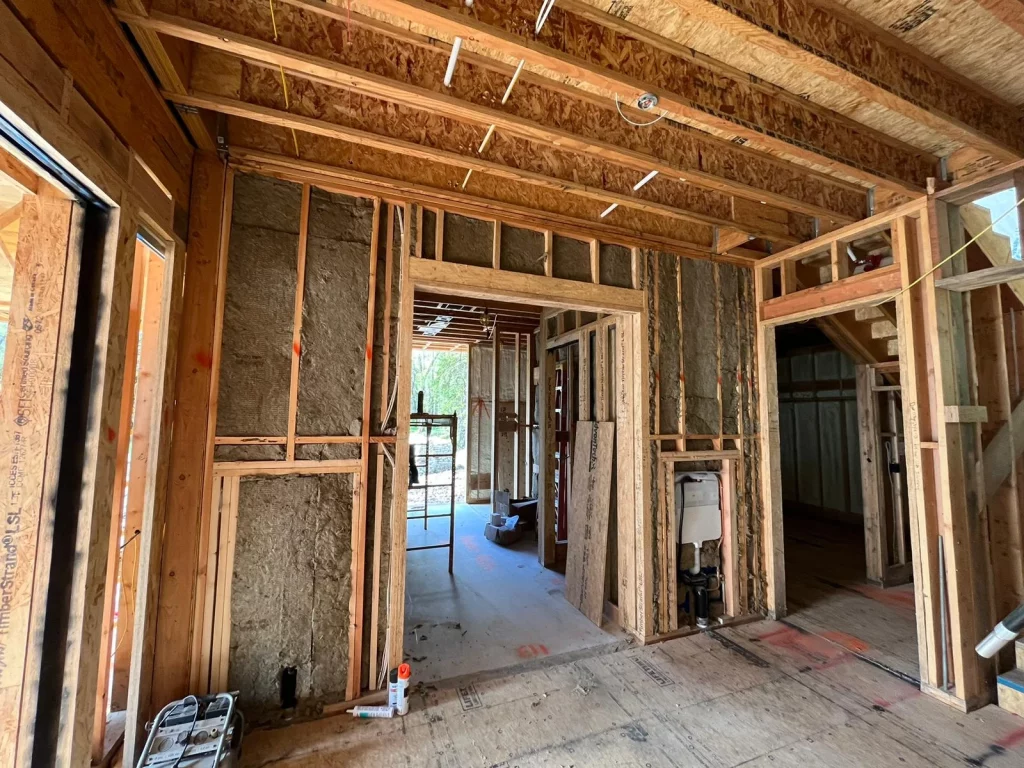
Mineral wool insulation performance depends on product selection and installation quality. Even a material with an appropriate R-value may perform poorly if the installer leaves gaps or compresses the insulation.
Insulation thickness should meet the building’s thermal requirements. The correct R-value depends on the wall, roof, or floor assembly and applicable energy codes.
Mineral wool slows heat transfer but does not create a complete air barrier. Sealing gaps around electrical penetrations, framing joints, and other openings helps control unwanted airflow.
The insulation system must account for water vapor, condensation, and existing leaks. Vapor retarders may be required in some assemblies, while others need different moisture-control methods.
These decisions should reflect the local climate and complete wall or roof design.
Residential mineral wool insulation can be worth the additional expense when a homeowner needs its combined thermal, acoustic, and fire-resistant properties.
For example, mineral wool may be a sensible option for a home office where noise reduction matters. It may also suit certain assemblies where noncombustible insulation is desirable.
However, fiberglass can still be a suitable choice when it meets the required thermal performance at a lower cost.
Before selecting either material, compare the required R-value, installed thickness, labor, coverage, air sealing, and any necessary protective materials. A lower material price does not always mean a lower total project cost.
High Country Solutions provides mineral wool insulation and other residential insulation services for new construction and existing homes. Established in 2019, we offer different insulation materials for varying building needs.
We can help you discuss insulation options based on your property’s construction, existing conditions, and thermal requirements.
Call (307) 248-9063 or email [email protected] to discuss your residential insulation project and available materials.
Yes, mineral wool products can insulate existing walls when cavities are accessible. Finished walls may need opening, and damp or damaged materials require assessment first.
Mineral wool does not normally create an airtight seal. Seal gaps around wiring, pipes, framing, and penetrations separately to reduce drafts and support insulation performance.
Some products can regain thermal performance after drying, but moisture can damage surrounding materials. Fix the leak and evaluate affected insulation before deciding on reuse.
Mineral wool batts can improve sound absorption inside partitions. The result also depends on framing, drywall layers, doors, openings, and other routes sound can travel.
Not always. Vapor retarder requirements depend on climate, wall construction, insulation placement, and applicable codes. Assess the complete assembly before adding plastic sheeting or membranes.