How Can Insulation in Alpine, WY Help Address Drafts and Temperature Fluctuations?
Insulation Alpine, WY homeowners install slows heat flow through attics, walls, and floors, which keeps rooms steadier during cold winters.…


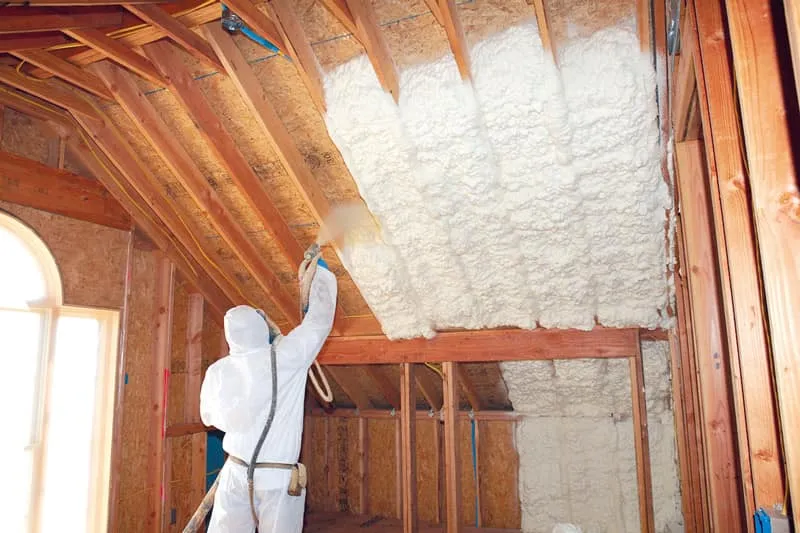
Insulation Alpine, WY homeowners install slows heat flow through attics, walls, and floors, which keeps rooms steadier during cold winters. Drafts mostly come from small air leaks, so sealing those gaps matters just as much. When you seal leaks first and then add insulation, hot and cold spots fade, your furnace runs less, and the whole house feels more comfortable.
Drafts and hot or cold spots usually come from two problems: air moving through gaps and heat moving through thin or damaged insulation. Alpine winters make both worse because the gap between indoor and outdoor temperatures is so large.
Warm air rises and escapes through the attic. That pulls cold air in through gaps near the floor, which is why you feel a chill at outlets, baseboards, and doors even when the thermostat says 70. Fixing drafty house insulation Alpine, WY homes struggle with starts by finding the small gaps. It’s rarely one big hole. It’s usually dozens of small ones.
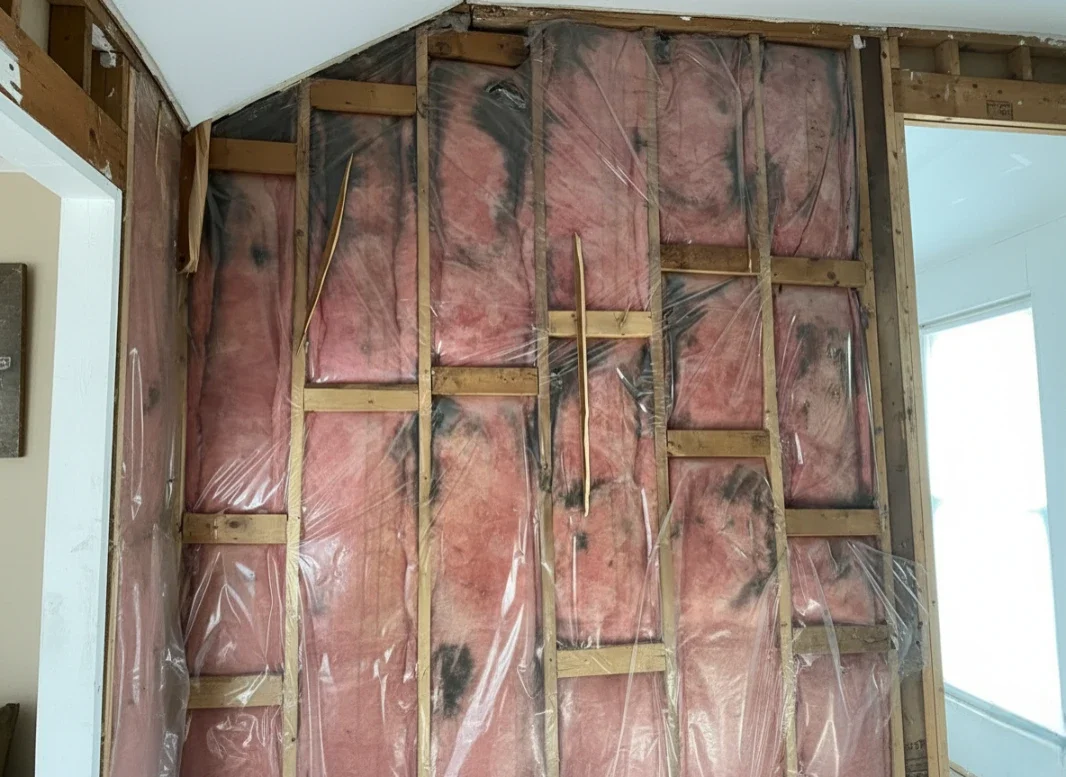
Insulation that’s thin, compressed, or missing in spots lets heat slip out too. Rooms over garages, bonus rooms, and finished attics often swing the most. You end up paying for a furnace that runs longer while one bedroom stays cold.
Insulation and air sealing solve different problems, and you usually need both. Insulation slows heat travel. Sealing stops air from moving through gaps in the first place.
ENERGY STAR explains that R-value measures how well insulation resists heat flow, and a higher number means better thermal performance. But a high R-value won’t help much if warm air bypasses it through cracks.
The U.S. Department of Energy calls air sealing one of the most cost-effective ways to improve comfort and efficiency. It also notes that an energy assessor finds the leaks first, then the sealing work follows. That’s why we look at air sealing Alpine, WY houses before we talk about adding more insulation on top.
Here’s a simple example. If you blow new insulation over an attic floor full of open gaps, warm air still finds its way up and around it. You’ve spent the money, but the draft stays.
We start where heat and air loss usually hit hardest. Checking these areas in order of impact keeps you from paying for work that won’t change how the house feels.
A good home insulation plan in Alpine, WY, covers these spots one at a time instead of guessing. Our crew explains what we find so you can see the problem before you agree to a fix.
Results depend on your house, but the benefits are practical. Fewer drafts, steadier rooms, and a furnace that doesn’t work as hard are the usual goals.
ENERGY STAR says sealing air leaks and adding insulation can provide up to 10% savings on annual energy bills. That’s an upper figure, not a promise. Older homes with big gaps and thin attics tend to see more energy-efficient ones.
Energy-efficient insulation in Alpine, WY families add won’t erase every bill, but it cuts the heat you pay for and then lose. You’ll often notice the comfort first, especially on the coldest mornings.
Temperature control insulation in Alpine, WY, also helps rooms hold steady. Your furnace cycles less, and bedrooms stop swinging from warm at night to cold before sunrise.
Insulation has limits, though. It won’t fix failing windows, leaky ductwork, or a furnace that’s too small. We’ll tell you if the real problem is somewhere else.
Most comfort complaints follow a pattern. This table shows what we often find behind them.
| Symptom | Likely Cause | What Helps |
|---|---|---|
| Cold floors | Leaky rim joists or crawl space | Seal gaps, insulate the edge |
| Hot or cold upstairs | Thin attic insulation | Seal the attic floor, add depth |
| Draft near outlets | Air moving inside wall cavities | Seal openings, check wall fill |
| Furnace runs constantly | Heat escaping faster than it’s made | Seal and insulate together |
A few minutes of checking helps us pinpoint the problem faster. You don’t need special tools.
If you’re tired of cold rooms and a furnace that never quits, we can walk through your home and show you where the heat is going. At High Country Solutions in Alpine, WY, we’ll explain what we find in plain terms, and we offer a free quote.
Phone: (307) 248-9063
Email: [email protected]
It can help, because heat escaping into the attic is a common reason snow melts and refreezes at the eaves. Sealing and insulating the attic floor keeps that heat in the living space.
Yes, it slows heat moving in during hot afternoons, so your rooms warm up more slowly. The effect is usually strongest in upstairs rooms under the roof.
Often, yes, as long as the existing material is dry and in decent shape. We’ll check for moisture and air leaks underneath before adding any depth.
A well-sealed home still needs proper ventilation, especially for bathrooms, kitchens, and combustion appliances. We look at airflow so you get a tighter house without trapping moisture or stale air.
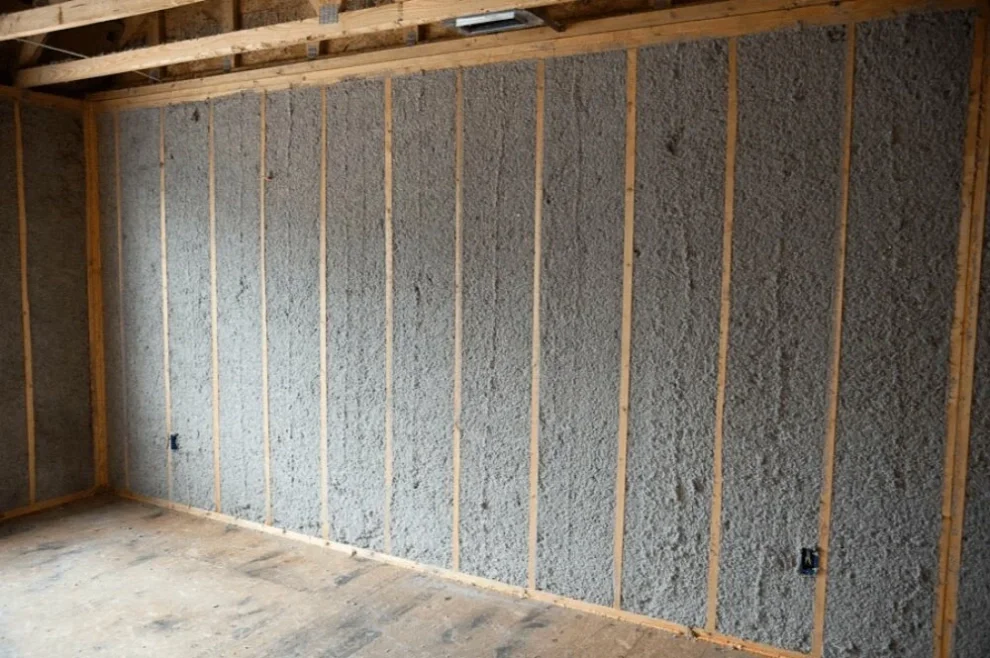
It depends on the area. Attics, walls, and rim joists each have different needs, so we match the material to the space after we inspect.
Sources
ENERGY STAR Seal and Insulate – supports the up to 10% annual energy bill savings figure from sealing and insulating.
U.S. Department of Energy Guide to Air Sealing – supports air sealing being cost-effective and starting with an energy assessment to find leaks.
ENERGY STAR Recommended Home Insulation R-Values – supports the definition of R-value and that higher values mean better thermal performance.