Building and Insulating for the Extremes: A Jackson Hole Construction Guide
Skeeter Aimone
October 20th, 2025
Home construction Wyoming is not one-size-fits-all, and Jackson Hole sets a high bar. Three local numbers decide the build: the lot’s ground snow load, a 34-inch frost depth, and cold-climate insulation levels. For new home construction Wyoming owners plan here, confirm all three with the Town of Jackson or Teton County before design starts.
TL;DR
Snow load depends on your exact lot, so an engineer has to calculate it.
Both local jurisdictions list a 34-inch frost depth and require ice shield underlayment on roofs.
Teton County’s table calls for R-60 ceilings and uses a -30°F design temperature.
Large projects add sprinkler, stamped-plan and wildfire steps.
A free quote works best once you have a lot and a rough plan.
What Makes Jackson Hole Construction Different
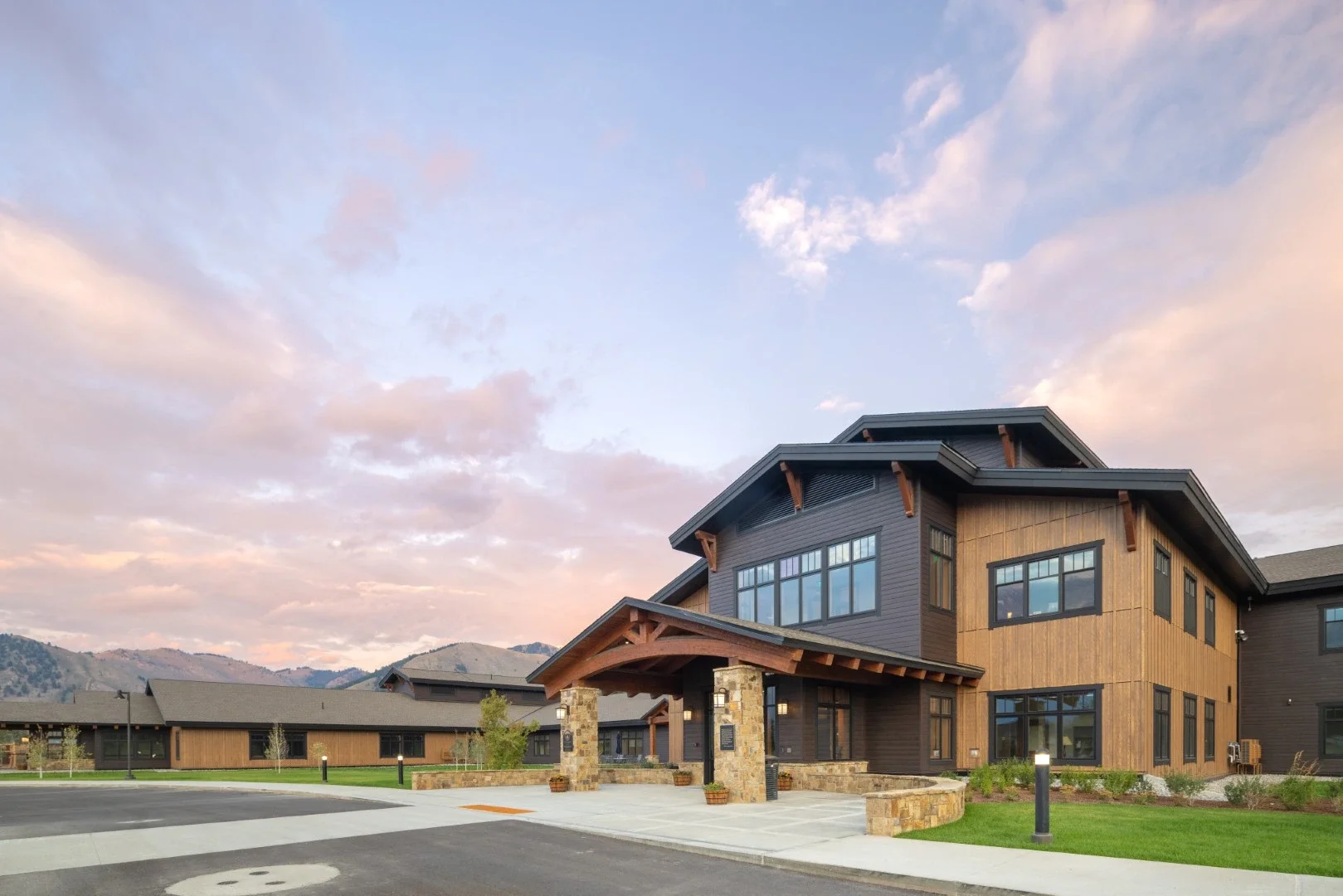
Building a new home in Wyoming’s mountain valleys means planning for weather first and finishes second. This Wyoming construction guide covers the rules behind Jackson Hole construction, from snow to insulation, so you know what to ask before you sign anything.
The wind numbers differ, so confirm which jurisdiction your lot sits in before anyone sizes framing or connectors.
How Heavy Is the Snow Your Roof Has to Carry?
Snow is the biggest structural question on a Jackson Hole lot. The Town of Jackson says ground snow load varies and points builders to the 2024 IRC and IBC, while Teton County tells builders to use the ASCE Hazard Tool.
Snow load requirements Wyoming’s Teton County lots face come down to your exact address, so an engineer has to run the number. The USDA Forest Service National Snow Load Information page says snow loads depend on elevation and local weather, slope direction and exposure, roof shape, and wind direction and severity. It also warns that guessing low can lead to failure, while guessing high drives up cost.
Heavy snow construction Wyoming sites demand also needs smart layout. Drifts pile up where roofs step or meet walls, so good plans keep garage and entry doors out of those spots. That saves shoveling, and it keeps sliding snow off your front step.
Roofing Jackson Hole, WY: Ice Shield, Pitch, and Ventilation
Both local jurisdictions require ice shield underlayment, so it’s a code item, not an upgrade. The rest of the roof design decides how well the house handles a long winter.
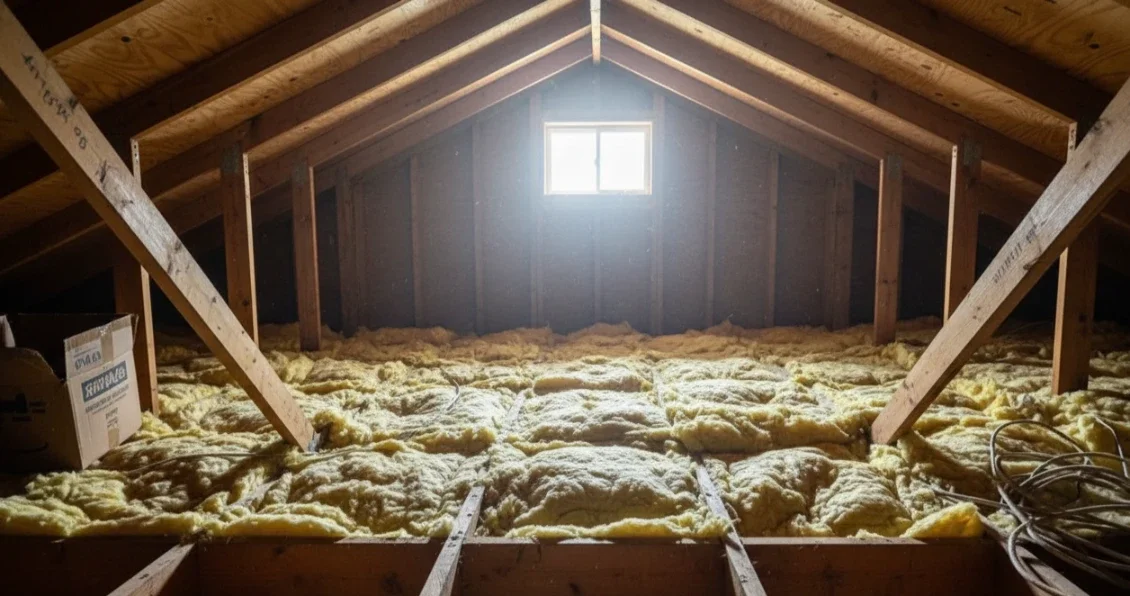
Roofing Jackson Hole, WY homes starts with roof shapes that shed snow in a predictable way. Complex valleys and dormers collect drifts and trap meltwater. Construction insulation services can help create a well-insulated, ventilated roof assembly that keeps attic heat from melting snow that then refreezes at the eaves, which is how ice dams form.
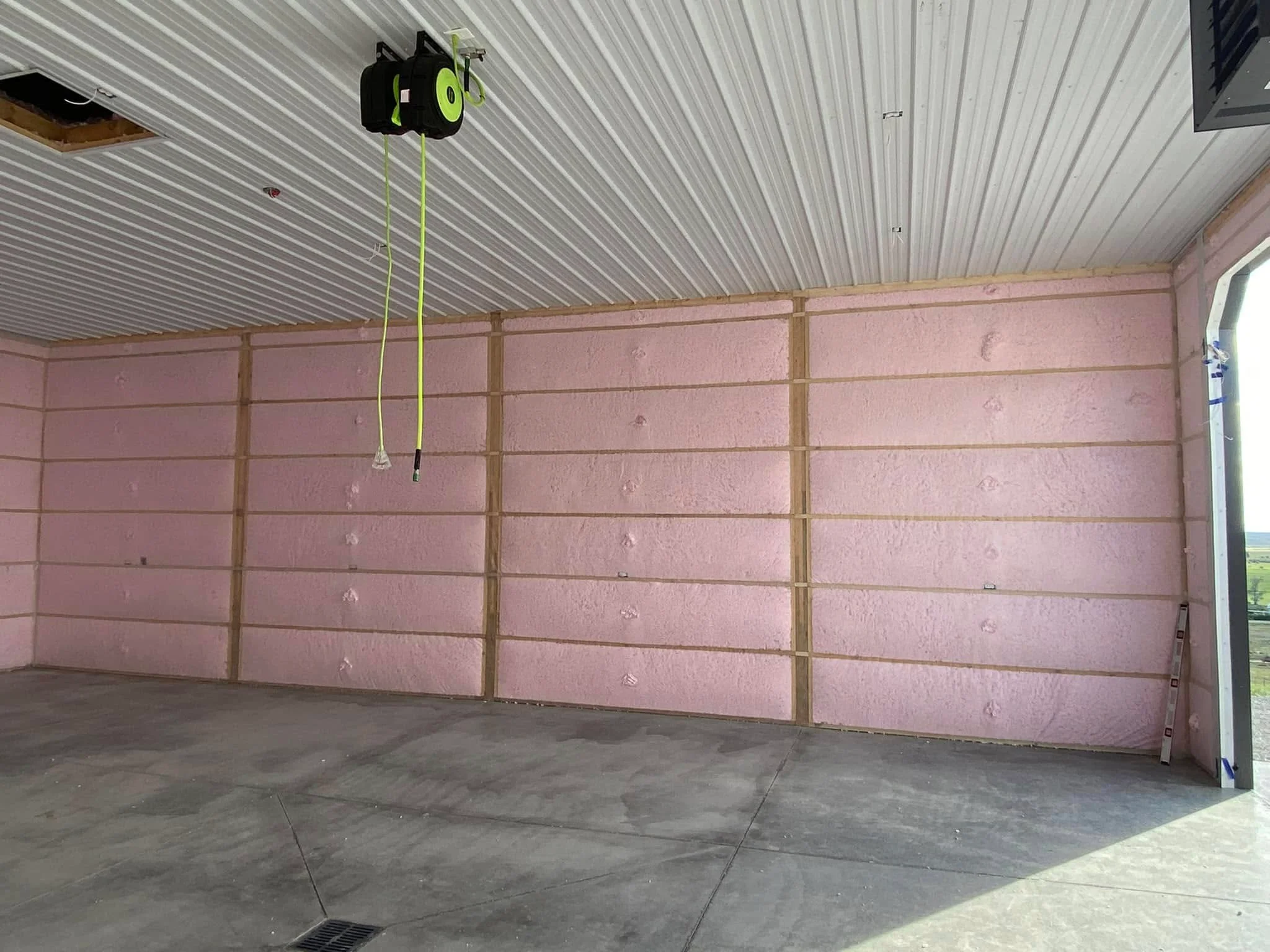
Insulating for -30°F Winters
The Teton County Design Criteria use a -30°F outdoor design temperature. The county’s insulation table for Climate Zones 7 and 8 sets these minimums:
Ceilings: R-60
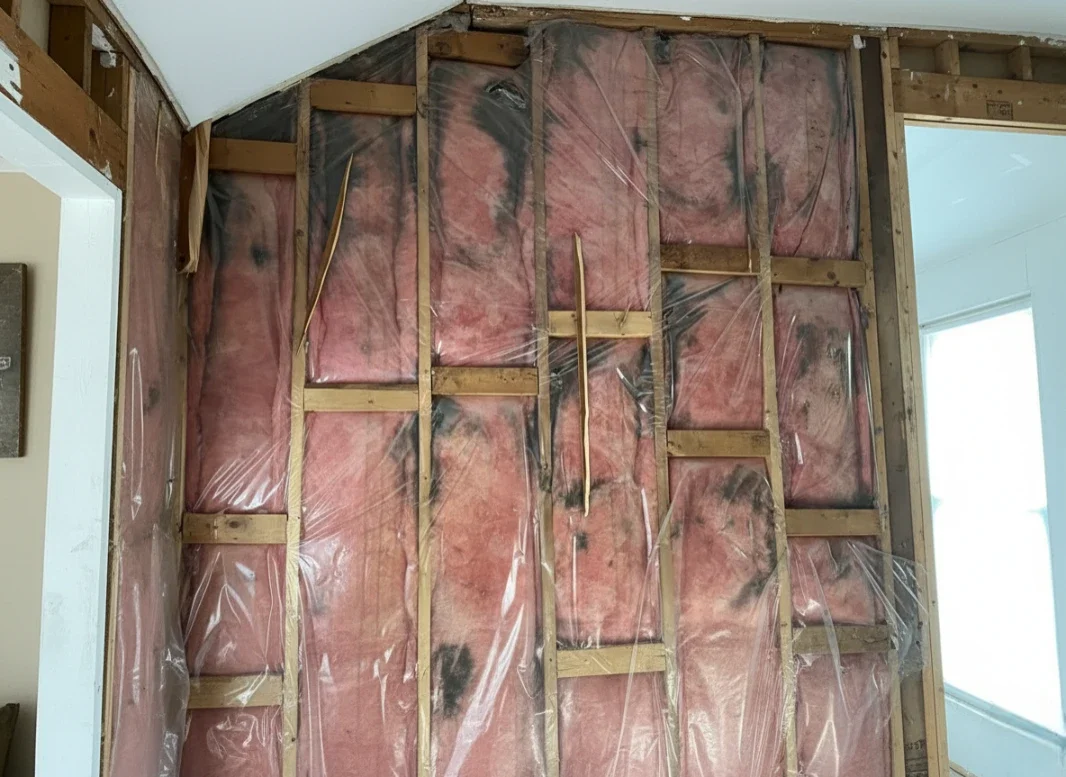
Wood frame walls: R-20 cavity plus R-5 continuous, R-13 cavity plus R-10 continuous, or R-20 continuous with no cavity insulation
Floors: R-38
Basement walls: R-15 continuous, R-19 cavity, or R-13 cavity plus R-5 continuous
Windows: U-0.30 maximum
The county also says insulation squeezed into a cavity thinner than its rated thickness must still deliver the listed R-value, so compressed batts don’t pass. A construction insulation guide can help clarify insulation requirements for new builds. The Town of Jackson Design Criteria list the 2021 International Energy Conservation Code as adopted, so ask your designer which table applies to your lot.
Commercial Building Construction in Jackson Hole
Commercial building construction here adds steps on top of the climate rules. Large roofs collect large drifts, so structural engineering has to start early.
The Town of Jackson Design Criteria also set rules that affect big homes and commercial buildings alike:
Any structure of 5,000 square feet or larger needs an approved automatic sprinkler system, with an exception for agricultural buildings.
Architectural drawings need a licensed Wyoming architect’s stamp, and civil and structural drawings need a licensed Wyoming engineer’s stamp.
Every applicant needs a wildland-urban interface (WUI) permit number from Jackson Hole Fire/EMS before the building submittal.
Commercial construction Jackson Hole projects should budget time for all three. Owners weighing commercial construction Teton Valley projects or hiring Alpine, WY construction experts should ask for each site’s snow, frost and energy criteria in writing, since even the two Jackson Hole jurisdictions list different wind speeds.
Questions to Ask Before You Hire a Builder
A general contractor Jackson, WY owners hire should answer these in plain terms:
Which jurisdiction is my lot in, and what snow load did the engineer use?
On a new home build Wyoming winters can stall, when will the roof be closed in before heavy snow?
Which wall assembly meets the table, and where does the continuous layer go?
How do you price and approve changes once work starts?
Construction experts Jackson Hole homeowners trust will answer with plans in hand, not promises.
Frequently Asked Questions About Home Construction in Jackson Hole, WY
How Much Does It Cost to Build a House in Jackson Hole?
Reliable per-square-foot figures are hard to pin down, so we won’t guess. Cost moves with your lot’s snow load, foundation, insulation level and finishes. A fair number needs plans in hand, and our free quote gives you a priced scope instead of a ballpark.
How Long Does a Custom Build Take?
It depends on design, site work and weather. Winter slows exterior work, so ask for a schedule that shows when the foundation, framing and roof will be done before deep snow. A builder promising a firm date before plans are final is guessing.
Can You Build Through Winter?
Interior work can often continue once the building is enclosed and heated. Foundations, framing and roofing get harder in deep snow and cold, so plan to close in the building early.
Why Do Changes After Construction Starts Cost So Much?
Changes can mean reworking engineered snow, structural or insulation details, and they can push back trades already scheduled. Locking the design before breaking ground is the cheapest fix.
Should I Hire a Local Contractor?
Local experience helps because snow, frost, wind and wildfire rules change from site to site. Ask for recent Jackson Hole projects and the engineer who stamped them.
Sources
Town of Jackson Design Criteria – adopted codes, frost depth, wind speed, ice shield, sprinklers, stamped drawings and WUI permit.
I’m Skeeter Aimone, owner of High Country Solutions in Alpine, Wyoming, leading the company since 2019. I focus on quality installation, building science, and insulation solutions suited to harsh Wyoming and eastern Idaho conditions.
Air Sealing, cold climate building methods, Construction, extreme climate construction guide, insulation for extreme weather, Jackson Hole construction, moisture control insulation