Mineral Wool vs Fiberglass Insulation: Which Option Is Better for Your Home?
Quick answer: In the mineral wool vs fiberglass insulation debate, mineral wool usually wins on fire resistance, moisture handling, sound…


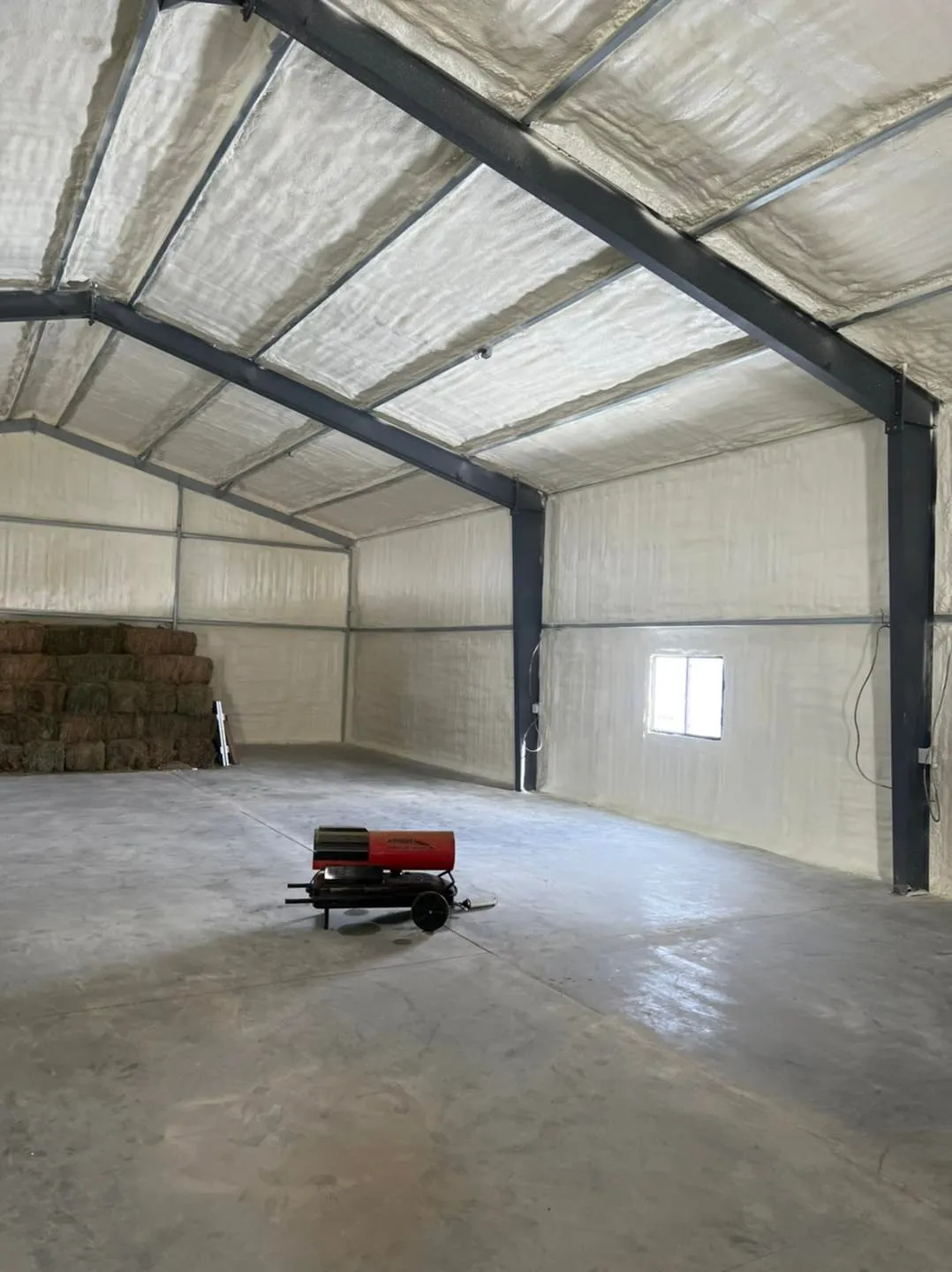
The right insulation contractor brings more to a building project than spray rigs and material. For builders working in Victor, ID, where Teton County falls within IECC Climate Zone 6 and requires ceiling insulation rated at R-49, wood-frame wall insulation rated at R-20 plus continuous exterior insulation, and floor insulation at R-30, code compliance alone is demanding enough. Add in the City of Victor’s strict permitting process, which requires an Idaho-licensed architect’s stamp for all new construction and strives to complete permit reviews within 15 business days, and the margin for error shrinks fast. A long-term insulation partner understands these local requirements, delivers consistent installation quality, and keeps your build schedule on track through every season. What separates a one-time vendor from a true partner comes down to technical expertise, reliable communication, consistent scheduling, and a willingness to adapt insulation strategies to the specific demands of each project type. Choosing the right insulation partner for builders can significantly improve project efficiency and long-term performance.
Teton County is classified as IECC Climate Zone 6, one of the colder zones in the continental United States. According to the Idaho IECC Compliance Guide, Climate Zone 6 requires some of the highest insulation values in the country. Ceiling insulation must achieve R-49, wood-frame walls need R-20 plus R-5 continuous insulation or R-13 cavity plus R-10 continuous insulation, floor assemblies require R-30, and basement walls must be insulated to R-15/R-19.
These are minimum code requirements. Builders who want to differentiate their homes with above-code performance need a contractor who can recommend the right materials and installation methods to exceed these minimums without over-engineering or wasting material. A partner who understands Climate Zone 6 specifics knows that thermal bridging through studs and framing members reduces effective R-value, and that proper air sealing is required by code to achieve no more than 3 air changes per hour (ACH). This knowledge cannot be improvised on the jobsite by someone unfamiliar with the region. Following a comprehensive home insulation guide helps ensure these critical details are addressed from the start.
The City of Victor enforces Title 7 of its Municipal Code for building regulations, and Teton County adopted the 2018 I Codes with amendments in March 2021, including the 2018 IRC, 2018 IBC, and 2018 Energy Conservation Code, as confirmed by Teton County’s Building Department. Every construction project requires a Certificate of Occupancy or Certificate of Completion before final sign-off.
For builders, this means insulation work will be inspected and must meet specific standards. An insulation contractor who has experience working within the Victor permitting system understands what inspectors look for, how to stage installations for inspection readiness, and how to avoid the callbacks that delay certificate issuance. The City of Victor’s Planning and Building Department maintains contracted inspectors for building, mechanical, and public works, and inspections cannot be guaranteed with less than 48 hours notice. Missing an inspection window because your insulation contractor failed to show or left work incomplete costs real time and money.
The homes you build carry your reputation long after the final walkthrough. According to the Department of Energy, properly installed insulation reduces heat flow through conduction, convection, and radiation, lowering heating and cooling costs while improving occupant comfort. The DOE notes that insulation that fills building cavities also reduces airflow and leakage, delivering energy savings beyond the thermal resistance alone.
ENERGY STAR’s methodology estimates that in Climate Zone 6, homeowners can expect approximately 14% savings on total energy bills and 18% savings on heating and cooling costs when air sealing and insulation are done correctly. These are not theoretical numbers. They represent the actual performance difference between a properly insulated home and one with gaps, compression, or missing coverage.
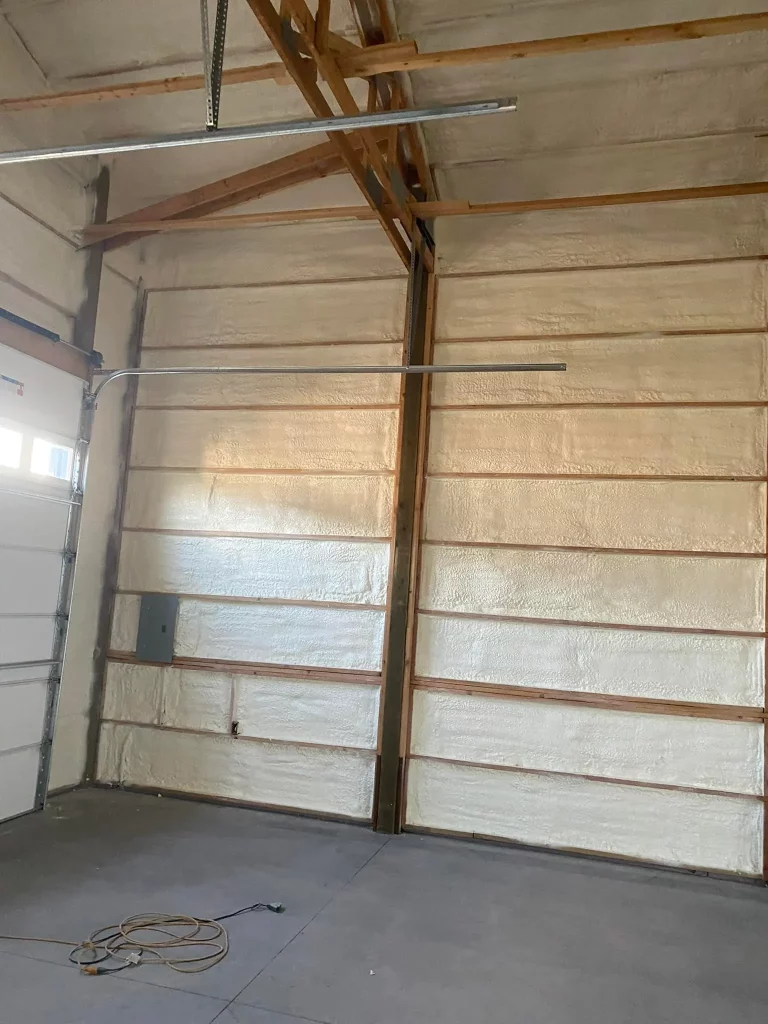
When a builder consistently delivers homes that perform well, word of mouth becomes the strongest marketing tool available. An insulation partner who delivers consistent quality on every project directly supports that reputation. Many contractors rely on spray foam solutions for builders to maintain performance standards and strengthen their reputation over time.
Different areas of a home demand different insulation approaches. The Department of Energy’s guide to insulation types provides a clear breakdown of where each material performs best. Understanding these options helps builders and their insulation partners select the right approach for each assembly.
| Insulation Type | Where It Works Best | Key Advantage | Builder Consideration |
|---|---|---|---|
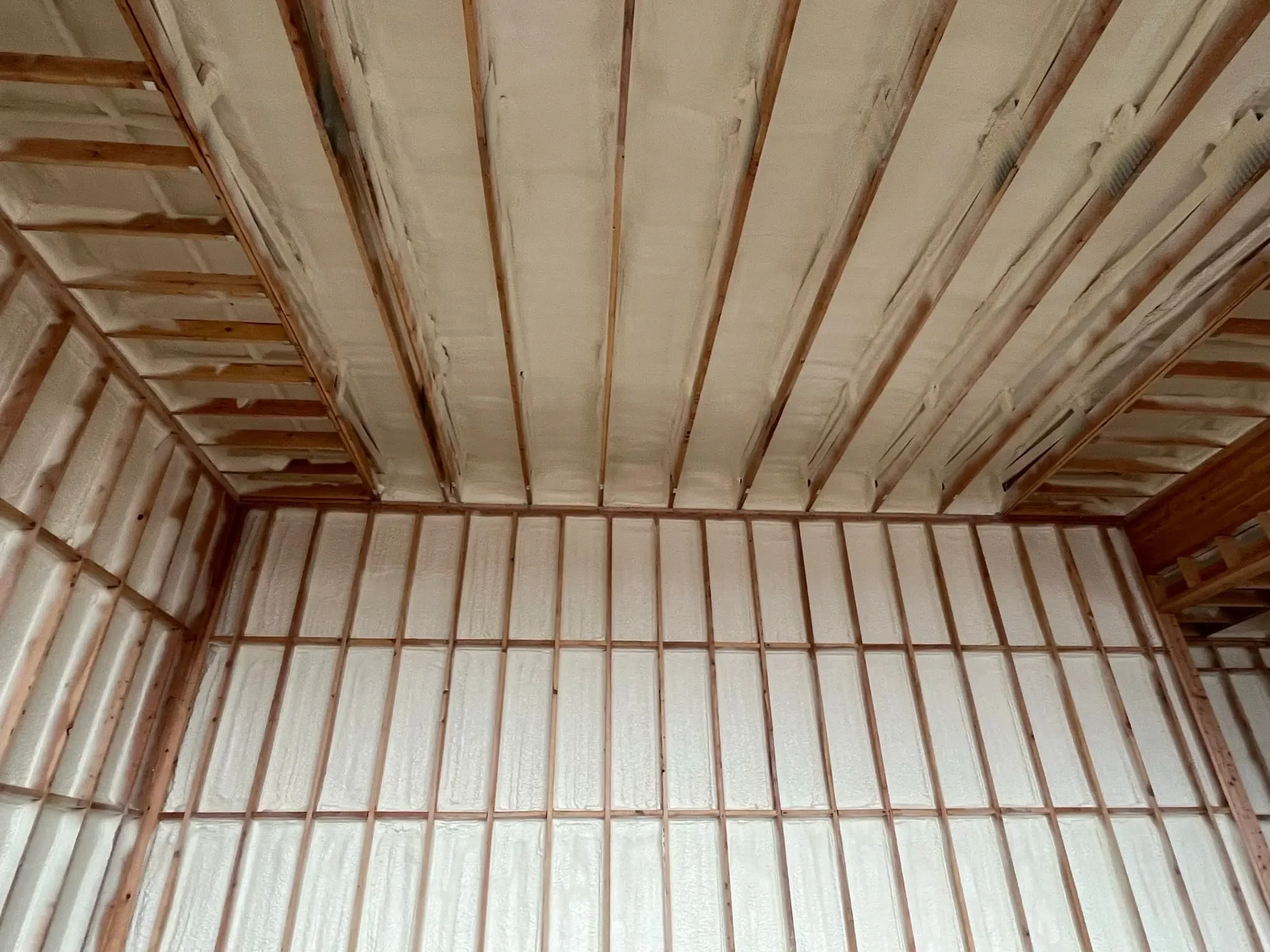
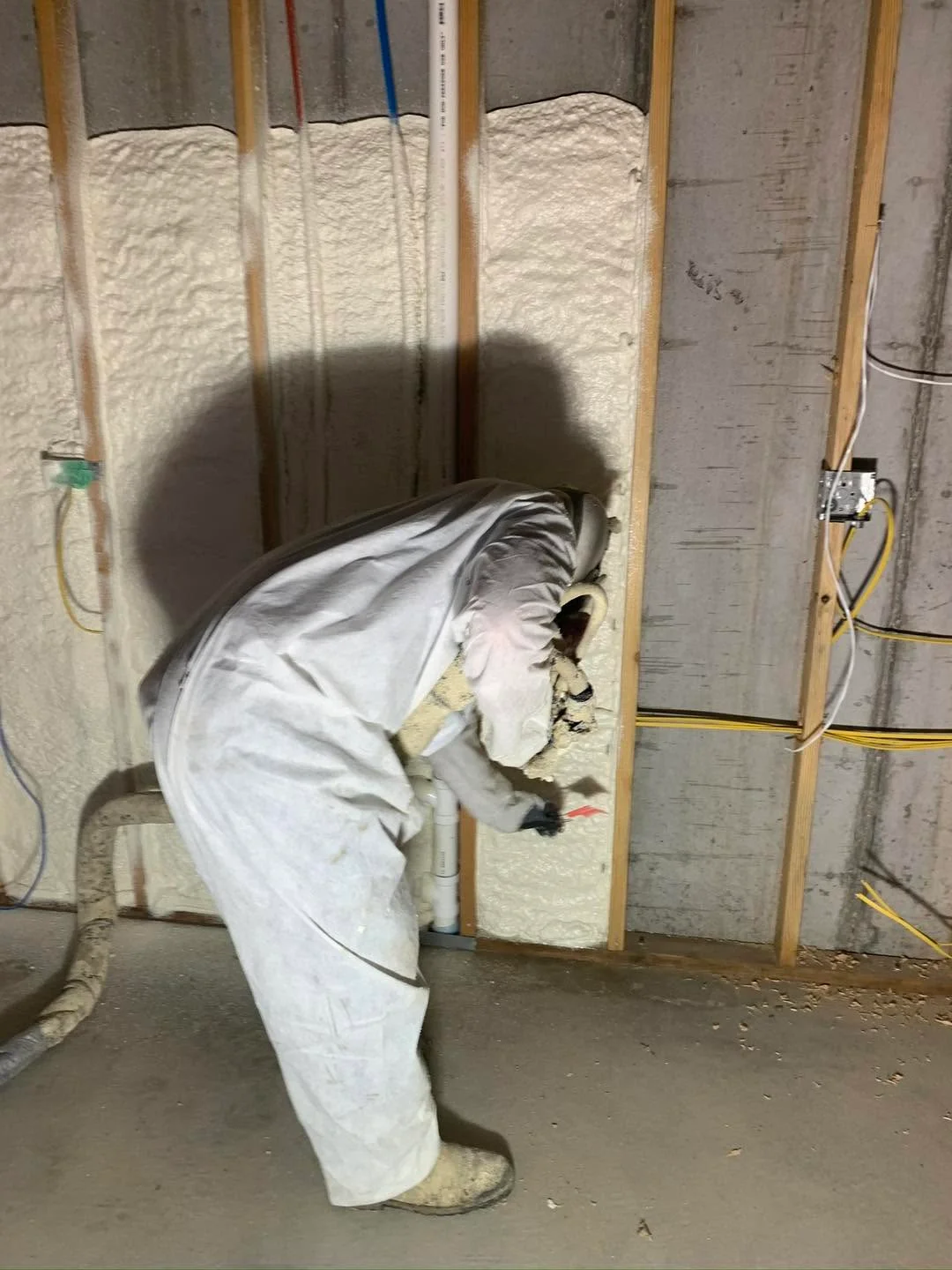
| Closed-cell spray foam | Walls, crawl spaces, rim joists, and foundations | High R-value per inch, acts as a vapor barrier and an air barrier | Higher material cost requires professional installation |
| Open cell spray foam | Wall cavities, attics, irregular spaces | Lower cost, excellent sound dampening, fills cavities fully | Not suitable below grade or where moisture intrusion is a risk |
| Blown-in cellulose or fiberglass | Attics, enclosed wall cavities, retrofit applications | Good for irregular spaces, conforms to obstructions | Requires trained installers to achieve the correct density |
| Rigid foam board | Exterior continuous insulation, basement walls | Blocks thermal bridging, high R-value per inch | Must be covered with a thermal barrier per code |
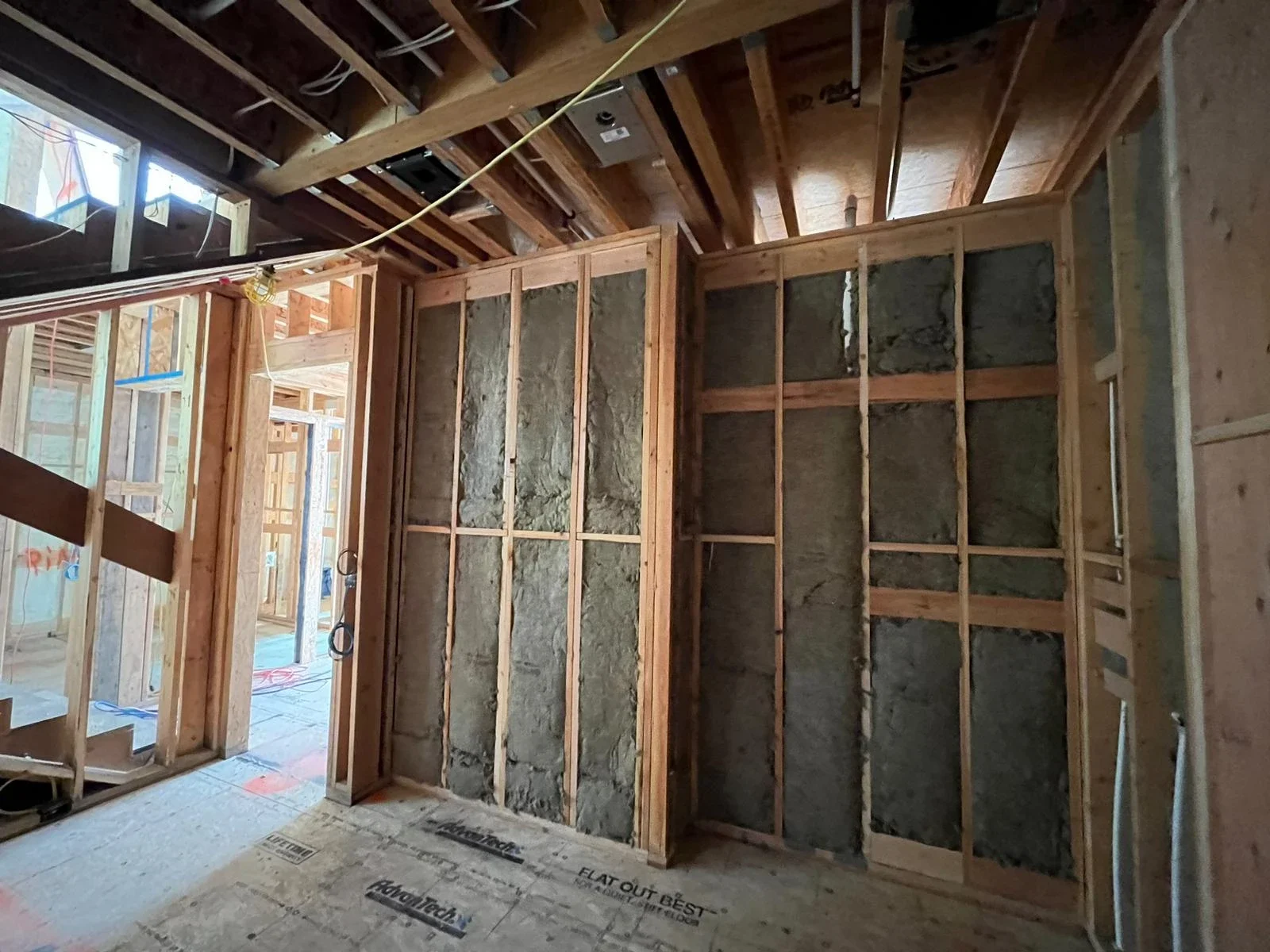
| Batts and rolls | Standard stud and joist cavities | Familiar, widely available, and relatively simple installation | Gaps and compression reduce the effective R-value |
A long-term partner brings all of these capabilities to the table, recommending the right material for each application rather than defaulting to a single product for every job.
Not every insulation contractor has the temperament or operational capacity to serve as a long-term partner. Builders evaluating potential partners should look for specific indicators.
Consistent communication: Partners who update you on material lead times, flag potential scheduling conflicts before they become problems, and confirm inspection readiness without being asked save builders countless hours of project management overhead.
Code knowledge beyond the basics: A contractor who can reference IECC requirements by climate zone, understands the difference between cavity insulation and continuous insulation, and knows when a vapor retarder is required versus when the insulation itself serves that function demonstrates the depth of knowledge that prevents code issues.
Scheduling reliability: In Victor, where construction seasons are compressed, and utility connections are restricted to April 15 through October 15, every missed appointment has outsized consequences. A partner who shows up when promised and completes work within the agreed window protects the entire project timeline.
Willingness to coordinate with other trades: Insulation installation often overlaps with framing, electrical, plumbing, and HVAC rough-ins. A partner who communicates with other trades, adjusts sequencing as needed, and minimizes disruption to the overall schedule adds measurable value.
Documentation and warranty support: Providing proper insulation certificates, R-value documentation, and product warranties helps builders close out permits and respond to homeowner questions after move-in.
| Builder Profile | Recommended Partnership Focus | Key Priorities |
|---|---|---|
| Custom home builders (5-15 homes/year) | Detailed pre-installation planning, material selection consultation, and flexible scheduling | High-end finish quality, performance above code, client-facing documentation |
| Production builders (15+ homes/year) | Volume pricing agreements, standardized insulation packages, and predictable scheduling | Cost efficiency, consistent quality, fast turnaround, minimal rework |
| Retrofit and renovation specialists | Diagnostic assessment capability, confined-space expertise, and existing-condition troubleshooting | Access solutions, moisture management, and minimal disruption to occupants |
| Multi-family and commercial builders | Large-scale coordination, code expertise for commercial assemblies, and fire-rated assemblies | Fire safety compliance, sound isolation, durability, large-area coverage |
Working with an insulation contractor who lacks experience in cold-climate construction leads to predictable problems. Compressed insulation in wall cavities reduces the effective R-value below code minimums. Gaps around window and door rough openings create air infiltration paths that show up as cold spots and high energy bills for homeowners. Missing vapor retarders in the wrong assemblies can trap moisture inside wall cavities, leading to mold, rot, and structural damage over time.
Each of these problems results in callbacks, warranty claims, and reputational damage. The cost of rework always exceeds the cost of getting the installation right the first time. A long-term partner who understands these risks and installs correctly from the start eliminates these expenses.
At High Country Solutions, we bring the technical expertise, local code knowledge, and scheduling reliability that builders in Victor and Teton County need from a long-term insulation partner. Whether your next project calls for closed-cell spray foam in a custom mountain home or blown-in attic insulation across a production development, our team delivers consistent quality backed by proper documentation for every permit and inspection. Call us at (307) 248-9063, email [email protected], or reach out today to request a quote or schedule a project consultation. We are here to help you build homes that perform as well as they look.
Victor falls in IECC Climate Zone 6, requiring R-49 ceiling insulation, R-20 wall cavity insulation plus R-5 continuous exterior insulation (or R-13 plus R-10 continuous), and R-30 floor insulation per the Idaho energy code.
Spray foam fills cavities, seals air leaks as part of installation, and delivers a higher R-value per inch than batts, which makes it more effective in the cold climate of Teton County, where air sealing is also code-required.
Consistent partnership reduces rework caused by installation errors, eliminates scheduling delays from unfamiliar crews, and provides volume efficiencies that lower your per-project insulation costs over time.
Look for demonstrated knowledge of Climate Zone 6 requirements, reliable scheduling history, willingness to coordinate with other trades, and the ability to provide proper documentation for inspections and homeowner records.
Yes, the City of Victor requires insulation to meet code and pass inspection before a Certificate of Occupancy or Certificate of Completion is issued, making correct installation and proper documentation essential to closing out your project.