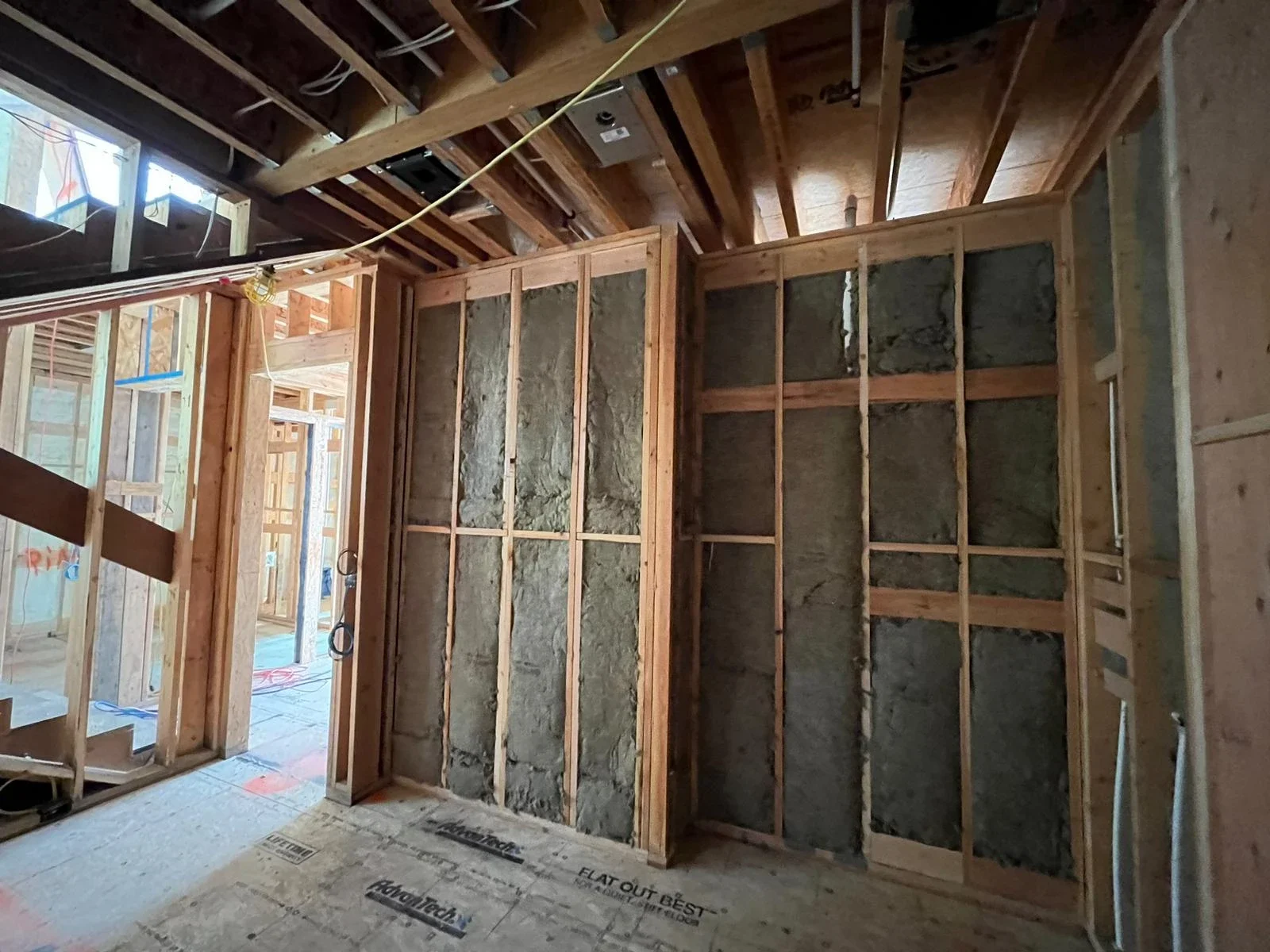
Mineral Wool vs Fiberglass Insulation: Which Option Is Better for Your Home?
Quick answer: In the mineral wool vs fiberglass insulation debate, mineral wool usually wins on fire resistance, moisture handling, sound…


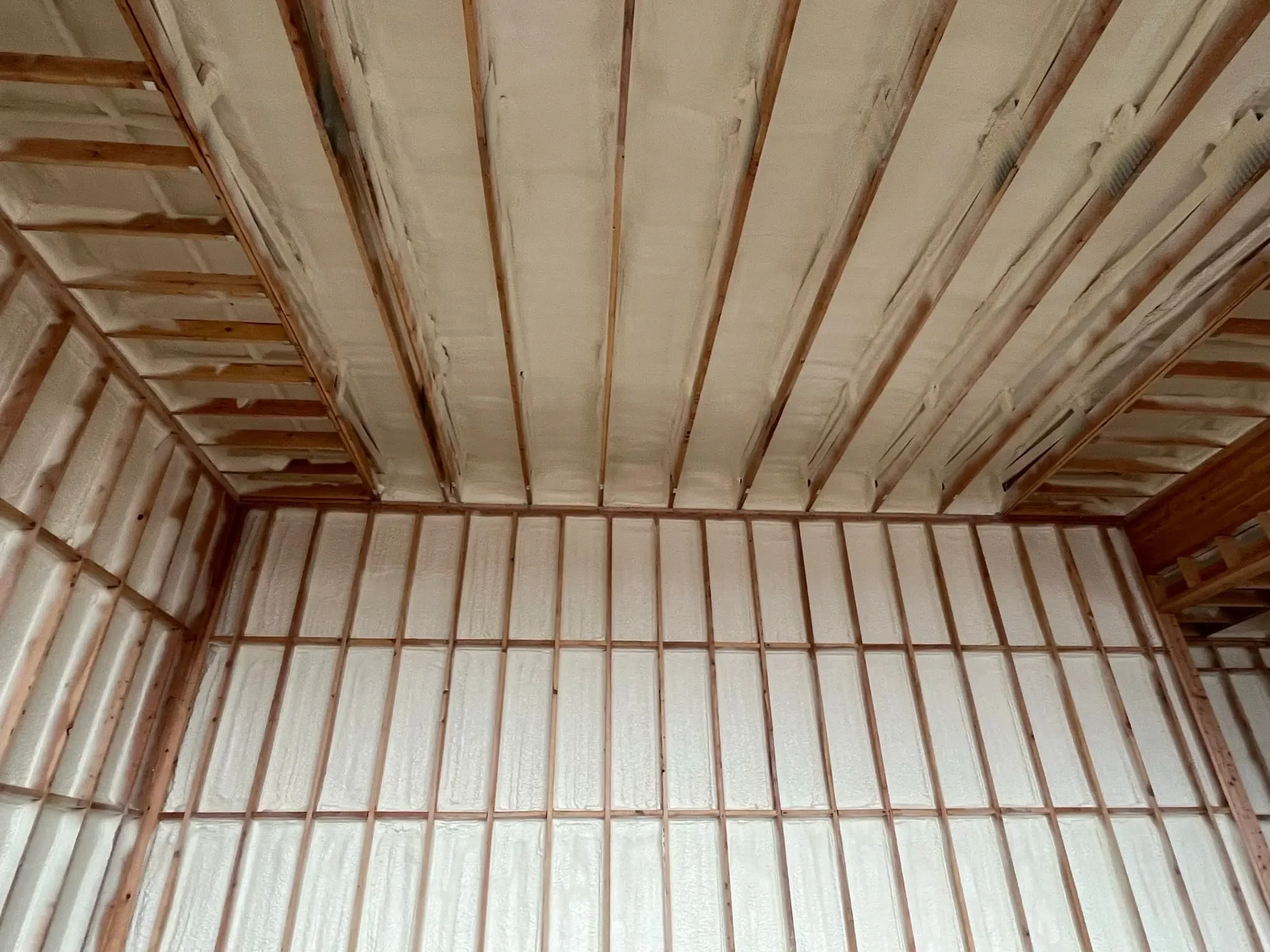
Building a new home in Victor, Idaho, means working in a cold-climate zone (Climate Zone 6B) where winter temperatures regularly drop to -20 degrees Fahrenheit. For new builders, choosing the right spray foam insulation partner is one of the earliest decisions that shapes the entire build. Spray foam insulation stands apart from traditional fiberglass and cellulose because it simultaneously insulates and air-seals, which directly affects energy performance, indoor comfort, and long-term durability. The right partner helps you meet local code requirements, select the correct foam type for each application, and stay on schedule. The wrong choice leads to code failures, moisture problems, and callbacks. Working with experienced insulation contractors can make the difference between a smooth project and costly rework.
Teton County enforces the Idaho Energy Code, which adopts the International Energy Conservation Code (IECC) for Climate Zone 6B. According to the Teton County Design Standards Checklist, the minimum insulation requirements for this zone are significant: R-49 for ceilings, R-22 for wood frame walls, R-30 for floors, and R-15/19 for crawl space walls. The checklist also requires builders to indicate all R-values and U-factors clearly on submitted plans.
Victor sits at an elevation of approximately 6,200 feet, with a winter design temperature of -20 degrees Fahrenheit and a frost line depth of 32 inches. These conditions mean heat retention is not a luxury but a code requirement. Spray foam insulation helps builders meet and exceed these thresholds without over-framing walls or building deeper truss cavities.
Before evaluating a spray foam partner, every new builder should understand the difference between the two primary foam types and where each one belongs in a build.
According to the Spray Polyurethane Foam Alliance, spray foam is measured by R-value per inch, air barrier capability, and vapor retarder classification. The table below summarizes the key differences:
| Property | Open Cell Spray Foam | Closed Cell Spray Foam |
|---|---|---|
| R-Value Per Inch | Starting at 3.6 | Starting at 5.7 to 7.0 |
| Full 2×4 Cavity Fill | R-13 | R-20+ |
| Air Barrier | Yes | Yes |
| Vapor Retarder | Class II | Class II |
| Water Resistance | Absorbs water | Impervious to water |
| Density | Low | High |
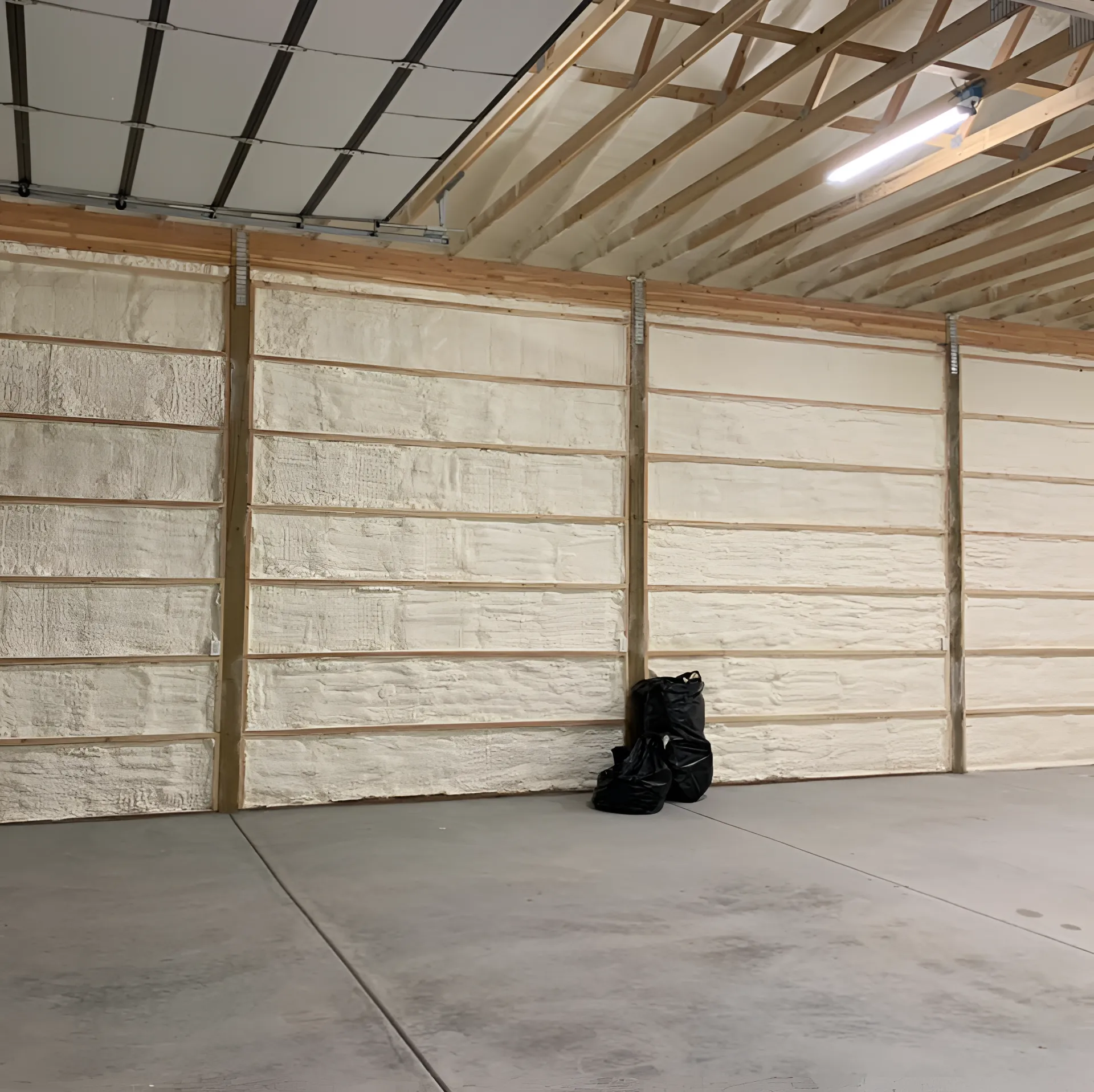
| Best Applications | Wall cavities, attics, and interior partitions | Rim joists, crawl spaces, exterior walls, pole barns |
For builders in Victor, closed cell spray foam is often the better choice for below-grade applications, crawl spaces, and rim joists because it acts as both an air barrier and a moisture barrier. Building Energy of Vermont notes that closed-cell spray foam has an R-value of 7 per inch, the highest on the market, and creates a seal that is 24 times less permeable to air infiltration than other insulation types.
Open-cell spray foam costs less per board foot and fills wall cavities effectively, making it a practical option for above-grade framing where moisture intrusion is less of a concern.
Not every insulation contractor delivers the same level of service. For a new builder in Victor, the partner you choose affects your timeline, your relationship with the building inspector, and your reputation with homeowners. Here is what separates a strong partner from an unreliable one. Prioritizing insulation quality and protection helps ensure consistent performance and fewer issues down the road.
A qualified partner understands the IECC compliance requirements for Idaho, including the specific R-values for Climate Zone 6, air sealing requirements, and blower door testing thresholds. They should be able to recommend the correct foam type and thickness for each building assembly without you having to micromanage the specifications.
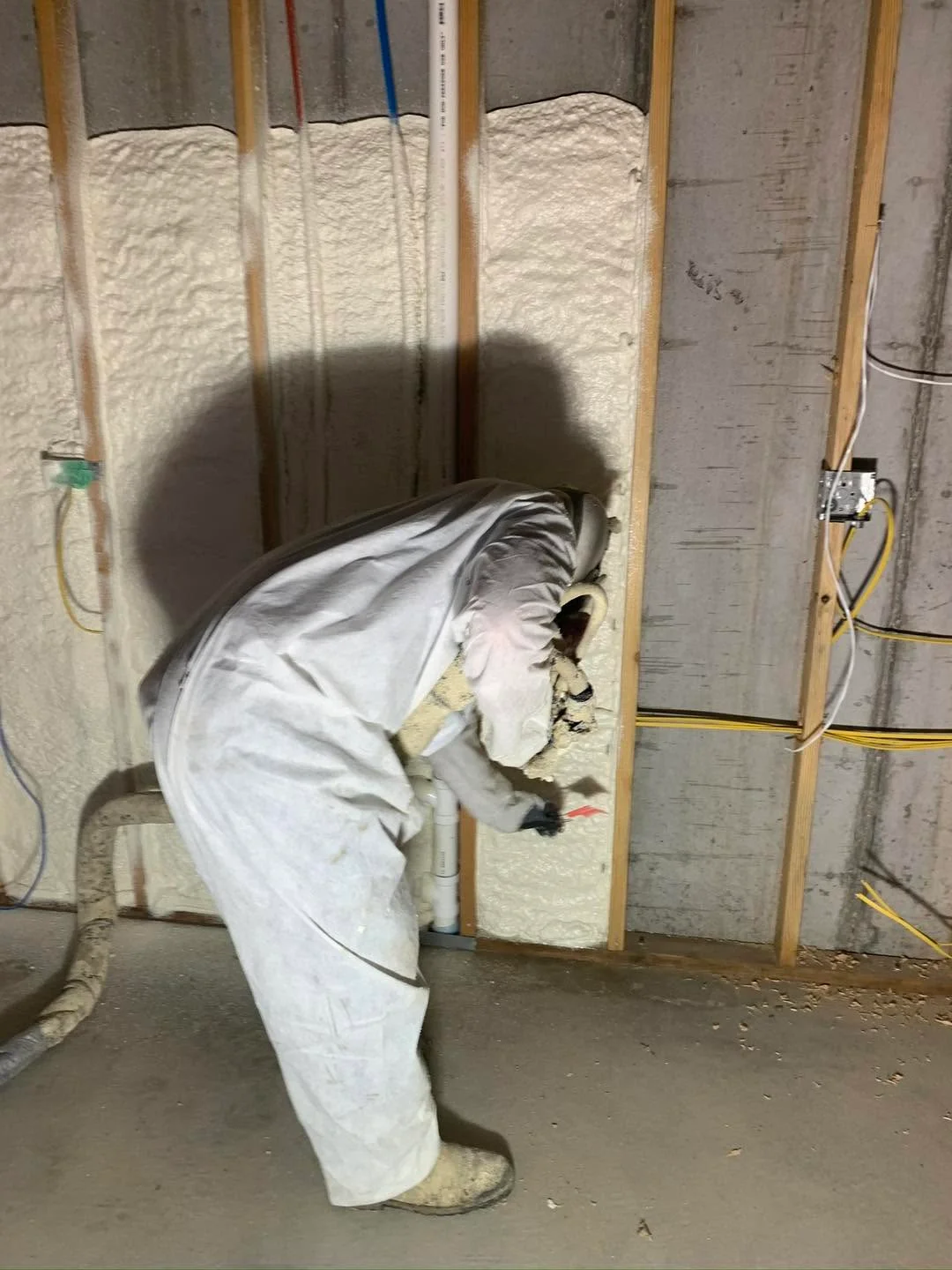
Spray foam involves reactive chemicals, including isocyanates, which require strict safety protocols during and after application. The U.S. EPA notes that the work site should be restricted to persons wearing appropriate personal protective equipment during spraying, and that vapors can migrate through a building if the area is not properly isolated and ventilated. Your insulation partner should have a clear protocol for:
In new construction, insulation typically happens after framing, rough plumbing, and rough electrical are complete but before drywall. A reliable partner coordinates with your trade schedule, shows up when expected, and communicates proactively about weather delays. Spray foam application is temperature-sensitive, and in Teton County, conditions can change rapidly.

Understanding what drives spray foam pricing helps builders make smarter decisions about scope and budget allocation. The following table outlines the typical pricing ranges for common spray foam insulation projects:
| Service Type | Typical Low | Typical Average | Typical High |
|---|---|---|---|
| Closed-cell spray foam | $2,000 | $8,000 | $25,000 |
| Open cell spray foam | $1,500 | $5,000 | $15,000 |
| Insulation removal and replacement | $1,500 | $3,000 | $7,500 |
| Pole barn insulation | $2,000 | $10,000 | $20,000 |
| Attic insulation | $1,500 | $5,000 | $15,000 |
The single biggest factor affecting pricing is material and product cost, followed closely by total square footage and foam thickness requirements. Projects with difficult access or that require the removal of existing insulation will see higher costs. Smaller jobs (below 400 square feet) may fall outside the practical range for some contractors, while average projects typically fall between 2,500 and 4,000 square feet.
Builders working in new construction have a pricing advantage over retrofit scenarios. Open stud bays, clear attic access, and no demolition required all contribute to lower costs. Coordinate with your construction insulation partner early in the design phase to avoid costly surprises at the framing stage.
Building in a Zone 6B climate requires attention to details that builders in milder climates can sometimes overlook:
High Country Solutions is ready to support your next new construction project in Victor, ID, with professional spray foam insulation services tailored to cold-climate building demands. Our team understands the Teton County code requirements, the challenges of building at elevation, and the importance of getting insulation right the first time. Whether you need closed-cell spray foam for crawl spaces and rim joists, open-cell foam for wall cavities, or a complete insulation strategy for a custom mountain home, we can help.
Contact us today at [email protected] or call (307) 248-9063 to discuss your project. Request a quote and schedule your insulation consultation.
Open-cell spray foam is less dense, has a lower R-value per inch (starting at 3.6), and is more affordable. Closed cell spray foam is denser, delivers a higher R-value per inch (starting at 5.7 to 7.0), resists water absorption, and doubles as a vapor retarder.
When properly installed and fully cured, spray polyurethane foam is considered relatively inert and stable. The EPA recommends that occupants vacate during application and allow at least 24 hours of curing and ventilation before re-entry.
Under IECC Climate Zone 6B requirements enforced by Teton County, new homes need a minimum of R-49 for ceilings, R-22 for wood frame walls, R-30 for floors, and R-15/19 for crawl space walls.
Spray foam insulation should be installed after framing, rough plumbing, and rough electrical are complete, but before drywall installation. Early coordination with your insulation partner ensures they are ready when framing passes inspection.
Spray foam seals gaps and cracks in the building envelope, which can reduce air infiltration pathways. However, Teton County requires dedicated radon systems, and your insulation partner should coordinate with the radon installer to avoid interfering with venting routes.