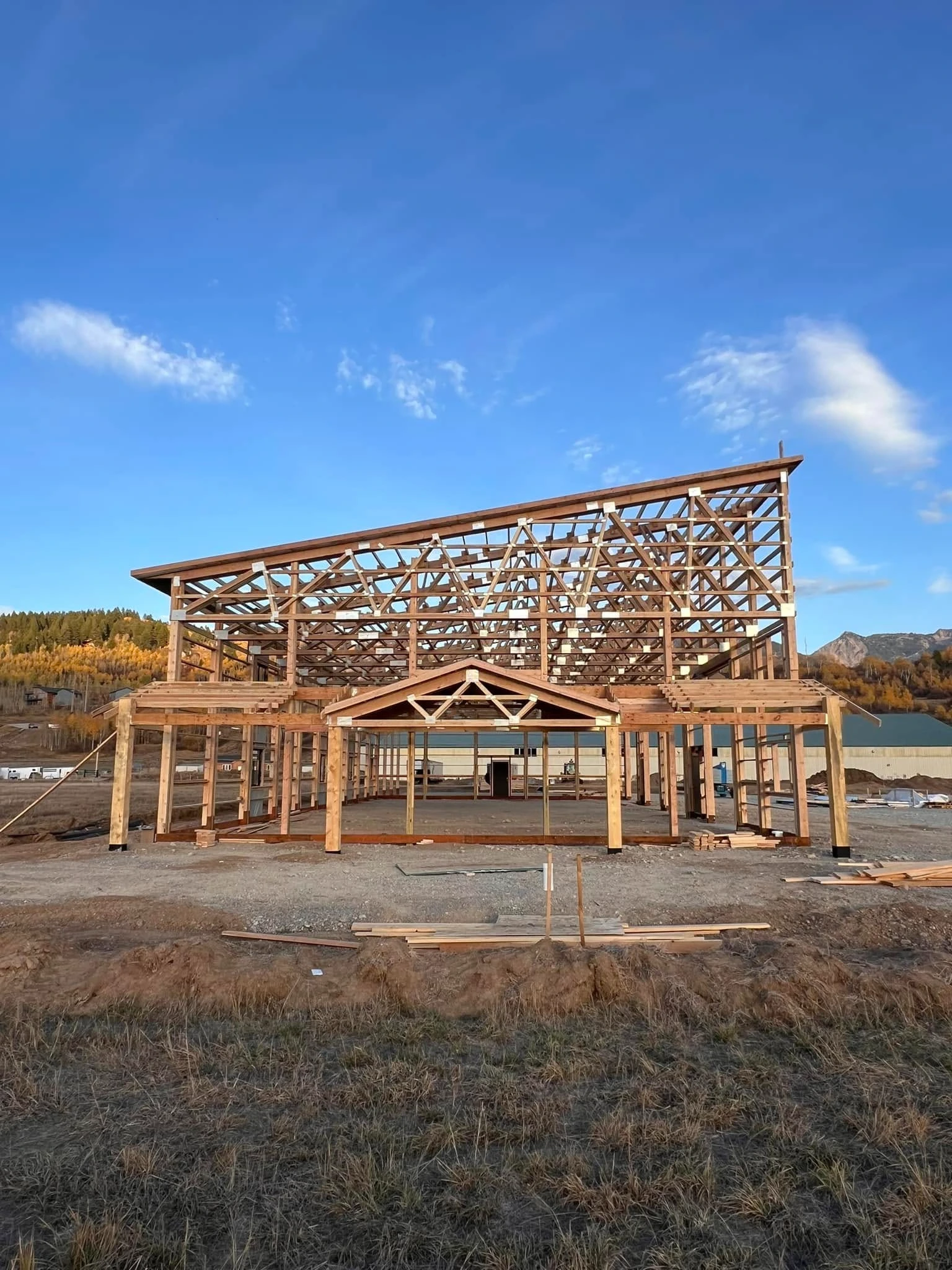
The Insulation Partner Contractors Call for Multi-Unit and Custom Builds
An Insulation Contractor for Multi-Unit Buildings should seal air leaks, control noise between units, and match each material to its…


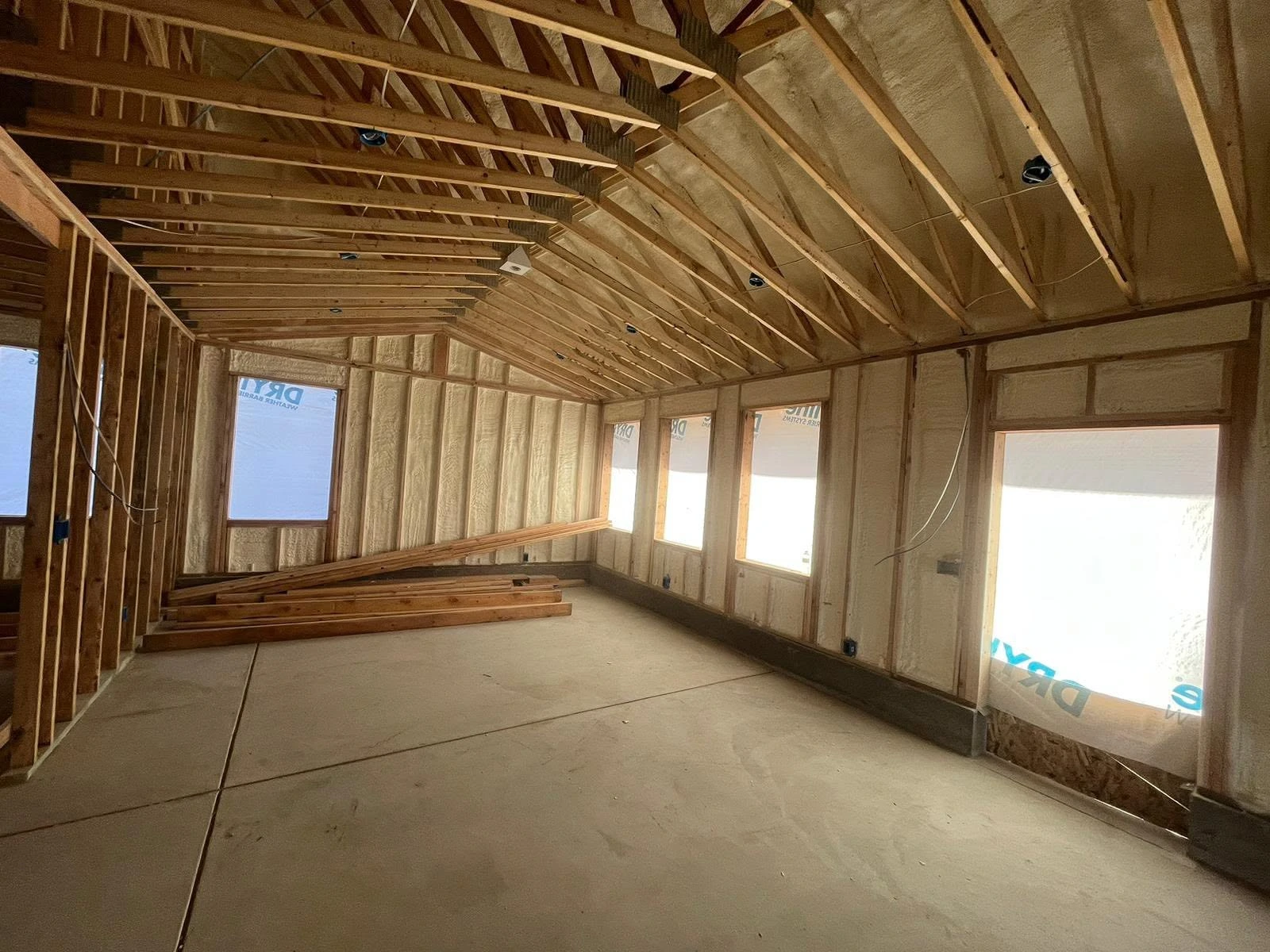
A spray foam insulation contractor seals air leaks and adds insulation in one pass, so your home or building stays comfortable and costs less to heat and cool all year. Choose open-cell or closed-cell foam based on where it’s going, then hire a crew that follows safe re-entry rules.
Spray foam goes on as a liquid and expands into a solid. It fills gaps that batts and blown-in products often miss, so it adds R-value and stops drafts at the same time. That matters because air leaks cost you twice. Warm air escapes in winter, hot air creeps in during summer, and moisture rides along with both. Your furnace or AC then runs longer to make up the difference.
Both types insulate, but they behave differently. This comparison uses figures from Journal of Light Construction, which dates to 2011, so newer products may vary.
| Factor | Open-Cell | Closed-Cell |
|---|---|---|
| R-value per inch | About 3.6 | About 6.5 (aged) |
| Vapor | Lets vapor pass | Blocks vapor |
| Cost | Slightly lower | Roughly 20% to 30% higher |
| Sound | Better noise reduction | Less noise reduction |
Open-cell often suits conditioned attics and hot, humid climates. Closed-cell makes sense in damp spots like crawl spaces, or where you need more R-value in a thin cavity. If you don’t need those extras, you may be paying for performance you won’t use.
We work on houses and on larger buildings. The foam family is the same, but the job site changes what we spray and how we plan it.
Our residential spray foam insulation work usually starts with attics, rim joists, crawl spaces, and open wall cavities, since air leaks are common there. Sealing those spots first often makes rooms feel more even and cuts drafts you can feel.
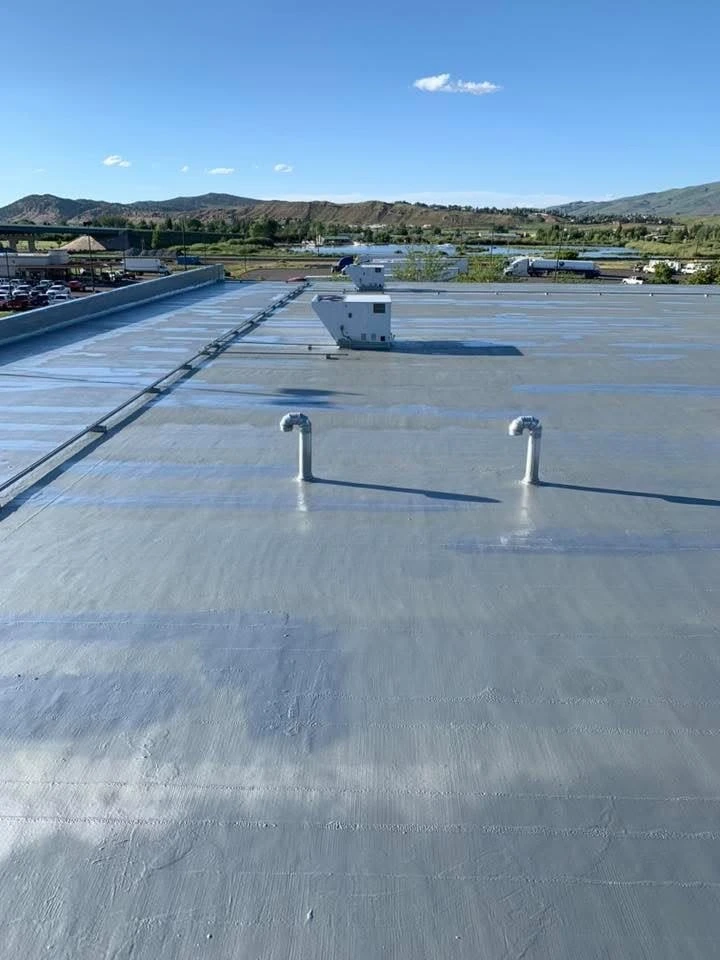
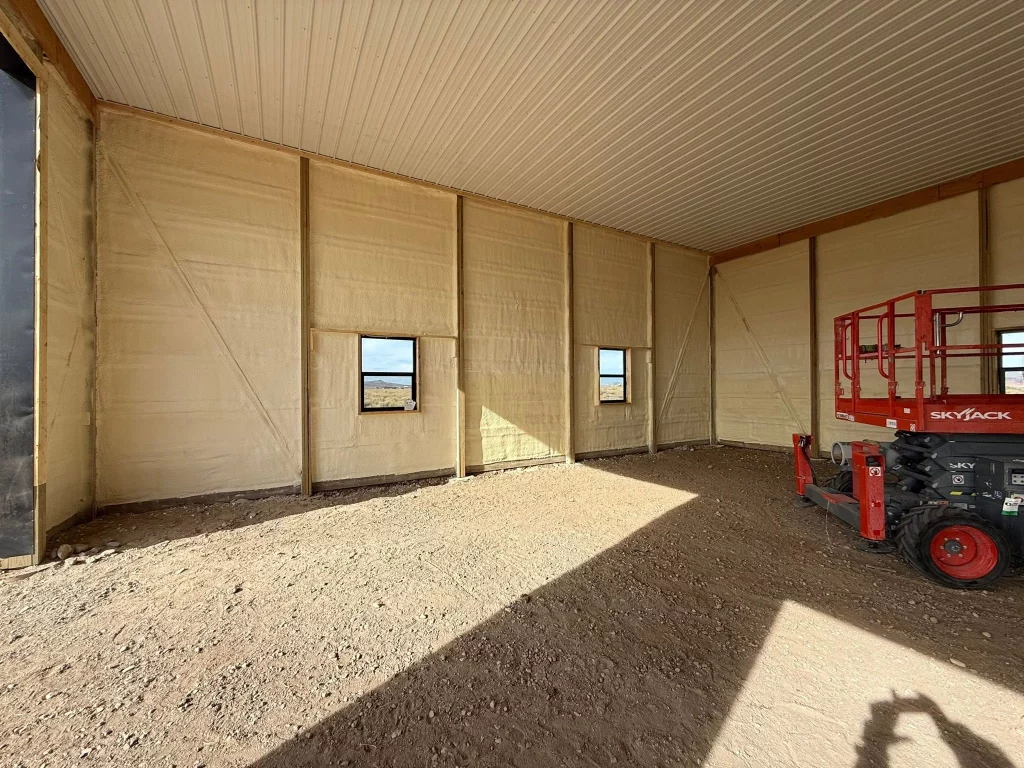
Commercial spray foam insulation covers bigger surfaces, such as metal building walls, roof decks, and ceilings. Large areas make scheduling matter, so we go over timing with you before we start and keep other trades out of the spray zone.
The easiest time to insulate is before the drywall goes up. Open framing lets us see every gap and spray cleanly.
For new construction insulation, we coordinate with your framers, electricians, and plumbers so wiring and pipes are in place first. Foam sticks to almost anything it touches, so poor planning is hard to undo later.
Spray foam is a chemical reaction happening inside your building, so safety isn’t optional. Most of the risk comes during spraying and while the foam cures.
Re-occupancy times depend on the product, so we follow the manufacturer’s instructions for each job.
Reliable current price figures vary too much by job to quote here. These factors move the number most:
We look at the space and give you a number you can compare line by line.
Ask questions before you sign anything. A good crew answers them without dodging.
A professional insulation contractor should show proof of training, insurance, and licensing, and give you references you can call. Then ask these:
Any spray foam insulation company worth hiring will walk you through each stage and tell you plainly when foam isn’t the best fit.
If you’re weighing foam types or planning a build, High Country Solutions can look at your plans and give you a straight answer. Our free quote lets you compare options before you commit.
A mild odor for a few days is common, and cold weather can stretch that to a couple of weeks. If the smell doesn’t fade, tell your installer so the foam can be checked.
It often pays off where air leaks and moisture are the main problems, like rim joists, crawl spaces, and roof decks. In a tight, dry wall with little leakage, the extra cost may not be worth it.
It works best in open cavities like attics, crawl spaces, and unfinished walls. Spraying behind finished drywall can bow or crack the board, so we’d inspect the wall first.
Yes, but it’s slow, messy, and costly, which is why getting the product and installation right the first time matters.
Small one-component cans work for gaps and cracks. Two-component, high-pressure systems should only be applied by a trained applicator.