Insulated vs Uninsulated Walls: How Big Is the Energy Difference?
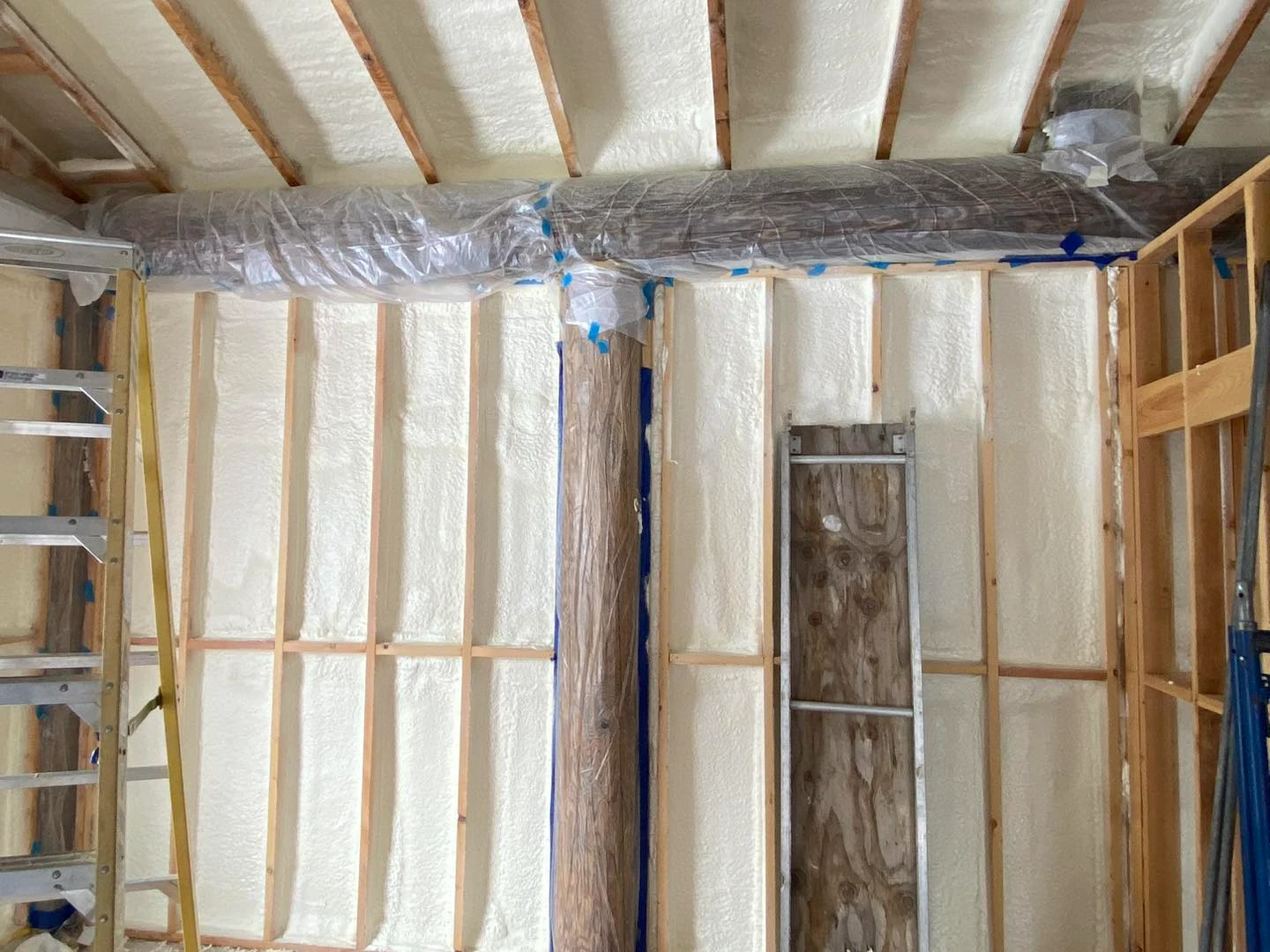
The energy difference between insulated and uninsulated walls is substantial, typically ranging from 30% to over 50% in heating and…



Achieving optimal R-value in a commercial property requires more than just purchasing high-grade insulation; it demands a strategic combination of selecting the proper material density, ensuring precision installation, and eliminating thermal bridging. While the raw R-value on a product label indicates theoretical performance, the effective R-value that your building actually experiences depends heavily on continuous insulation (CI) layers that prevent heat from bypassing the system through steel or wood studs.
This guide details the specific materials, installation techniques, and code considerations necessary to maximize thermal efficiency. By focusing on the total assembly rather than just individual components, property owners can secure long-term energy savings and compliance with increasingly stringent standards.
R-value measures a material’s resistance to conductive heat flow. The higher the value, the greater the insulating effectiveness. However, in commercial structures, the “nominal” R-value (the number on the package) often differs from the “effective” R-value due to structural elements.
Heat naturally seeks the path of least resistance. In a steel-framed commercial building, metal studs conduct heat much faster than the insulation between them. A report from Thermal Bridging Solutions indicates that thermal bridging through steel stud framing can reduce the effective R-value of a wall assembly by over 40%. To counter this, modern energy codes emphasize continuous insulation, a layer installed over the exterior of the framing to break these thermal bridges and protect the building’s thermal envelope.
Selecting the correct insulation type depends on your specific climate zone, available space, and budget. The table below compares common commercial insulation materials based on their thermal resistance per inch of thickness.
| Material Type | R-Value Per Inch (Approx.) | Key Characteristics | Best Use Case |
|---|---|---|---|
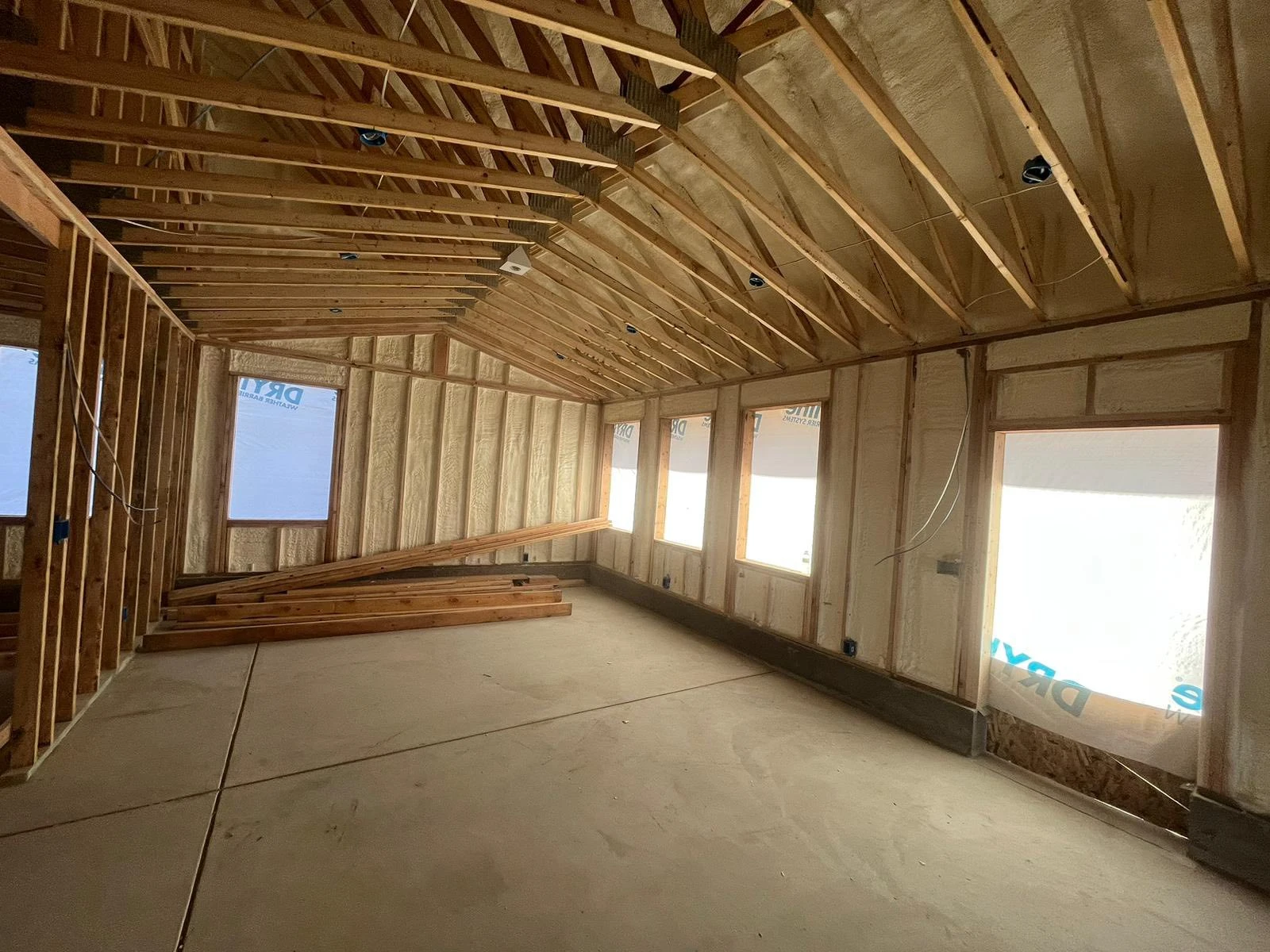
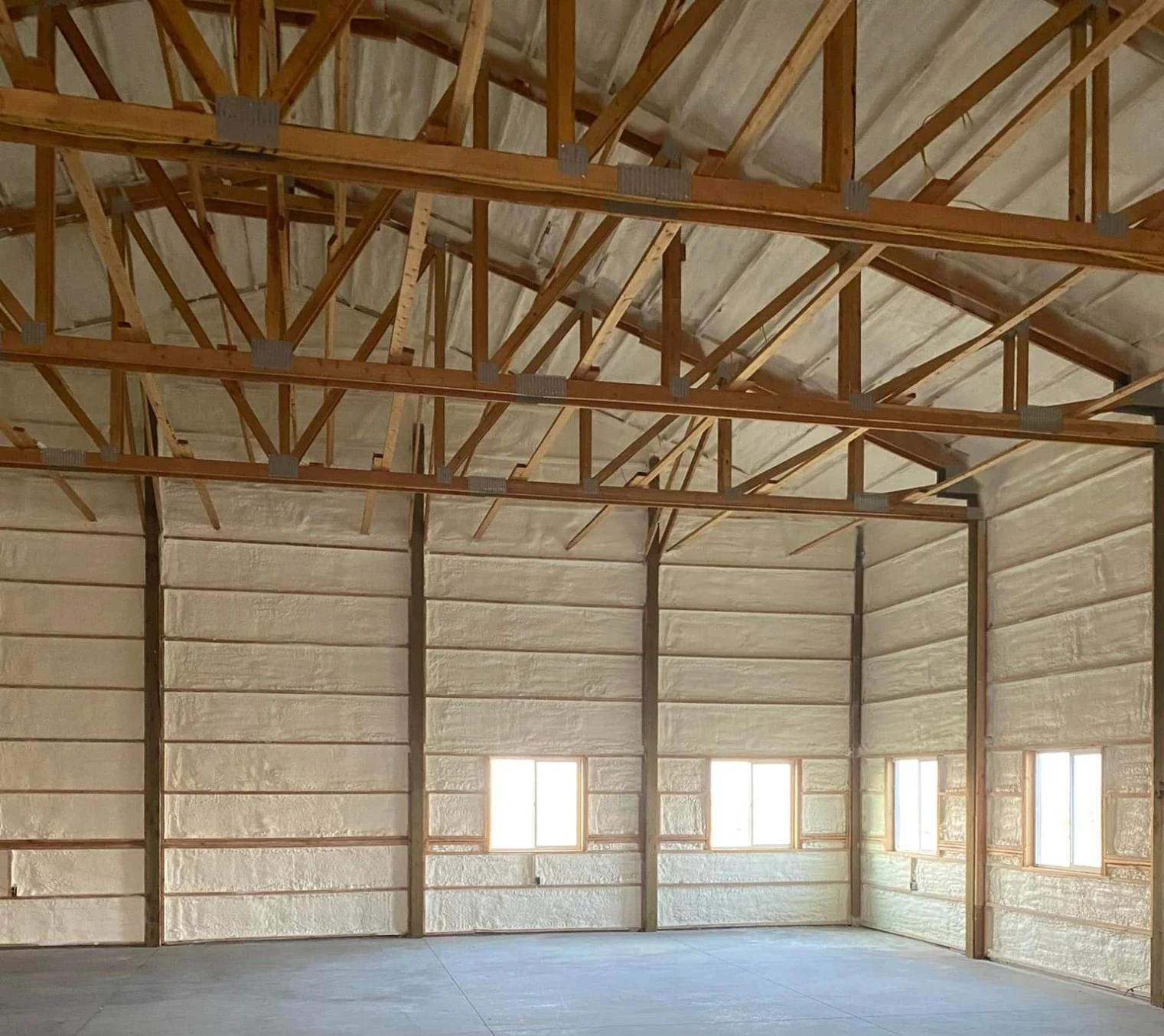
| Closed-Cell Spray Foam | R-6.0 – R-7.0 | Acts as an air/vapor barrier; high rigidity; water resistant. | Irregular spaces, roofs, and areas needing air sealing. |
| Polyisocyanurate (Polyiso) | R-5.5 – R-6.0 | High thermal performance; degrades slightly over time (drift). | Commercial roofing (above deck) and wall sheathing. |
| Extruded Polystyrene (XPS) | R-5.0 | High moisture resistance; strong compressive strength. | Below-grade applications, foundations, and floors. |
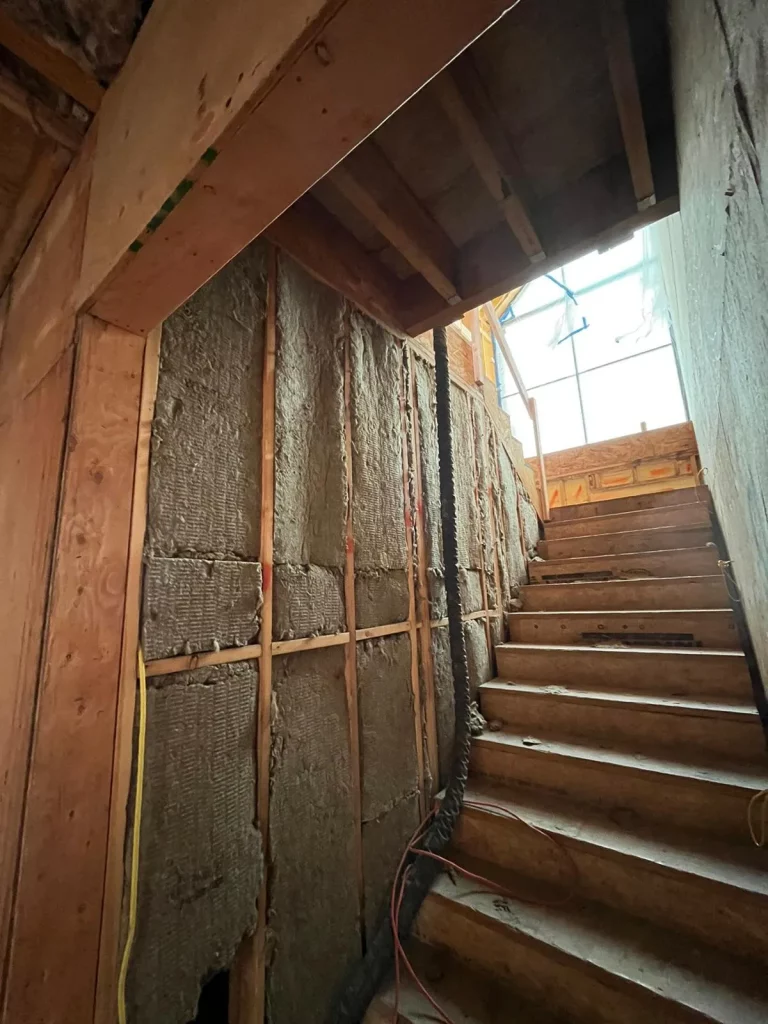
| Mineral Wool | R-4.0 – R-4.3 | Fire-resistant; sound-deadening; repels water but drains well. | Curtain walls, rainscreen systems, and fire-rated assemblies. |
| Expanded Polystyrene (EPS) | R-3.6 – R-4.2 | Cost-effective; retains R-value well over time. | Roof insulation and wall panel systems, where the budget is key. |
| Fiberglass Batts | R-2.2 – R-4.3 | Inexpensive; susceptible to moisture and air infiltration. | Interior wall cavities (requires a separate air barrier). |
Note: Values can vary by manufacturer and density.
Energy codes are becoming stricter to force better efficiency in the built environment. The International Code Council released the 2024 International Energy Conservation Code (IECC), which updates insulation R-value requirements for metal and wood-framed exterior walls. These updates often mandate higher continuous insulation levels to combat the thermal bridging issues mentioned earlier.
The financial impact of these standards is significant. Research suggests that insulation adoption can reduce heating and cooling energy demand by up to 30–35% in residential and commercial buildings. For a commercial facility, this translates into lower operating costs and higher net operating income (NOI), making the initial capital expenditure on premium insulation a sound investment.
Before finalizing your insulation strategy, evaluate these pre-decision factors to ensure alignment with your building’s long-term needs.
Yes, this is a common practice called a “hybrid” system. For example, you might use spray foam to seal the cavity and provide a high R-value per inch, then add a layer of mineral wool or rigid foam board on the exterior for continuous insulation and fire resistance. This approach combines the strengths of multiple materials.
A higher effective R-value reduces the heating and cooling load on your building. If you achieve a high-performance envelope, you may be able to downsize your HVAC equipment. This saves money on the HVAC units themselves, which can offset the cost of the extra insulation.
It depends on the material. Mineral wool, fiberglass, and EPS tend to maintain their R-values for decades if they remain dry. Polyiso and some spray foams experience slight thermal drift in the first few years as gases exchange with air, but they eventually stabilize. Always ask for the LTTR (Long-Term Thermal Resistance) numbers.
From a physics standpoint, yes. From an economic perspective, there is a break-even point. Once you meet code compliance, adding R-value yields smaller financial returns. The goal is to find the “optimal” point where the cost of installation matches the long-term energy savings for your specific climate zone.
Achieving optimal R-value requires selecting appropriate materials, properly installing them, and addressing the entire building envelope rather than isolated components. By prioritizing continuous insulation and understanding the realistic performance of materials such as Polyiso, XPS, and mineral wool, you can significantly reduce energy demand.
Evaluate your specific climate zone and building usage before committing to a system. A strategic approach to insulation protects your structural assets and lowers monthly overhead.
High Country Solutions provides specialized guidance for commercial property owners looking to maximize energy efficiency and structural integrity. Whether you need a detailed assessment of your current envelope or a quote for a new project, our team helps you make data-backed decisions.
Contact Us Today: