Insulated vs Uninsulated Walls: How Big Is the Energy Difference?
The energy difference between insulated and uninsulated walls is substantial, typically ranging from 30% to over 50% in heating and…


Investing in high-quality commercial insulation is a smart financial move that offers significant long-term savings. Superior insulation minimizes energy consumption by preventing heat transfer, resulting in lower utility bills over time. Beyond immediate cost reductions, quality insulation also enhances building comfort, protects infrastructure from moisture damage, and boosts property value.
This article provides valuable insights and practical guidance on the benefits of investing in high-quality commercial insulation. With over 15 years of experience in the insulation industry, High Country Solutions has witnessed firsthand the significant return on investment that quality insulation provides. High Country Solutions focuses on providing cost-effective, energy-efficient solutions that help businesses protect their bottom lines.
Commercial insulation acts as a barrier, reducing the movement of heat. This process keeps buildings cooler in the summer and warmer in the winter, stabilizing indoor temperatures regardless of external weather conditions. Different types of insulation materials are available, each with unique properties and applications. These materials are rated based on their thermal resistance, or R-value, which measures their ability to resist heat flow. A higher R-value indicates better insulating performance and greater potential for savings, Energy Star.
The primary benefit of quality insulation is reduced energy costs. Buildings with efficient insulation require less energy to heat and cool, leading to lower utility bills. Reports from the U.S. Energy Information Administration indicate that heating and cooling account for a significant share of energy use in commercial buildings, making thermal efficiency the most direct path to reducing operational overhead. Over the lifespan of a commercial building, these savings can be substantial, often offsetting the initial investment within a few years.
Another economic advantage is the potential for increased property value. Energy-efficient buildings are often more desirable to tenants and buyers, commanding higher selling prices. Moreover, government incentives and tax credits for energy-efficient upgrades can further reduce the upfront cost of insulation.
Bonus Tip: Consider the lifespan of the insulation material when making your choice. Durable materials require less maintenance and replacement, providing long-term cost savings.
Several types of insulation are commonly used in commercial buildings, each with its own advantages. Choosing the right type depends on factors such as the building’s structure, climate, and budget.
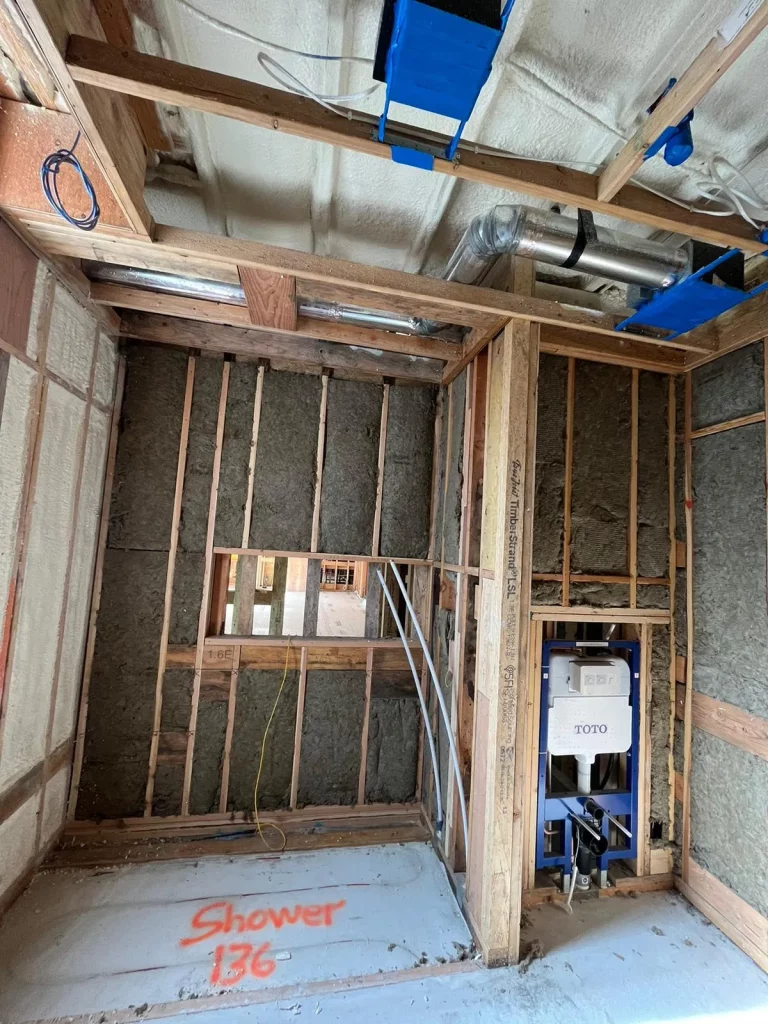
Before investing in commercial insulation, several factors should be evaluated:
The table below compares common commercial insulation materials to assist in decision-making.
| Insulation Material | R-Value per Inch | Advantages | Disadvantages | Typical Applications |
|---|---|---|---|---|
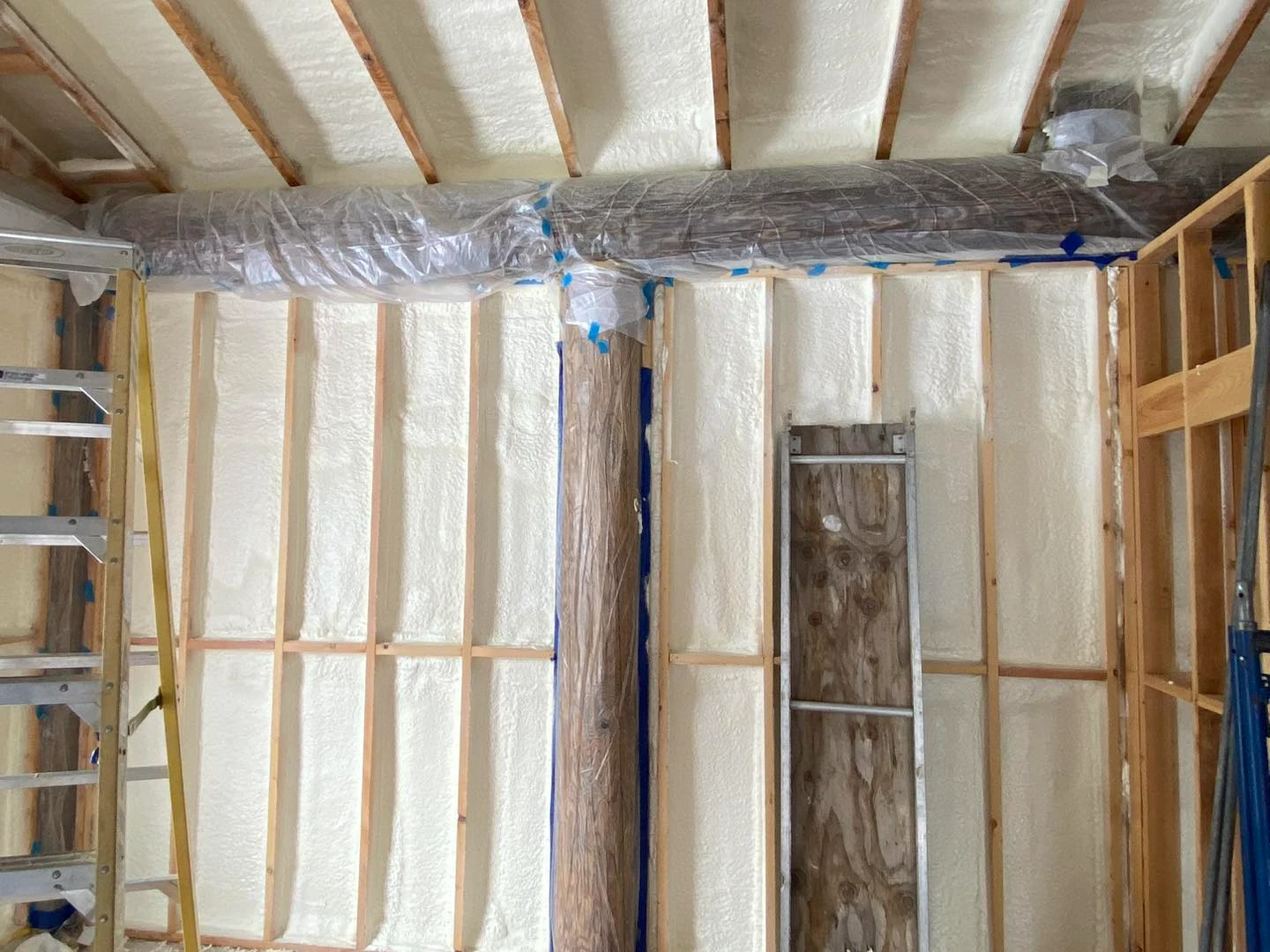
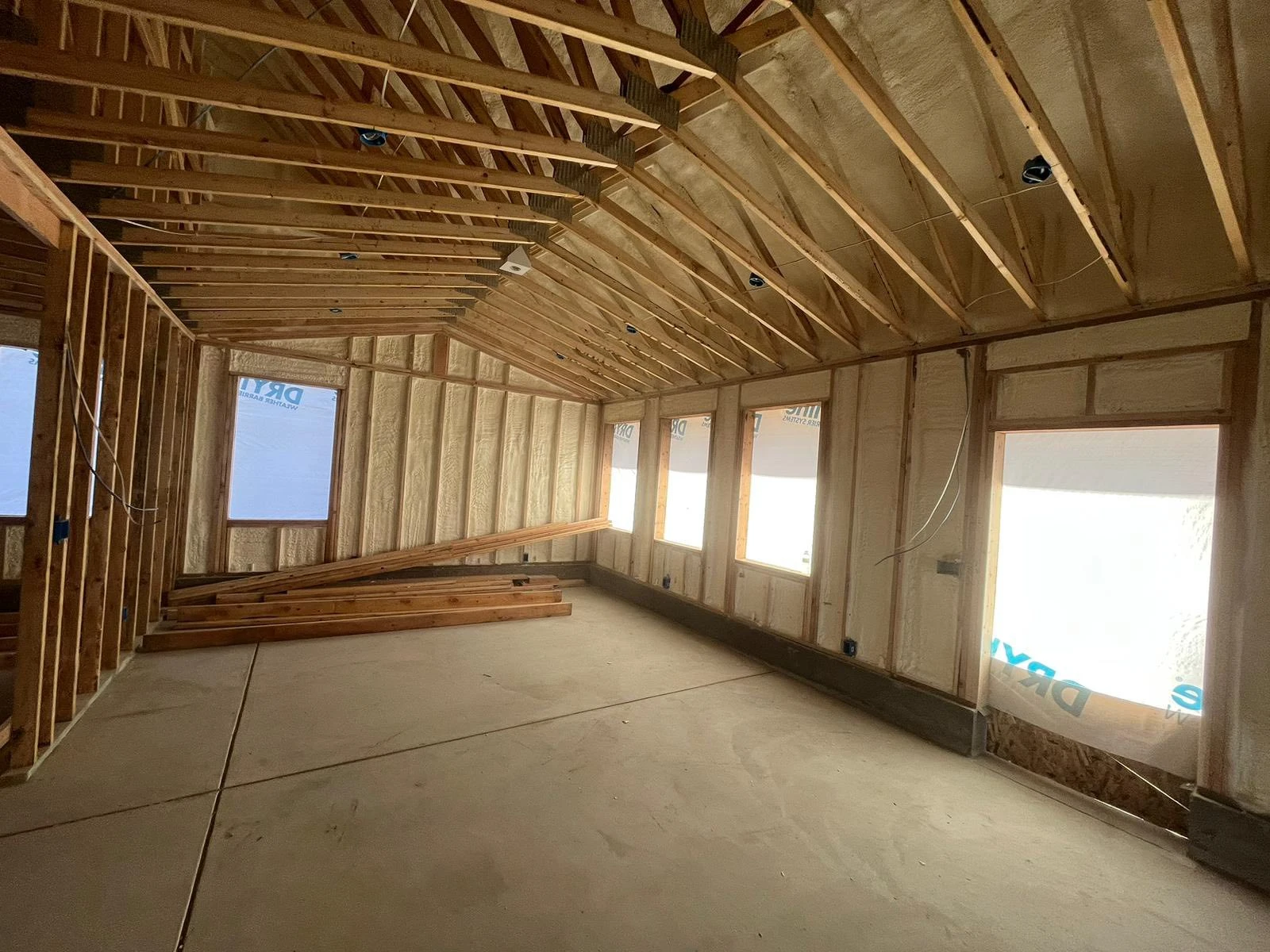
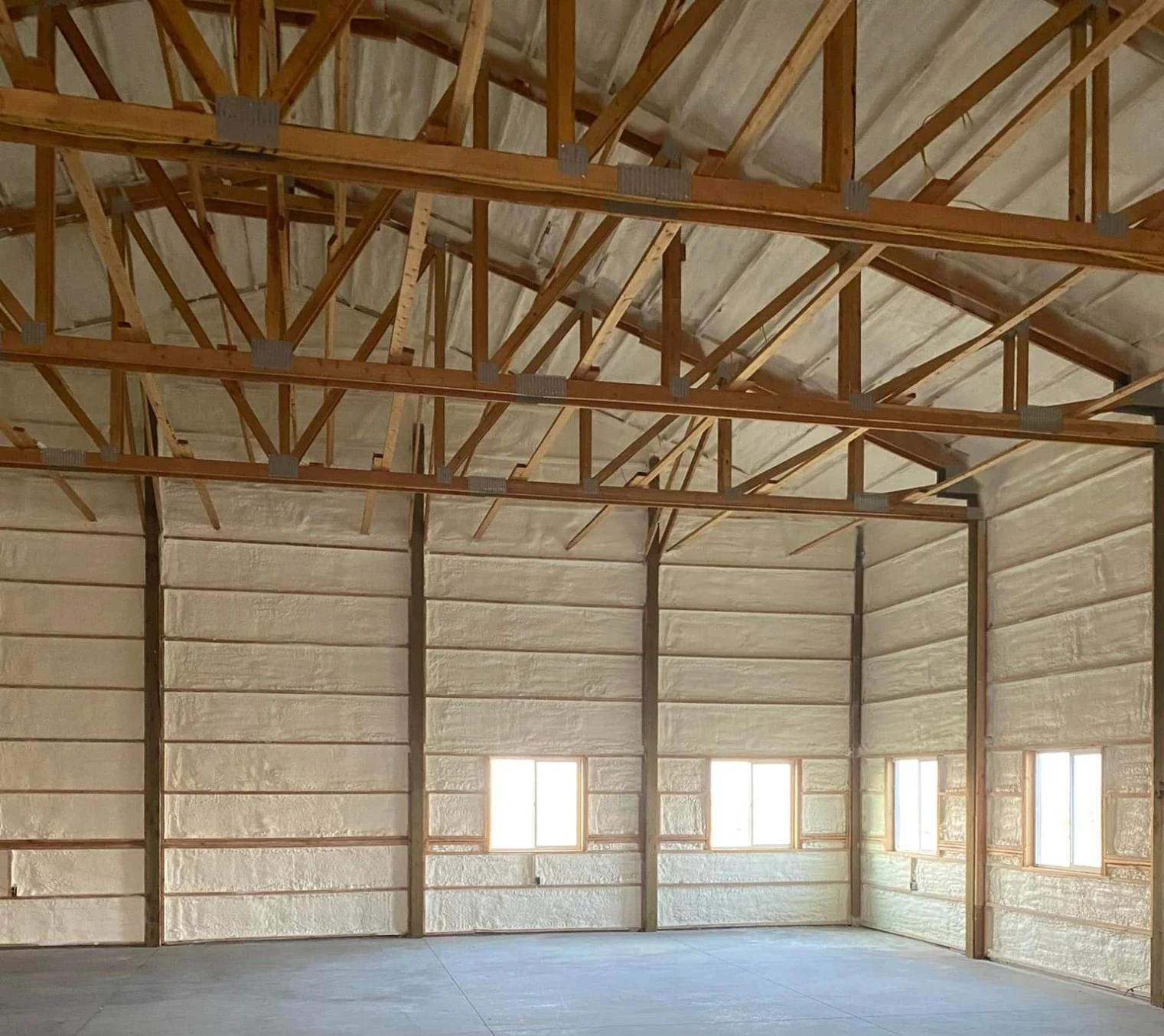
| Spray Foam | High | Excellent air sealing, high R-value, fills gaps effectively | Higher initial cost, requires professional installation | Walls, roofs, and difficult-to-reach areas |
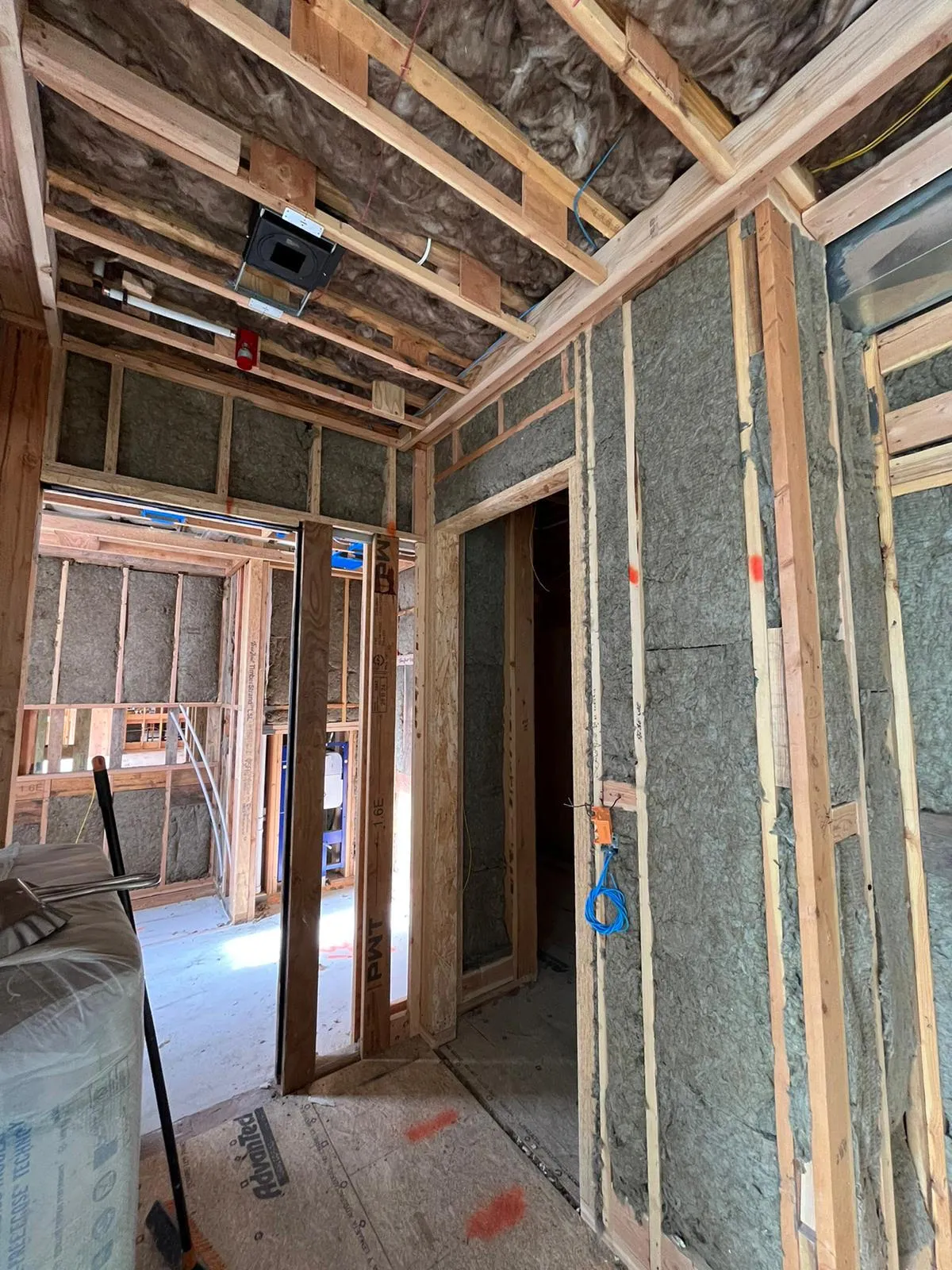
| Fiberglass | Moderate | Cost-effective, readily available, easy to install | Can settle over time, less effective at air sealing | Walls, roofs, floors |
| Cellulose | Moderate | Eco-friendly, good thermal performance | Can settle, requires professional machine for installation | Walls, attics |
| Mineral Wool | Moderate | Fire-resistant, sound-dampening | It can be more expensive than fiberglass, moisture sensitive | Walls, roofs, industrial applications |
| Rigid Foam | High | High R-value, moisture-resistant, structural support | More expensive, requires careful cutting/fitting | Roofs, walls, foundations |
The recommended R-value depends on the building’s location, climate zone, and local building codes. It is best to consult local energy codes to determine the minimum requirements for your area.
The lifespan varies by material. However, according to the U.S. Department of Energy, properly installed insulation can last for decades, though it should be inspected periodically for water damage or settling, which can reduce effectiveness.
Yes, insulation improves indoor air quality by sealing the building envelope. This prevents outside pollutants, allergens, and humidity from entering the workspace.
Absolutely. Materials like mineral wool and spray foam have excellent sound-dampening qualities, which help reduce noise transmission from the outdoors and between internal rooms.
Investing in quality commercial insulation provides substantial long-term savings by reducing energy consumption and increasing property value. Understanding the different types of insulation, their R-values, and the factors to consider before making a decision is crucial. By carefully evaluating specific needs and selecting the right solution, businesses can significantly reduce operating costs and enhance overall building efficiency.
To learn more about how High Country Solutions can help improve your building’s energy efficiency and reduce operational costs, contact the team today at [email protected] or call (307) 248-9063. Let High Country Solutions help you make a wise investment in a more sustainable, profitable future.