Insulated vs Uninsulated Walls: How Big Is the Energy Difference?
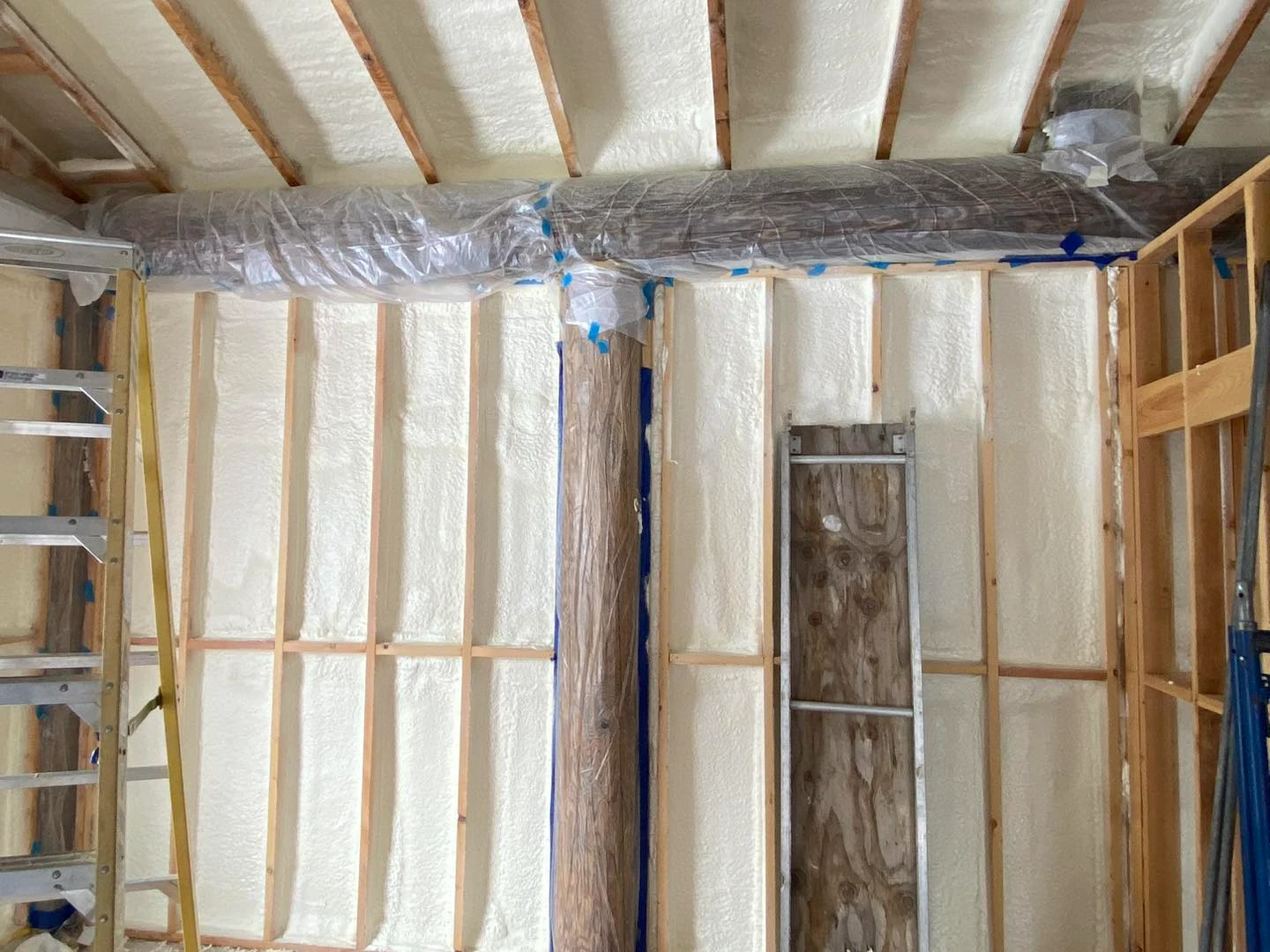
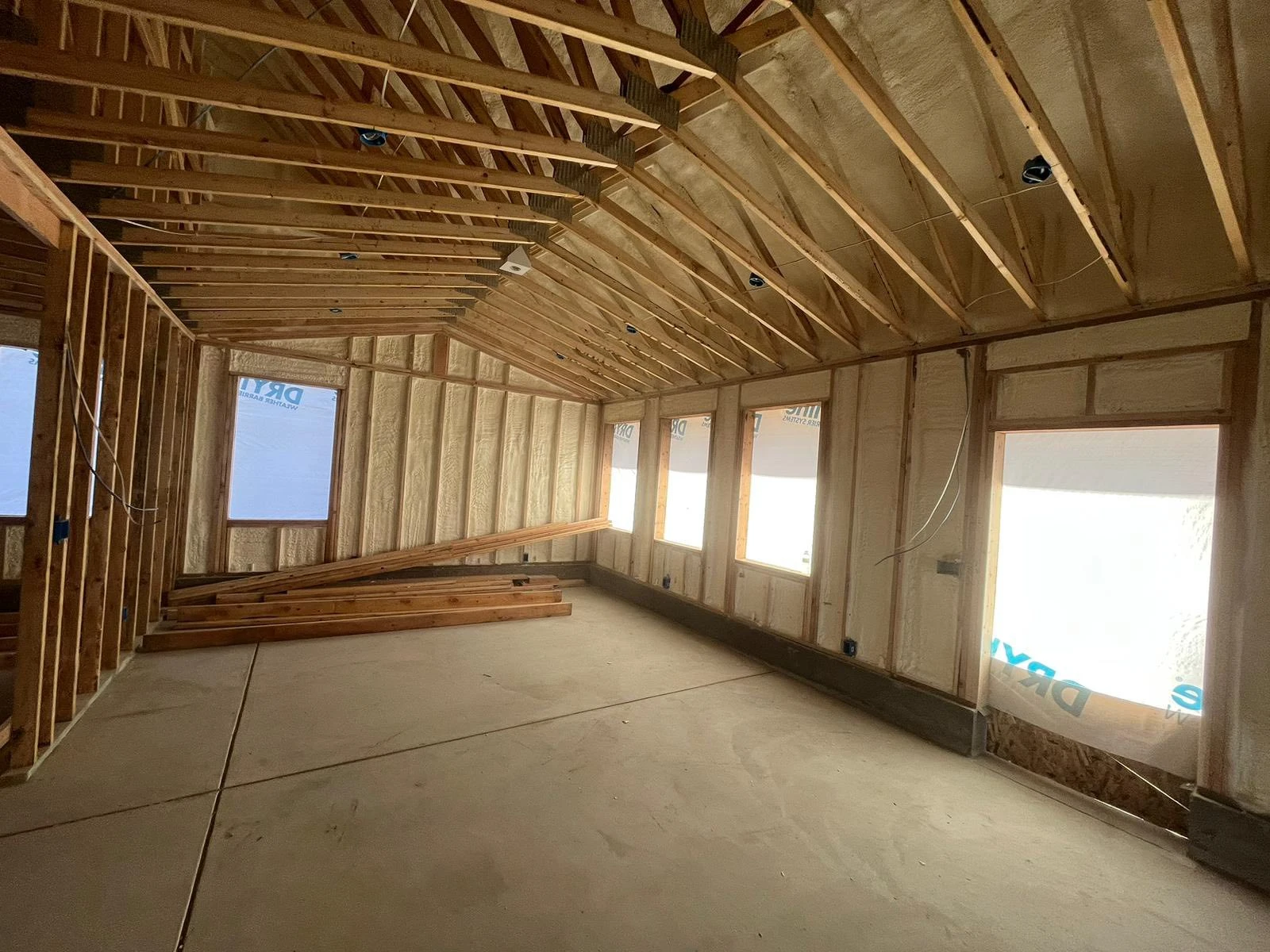
The energy difference between insulated and uninsulated walls is substantial, typically ranging from 30% to over 50% in heating and…


Commercial insulation prevents birds from nesting by creating physical barriers and inhospitable environmental conditions that make commercial buildings unattractive to avian pests. The dense, closed-cell structure of modern insulation materials eliminates the small cavities and protected spaces birds seek for nesting, while the thermal properties maintain temperatures that discourage breeding activity. This comprehensive guide explains the mechanisms behind insulation’s effectiveness as a bird deterrent and provides practical insights for commercial property managers dealing with persistent avian nesting issues.
Birds target commercial buildings for nesting because these structures offer protection from predators and weather, as well as elevated vantage points for spotting threats. Pigeons, sparrows, and starlings are the most common problem species in urban commercial settings, often returning to the same nesting sites year after year. These birds can cause significant damage through their droppings, which corrode building materials and create health hazards. During spring and early summer, birds actively search for nesting locations, making this period critical for implementing deterrent measures. High Country Solution has observed that buildings with proper insulation rarely experience repeated nesting problems once the initial deterrent is established.
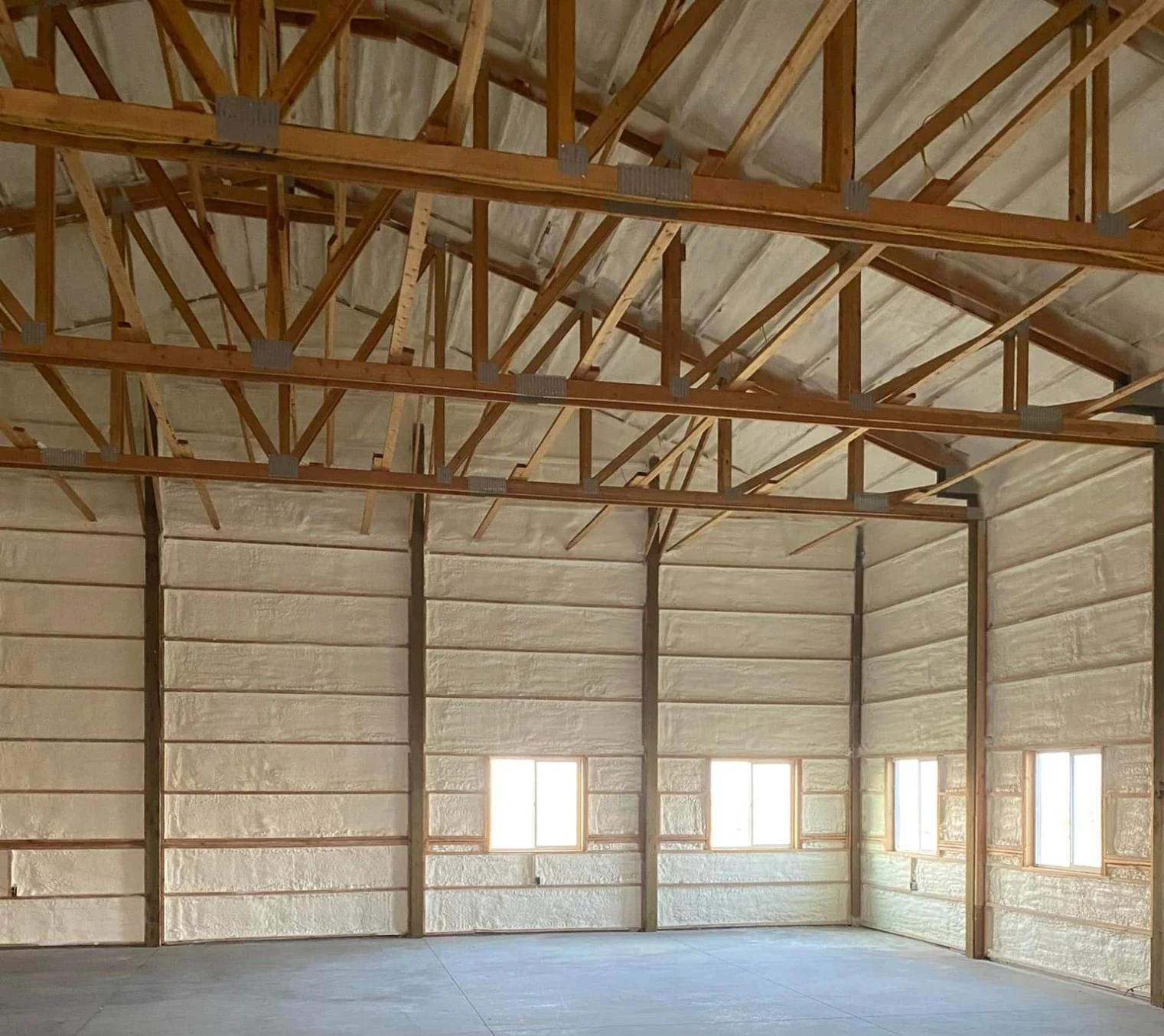
Modern commercial insulation works as a bird deterrent through multiple mechanisms. The material density prevents birds from creating nesting cavities or inserting nesting materials. Closed-cell foams expand to fill every crevice, eliminating the small gaps that birds typically exploit. The thermal regulation properties maintain consistent temperatures that birds find unsuitable for raising young, as most species need specific temperature ranges for successful egg incubation. Additionally, the smooth surface finish of cured insulation materials provides no traction for birds to grip, making it difficult for them to perch or access potential nesting sites.
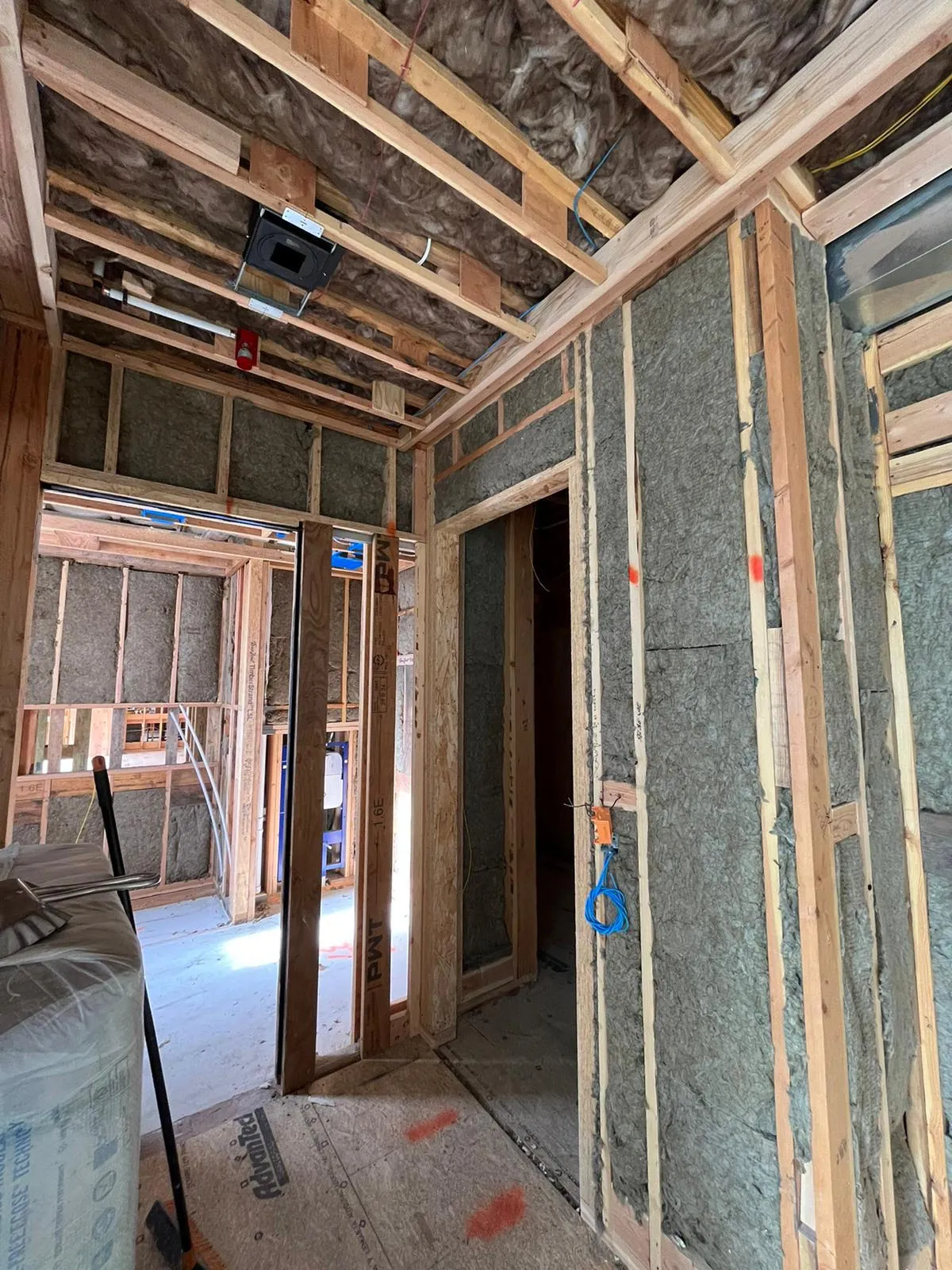
Different insulation materials offer varying levels of effectiveness against bird nesting. Spray foam insulation provides the most comprehensive protection due to its expansion capabilities and seamless application. Rigid board insulation works well when properly sealed at joints, while fiberglass insulation can be effective when combined with barrier coatings.
| Insulation Type | Nest Deterrent Effectiveness | Best Application Areas | Installation Complexity |
|---|---|---|---|
| Spray Foam | 95% | Roof joints, wall cavities, eaves | Moderate |
| Rigid Board | 80% | Flat surfaces, parapet walls | Low |
| Treated Fiberglass | 70% | Interior wall cavities | Low |
| Mineral Wool | 85% | Industrial applications | Moderate |
Proper installation is crucial for insulation to function effectively as a bird deterrent. All potential entry points must be completely sealed, including vents, roof intersections, and architectural features. For commercial buildings in regions with extreme weather conditions like Wyoming, insulation thickness needs to meet both thermal requirements and bird deterrent specifications. The material should extend at least 3-4 inches beyond any visible gaps to prevent determined birds from reaching vulnerable areas. Timing matters too—installation should occur before the nesting season begins, typically in late winter or early spring.
Bonus Tip: During installation, pay special attention to areas where different building materials meet, as these junctions often create natural access points that birds will exploit.
The investment in bird-deterring insulation provides significant returns beyond energy savings. According to data from the National Pest Management Association, bird-related damage to commercial buildings costs businesses millions annually in repairs and maintenance. A report by the Insulation Institute indicates that properties with comprehensive insulation systems report 78% fewer bird-related maintenance issues. The initial installation cost typically ranges from $2.50 to $5.00 per square foot, depending on material type and application complexity, but it prevents recurring expenses associated with bird removal, droppings cleanup, and structural repairs.
Bonus Tip: When calculating ROI, factor in reduced insurance premiums, as many providers offer discounts for buildings with comprehensive pest prevention measures in place.
Before installing insulation specifically for bird deterrence, assess the existing bird pressure and nesting patterns on your property. Identify problem species, as different birds may require varying approaches. Consider the building’s architectural features that might be particularly attractive to nesting birds, such as roof overhangs or decorative elements. Evaluate local wildlife protection regulations, as some bird species are protected during nesting seasons. Budget for potential additional structural modifications to complement the insulation, such as physical barriers or visual deterrents. Finally, choose materials that meet both energy code requirements and bird deterrent specifications to maximize the dual benefits.
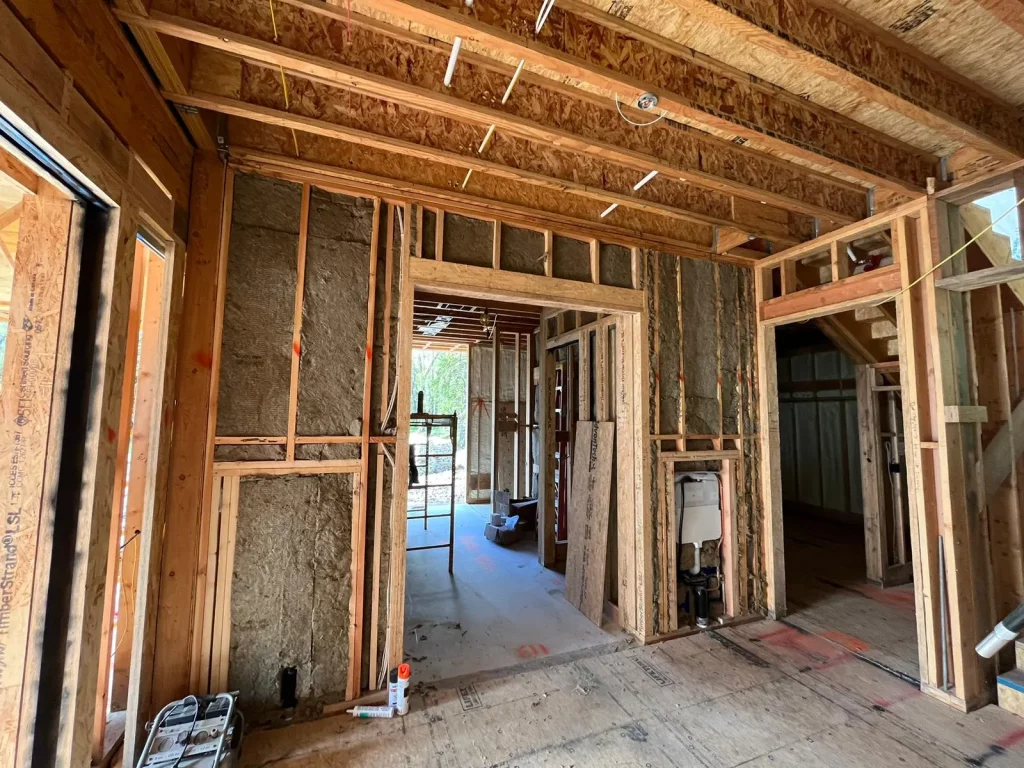
Commercial insulation serves as an effective, long-term solution for preventing bird nesting when installed with proper planning and attention to detail. The combination of physical barriers and environmental modifications creates conditions that birds naturally avoid. For best results, property owners should conduct thorough assessments of their specific situation, choose appropriate materials for their building type and climate, and ensure professional installation. The investment pays dividends through reduced maintenance costs, improved energy efficiency, and preservation of building integrity. Evaluate your property’s vulnerabilities now and implement insulation solutions before the next nesting season begins.
For a comprehensive evaluation of your commercial building’s insulation needs regarding bird deterrence, contact High Country Solution at [email protected] or call (307) 248-9063. Professional assessment ensures you select the right materials and application methods for your specific situation, providing lasting protection against bird nesting while maximizing energy efficiency benefits.
Commercial insulation typically remains effective for 20-30 years when properly installed, providing long-term bird deterrence throughout its lifespan.
High-quality commercial insulation materials are resistant to bird damage. Birds cannot easily penetrate cured spray foam or rigid board insulation once properly installed.
While most effective against small to medium-sized birds like pigeons and sparrows, very large birds may still perch on exteriors. However, they cannot access protected cavities sealed by insulation.
Modern commercial insulation materials are environmentally friendly and non-toxic to birds when installed correctly. They simply create inhospitable conditions rather than harming the birds.
Yes, most insulation applications can be completed with minimal disruption to building operations, though some areas may need temporary access restrictions.