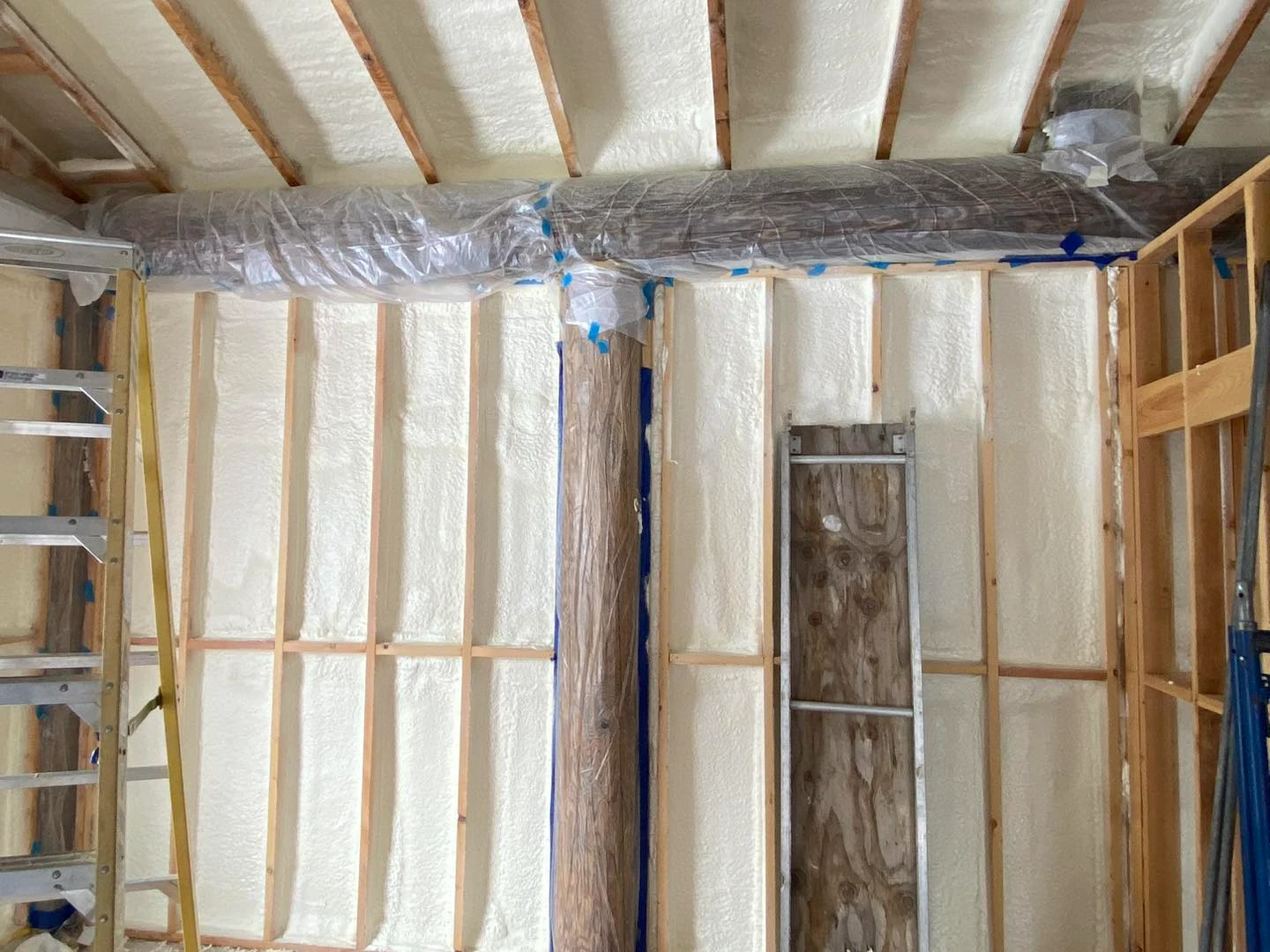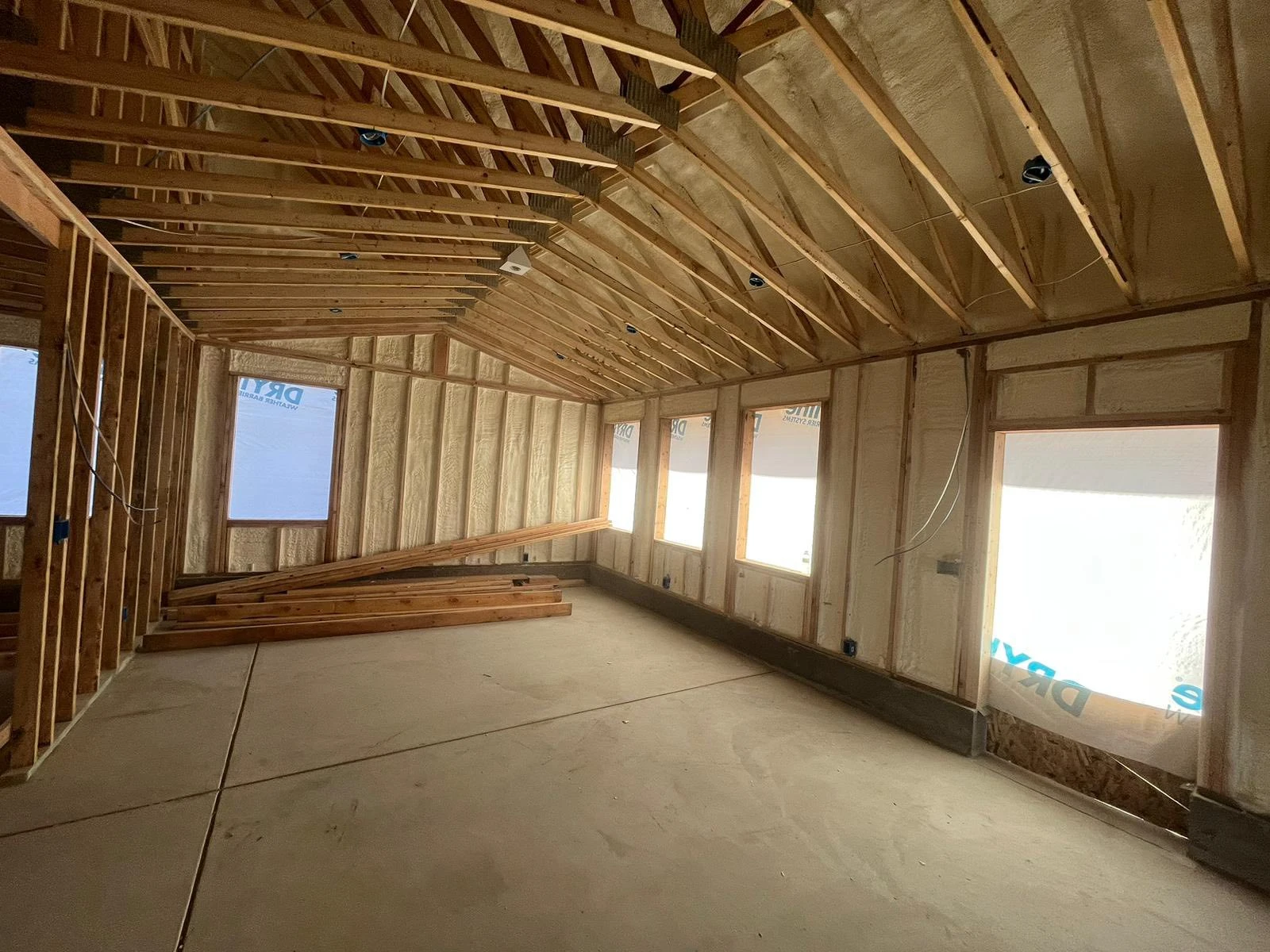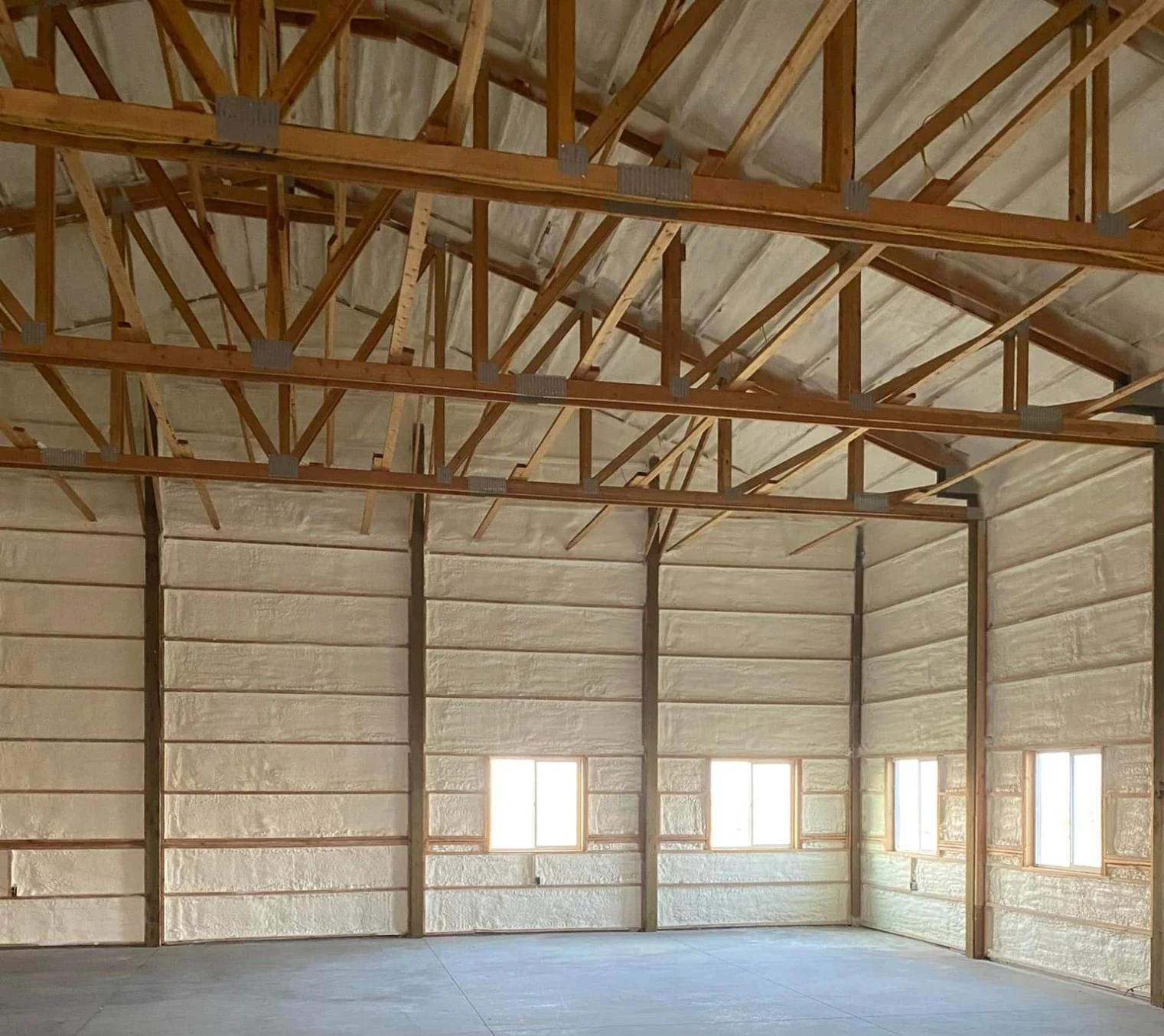
Insulated vs Uninsulated Walls: How Big Is the Energy Difference?
The energy difference between insulated and uninsulated walls is substantial, typically ranging from 30% to over 50% in heating and…


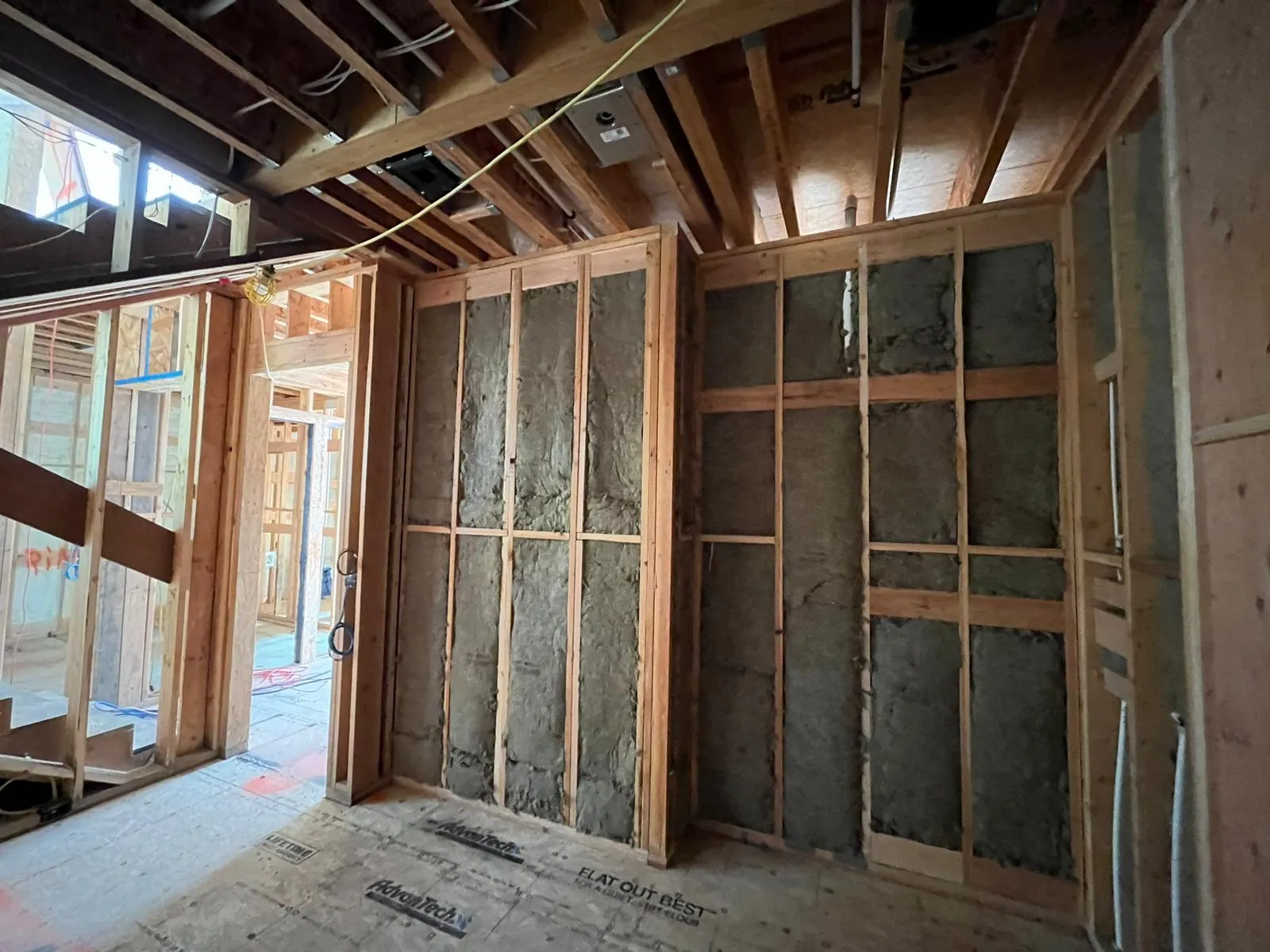
Planning a budget-friendly commercial insulation project starts with understanding that strategic decisions early in the process can save thousands without sacrificing performance. The seven most effective approaches include conducting thorough energy audits first, choosing the right insulation type for your specific climate and building use, timing your installation during off-peak seasons, considering partial upgrades rather than complete replacement, exploring available rebates and tax incentives, getting multiple detailed quotes, and investing in proper installation techniques that maximize material efficiency. These proven strategies help businesses achieve optimal energy efficiency while keeping project costs manageable.
This article will break down each tip with specific, actionable guidance gained from years of commercial insulation project experience. High Country Solution has helped countless businesses reduce their energy costs through smart insulation planning. The focus here is on practical, money-saving decisions that deliver real results for commercial properties.
Before spending money on insulation materials, know exactly where you need them. A professional energy audit identifies specific heat loss points, air leaks, and areas with inadequate insulation. The audit provides a detailed report with prioritized recommendations, allowing you to target spending where it will have the greatest impact on energy savings.
Energy audits typically cost between $300 and $1,000 for commercial buildings, but they can save 5-30% on energy bills annually by identifying the most cost-effective improvements. The audit serves as your roadmap, preventing unnecessary expenses in areas that don’t need immediate attention.
Different insulation materials serve different purposes and cost differently. Selecting the appropriate type for your specific needs prevents overspending on features you don’t need while ensuring adequate performance where it matters most.
The table below compares common commercial insulation options:
| Insulation Type | R-Value per Inch | Best Applications | Installation Difficulty |
|---|---|---|---|
| Fiberglass Batt | 3.1-3.4 | Standard walls, crawl spaces | Easy |
| Spray Foam (Closed Cell) | 6.5-7.0 | Metal buildings, roofs, and foundations | Moderate |
| Rigid Foam Board | 4.0-6.5 | Exterior walls, foundations, flat roofs | Easy-Moderate |
| Cellulose (Blown-in) | 3.2-3.8 | Attics, wall cavities, retrofit projects | Moderate |
| Mineral Wool | 3.0-3.3 | High-temperature areas, sound-dampening | Easy |
Bonus Tip: In northern climates like Wyoming, prioritize higher R-values and consider hybrid systems combining multiple insulation types for optimal performance and cost balance.
Insulation contractors typically offer better rates during their slower seasons, usually late spring and early fall. Scheduling your project during these periods can result in 10-20% savings on labor costs. Additionally, contractors have greater scheduling flexibility, ensuring your project receives the attention it deserves.
Weather conditions also matter. Installing insulation during moderate temperatures allows materials to perform optimally during application. Extreme heat or cold can affect material properties and installation quality.
Complete building insulation replacement isn’t always necessary. Focus on areas with the greatest energy loss first, such as attics, rim joists, and exterior walls. This phased approach allows you to spread costs over multiple budget periods while still achieving significant energy savings.
Start with the priority zones identified in your energy audit. Many businesses see substantial savings from addressing just the top three problem areas. You can complete additional zones in future budget cycles.
Utility companies, government programs, and manufacturers offer substantial rebates for commercial insulation projects. The Database of State Incentives for Renewables & Efficiency (DSIRE) tracks available programs by state, with many commercial properties qualifying for multiple incentives.
According to the U.S. Department of Energy, businesses can receive up to 30% of insulation project costs back through various programs. These incentives significantly reduce your out-of-pocket expenses while accelerating your return on investment.
Bonus Tip: Stack multiple incentives when possible. Many utility rebates can be combined with federal tax credits for maximum savings.
Request at least three comprehensive quotes from licensed insulation contractors. Each quote should break down material costs, labor expenses, cleanup fees, and timeline specifics. Detailed comparisons help identify outliers and ensure you’re getting fair market pricing.
According to HomeAdvisor industry data, commercial insulation projects can vary by as much as 40% between contractors for identical work. This variance makes thorough quote comparison essential for budget-conscious projects.
Even the best insulation materials underperform if installed incorrectly. Proper installation affects actual R-value by up to 30%, according to Building Science Corporation. Skilled installers ensure proper coverage, eliminate gaps and compression, and address air sealing simultaneously.
While quality installation might cost slightly more upfront, the long-term energy savings and material performance justify the investment. Look for contractors with specific experience in commercial properties and ask about their installation techniques and quality control processes.
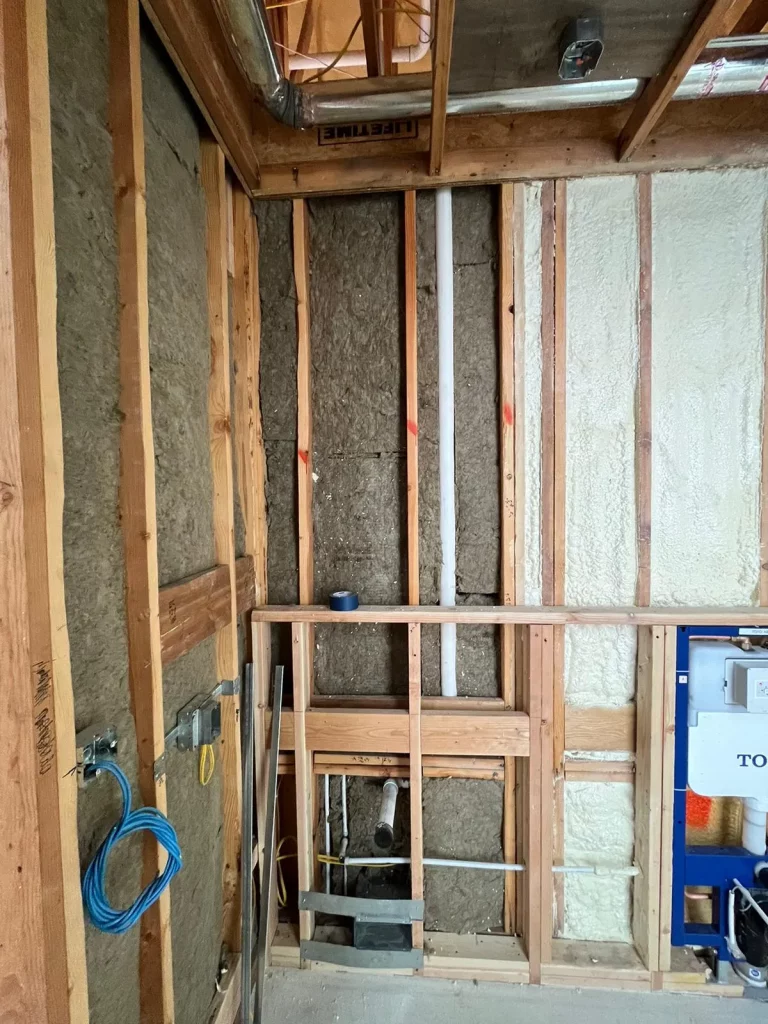
Building age and construction type significantly impact insulation choices. Older buildings may need air sealing before insulation to prevent moisture problems. New construction offers different options for cavity insulation and integrated systems.
Climate zone requirements vary substantially. The U.S. Department of Energy recommends different R-values for different regions. For example, northern states like Wyoming require higher R-values for optimal performance than southern states do.
Consider your building’s usage patterns. Facilities operating 24/7 benefit differently from insulation than standard office buildings with limited hours. Match your insulation strategy to your specific operational needs for maximum cost-effectiveness.
Bonus Tip: Always verify that your insulation contractor is properly licensed and insured for commercial work. Request copies of both certificates before signing any contracts.
Planning a budget-friendly commercial insulation project requires strategic thinking and informed decision-making. By conducting thorough research, timing your project wisely, and prioritizing based on energy audit findings, you can achieve significant energy savings without breaking your budget. The key is balancing upfront costs with long-term energy efficiency benefits.
Each commercial property has unique characteristics and requirements. Evaluate your specific building conditions, climate challenges, and operational needs when planning your insulation project. The right combination of materials, timing, and installation quality will deliver the best value for your investment.
High Country Solution specializes in helping businesses plan and execute cost-effective commercial insulation projects. For personalized assistance with your insulation needs, contact [email protected] or call (307) 248-9063. The team can provide detailed energy audits, material recommendations, and installation planning tailored to your specific building and budget requirements.
Quality insulation installed correctly can last 50-100 years in commercial buildings. However, performance can degrade due to moisture damage, pest activity, or settling. Most insulation materials don’t need replacement unless damaged or if building energy codes change significantly.
Many commercial insulation projects can be scheduled to minimize disruption. Wall insulation typically requires access to interior spaces, while attic and roof insulation often has minimal impact on daily operations. Work can often be completed during off-hours or weekends for sensitive business environments.
Most commercial insulation projects pay for themselves through energy savings within 2-5 years. Projects that qualify for rebates and tax incentives often see even faster returns. Actual payback depends on your energy costs, climate, and the scope of improvements completed.
Not necessarily. In many cases, new insulation can be installed over existing material if the old insulation is dry, intact, and not contaminated with mold or pests. However, severely damaged or wet insulation should be removed before installation to prevent ongoing problems.
Unusually high energy bills, uneven temperatures throughout the building, visible insulation gaps, and ice dams on roofs all indicate potential insulation issues. A professional energy audit provides the most accurate assessment of your building’s insulation needs and priorities.