Why ventilation is a critical partner to your insulation system in Idaho Falls, ID
Ventilation and insulation work as an essential team in Idaho Falls homes, where insulation keeps heat in during winter and…


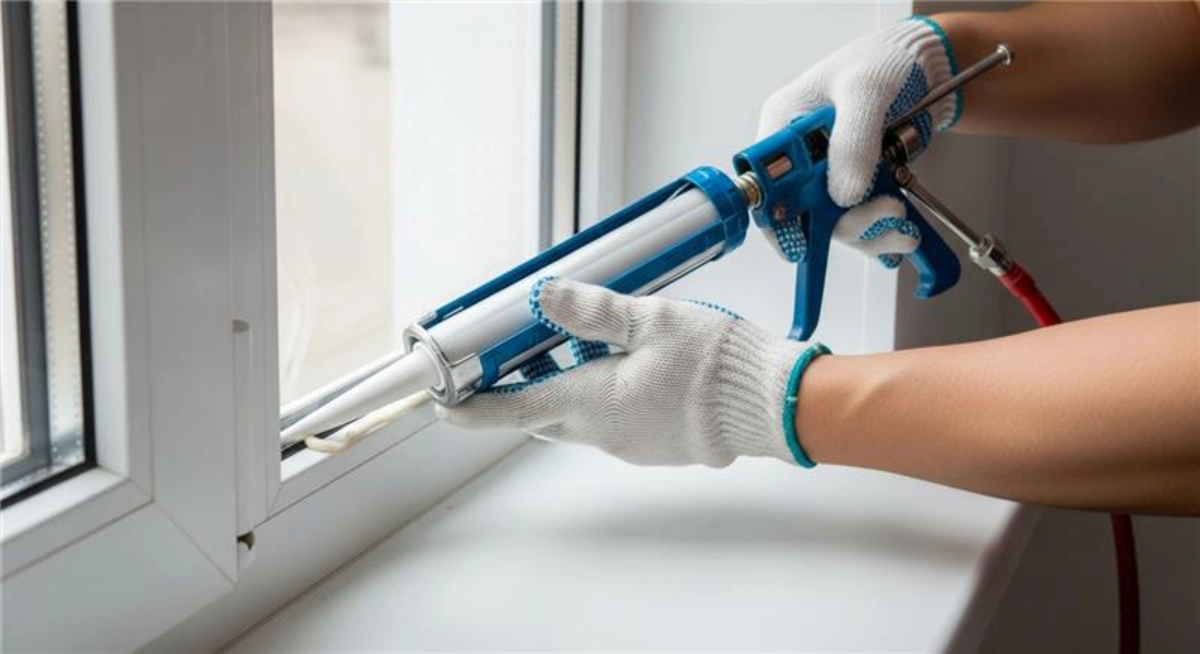
Air sealing strengthens a home’s physical integrity by controlling moisture migration, the leading cause of structural decay, rot, and mold growth. By systematically blocking gaps and cracks in the building envelope, air sealing prevents warm, moist air from condensing on cold structural members. This process also extends the lifespan of HVAC equipment by reducing workload, prevents roof damage caused by ice dams, and creates a physical barrier against wood-destroying pests.
Many homeowners mistakenly view air sealing only as a method to lower heating and cooling bills. While energy savings are a tangible benefit, the protection it offers to the building’s shell is far more valuable in the long term. High Country Solutions has seen firsthand how neglected air leaks can lead to costly structural repairs that far exceed the price of preventative sealing. A tight building envelope is the first step toward a house that stands strong for generations.
The most destructive force against a home is water, and air leaks are a primary delivery system for moisture. Air currents carry significantly more water vapor than diffusion through materials. When warm, humid air escapes from the living space into an attic or wall cavity, it eventually hits a cold surface. This contact causes condensation. Over time, this water accumulation saturates wood framing, insulation, and sheathing.
Persistent dampness creates the perfect environment for wood rot and fungal growth. If left unchecked, structural beams can weaken, compromising the home’s stability. According to Building Science Corporation, controlling air movement is the most effective strategy for managing moisture within wall assemblies. Sealing bypasses around plumbing vents, light fixtures, and chimney chases stops this moisture transport at the source.
Ice dams are thick ridges of ice that form along the eaves of a roof. They prevent melting snow from draining off the roof. Water that backs up behind the dam can leak into the home, causing damage to walls, ceilings, insulation, and the roof structure.
Air sealing plays a critical role in preventing this phenomenon. Ice dams form when heat from inside the home escapes into the attic through air leaks. This escaping heat warms the roof deck, melting the snow above. The water runs down to the cold eaves and refreezes. By sealing the attic floor airtight, heat remains in the living space. The roof deck stays cold, the snow does not melt unevenly, and the risk of ice dam formation drops near zero.
Bonus Tip: Focus on sealing the “top plate” in the attic, where the drywall meets the wood framing, as this is often a major source of heat loss.
Mechanical systems have a finite operating life, usually measured in cycles or running hours. When a home is leaky, the heating and cooling system must run longer and work harder to maintain the set temperature. This constant strain accelerates wear and tear on blower motors, compressors, and heat exchangers.
Air sealing reduces the heating and cooling load on the house. This allows the equipment to run less frequently and for shorter durations. A report from the Department of Energy indicates that air sealing and insulation can significantly reduce heating and cooling costs, which directly correlate with reduced equipment runtime.
| Feature | Leaky Home | Air Sealed Home |
|---|---|---|
| System Runtime | Continuous operation during peaks | Cycles on and off normally |
| Wear on Parts | High stress on motors/fans | Standard operational stress |
| Filter Cleanliness | Clogs quickly due to dust intake | Stays cleaner longer |
| Estimated Lifespan | 10-12 years | 15-20 years |
| Maintenance Needs | Frequent repairs required | Routine maintenance only |
Insects and rodents do not need open doors to enter a home. They utilize the same cracks and gaps that leak air. Mice can squeeze through openings the size of a dime, while insects can enter through holes as small as a pinhead. Once inside, these pests can chew through electrical wiring, destroy insulation, and damage structural wood.
Air sealing acts as a physical exclusion method. Materials used for sealing, such as expanding foam reinforced with steel wool or specialized caulk, create a barrier that pests cannot easily bypass. Keeping these intruders out preserves the internal components of the walls and attic. Data from the National Pest Management Association highlights that exclusion, physically blocking entry points, is the most effective long-term pest control strategy.
Fiberglass and cellulose insulation work by trapping pockets of still air to resist heat flow. When air leaks are present, they create wind washing, a process in which air moves through the insulation material. This movement strips the heat away from the fibers, rendering the insulation significantly less effective.
When insulation is exposed to constant air currents, it can also accumulate dust and particulate matter, which act as filters. Over time, this makes the insulation heavy and dirty, potentially reducing its R-value (thermal resistance). By air sealing the cavity before insulating, the insulation performs at its rated capacity and degrades much more slowly. This ensures the home’s thermal boundary remains durable and effective for decades.
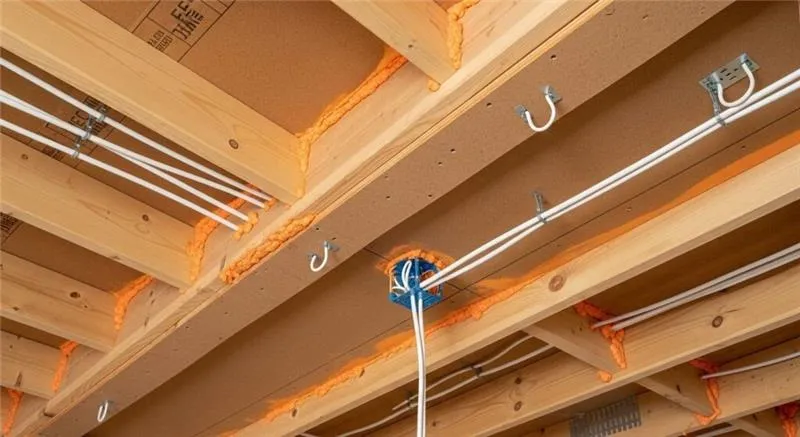
Before creating a plan to seal a home, certain factors must be evaluated to ensure safety and effectiveness.
Most air-sealing materials, such as high-quality caulk and spray foam, are designed to last the life of the building. Unlike mechanical systems that wear out, these inert materials do not degrade easily once cured and protected from UV light.
Homeowners can effectively seal accessible areas like windows, doors, and some attic penetrations. However, reaching complex areas like rim joists, chimney chases, or crawl spaces often requires professional equipment and safety gear.
Yes. Air carries sound waves. Blocking the air paths effectively reduces the transmission of exterior noise, such as traffic or neighbors, making the interior environment quieter and more peaceful.
While windows and doors are obvious, the most significant leaks usually occur in the attic and basement. The “stack effect” drives air up and out through the attic floor and pulls outside air in through the basement rim joists.
Air sealing is more than an energy-efficiency upgrade; it is a fundamental maintenance step for preserving a building’s structure. By managing moisture, deterring pests, and reducing mechanical strain, this process extends a property’s lifespan by years. Homeowners should assess their current envelope tightness and address leaks before they lead to irreversible damage.
Ensuring your home remains durable and efficient requires a professional approach. High Country Solutions provides expert assessment and air sealing services tailored to your specific needs. Do not wait for moisture damage or pest issues to compromise your investment.
Contact High Country Solutions today: