Why ventilation is a critical partner to your insulation system in Idaho Falls, ID
Ventilation and insulation work as an essential team in Idaho Falls homes, where insulation keeps heat in during winter and…


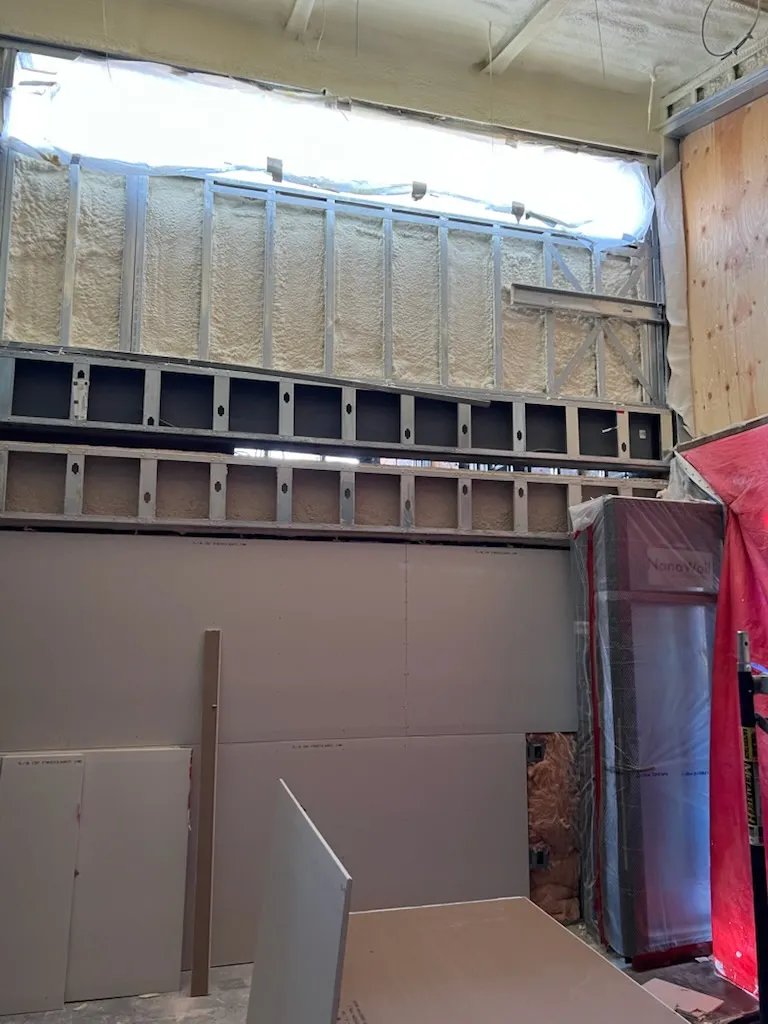
Spray foam insulation is one of the most effective ways to improve energy efficiency and comfort in your home. But hiring the right professional is crucial to ensure safety, proper installation, and long-term performance. Before you make a decision, here’s what every homeowner in Jackson Hole needs to know.
Key Takeaways:
Jackson Hole experiences harsh winters and fluctuating temperatures. Homes without effective insulation lose heat rapidly, increasing energy costs. Spray foam insulation offers both thermal efficiency and air sealing, making it a popular choice.
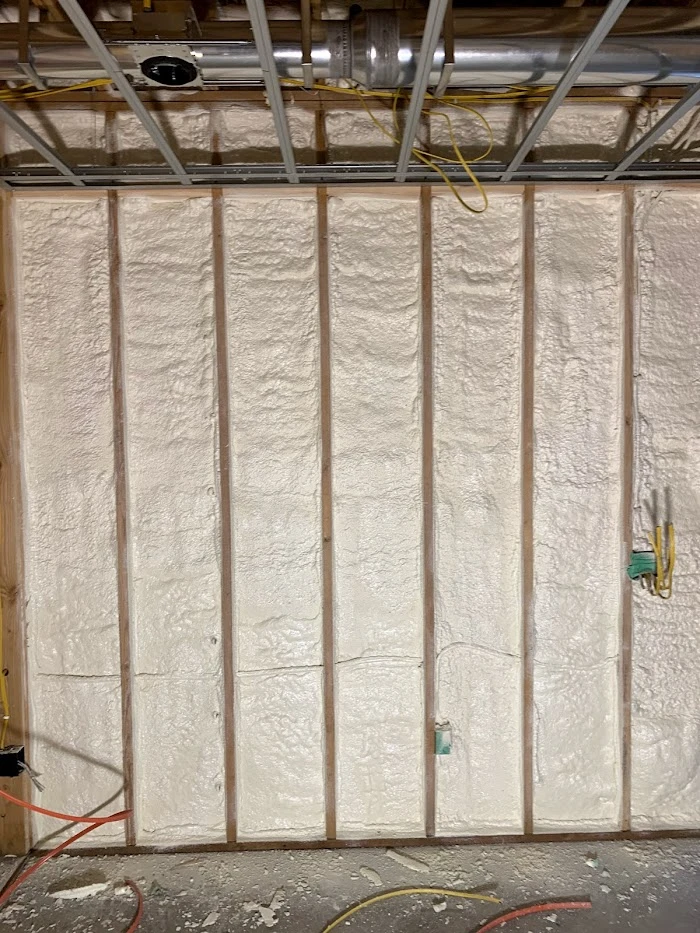
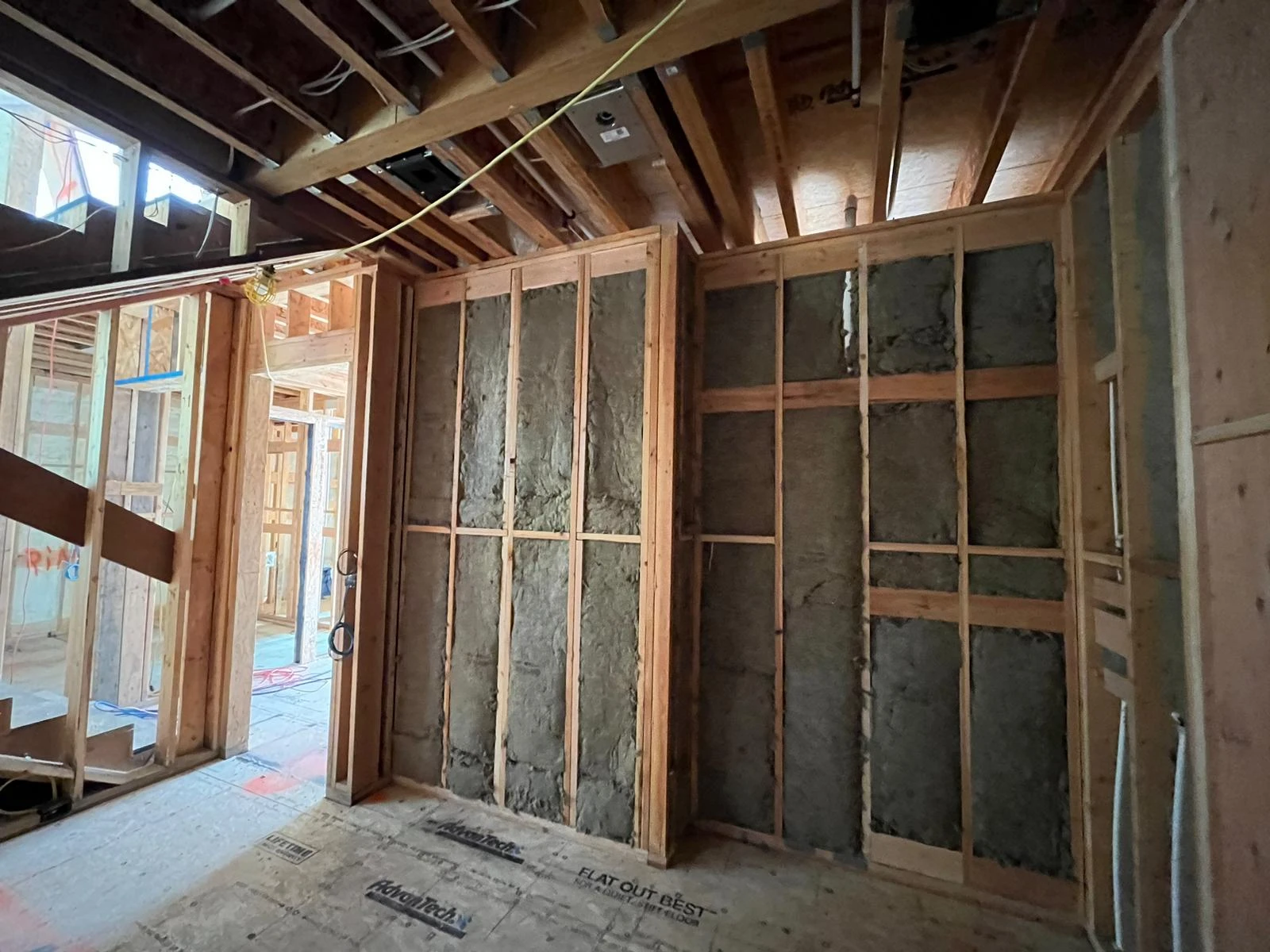
Spray foam expands to fill cracks and gaps, unlike fiberglass batts that may leave spaces unsealed. According to the U.S. Department of Energy, properly installed spray foam can reduce heating and cooling costs by up to 50%, especially in homes with older construction.
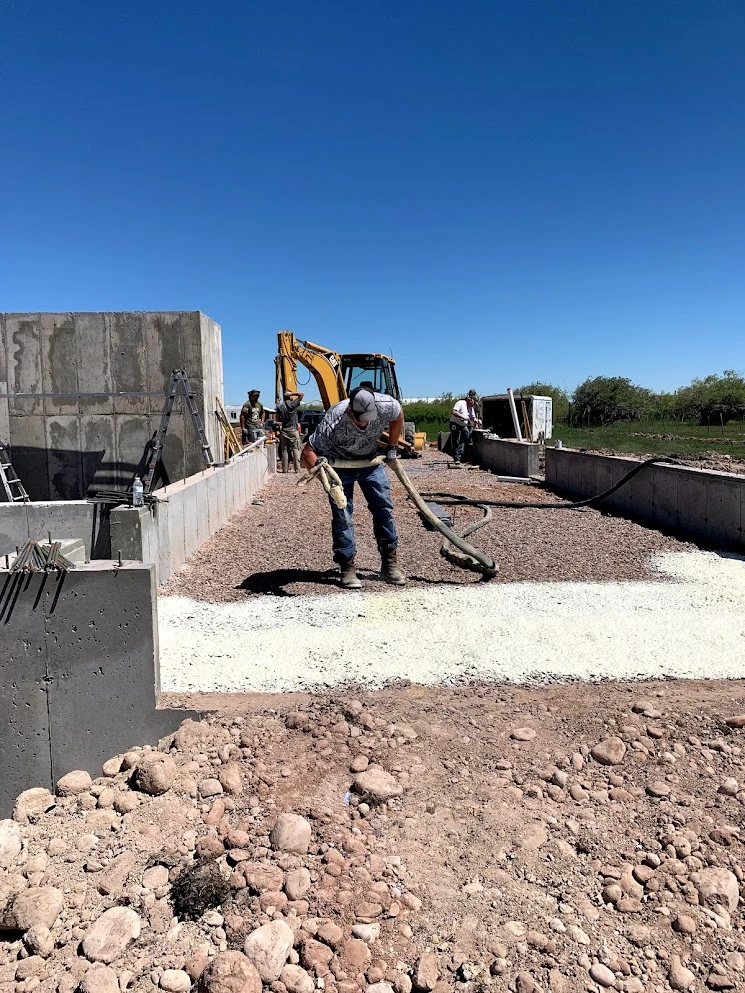
Spray foam insulation comes in two main types, open-cell and closed-cell, each offering unique benefits in energy efficiency, moisture control, and structural support, helping homeowners choose the best option for their space.
Understanding the difference helps you choose the right material for your home.
Choosing between the two depends on your home’s structure, budget, and moisture exposure. Energy.gov highlights that closed-cell foam also strengthens walls structurally.
Hiring the right professional requires preparation. Here are essential questions to guide your decision:
A contractor should provide clear, written answers and demonstrate local knowledge of Jackson Hole’s weather and building codes.
Understanding how spray foam installation works helps homeowners ensure proper application and long-term performance. From assessment to curing, each step must be carefully executed to maximize energy efficiency and safety.
Improper application can lead to off-gassing, gaps, or uneven insulation. This report from SprayFoam emphasizes that skilled installation prevents costly callbacks.
Spray foam insulation offers more than just temperature control; it delivers multiple advantages for both residential and commercial buildings:
These benefits make spray foam an increasingly popular choice over fiberglass or cellulose. Buildings in cold climates, like Jackson Hole, WY, often achieve the greatest energy savings and long-term performance improvements.
Even an experienced contractor can make errors if corners are cut. Watch for:
Hiring a contractor with verified experience reduces these risks and ensures proper long-term performance.
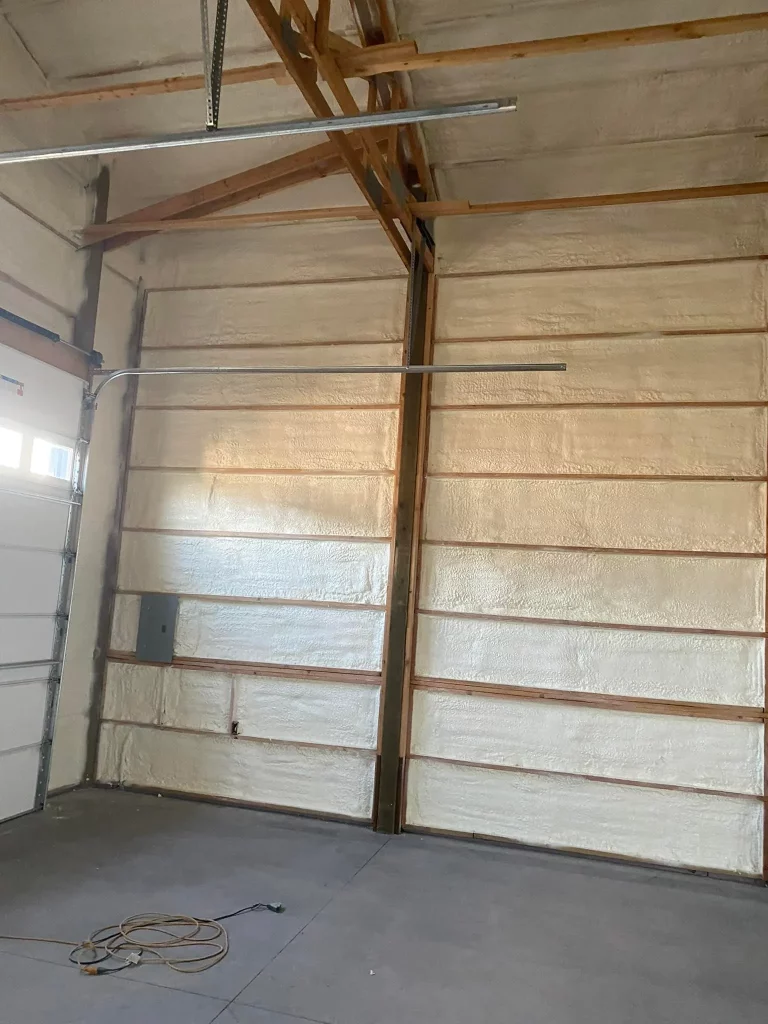
Spray foam insulation is an investment. Factors that influence pricing include:
Property owners can improve spray foam results by preparing the space, scheduling installation during moderate weather, and verifying quality through contracts, project documentation, and local contractor reviews. These steps ensure a safe, efficient outcome for both homes and commercial buildings.
Hiring a spray foam contractor in Jackson Hole requires research, preparation, and clear communication. By asking the right questions, understanding material types, and verifying credentials, homeowners can ensure their insulation performs efficiently for years.
For professional spray foam installation in Jackson Hole, contact High Country Solutions. Our certified team ensures precise application, safety compliance, and long-term performance.
Yes, once cured, spray foam is inert and safe. Proper ventilation during installation is critical to minimize exposure to fumes.
Closed-cell and open-cell foams typically last 20–30 years or more if installed correctly.
Absolutely. Spray foam expands to fill gaps around windows, doors, and walls, improving overall air sealing.
It depends on the condition. Damaged or wet insulation should be removed; otherwise, spray foam can often be installed over existing material.
Closed-cell foam can reduce moisture intrusion, but proper ventilation is essential to prevent indoor humidity issues.
Many homeowners see a noticeable decrease in heating and cooling costs within the first month.