Why ventilation is a critical partner to your insulation system in Idaho Falls, ID
Ventilation and insulation work as an essential team in Idaho Falls homes, where insulation keeps heat in during winter and…


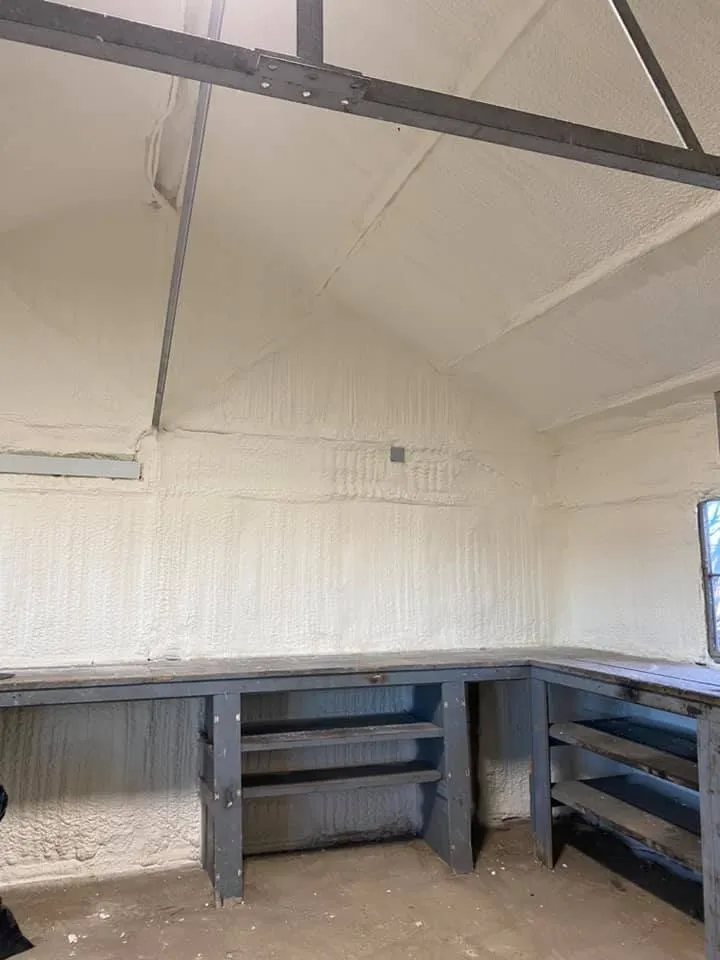
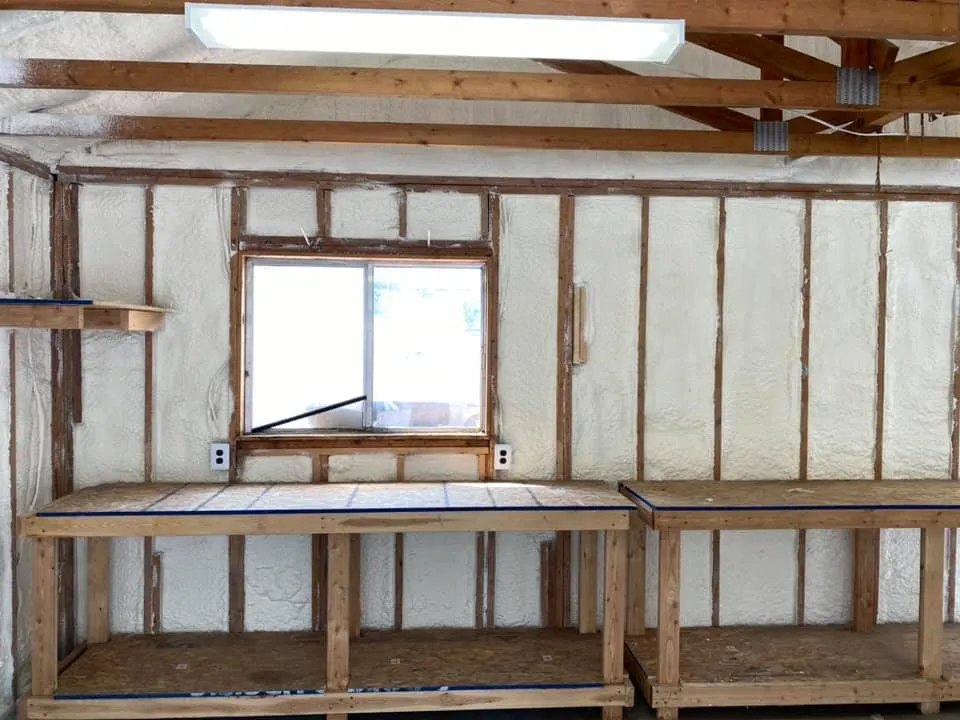
Spray foam insulation creates an airtight barrier that blocks outdoor heat from entering through cracks and gaps in a building envelope. This material expands rapidly upon application, filling small voids that traditional fiberglass or cellulose often miss, effectively stopping heat transfer via air movement. By sealing these entry points, the material prevents hot, humid summer air from infiltrating living spaces while keeping conditioned air inside.
Beyond sealing air leaks, spray foam provides high thermal resistance, known as R-value, which limits heat conduction through walls and roofs. This dual action of air sealing and thermal insulation ensures that indoor temperatures remain stable even during extreme heat waves. Professional experience shows that homes with properly installed spray foam require significantly less energy to maintain a cool environment because the air conditioning system does not have to fight constant hot air drafts.
Air infiltration accounts for a massive portion of summer heat gain. According to data from the U.S. Department of Energy, sealing air leaks is one of the most effective ways to reduce cooling costs and improve comfort. Unlike batts or rolls, spray foam acts as both insulation and an air barrier. When it is sprayed into wall cavities or attic floors, it expands to 30-60 times its liquid volume.
This expansion allows the foam to reach into tiny crevices around electrical outlets, plumbing stacks, and baseboards. In a typical home, these small openings act like a thousand tiny windows left open all summer. By closing these gaps, spray foam stops the chimney effect, where hot air enters at the bottom of the house and pushes cool air out through the top.
The effectiveness of insulation is measured by its R-value, which represents its ability to resist heat flow. Higher R-values indicate better insulating power. Spray foam generally offers a higher R-value per inch than most other materials. Closed-cell foam, in particular, provides a dense structure that excels at blocking heat International Association of Certified Home Inspectors.
The following table compares common insulation materials in terms of R-value and air-sealing capabilities.
| Insulation Type | R-Value per Inch (Approximate) | Air Sealing Properties | Moisture Barrier |
|---|---|---|---|
| Open-Cell Spray Foam | 3.5 to 3.8 | Excellent | No |
| Closed-Cell Spray Foam | 6.0 to 7.0 | Excellent | Yes |
| Fiberglass Batts | 2.9 to 3.8 | Poor | No |
| Cellulose (Blown-in) | 3.2 to 3.7 | Moderate | No |
| Mineral Wool | 3.0 to 3.3 | Poor | No |
Attics are often the hottest part of a home during July and August. Temperatures in an uninsulated or poorly insulated attic can climb above 140 degrees Fahrenheit. This heat radiates downward through the ceiling, making upstairs bedrooms uncomfortable. Using spray foam on the underside of the roof deck, rather than just on the attic floor, changes how the entire house handles heat.
This method creates a “conditioned attic.” By moving the thermal boundary to the roofline, the attic temperature stays within a few degrees of the rest of the living space. This is particularly helpful if air conditioning ducts are located in the attic. When ducts sit in a 140-degree room, the air inside them warms up before it even reaches the vents. Keeping the attic cool ensures the AC system operates at peak efficiency.
Bonus Tip Check the seal around the attic hatch or pull-down stairs. Even with excellent roof insulation, a leaky attic door can allow a surprising amount of heat to transfer between floors. Use weatherstripping or a pre-made foam cover to finish the seal.
Sunlight hitting a roof creates radiant energy. This energy travels through the roofing materials and radiates into the home. While reflective barriers can help, spray foam provides a thick physical mass that slows down this heat transfer. Closed-cell foam is especially effective here because its high density creates a difficult path for heat to travel.
A study published by the Spray Polyurethane Foam Alliance indicates that homes with spray foam can see a reduction in cooling loads by up to 40 percent, depending on the climate and building design. This reduction happens because the foam addresses all three types of heat transfer: conduction, convection, and radiation.
Before choosing spray foam, homeowners should evaluate several factors to ensure the best results.
High Country Solutions observes that the most significant change for many residents is the reduction in air conditioner “cycling.” In a poorly insulated home, the AC turns on and off constantly as the house loses cool air. With spray foam, the home holds its temperature for much longer. This means the AC runs less frequently, extending the life of the HVAC equipment and lowering monthly utility bills.
Bonus Tip If the goal is maximum summer cooling, prioritize the western-facing walls. These walls soak up the most intense sun in the afternoon and evening. Insulating these areas with spray foam can prevent that “oven effect” people often feel in their living rooms after 4:00 PM.
Yes. By sealing out hot outdoor air, spray foam also keeps out the moisture that air carries. This makes it much easier for a dehumidifier or air conditioner to maintain a comfortable, dry indoor climate.
It is usually best to remove old, dusty, or damp insulation before applying spray foam. This allows the foam to adhere directly to wood or masonry, creating a permanent, effective seal.
Spray foam does not sag, settle, or degrade over time like fiberglass or cellulose. Once it is installed, it maintains its R-value and air-sealing properties for the life of the building.
It is often one of the best choices for older homes with irregular wall cavities. Since it expands, it can fill odd-shaped gaps that standard insulation batts can’t reach.
Keeping a home cool in the summer requires a strategy that addresses both heat and air movement. Spray foam provides a comprehensive solution by creating an airtight envelope and offering superior thermal resistance. This material manages attic temperatures effectively and reduces the workload on cooling systems.
Property owners should consider their building’s structure and local climate when deciding on insulation. While the initial investment for spray foam is higher than traditional materials, the long-term energy savings and the significant increase in daily comfort often justify the choice. Assessing the current insulation levels and identifying the main sources of heat gain are the best first steps toward a cooler summer.
For those looking to improve home comfort and energy efficiency, High Country Solutions provides expert guidance on insulation strategies. Whether the goal is to cool down a hot second floor or reduce monthly utility costs, professional insights can make a significant difference. To discuss specific project needs or to learn more about application options, contact High Country Solutions at (307) 248-9063 or via email at [email protected].