Insulated vs Uninsulated Walls: How Big Is the Energy Difference?
The energy difference between insulated and uninsulated walls is substantial, typically ranging from 30% to over 50% in heating and…


Proper residential insulation eliminates uneven heating by creating consistent thermal barriers throughout a home, preventing heat loss through walls, ceilings, and floors while maintaining uniform temperature distribution. In Rigby’s climate, where temperatures can swing dramatically between seasons, insulation acts as the primary defense against cold spots and drafts that make certain rooms uncomfortable while others remain too warm.
This guide will explain the specific mechanics of how insulation addresses Rigby’s heating challenges, detail the most effective insulation types for local conditions, and provide practical steps to identify and resolve temperature inconsistencies in your home. Drawing from extensive experience working with eastern Idaho homes, the information here reflects real-world solutions proven effective in our region’s unique climate patterns.
Uneven heating typically occurs when different parts of a home lose heat at varying rates. In Rigby homes, this often happens because heat naturally moves from warm areas to cold areas, seeking equilibrium. When some walls or ceilings lack adequate insulation, they become cold spots that pull heat away from living spaces, creating those chilly rooms while other areas feel comfortable or even too warm.
The problem compounds during Rigby’s harsh winters when outdoor temperatures can drop well below freezing. Heat loss accelerates through poorly insulated areas, forcing your heating system to work overtime just to maintain minimal comfort in certain rooms. According to the U.S. Department of Energy, proper insulation can reduce heating and cooling costs by 15% on average, making it one of the most effective ways to maintain consistent temperatures.
Rigby’s high desert climate presents unique challenges for home heating. Located at approximately 4,800 feet in elevation, the area experiences significant temperature fluctuations between day and night, creating substantial heating loads during the winter months. The combination of cold temperatures and occasional strong winds means homes need particularly well-designed thermal barriers.
Local construction practices have evolved over time, with many older homes built before modern energy codes. Homes built before 2000 typically lack sufficient insulation by today’s standards, especially in areas like crawl spaces and rim joists, where heat loss is common. Newer construction generally performs better, but even recent builds can have insulation gaps or installation defects that lead to uneven heating.
Different insulation materials perform differently in Rigby’s climate conditions. The most effective options account for both thermal resistance (R-value) and air sealing capabilities:
Fiberglass remains the most common and cost-effective option for Rigby homes. It works well in wall cavities and attics when properly installed. The material resists moisture and maintains its insulating properties over time, making it suitable for our dry climate. Blown-in fiberglass is particularly effective for attics because it creates a continuous layer without gaps.
Made from recycled paper products, cellulose offers excellent thermal performance and air sealing qualities. It’s denser than fiberglass, providing better resistance to air movement through wall cavities. Cellulose also performs well in extreme cold, maintaining its R-value better than some other materials in low temperatures.
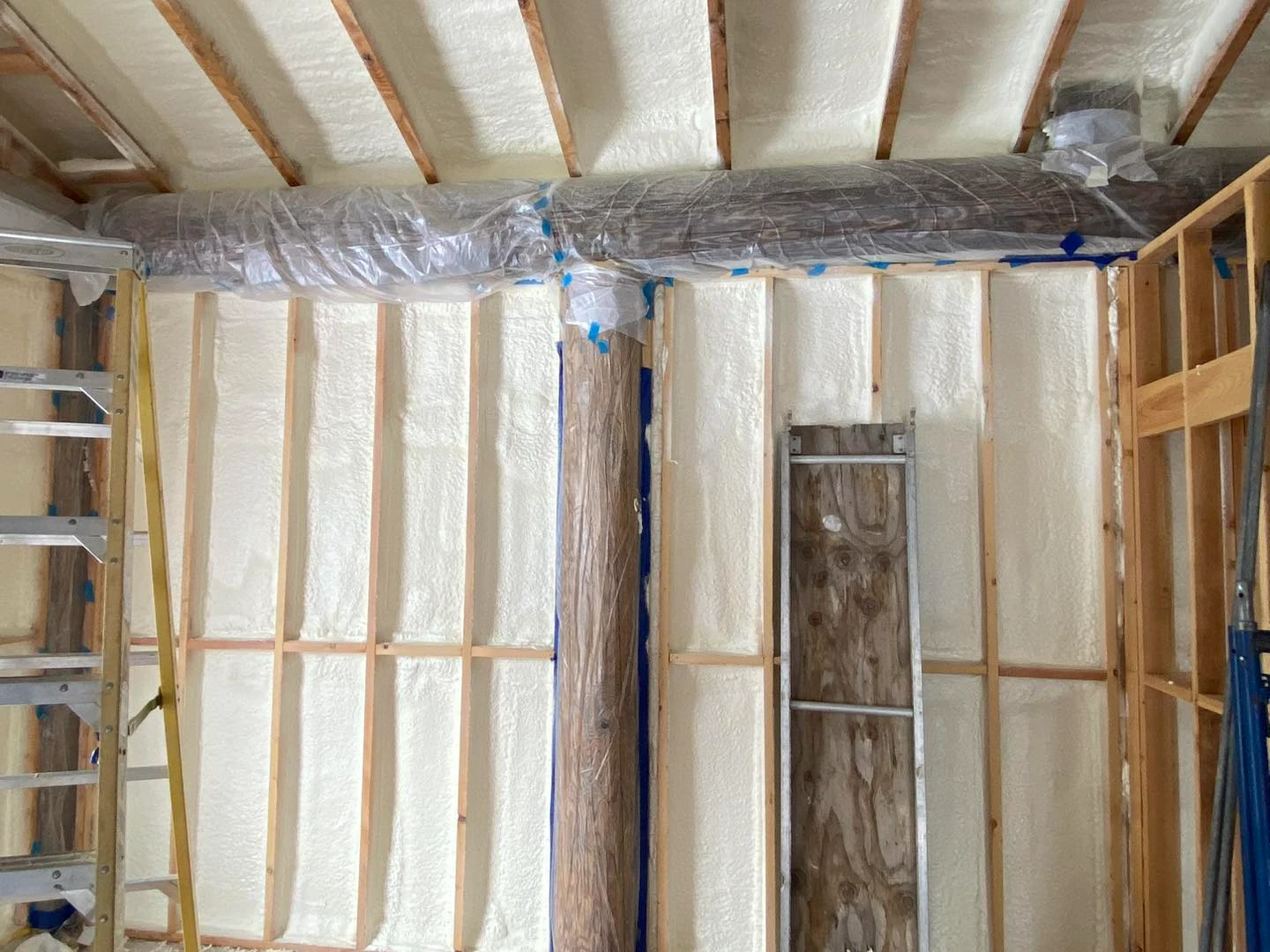
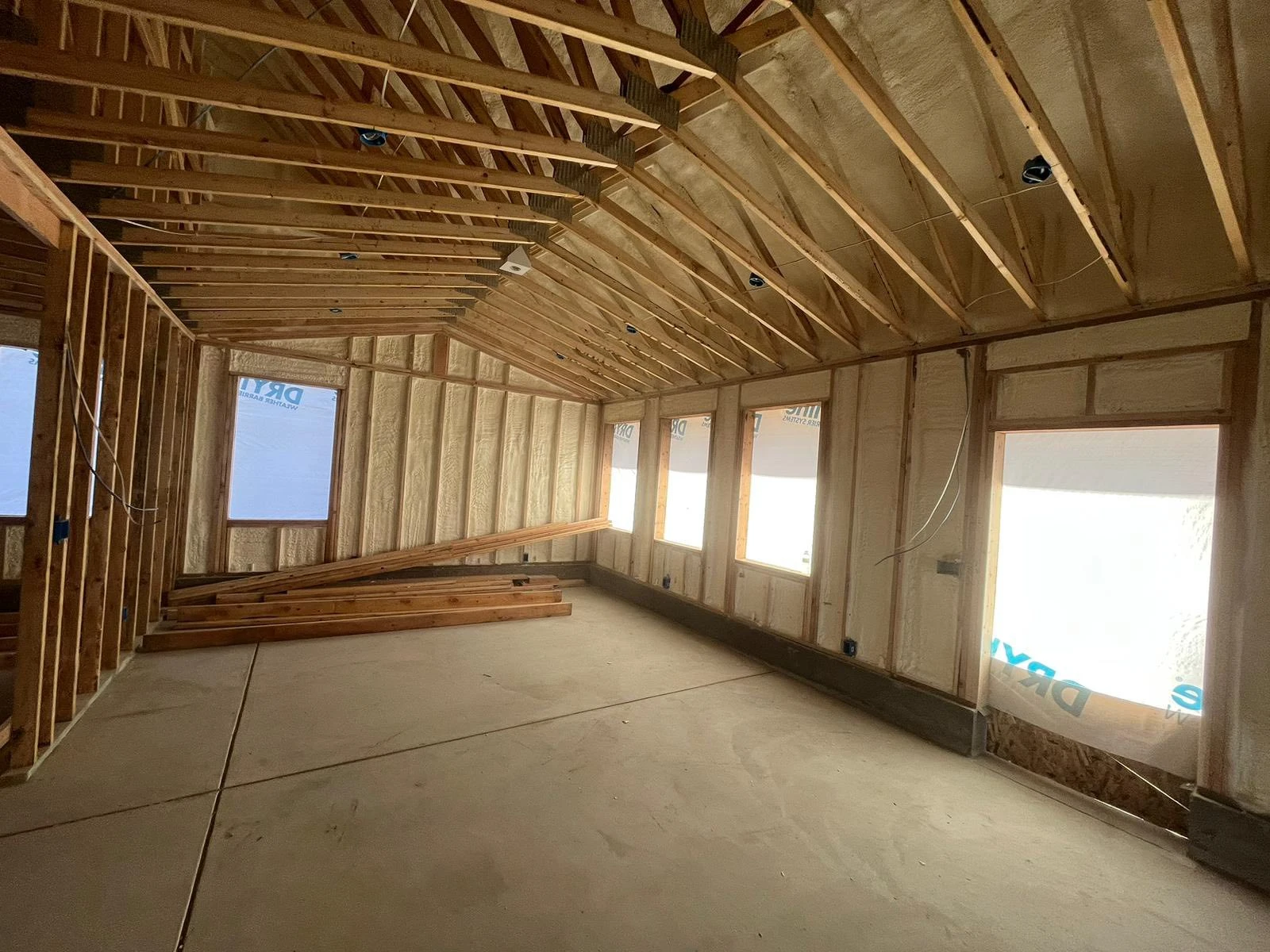
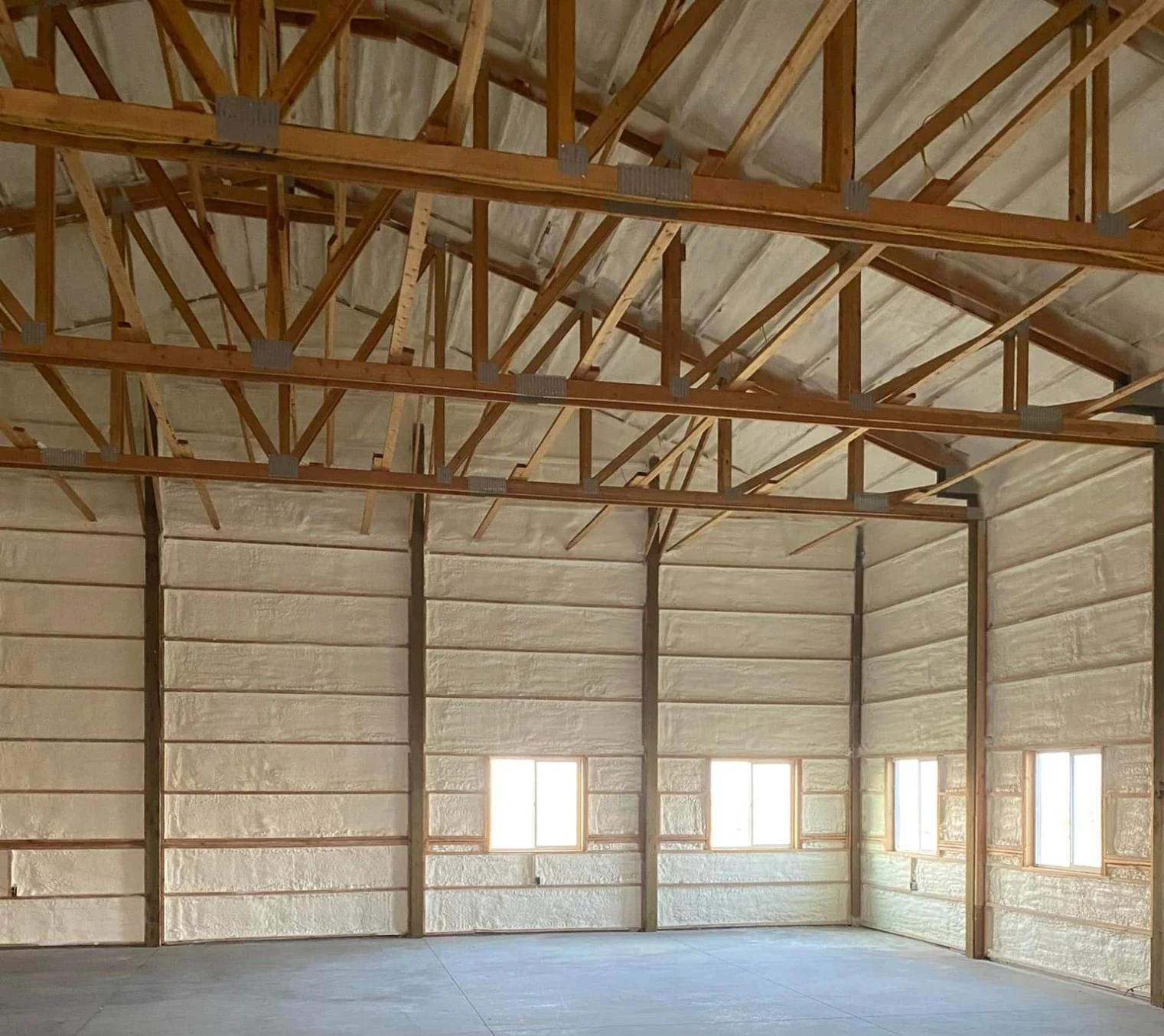
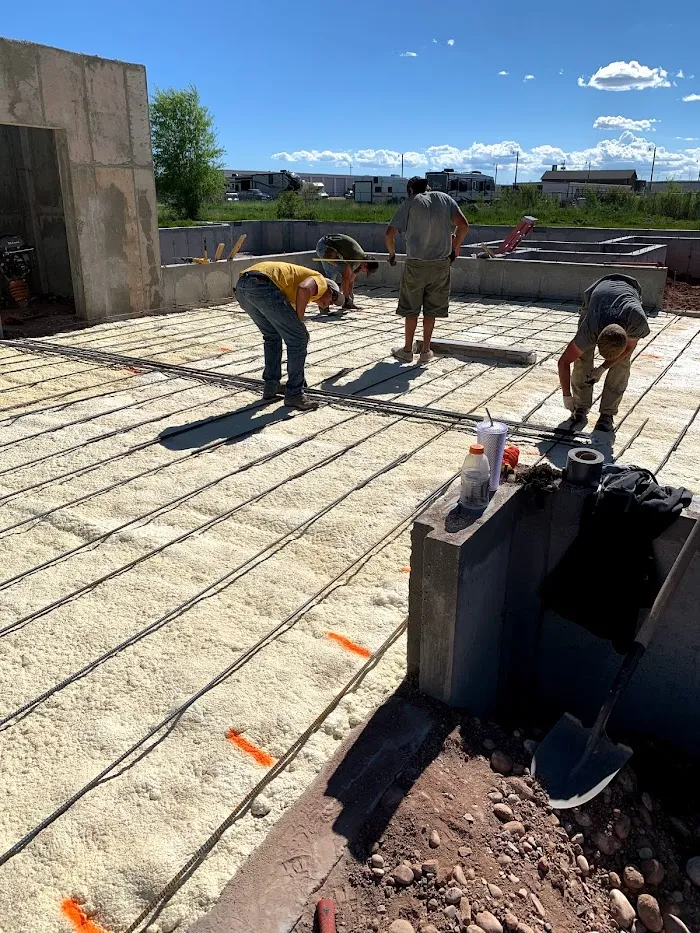
Spray foam provides the highest R-value per inch and creates an air-tight seal when properly applied. It works especially well in rim joists, crawl spaces, and other hard-to-insulate areas. While more expensive, its superior air sealing properties make it valuable for solving persistent cold spots in Rigby homes.
Certain areas consistently cause heating issues in local homes. Identifying these trouble spots is the first step toward resolution:
The attic is typically the largest source of heat loss in Rigby homes. Heat rises and can escape through under-insulated attics, creating cold spots on upper floors, while lower levels may overheat as the thermostat compensates. Many homes lack the recommended R-49 to R-60 insulation levels for our climate zone.
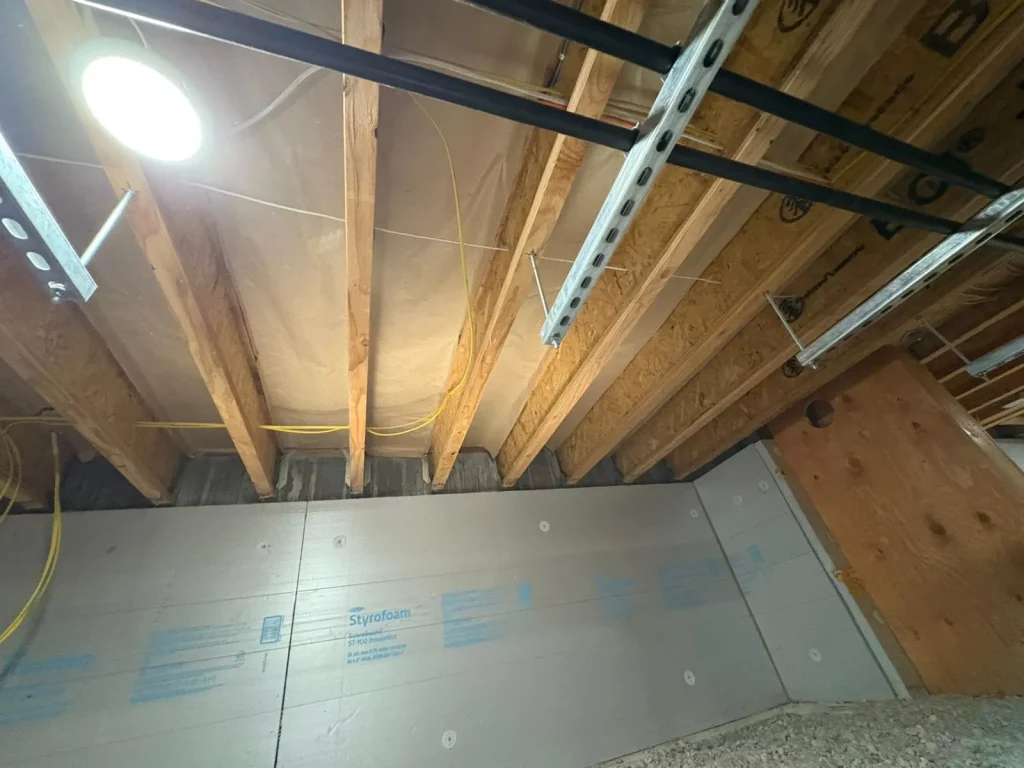
The area where the house foundation meets the first floor (rim joist) is a common problem spot. This large wooden surface often lacks proper insulation and air sealing, allowing cold air to infiltrate along the floor perimeter. Crawl spaces without proper insulation also contribute to cold floors and uneven heating.
Older homes in Rigby may have insufficient wall insulation or none at all. Even insulated walls can have gaps, compressed areas, or moisture damage that reduces effectiveness. These problems create cold exterior walls and temperature variations between rooms.
| Insulation Type | R-Value Per Inch | Best Applications | Lifespan |
|---|---|---|---|
| Fiberglass Batts | 3.2-3.8 | Walls, attics | 20-30 years |
| Blown-in Fiberglass | 2.2-2.7 | Attics, hard-to-reach areas | 20-30 years |
| Cellulose | 3.2-3.8 | Attics, walls | 20-30 years |
| Spray Foam | 6.0-7.0 | Rim joists, crawl spaces, and air sealing | 30+ years |
Table based on typical installation costs and performance data for the Idaho market
Before adding insulation, evaluate what’s already installed. Many homes benefit from adding to existing insulation rather than complete replacement. However, if the current insulation is damaged, compressed, or contaminated with mold or pests, it may need to be removed before installation.
Insulation works best when combined with proper air sealing. According to Energy Star research, air sealing can reduce heating costs by an additional 10% when done before adding insulation. Focus on sealing gaps around windows, doors, electrical outlets, and plumbing penetrations first.
Rigby’s climate requires attention to moisture management. Insulation must stay dry to maintain effectiveness. Proper vapor barriers and ventilation systems prevent moisture accumulation, which could reduce insulation performance and cause structural damage over time.
Insulation upgrades range from DIY-friendly projects to professional installations. Attic insulation typically offers the best return on investment, while wall insulation requires more extensive work but provides significant comfort improvements. Prioritize based on your specific heating problems and available budget.
Most Rigby homes see the biggest improvement from adding attic insulation first. This project typically pays for itself within 3-5 years through energy savings, according to data from the North American Insulation Manufacturers Association. Focus on achieving at least R-49 for our climate zone.
Many homeowners overlook rim joist insulation, but this area causes significant comfort issues. Sealing and insulating rim joists can reduce cold floors and drafts along exterior walls. Use spray foam or rigid foam board for the best results in this application.
Above windows and doors, header beams often lack proper insulation. Adding rigid foam insulation during window replacement or as a retrofit project can significantly reduce cold spots near exterior walls.
Proper insulation fundamentally changes how homes in Rigby handle heating challenges by creating consistent thermal barriers throughout the structure. The most effective solutions address not just the amount of insulation but also air sealing and moisture management specific to our high desert climate.
Starting with attic improvements typically delivers the fastest results, while wall insulation and rim joist sealing provide more comprehensive solutions to persistent uneven heating problems. The right insulation choices reduce energy costs, eliminate cold spots, and create consistent comfort throughout your home.
Evaluate your specific situation by checking current insulation levels, identifying the most problematic areas, and prioritizing projects based on both comfort improvements and potential energy savings. Professional energy audits can help target your investment where it will make the biggest difference.
High Country Solution offers comprehensive insulation evaluations for Rigby homeowners experiencing uneven heating problems. Contact the team at [email protected] or call (307) 248-9063 to schedule a thorough assessment of your home’s insulation needs. The evaluation includes thermal imaging, insulation measurement, and detailed recommendations specific to your home’s construction and your comfort concerns.
The U.S. Department of Energy recommends R-49 to R-60 for attics, R-13 to R-15 for walls, and R-25 to R-30 for floors in our climate zone. These values ensure optimal comfort and energy efficiency for Rigby’s heating demands.
Proper insulation benefits year-round comfort. In summer, it keeps hot outdoor air from penetrating your home, reducing cooling needs. The same thermal barrier that prevents heat loss in winter also blocks heat gain in summer.
Several methods can help determine wall insulation levels. Removing an electrical outlet cover (with power off) allows visual inspection of wall cavities. Thermal cameras or professional energy audits provide more detailed assessments of insulation presence and effectiveness.
Most insulation materials last 20-30 years or more when properly installed and protected from moisture. Fiberglass and cellulose maintain performance well, while spray foam can last 30+ years. Replacement is typically only needed if insulation becomes damaged, compressed, or contaminated.