Insulated vs Uninsulated Walls: How Big Is the Energy Difference?
The energy difference between insulated and uninsulated walls is substantial, typically ranging from 30% to over 50% in heating and…

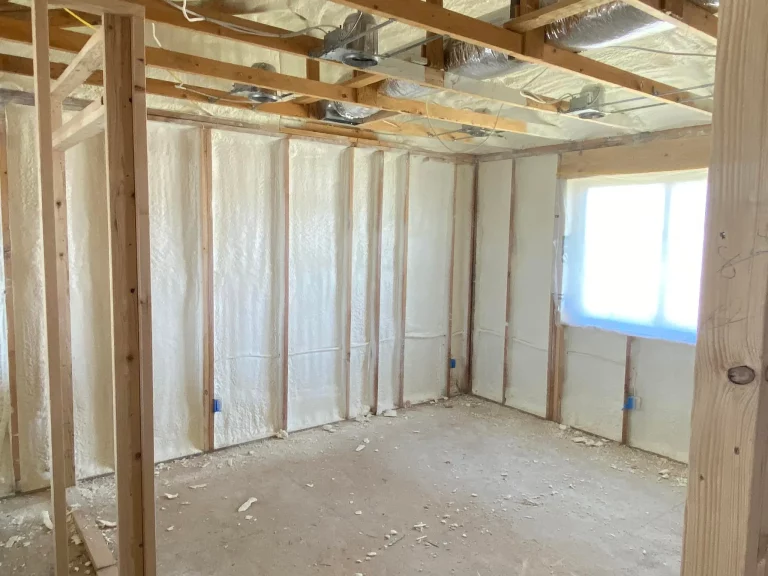
Installing solar panels without first addressing insulation is like pouring water into a leaking bucket. The most effective solar-ready homes rely on a high-performance thermal envelope to minimize energy waste before generating new power. By insulating the house, you reduce the total energy load for heating and cooling, allowing a smaller, more affordable solar array to power the entire property efficiently.
Pairing robust insulation with solar technology creates a system in which every kilowatt generated is used effectively rather than compensating for heat loss. High Country Solutions has observed that homeowners who prioritize insulation upgrades often see a faster return on their solar investment because their homes require less electricity to maintain comfort. This approach ensures that the energy produced by your panels actually runs your appliances and climate control systems, rather than leaking out through the attic or walls.
The efficiency of a residential solar system is directly tied to the building’s energy consumption, known as the “load.” When a home has poor insulation, the HVAC system must work harder to maintain stable temperatures, artificially inflating this load. A Department of Energy report finds that properly insulating a home can reduce heating and cooling costs by an average of 15%.
For a solar-ready home, this reduction is critical. If you reduce your home’s energy consumption through better insulation, you can install fewer solar panels to achieve the same net-zero result. This saves money on the initial solar installation and creates a more resilient system.
Bonus Tip: Always perform a blower door test to identify air leaks before finalizing the size of your solar system. This data helps calculate the precise reduction in energy load after sealing.
Not all insulation materials are equal when preparing an attic for solar integration. The goal is to maximize R-value (thermal resistance) while accommodating the structural needs of solar equipment.
Spray Foam Insulation
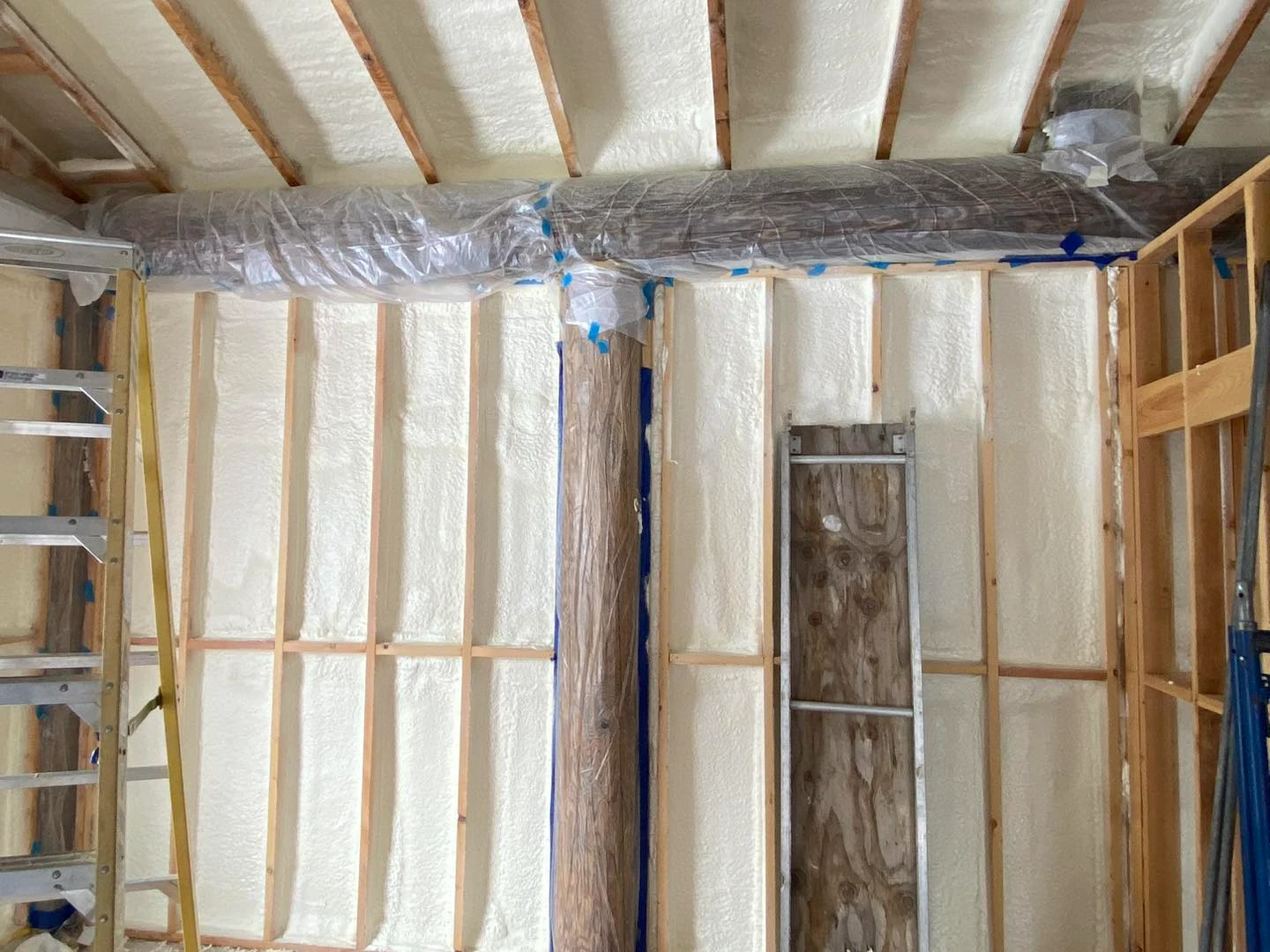
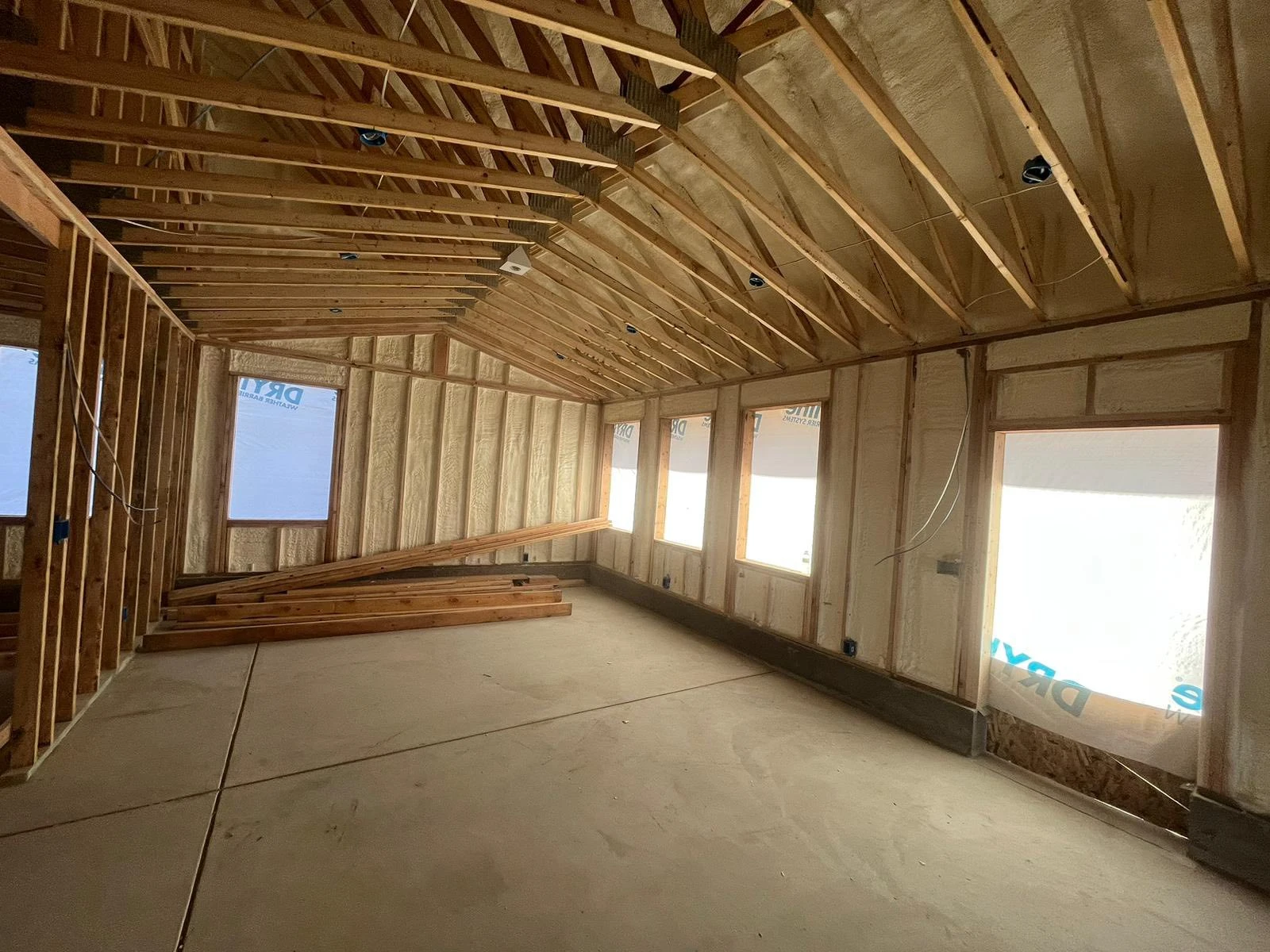
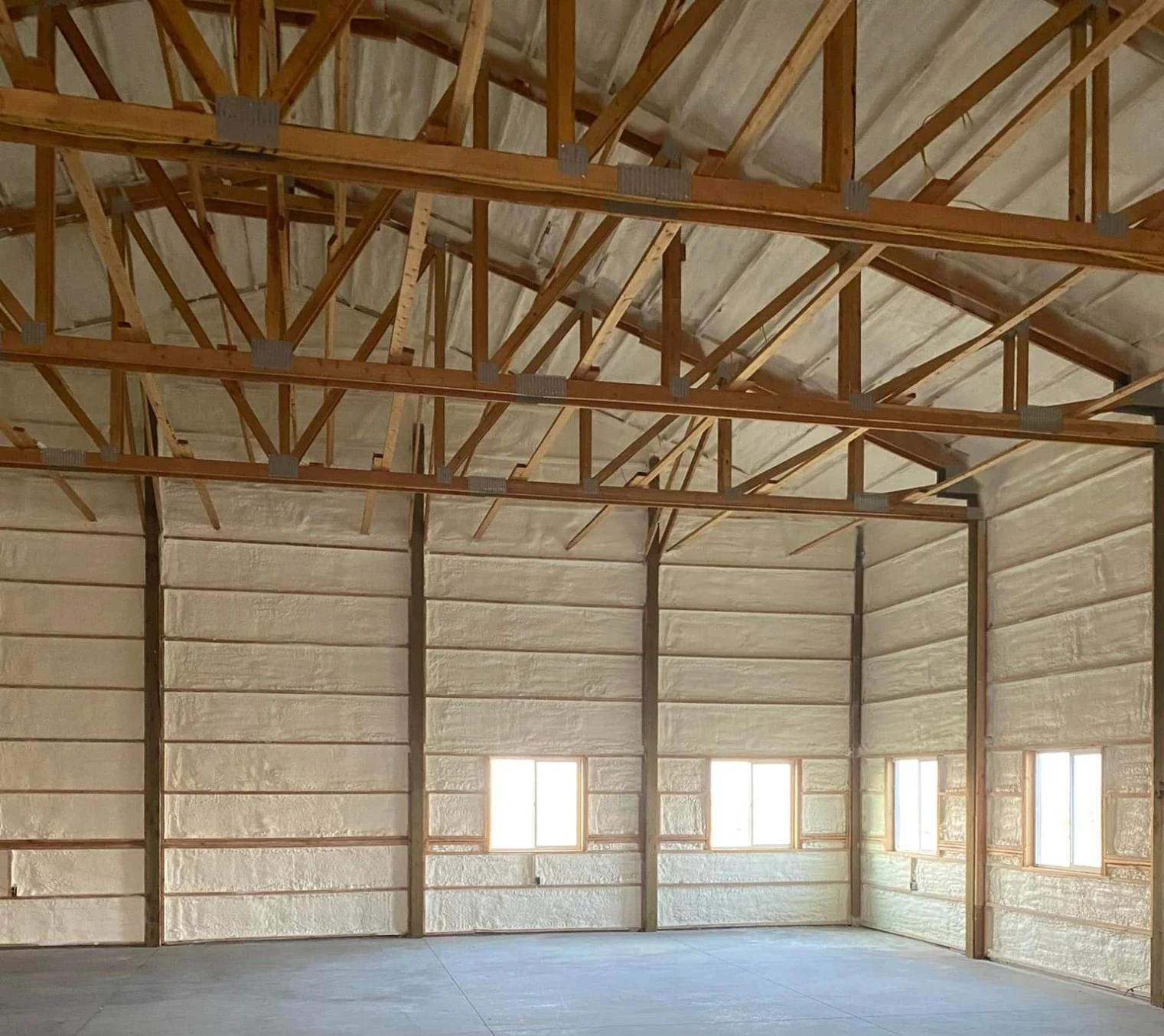
Spray foam is often the preferred choice for solar-ready homes, particularly closed-cell foam. It provides a high R-value per inch and adds structural rigidity to the roof deck, which is beneficial when supporting the weight of solar racking. Additionally, applying spray foam to the underside of the roof deck brings attic ductwork into the conditioned space, preventing energy loss from ducts that would otherwise be exposed to extreme attic temperatures.
Blown-In Cellulose
Cellulose is an eco-friendly option made from recycled paper products. It is effective for retrofitting existing attics where the floor needs better coverage. While it does not seal the underside of the roof deck like spray foam, it offers excellent thermal performance and is often more affordable.
The following table compares common insulation materials based on their thermal resistance and suitability for homes planning solar installations.
| Insulation Material | R-Value Per Inch | Air Sealing Capability | Solar-Ready Suitability |
|---|---|---|---|
| Closed-Cell Spray Foam | R-6.0 – R-7.0 | Excellent | High – Adds structural strength; seals the roof deck. |
| Open-Cell Spray Foam | R-3.5 – R-3.9 | Good | High–Seals roof deck; allows leak detection. |
| Blown-In Cellulose | R-3.1 – R-3.8 | Moderate | Medium – Good for attic floors; eco-friendly. |
| Fiberglass Batts | R-2.9 – R-3.8 | Poor | Low – Prone to gaps; difficult to work around wiring. |
Data adapted from RetroFoam of Michigan
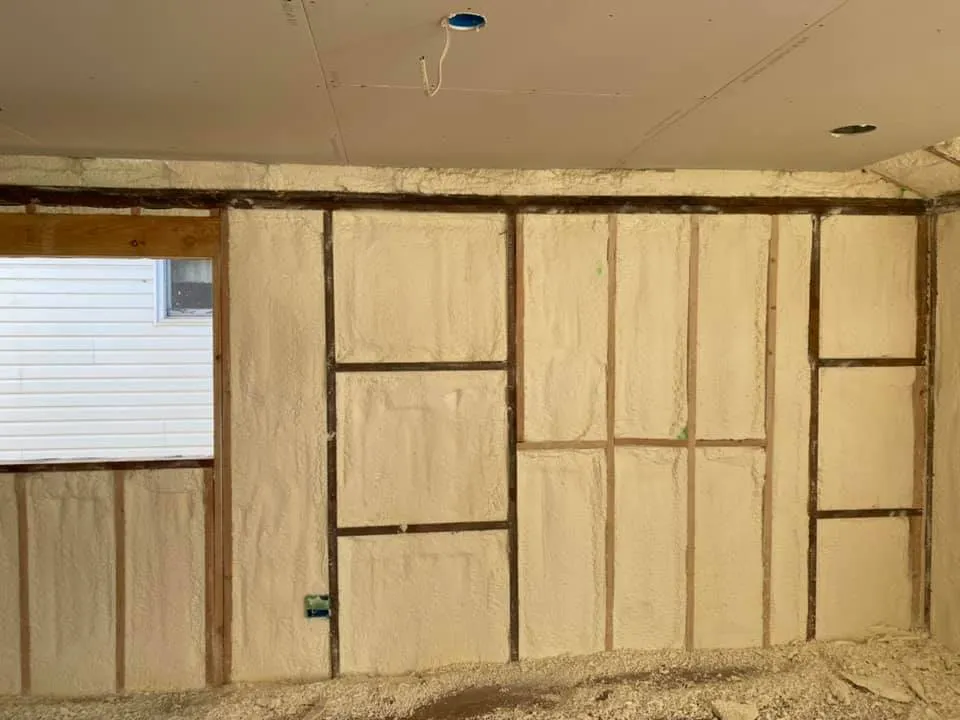
Strong market trends support the financial argument for combining insulation with solar. The residential insulation market is growing as homeowners realize that energy efficiency is a prerequisite for renewable energy generation. According to IMARC Group, the United States insulation market size reached $13.3 billion in 2024, driven largely by the demand for energy efficiency to reduce heating and cooling expenses.
Furthermore, retrofitting existing buildings with high-quality insulation presents a massive opportunity. Research suggests that retrofitting can reduce energy intensity by almost 40%. For a homeowner, this means that every dollar spent on insulation effectively lowers the capital required for a solar system, as the system does not need to produce as much power to meet the household’s needs.
Before scheduling an insulation upgrade or signing a solar contract, evaluate these factors to ensure the systems work in harmony.
Bonus Tip: If your solar panels will cover a large portion of the roof, they will actually shade the roof surface, reducing the cooling load in summer.
Indirectly, yes. While insulation does not change how the panels generate electricity, it significantly lowers the amount of power your home needs. This makes the solar system appear more efficient because it can cover a larger percentage of your daily usage.
You can, but it is more difficult if you plan to spray foam the underside of the roof deck. The installers will need to work around the conduit and wiring penetrations from the solar array. It is far better to insulate first to ensure a continuous seal around these penetrations.
This depends on your climate zone. The Energy Star program recommends R-38 to R-60 for attics in most northern and central zones. Higher R-values maximize the value of your solar production.
Yes, removing old, dirty, or compressed fiberglass allows for proper air sealing of the attic floor. Sealing air leaks is just as crucial as the R-value itself for reducing the energy load.
Creating a solar-ready home requires more than just installing panels on the roof; it demands a holistic approach to energy management. By prioritizing high-quality insulation, you reduce your property’s energy demand, enabling your solar system to perform at its peak. This strategy protects your investment and ensures the renewable energy you generate powers your life, not gets wasted on inefficiencies. Evaluate your current insulation status today to build a solid foundation for a sustainable future.
High Country Solutions is here to help you prepare your home for maximum energy independence. Whether you need expert advice on the right insulation material or a comprehensive assessment of your attic’s thermal performance, our team provides the practical solutions you need. Contact us today at [email protected] or call (307) 248-9063 to start your journey toward a truly efficient, solar-ready home.