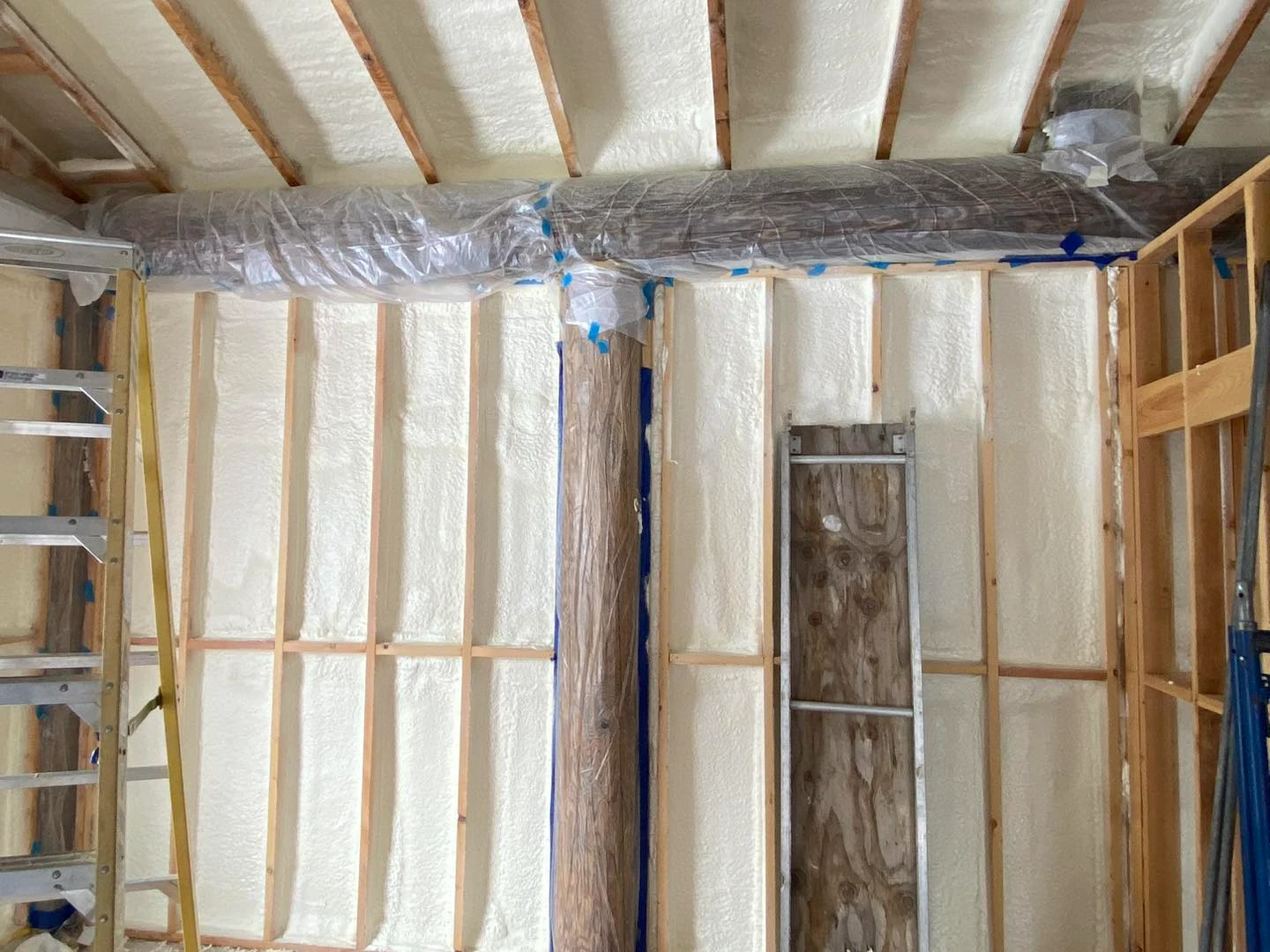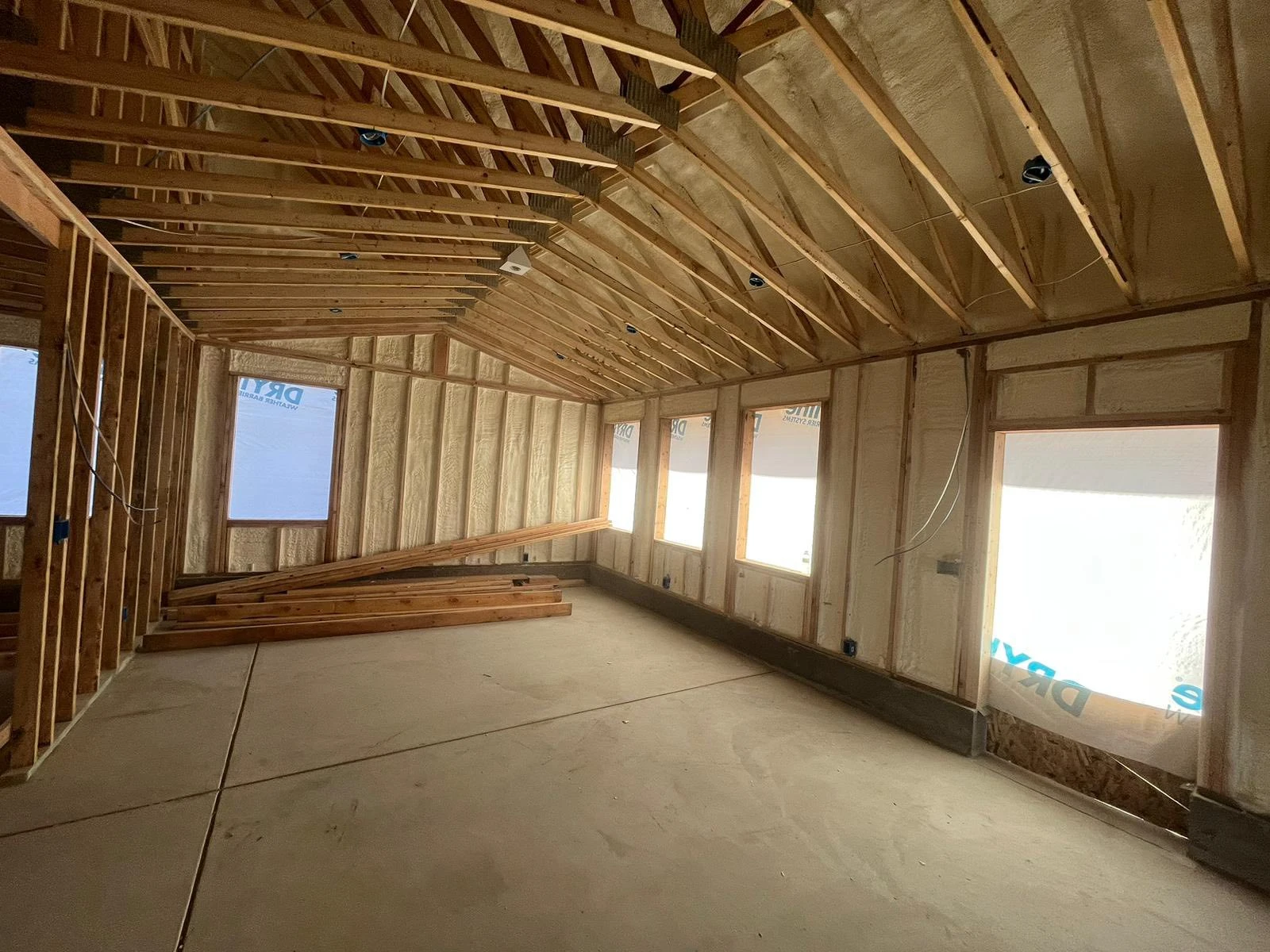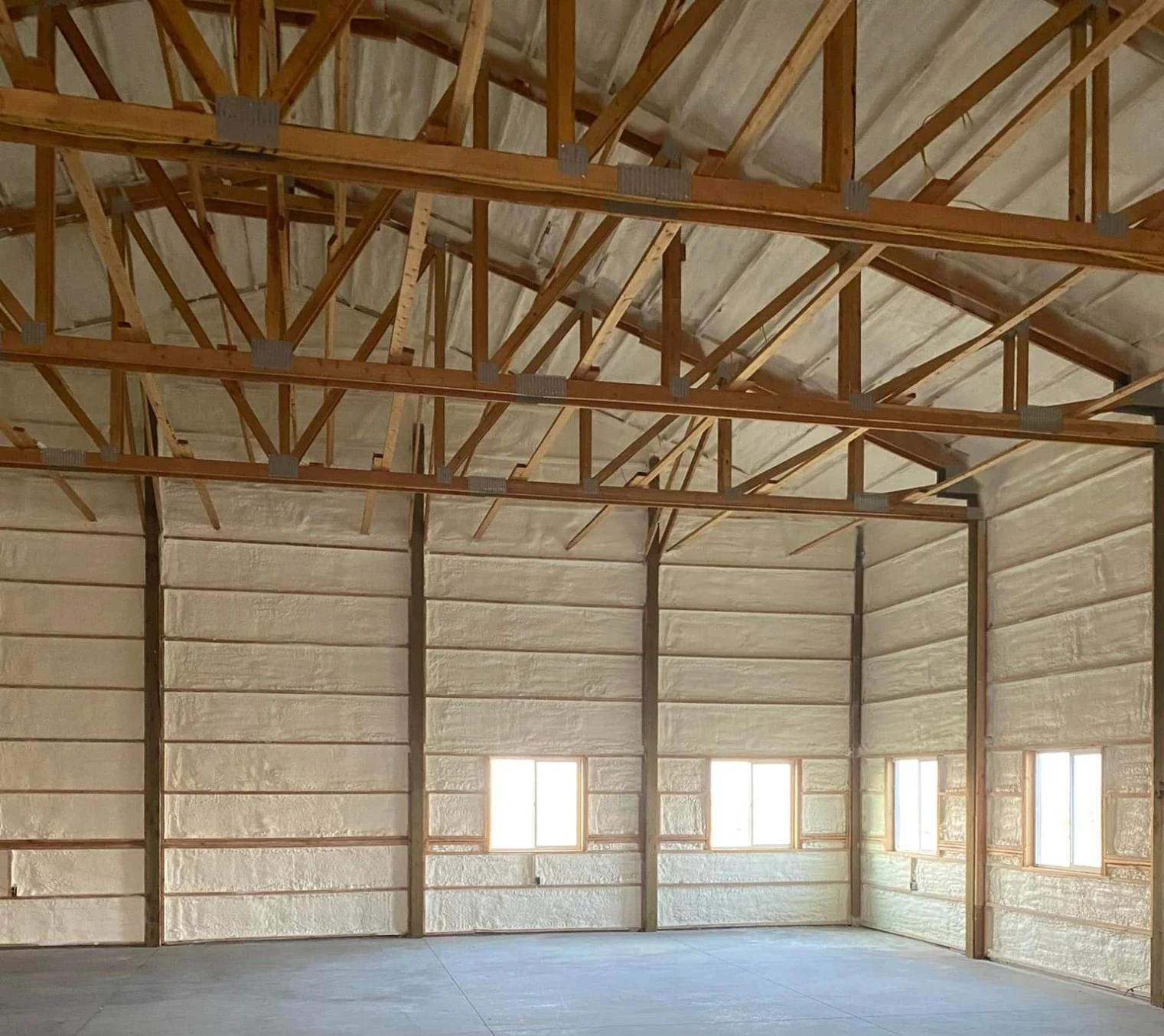
Insulated vs Uninsulated Walls: How Big Is the Energy Difference?
The energy difference between insulated and uninsulated walls is substantial, typically ranging from 30% to over 50% in heating and…


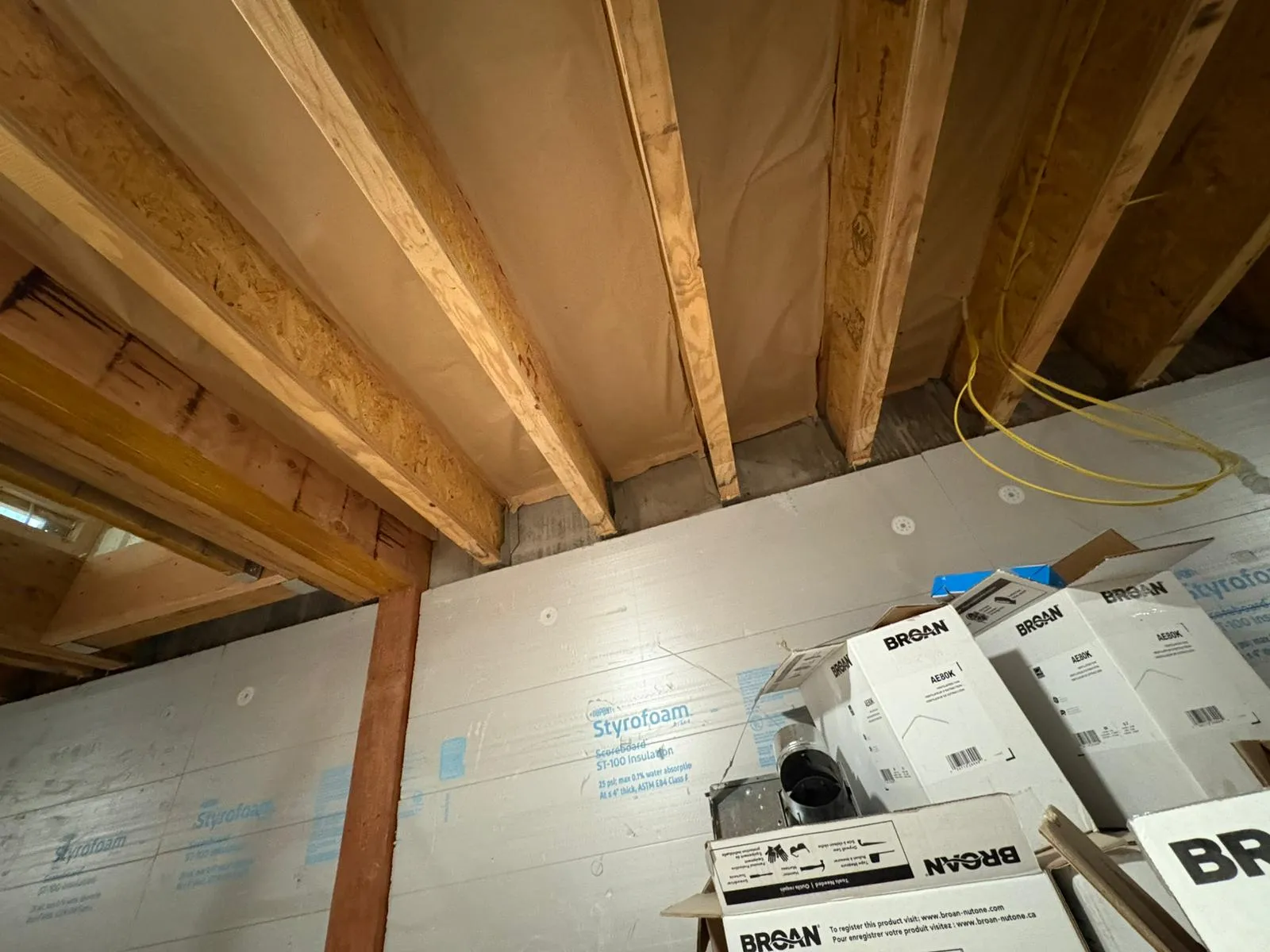
Determining the right R-value for your home insulation depends primarily on your climate zone, the area of your house you’re insulating, and your energy-efficiency goals. The U.S. Department of Energy recommends different R-values for different regions, with colder climates requiring higher insulation values. You’ll need to consider factors like your local building codes, energy costs in your area, and whether you’re building new or retrofitting existing insulation.
This guide will walk you through the complete process of calculating the exact R-value your home needs, with practical advice based on years of insulation experience across various climate conditions. Understanding these fundamentals will help you make informed decisions that balance comfort, energy savings, and installation costs.
R-value measures how well insulation resists heat flow. Higher numbers mean better insulation performance. The calculation is straightforward: R-value equals the material’s thermal resistance, which is determined by its thickness, density, and type. When you combine different insulation layers, you simply add their R-values together to get the total thermal resistance.
The effectiveness of insulation depends on proper installation. Even high R-value materials won’t perform well if there are gaps, compression, or moisture issues. High Country Solution regularly encounters homes where poor installation has reduced effective R-value by 30% or more, highlighting why professional installation matters.
Your geographic location determines the minimum R-values you should consider. The U.S. Department of Energy has established eight climate zones, each with specific recommendations for different parts of your home. These aren’t just suggestions; they’re based on extensive research into heating and cooling degree days across different regions.
Bonus Tip: Don’t just meet minimum code requirements. The U.S. Department of Energy recommends exceeding local building codes by 20-30% for better energy savings and comfort.
| Climate Zone | Attic | Walls | Floors | Crawl Space |
|---|---|---|---|---|
| Zone 1 (South Florida) | R30 | R13 | R13 | R13 |
| Zone 2 (Southern Texas) | R38 | R13 | R13 | R19 |
| Zone 3 (California) | R38 | R13 | R19 | R19 |
| Zone 4 (Northern Texas) | R38 | R13 | R19 | R19 |
| Zone 5 (Colorado) | R49 | R13-21 | R25 | R30 |
| Zone 6 (Northern Wyoming) | R49 | R21 | R25 | R30 |
| Zone 7 (Northern Minnesota) | R49 | R21 | R30 | R30 |
| Zone 8 (Alaska) | R60 | R21 | R30 | R30 |
Source: U.S. Department of Energy insulation recommendations
Not all parts of your home need the same insulation level. Heat loss and gain vary significantly between ceilings, walls, floors, and basements. Your attic typically needs the highest R-value because heat rises and escapes through the roof, while walls need moderate insulation, and crawl spaces or basements might need different values depending on whether they’re heated.
Your attic deserves special attention. According to research from the Lawrence Berkeley National Laboratory, proper attic insulation can reduce heating and cooling costs by 10-50%. The type of attic you have affects the approach, too. Cathedral ceilings might need different insulation than traditional flat attics, and ventilation requirements change with insulation levels.
Bonus Tip: In vented attics, ensure you maintain proper air channels between insulation and roof decking to prevent moisture buildup and ice dams.
The more you spend on heating and cooling, the faster your insulation investment pays back. Homes in extreme climates achieve faster returns than those in moderate climates. The U.S. Energy Information Administration reports that average American households spend $1,866 annually on energy, with heating and cooling accounting for nearly half of that expense.
When calculating ROI, consider both immediate energy savings and increased home value. A study by the North American Insulation Manufacturers Association found that homeowners can save an average of 15% on heating and cooling costs by air sealing their homes and adding insulation. In high-cost energy regions, these savings can exceed $500 annually.
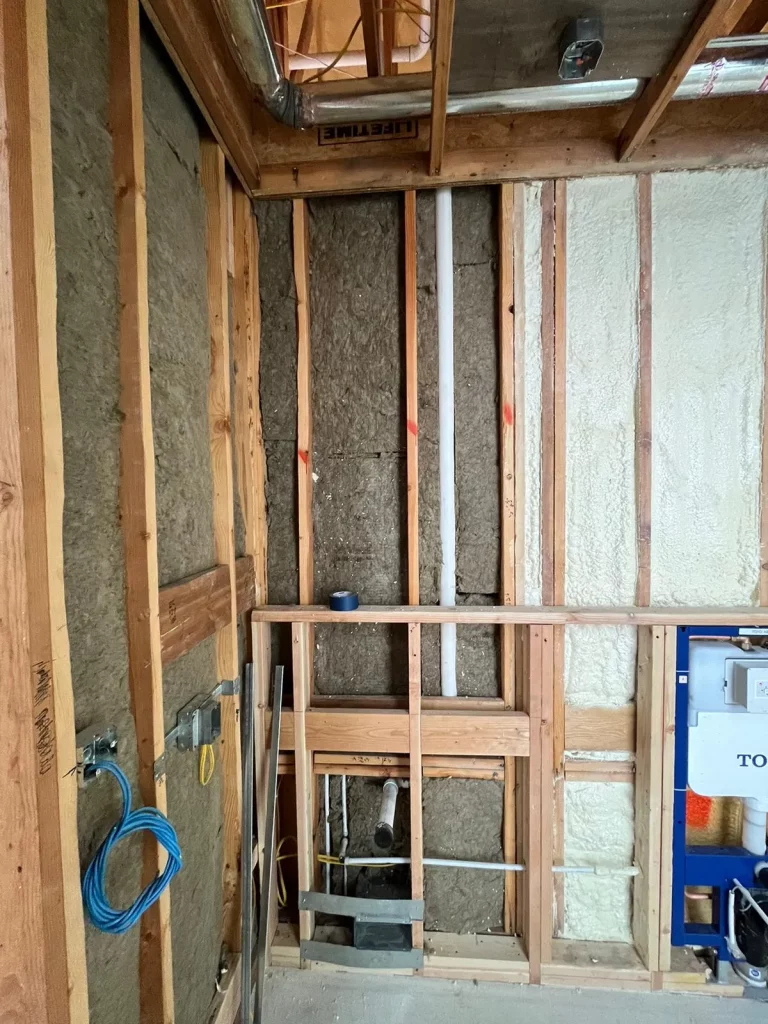
Local building codes establish minimum requirements, but they shouldn’t be your maximum target. Some states offer energy efficiency rebates for exceeding minimum standards. Check with your local utility company for potential incentives that can offset installation costs.
Existing construction presents unique challenges. Before adding insulation to an older home, address air sealing first. The U.S. Department of Energy estimates that air sealing alone can save 10% on energy bills. Also consider moisture control—adding insulation without managing moisture can lead to mold and structural damage.
Bonus Tip: When retrofitting walls, consider dense-pack cellulose, which offers better air sealing properties than fiberglass and provides higher R-values per inch in cavity spaces.
Proper insulation starts with understanding your specific climate zone and home construction. Focus on areas of highest heat loss first—typically the attic, followed by walls, and then floors. Always address air sealing before adding insulation, as air movement can undermine even the highest R-value materials.
For the best results, conduct a thorough assessment of your current insulation levels and identify priority areas. Consider your long-term energy goals and local energy costs when deciding whether to exceed minimum recommendations. A professional energy audit can provide detailed recommendations tailored to your home and climate.
High Country Solution can provide a comprehensive insulation evaluation to determine exactly what R-value your home needs for maximum comfort and energy efficiency. The team considers local climate conditions, your home’s construction, and your energy goals to recommend the right insulation strategy. Contact High Country Solution at [email protected] or call (307) 248-9063 to schedule your insulation assessment today.
Cavity insulation fills the space between wall studs, while continuous insulation runs uninterrupted across studs, reducing thermal bridging. Modern building codes increasingly require continuous insulation for better energy performance, especially in exterior walls.
Generally, no, unless the existing insulation is damaged, contaminated with mold or pests, or contains asbestos. In most cases, you can add new insulation on top of existing material, combining the R-values for total performance.
Professional energy audits include insulation assessments, but you can do a basic visual check. In unfinished attics, if insulation levels are at or below the floor joists, you probably need more. Wall insulation is harder to evaluate without thermal imaging or a professional assessment.
Yes, most insulation materials provide some sound-dampening benefits. Dense materials like cellulose and mineral wool offer better acoustic performance than fiberglass. For maximum sound control, consider dedicated soundproofing insulation products.