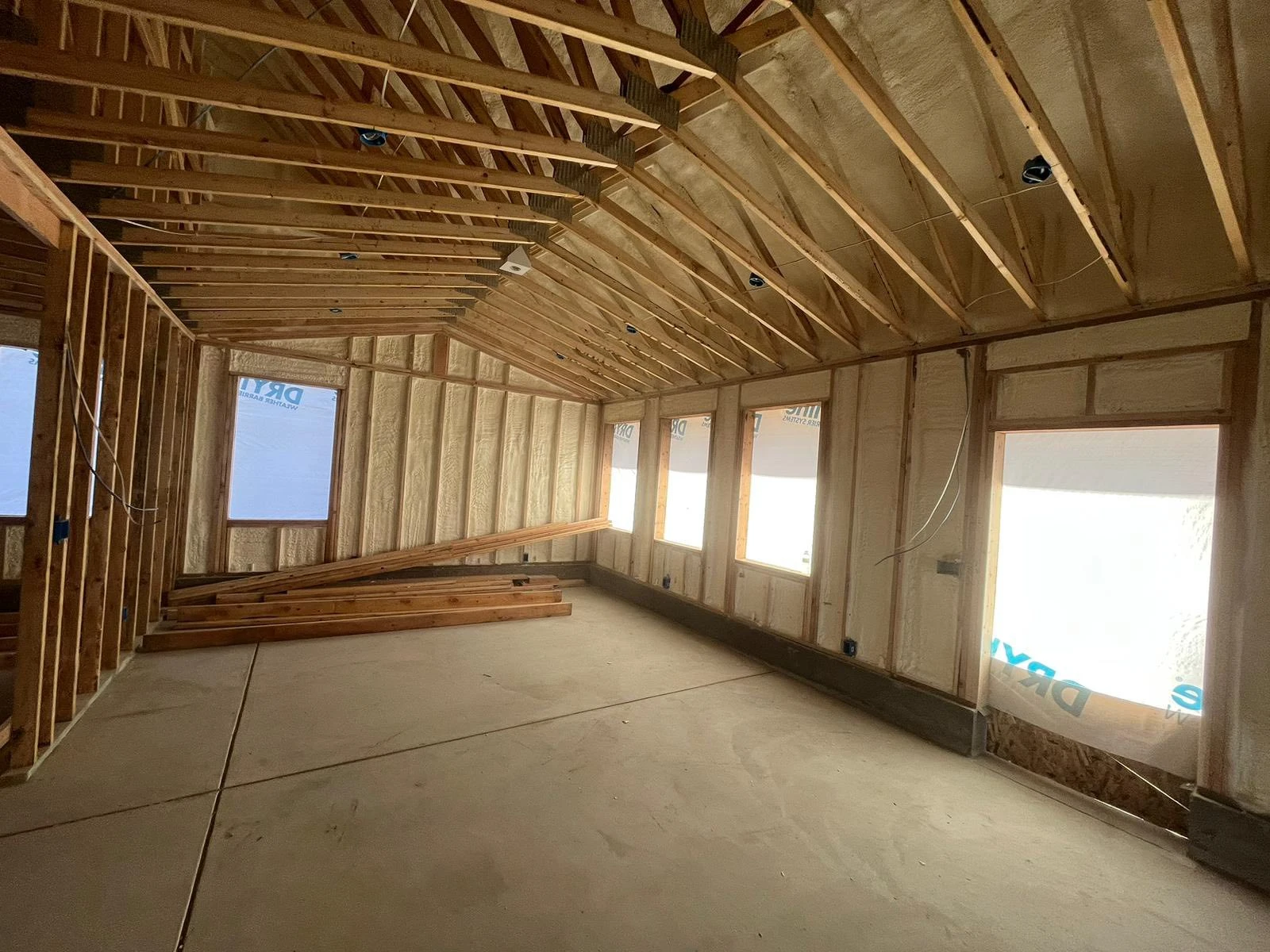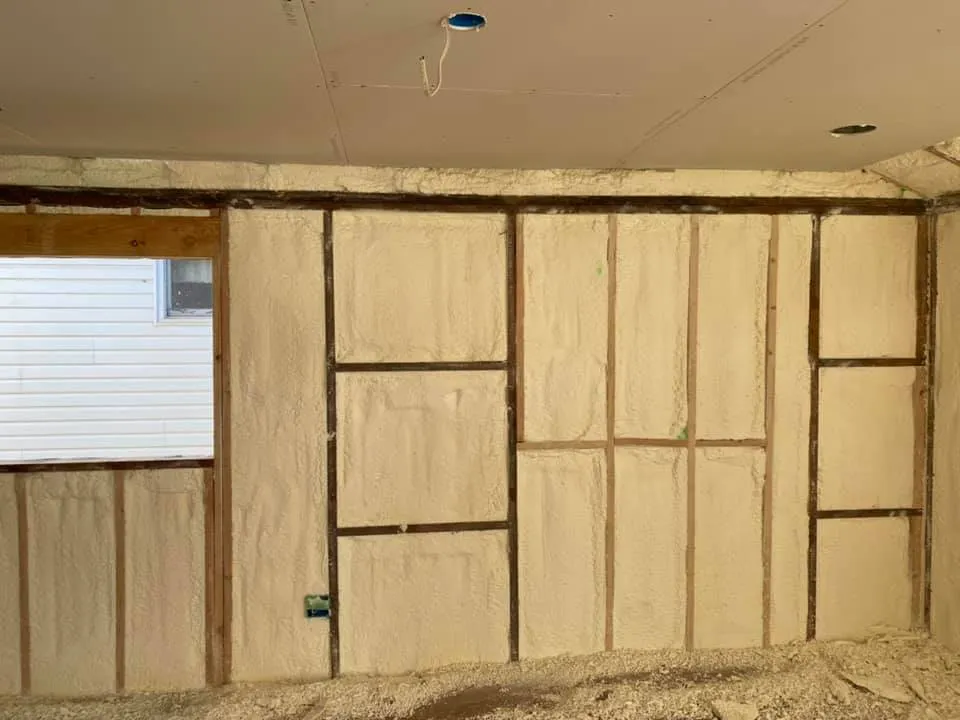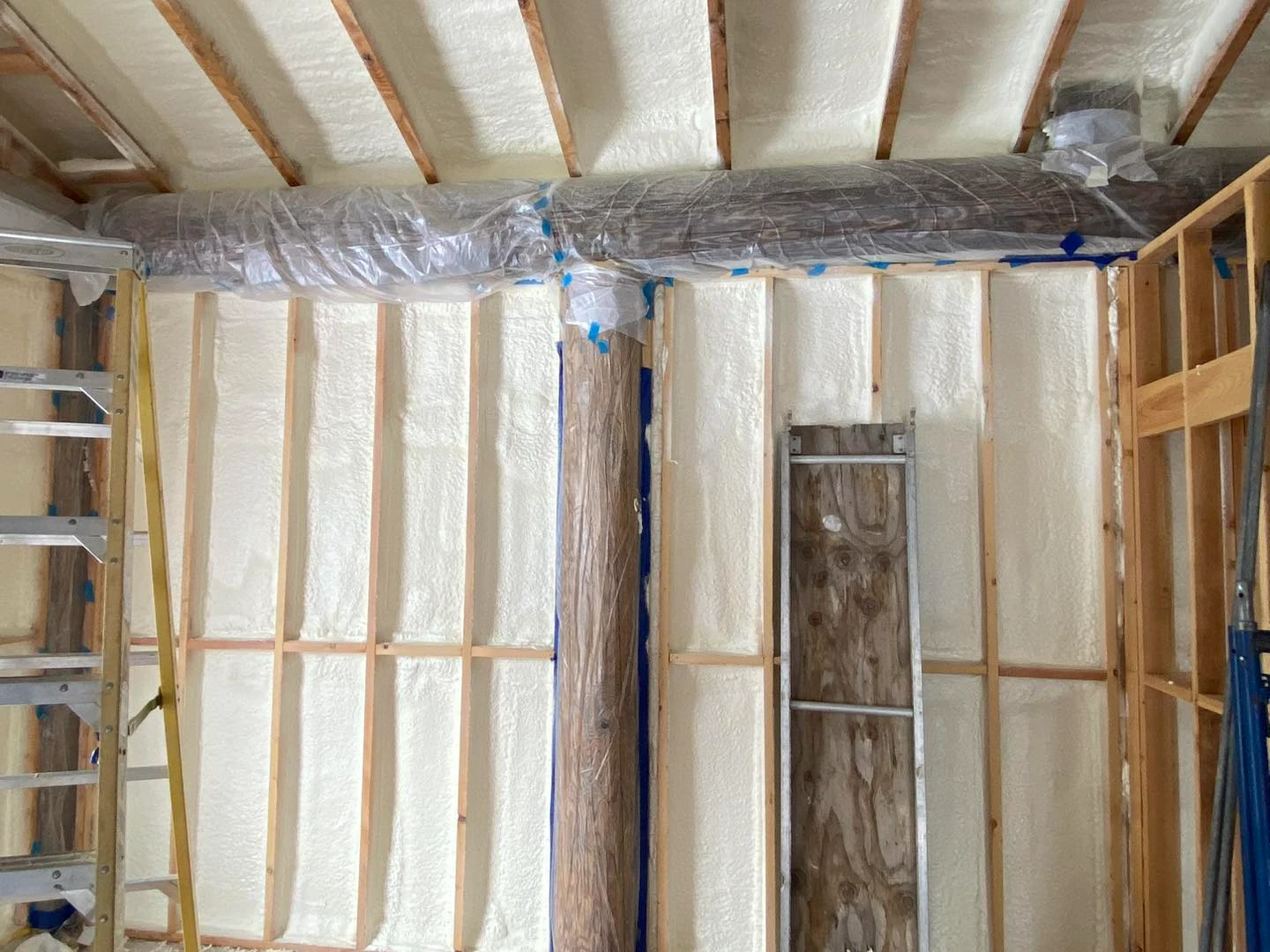
Choosing Spray Foam Insulation Based on Climate and Home Structure in Alpine, WY
Alpine, Wyoming, sits in a heating-dominated climate zone where winter temperatures routinely plunge below zero and summer days can still…


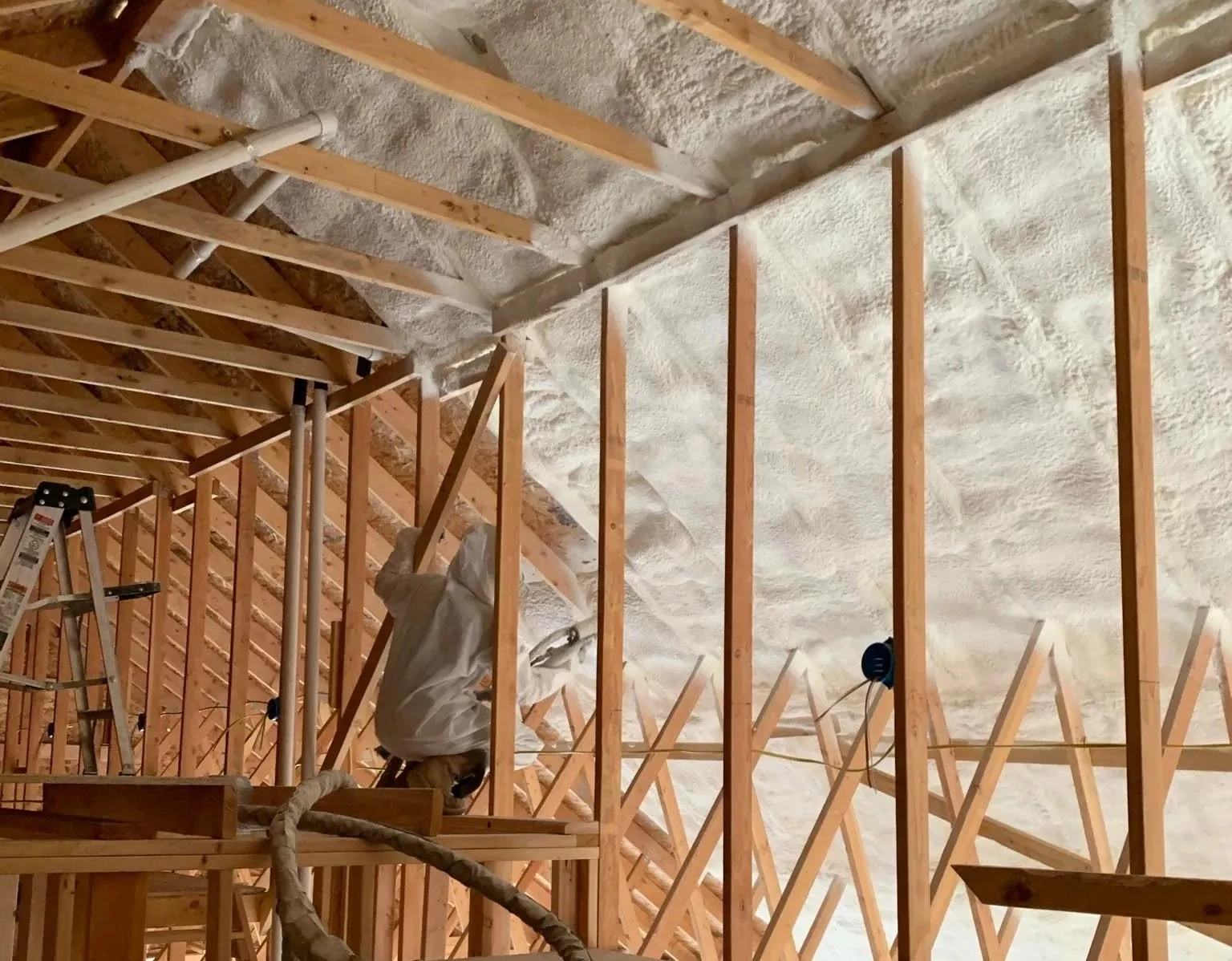
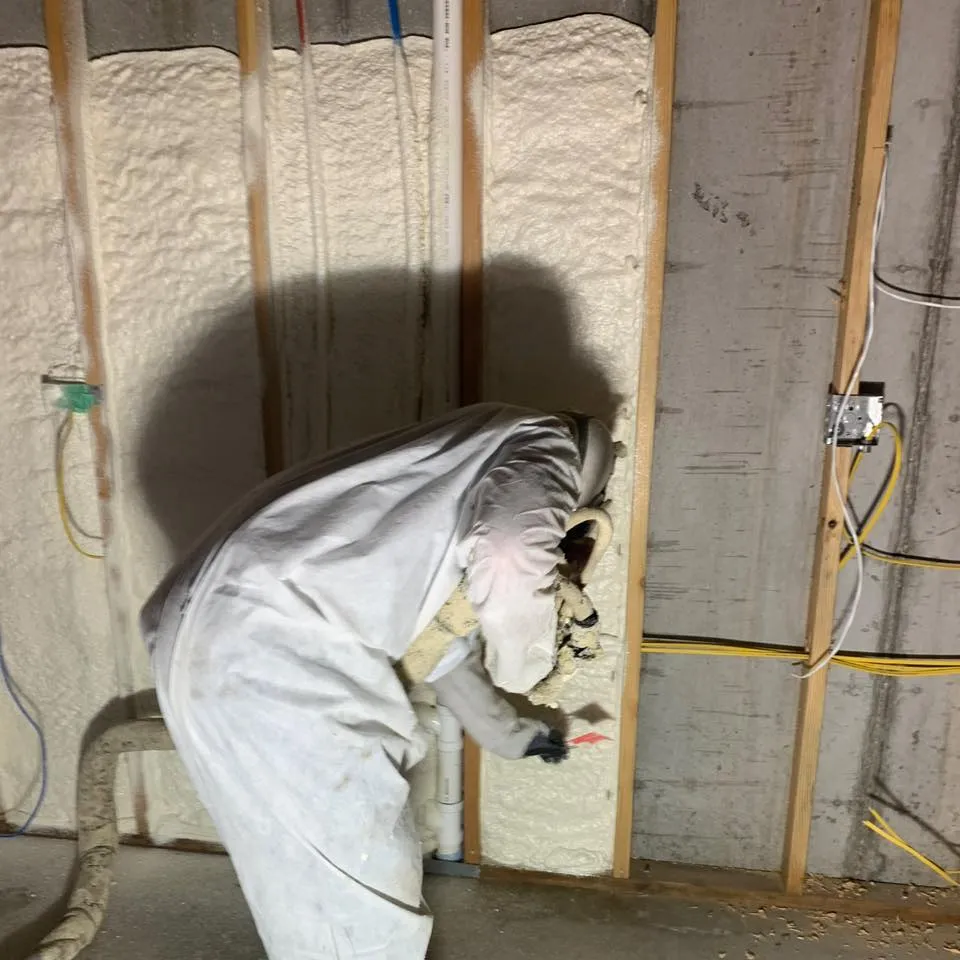
Open-cell spray foam insulation delivers a combination of air sealing, moisture permeability, sound dampening, and cost efficiency that makes it particularly well-suited for interior wall and ceiling cavities in alpine and mountain homes. The right insulation choice depends on your climate zone, budget, and whether the application is interior or exterior. Open-cell spray foam serves interior applications best, where its vapor-permeable nature allows trapped moisture to escape, while closed-cell foam typically performs better on exterior-facing surfaces and crawl spaces. For homeowners and builders working in high-altitude environments where temperature swings, indoor moisture buildup, and noise transmission are common concerns, open-cell foam addresses all three without the premium cost of its denser counterpart.
Homes built in mountain and alpine regions face a set of environmental pressures that flatland or temperate-zone homes rarely encounter. Temperatures can swing 40 to 60 degrees between day and night, especially at elevations above 6,000 feet. Heating systems run for extended periods, which dries out indoor air and creates a strong vapor drive pushing moisture from interior living spaces into wall cavities. Add in wind exposure on ridge lines or mountainsides, and the stack effect pulls warm air out of any crack, gap, or unsealed penetration, making high-altitude Open-cell foam insulation solutions critical for maintaining consistent indoor comfort.
Interior insulation in these homes needs to accomplish three things simultaneously: stop air leakage to prevent heat loss, allow any moisture that enters wall cavities to dry out, and dampen sound transmission between rooms where people spend more time indoors during long winters. Open-cell spray foam checks all three boxes in a single application.
Experts at Fine Homebuilding emphasize that understanding how these environmental variables affect R-value and insulation efficiency is essential for maintaining a high-performance building envelope in rugged terrain.
According to Johns Manville, a leading building materials manufacturer, open-cell spray foam achieves an R-value of approximately R-3.8 per inch, compared to R-7 per inch for closed-cell. While the per-inch rating favors closed-cell, interior wall cavities in standard 2×4 or 2×6 framing allow enough depth for open-cell to reach code-compliant and often code-exceeding R-values while providing benefits that closed-cell cannot match in interior applications.
The single biggest source of energy loss in most homes is air leakage through gaps, cracks, and penetrations in the building envelope. Open-cell spray foam expands to fill every void in the cavity it is applied to, creating a continuous air barrier. Unlike fiberglass batts that can leave gaps around electrical boxes, plumbing penetrations, and framing irregularities, spray foam conforms to the exact shape of the cavity. This air sealing alone can reduce energy loss by up to 50% in homes with significant leakage, according to The Green Cocoon, an insulation industry resource.
One of the most overlooked risks in alpine home construction is moisture trapped inside wall assemblies. When warm, humid indoor air meets a cold exterior wall surface, condensation forms. If the insulation material blocks that moisture from drying out, mold growth, wood rot, and structural damage follow. Open-cell spray foam is vapor-permeable, meaning it allows water vapor to pass through at a rate that lets wall assemblies dry to both the interior and exterior. This characteristic makes it safer for interior applications where a vapor-impermeable material like closed-cell foam could create a moisture trap.
Mountain homeowners spend more time indoors during winter months, and sound transmission between rooms becomes a noticeable quality-of-life issue. Open-cell foam has a soft, spongy cell structure that absorbs sound energy rather than reflecting it. PC Spray Foam Insulation notes that open-cell spray foam provides excellent soundproofing for interior walls and ceilings, outperforming fiberglass and rigid foam boards in Sound Transmission Class (STC) ratings. This makes it a strong choice for walls between bedrooms, home offices, and mechanical rooms housing furnaces or water pumps.
The choice between open-cell and closed-cell spray foam is not about one being universally better. It is about matching the material properties to the specific location and function within the building assembly. The table below outlines how each performs across the factors that matter most in alpine home construction.
| Factor | Open-Cell Spray Foam | Closed-Cell Spray Foam |
|---|---|---|
| R-Value Per Inch | ~R-3.7 to R-3.8 | ~R-6.5 to R-7.0 |
| Vapor Permeability | Vapor-permeable, allows drying | Vapor-impermeable, acts as a vapor barrier |
| Sound Dampening | Excellent, absorbs sound | Moderate, denser structure reflects more sound |
| Expansion Rate | Expands up to 100x, fills voids completely | Expands 30 to 40x, higher density fill |
| Cost Per Board Foot | Lower, typically 30 to 50% less | Higher due to material density |
| Best Applications | Interior walls, ceilings, attics with ventilation | Exterior walls, crawl spaces, rim joists, foundations |
| Structural Rigidity | Flexible, moves with framing | Adds structural rigidity to assemblies |
| Moisture Risk in Cavity | Low, moisture can escape | Higher if used incorrectly on interior side |
For interior walls and ceilings in alpine homes, open-cell is the stronger candidate. It seals air leaks, dries safely, and absorbs sound. Closed-cell becomes the better choice for below-grade applications, rim joists, and exterior-facing assemblies where its vapor barrier properties and structural strength provide genuine advantages.
Material cost is one of the first questions homeowners and builders ask, and this is where open-cell spray foam offers a meaningful advantage. Because open-cell foam uses less raw material per cubic foot and expands more during application, the installed cost per square foot is consistently lower than that of closed-cell. While exact pricing varies by region and contractor, USA Spray Me reports that closed-cell spray foam costs significantly more per board foot due to its higher material density and chemical composition.
The long-term value calculation extends beyond material cost. Open-cell foam’s air sealing reduces heating fuel consumption over the life of the home. Its moisture management properties reduce the likelihood of costly mold remediation or structural repairs. Its sound-dampening adds measurable comfort that affects daily quality of life. When you weigh the installed cost against the combined benefits of energy savings, moisture protection, and acoustic comfort, open-cell foam delivers strong value for interior applications.
| Home Type | Recommended Interior Insulation | Key Notes |
|---|---|---|
| New Construction Alpine Home | Open-cell spray foam in all interior walls and ceilings | Maximizes air sealing and sound dampening from day one; pair with closed-cell on exterior envelope |
| Retrofit / Remodel | Open-cell spray foam in accessible wall cavities and attics | Ideal for upgrading poorly insulated existing walls without full gut renovation |
| Mountain Cabin / Vacation Home | Open-cell spray foam in living areas and bedrooms | Sound dampening adds noticeable comfort; vapor permeability protects against moisture during intermittent occupancy |
| Multi-Story Alpine Home | Open-cell in interior partition walls, closed-cell at rim joists and floor assemblies | Layered approach manages both air sealing and moisture across multiple levels |
Choosing the right installer is as important as choosing the right material. A qualified spray foam contractor will conduct a thorough assessment of your home before recommending open-cell versus closed-cell in specific locations. They should explain why they are recommending open-cell for interior cavities rather than defaulting to the more expensive closed-cell product across the board. Look for clear pricing breakdowns per board foot, references from other alpine or mountain-region projects, and willingness to answer questions about vapor drive, drying potential, and building science principles. A contractor who pushes a single product for every application without discussion is a red flag.
Choosing the right insulation for a mountain or alpine home requires a contractor who understands building science at elevation, not just product specs. At High Country Solutions, we assess every project individually and recommend the insulation strategy that matches your home’s specific construction, climate exposure, and performance goals. Whether you are building new, remodeling, or upgrading an existing home, our team delivers precise installation and honest recommendations.
Call us at (307) 248-9063 or email [email protected] to discuss your project.
It can, but it is generally not the first choice for exterior-facing walls where vapor-impermeable insulation and higher R-value per inch are more important. Closed-cell spray foam or a combination of closed-cell with a continuous exterior rigid foam layer typically performs better on the exterior side of the building envelope.
Open-cell foam maintains its insulating and air sealing properties across a wide temperature range. Its flexibility allows it to expand and contract with wood framing as temperatures shift, which reduces the risk of gaps forming at joints and connection points over time.
Once properly cured, open-cell spray foam is inert and does not off-gas harmful chemicals. The curing process typically takes 24 to 72 hours, during which the home should be ventilated. Working with a certified installer who follows manufacturer guidelines ensures safe installation and proper curing times.
Open-cell foam does not contain food sources that attract pests, and its sealing properties eliminate the gaps and cracks that rodents and insects use to enter wall cavities. However, because it is softer than closed-cell foam, determined pests could theoretically burrow into it. Pairing foam insulation with proper sealing at entry points provides the best defense.
When installed correctly, open-cell spray foam insulation lasts the lifetime of the building. It does not settle, sag, or degrade over time like fiberglass batts can. Its adhesion to framing members ensures it maintains its air sealing and insulating properties for decades without maintenance.