Why ventilation is a critical partner to your insulation system in Idaho Falls, ID
Ventilation and insulation work as an essential team in Idaho Falls homes, where insulation keeps heat in during winter and…


Removing old insulation is a fundamental first step in any effective residential insulation upgrade. Old materials can contain hazards, lose their insulating properties over time, and prevent new insulation from working properly. Without proper removal, homeowners risk trapping moisture, mold, and inadequate thermal performance in their homes. High Country Solutions has seen countless projects in which skipping this crucial step has led to costly problems down the road, making removal not just optional but essential for long-term energy efficiency and home health.
This guide explains why and how to remove old insulation, what to expect during removal, and how to determine whether your existing insulation needs to be removed before installing new materials. You’ll get practical insights from real insulation projects and clear decision-making frameworks to help you plan your upgrade effectively.
Insulation materials break down naturally. Fiberglass batts settle and compress, losing up to 50% of their original R-value after 15-20 years. Cellulose insulation can compact from humidity and temperature cycles, creating air gaps that allow heat transfer. Spray foam may develop cracks or separation from framing members. These issues aren’t just minor reductions in performance – they can significantly increase heating and cooling costs while making your home uncomfortable.
Older insulation often contains materials we now know are hazardous. Homes built before 1980 might have vermiculite insulation contaminated with asbestos, which requires professional abatement. Even newer materials can develop problems – fiberglass can become a breeding ground for mold when moisture gets in, and rodent droppings in attic insulation can carry dangerous pathogens like Hantavirus. According to the Environmental Protection Agency, poor indoor air quality from contaminated insulation can cause respiratory issues, headaches, and allergic reactions.
Damaged insulation often signals deeper problems. Water-stained insulation indicates roof leaks that need addressing before new installation goes in. Compressed insulation can lead to ice dams in winter and excessive heat gain in summer. Pest-infested insulation can attract more rodents and insects, creating ongoing maintenance issues. Removing old materials provides the opportunity to inspect and repair underlying structural problems that would otherwise continue damaging your home.
Different insulation materials have different lifespans and removal requirements. Here’s what professionals encounter most frequently:
Fiberglass Batts and Blankets: These typically need removal after 20-25 years. Signs include settling, compression, moisture staining, or rodent damage. Fiberglass releases fine particles during removal that require respiratory protection.
Cellulose Loose-Fill: This material absorbs moisture easily and can develop mold within 5-10 years in humid climates. It also attracts pests and compacts over time, reducing effectiveness. Removal requires specialized vacuums with HEPA filtration.
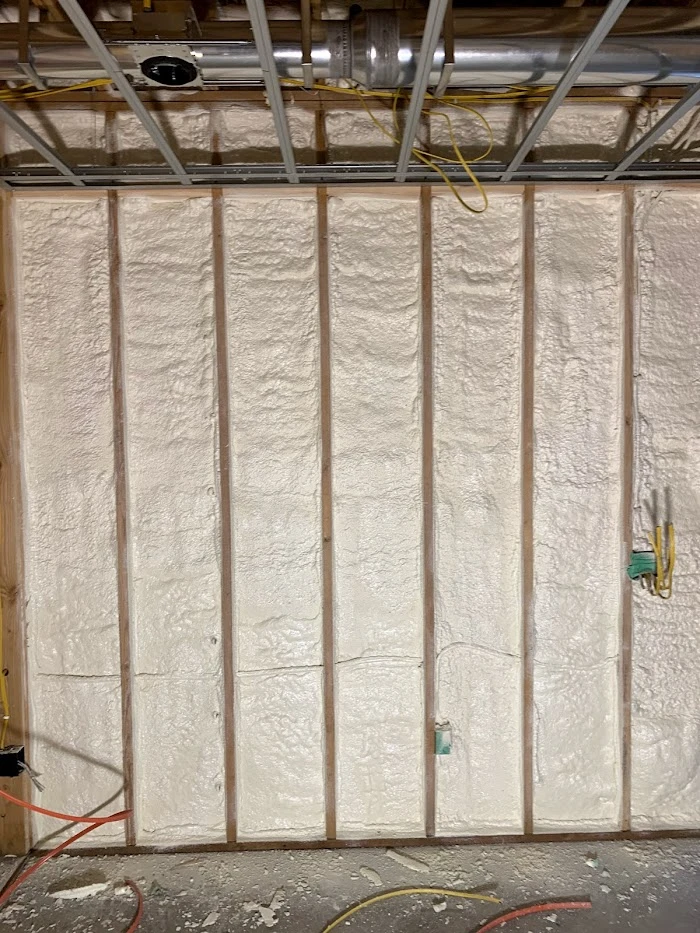
Spray Foam: While more durable, spray foam can develop problems. Closed-cell foam may crack from building movement, while open-cell foam can retain water if exposed. Damaged sections need careful cutting and removal without disturbing adjacent areas.
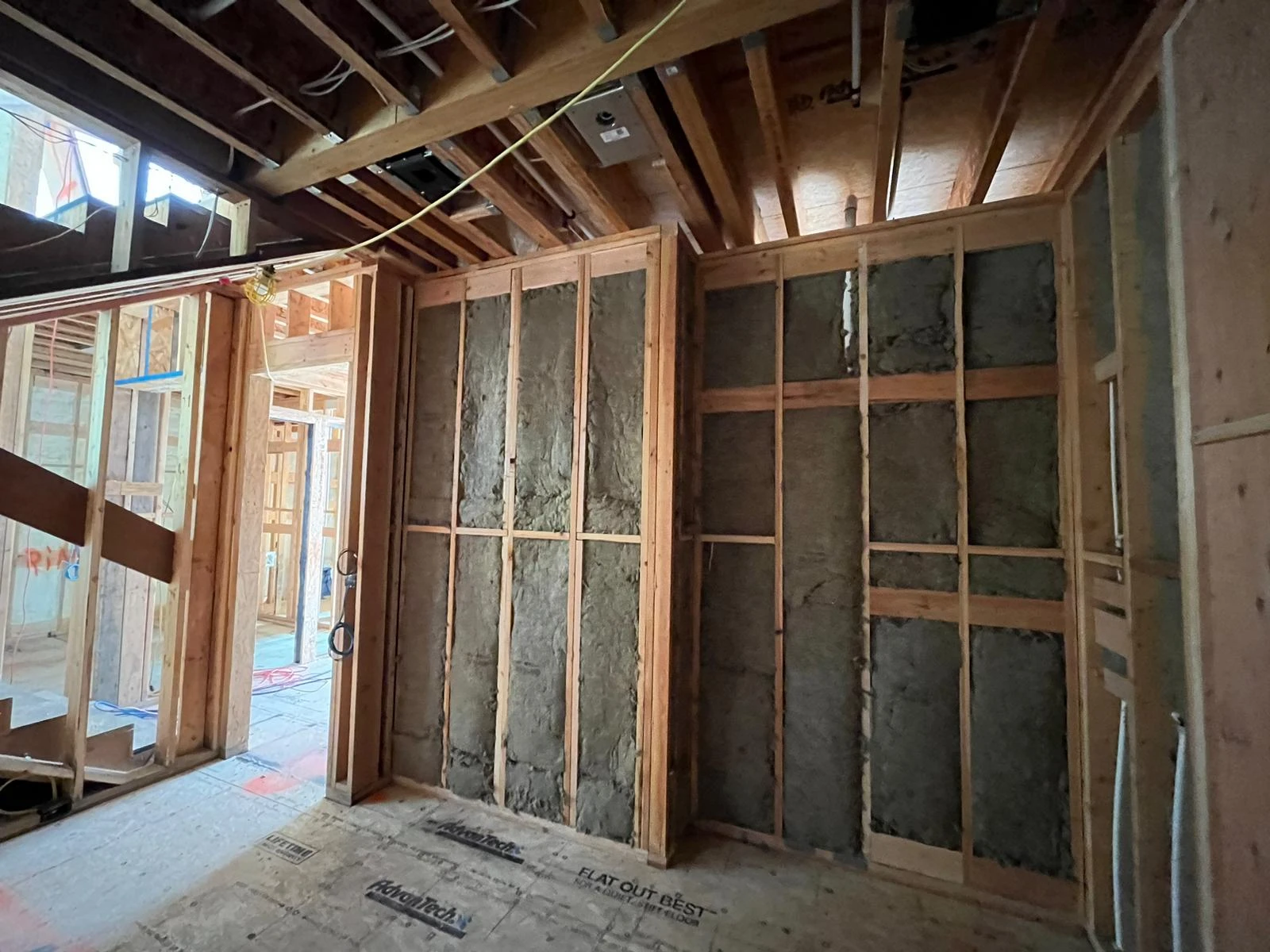
Vermiculite and Rock Wool: These older materials often contain asbestos or other hazardous components and require professional abatement. Never attempt to remove these yourself.
Professional insulation removal involves more than just pulling out old materials. The process starts with thorough inspection and testing for hazardous materials. Workers then seal off the work area with plastic sheeting, establish negative air pressure to prevent contamination of living spaces, and wear appropriate personal protective equipment including respirators, disposable coveralls, and eye protection.
Removal typically uses industrial vacuums with HEPA filtration for loose-fill materials and manual extraction for batts and boards. All removed materials are sealed in heavy-duty bags for proper disposal. The space is then cleaned, sanitized, and prepared for new insulation installation.
Home health depends on proper removal procedures. According to the Occupational Safety and Health Administration, insulation disturbance can release fibers, particles, and contaminants into the air. Professional removers follow specific protocols including air monitoring, contamination control, and proper waste disposal. DIY attempts without proper equipment and knowledge can lead to serious health risks and inadequate removal.
| Removal Method | Best For | Time Required | Cost Factors | Safety Considerations |
|---|---|---|---|---|
| Industrial Vacuum | Loose-fill cellulose/fiberglass | 4-8 hours (average attic) | Equipment rental, disposal fees | Requires HEPA filtration |
| Manual Extraction | Batts, boards, damaged foam | 6-10 hours | Labor intensive, bagging costs | Less airborne particles but more physical work |
| Combination Approach | Mixed insulation types | 8-12 hours | Both methods needed | Most comprehensive but most expensive |
| Professional Abatement | Hazardous materials | Variable by severity | Specialized disposal, permits | Must follow EPA/OSHA regulations |
Start by determining your insulation’s age and current state. If your home is over 25 years old and you haven’t upgraded insulation, removal is likely necessary. Look for visible problems: water stains, mold growth, pest droppings, compressed or settled areas, or damaged materials. These indicators suggest removal is warranted rather than simply adding new material on top.
Removal adds 30-50% to total insulation project costs but often provides better long-term value. The U.S. Department of Energy reports that proper insulation can reduce heating and cooling costs by 15-25%. Calculate potential energy savings against removal costs – most homeowners recoup removal expenses within 3-5 years through reduced utility bills.
Plan removal during moderate weather seasons when you can temporarily open your home for ventilation. Spring and fall are ideal, avoiding extreme temperatures that make living conditions difficult during the work period. Consider project timing with other home renovations – insulation removal creates dust and disruption that should be coordinated with other work.
In northern regions like Wyoming, where High Country Solutions operates, insulation removal timing matters significantly. Plan removal for late spring or early summer to avoid exposing your home to extreme cold. Cold climate homes often have thicker insulation layers, making removal more time-consuming. Ice dam prevention requires careful attention to ventilation systems during removal and reinstallation.
In southern and coastal regions, moisture control becomes the primary concern. Homes in these areas need more frequent insulation replacement due to humidity damage. Removal must include thorough moisture testing and potential mold remediation. New insulation should include vapor barriers appropriate for humid conditions to prevent repeating moisture problems.
In areas with both cold winters and hot summers, consider removal timing based on your utility patterns. If your cooling costs exceed heating costs, schedule removal for spring. If heating dominates your energy bills, early fall removal allows completion before cold weather arrives.
Removing old insulation isn’t just about clearing out old material – it’s about creating a clean, healthy foundation for your home’s energy efficiency system. The upfront cost and inconvenience pay dividends through improved comfort, lower energy bills, and better indoor air quality. Professional removal ensures the job is done safely and completely, protecting both your home investment and your family’s health.
Evaluate your specific situation by considering your insulation’s age, visible condition, and any health concerns. If you’re unsure about whether removal is necessary, consult a qualified insulation contractor for assessment. The decision to remove old insulation before upgrading represents an investment in your home’s long-term performance and your family’s wellbeing.
High Country Solution provides comprehensive insulation evaluation and removal services. Contact the team at [email protected] or call (307) 248-9063 to schedule an inspection of your current insulation system. Professional assessment helps determine whether removal is necessary and ensures your insulation upgrade delivers maximum energy savings and home comfort.
Homes built before 1980 with vermiculite insulation should assume asbestos presence. Professional testing is the only way to know for certain. Never disturb potentially hazardous materials without professional assessment.
When done professionally, removal shouldn’t damage living spaces. Proper containment procedures prevent dust and particles from entering your home. Minor ceiling or wall damage might occur during access but is usually repairable.
Most often yes. Removal prevents moisture problems, eliminates health hazards, and ensures new insulation performs at full capacity. The long-term energy savings and avoided repair costs typically outweigh initial removal expenses.
For small jobs like crawlspace removal, yes. For large attic removals, particularly with hazardous materials, temporary relocation might be recommended. Your contractor can advise based on your specific situation.