Why Are Homeowners in Thayne, WY Considering Mineral Wool for Insulation Upgrades?
Homeowners in Thayne, WY are turning to a mineral wool insulation guide because Star Valley winters push heating systems to their…

Mineral wool insulation delivers its biggest payoff in the areas of your Jackson Hole home that lose the most heat and face the most stress. A mineral wool insulation planning guide can help you evaluate the attic and ceiling plane, cathedral ceilings and kneewalls, above-grade walls, floors over unheated garages or crawl spaces, basement and foundation walls, and interior walls where sound or fire protection matters. Jackson Hole sits in one of the coldest climate zones in the country, so the right area-by-area strategy depends on your home’s construction, how it is used, and which problems you feel first, such as cold floors, drafty rooms, or noisy walls. Below, we break down what mineral wool does better than other materials in each area and how to sequence the work.
Jackson Hole is not a place where insulation can be an afterthought. According to the Wyoming State Climate Office’s Climate Atlas, western valleys across the state drop to mean January minimum temperatures around -5°F; the mountain station at Moran recorded a reliable low of -63°F; and high valleys like Jackson Hole see freezing temperatures possible in any summer month. The same atlas notes that days at or below 32°F exceed 228 per year in Wyoming’s mountains.
That combination creates three conditions that punish under-insulated homes:
Because we live and work in this climate, our approach always starts with the building envelope as a system: air seal first, then insulate each priority area to the level recommended for our zone.
The attic is where we start on nearly every Jackson Hole project, because as the Insulation Institute explains, more heat escapes through the roof than any other part of the home. In our zone, ENERGY STAR calls for R-60 in an uninsulated attic, or R-49 if you already have 3 to 4 inches of insulation. Common tactics include R-30 and R-38 mineral wool batts, or layering, such as an R-19 batt combined with an R-30 to reach R-49. Dense stone wool holds its shape and position better than lighter materials, which helps performance stay consistent through decades of deep freezes.
Mineral wool insulation solutions can help address cold spots in vaulted ceilings and sloped roof assemblies, where framing limits cavity depth. High-performance R-30 and R-38 batts are made specifically for these assemblies, and mineral wool’s stiffness helps it fill the rafter bay without sagging away from the roof deck. In a climate where heavy snow loads sit on the roof for months, keeping that cavity fully filled reduces cold streaks and the melt-refreeze cycle behind ice dams.
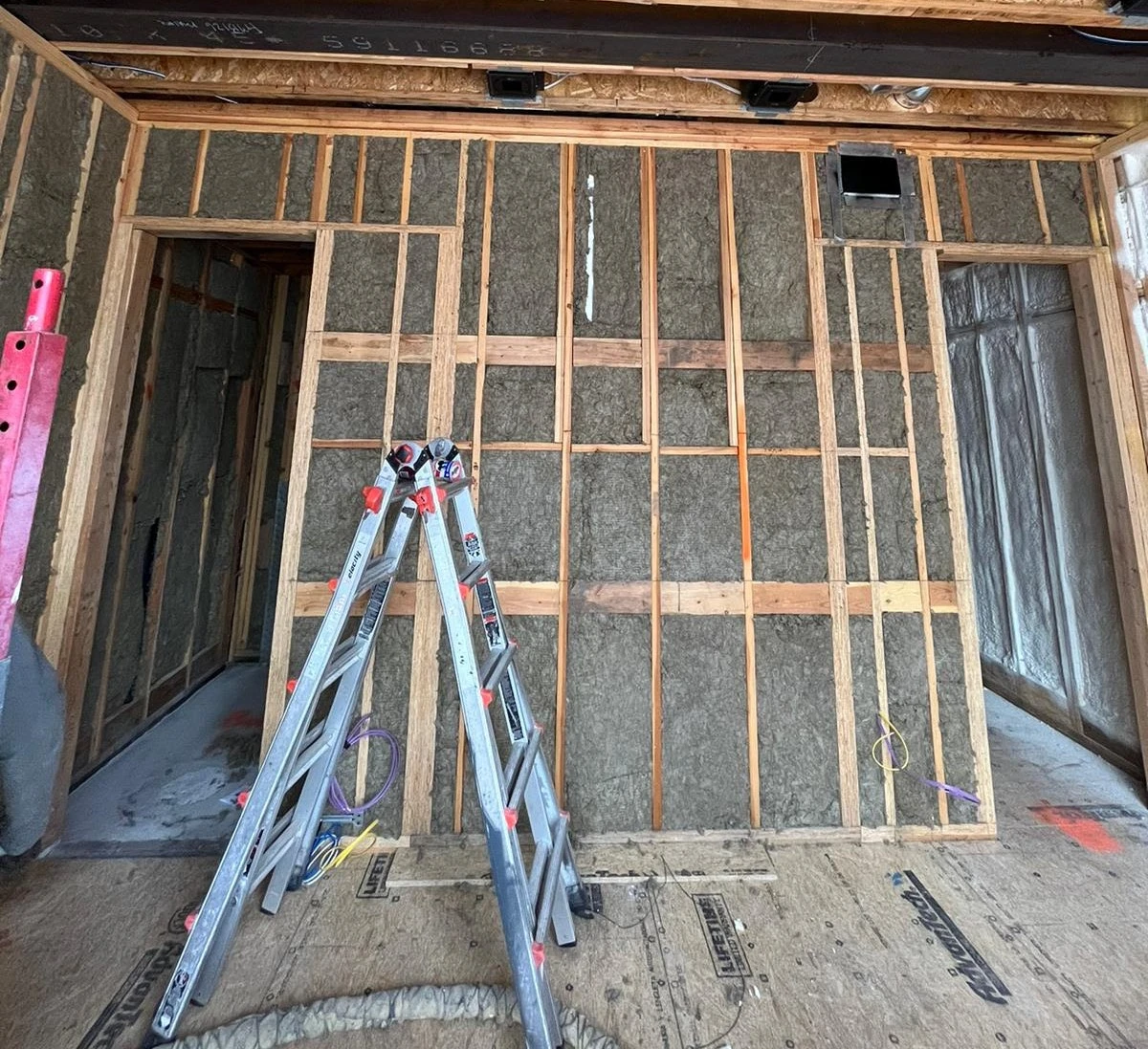
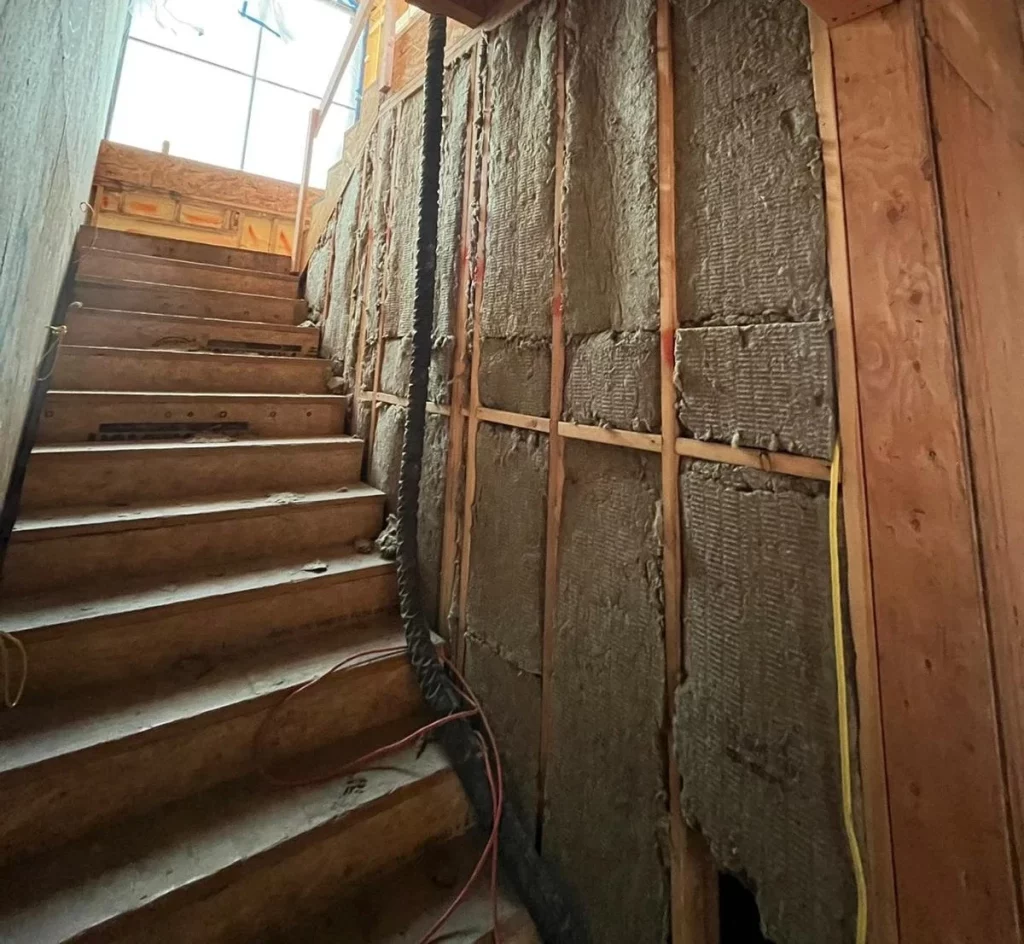
For 2×4 and 2×6 walls, batts are manufactured to match stud cavities, and codes in many regions call for R-19 or more in sidewall assemblies. Mineral wool’s density gives it a firmer fit against studs, which limits the gaps and settling that create cold stripes on winter walls. When siding is already coming off, ENERGY STAR recommends adding R-10 insulative sheathing beneath new siding in zones 4 through 8, a smart pairing with dense cavity insulation. See our Google reviews to learn about customer experiences.
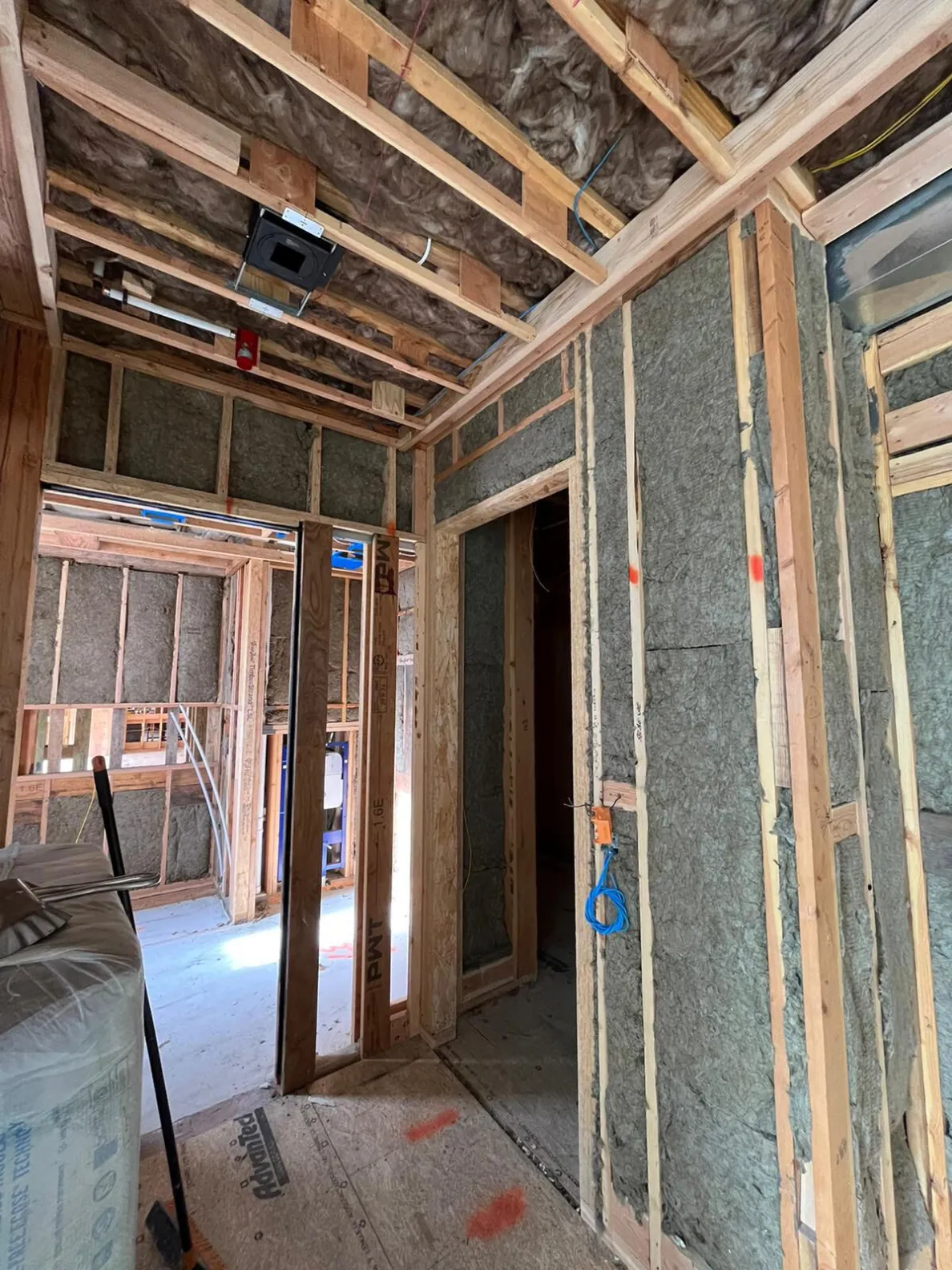
Kneewalls in finished attic spaces, dormer walls, and walls between living space and an unheated garage are among the most commonly missed areas. These vertical assemblies border outside temperatures on the other side, yet they often get whatever insulation was left over. A rigid mineral wool board or dense batt, installed before drywall goes up, turns these surfaces into a real barrier rather than a cold radiator.
Floors above vented crawl spaces, unheated basements, garages, or porches, including cantilevered sections, deserve mineral wool batts held snug against the subfloor, with vapor retarders facing the heated space. In Jackson Hole, this is the difference between bare feet on cold floorboards and a floor that feels like part of the house. Cut pieces of unfaced batt also work well packed against sills and band joists, where air leakage is common.
Finished basements benefit from batts sized to the required R-value, with vapor retarders facing heated areas, and ENERGY STAR recommends R-19 batts or R-15 sheathing on below-grade walls in our zone. One caution we always stress: verify the walls are dry and not leaking ground moisture before insulating. The EPA’s mold guidance is blunt about this: the key to mold control is moisture control, and wet materials must be dried within 24 to 48 hours. Mineral wool’s inorganic composition means it does not provide a food source for mold, which is one reason it outperforms organic insulation in damp-prone below-grade spaces.
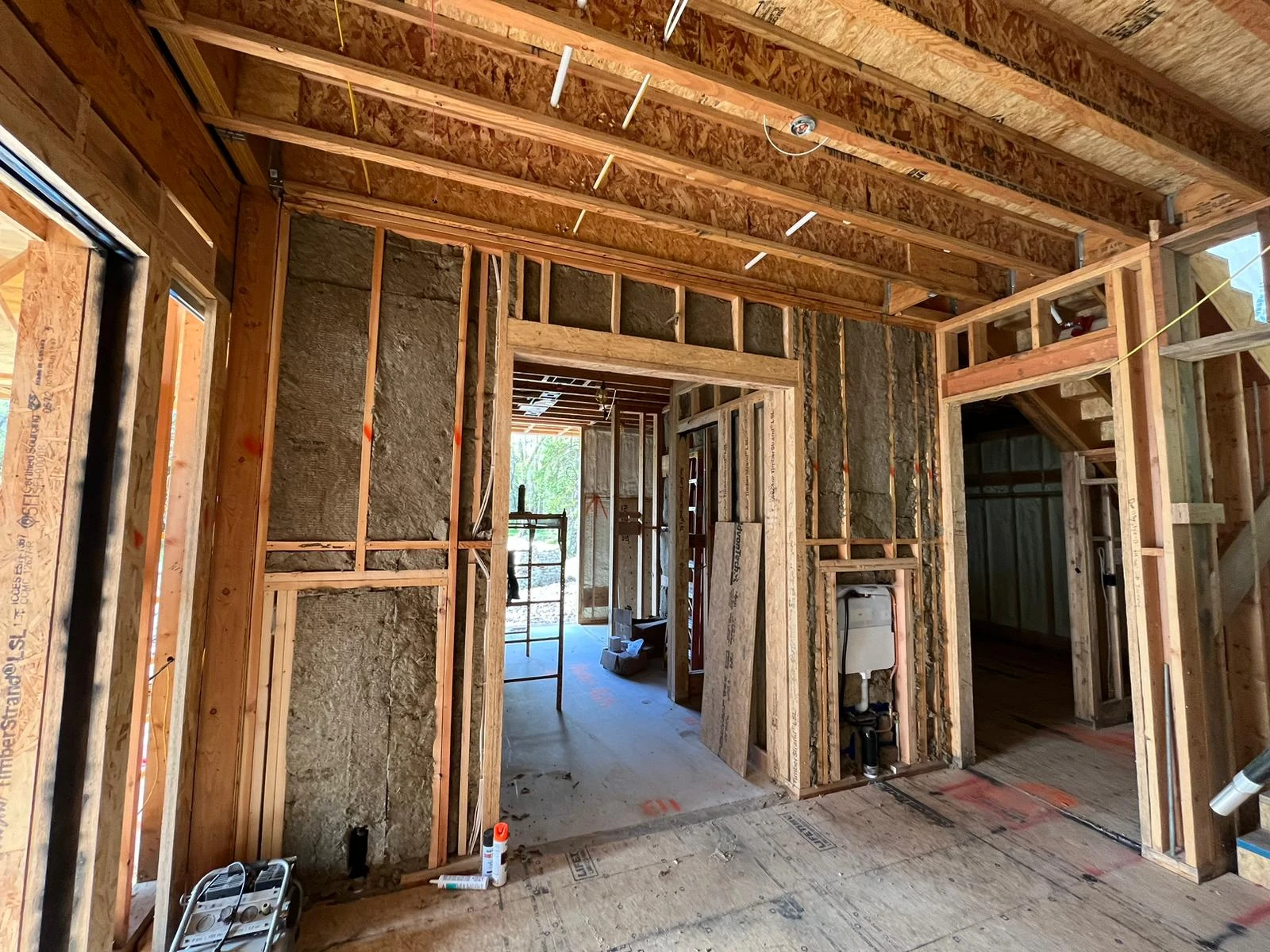
Because mineral wool partitions air so well, it doubles as a sound absorber. Acoustic batts installed between interior walls, especially around bathrooms, laundry rooms, and mechanical rooms, measurably quiet a home. The same density gives stone wool its fire credentials: it withstands roughly 700 to 850 degrees C, and it is a standard material in passive fire protection, stud cavities in drywall assemblies, and firestops. Wrapping a furnace room or flue chase is a practical comfort and safety upgrade, and mineral wool’s history and properties explain why it remains the default choice in fire-rated construction.
| Area of the Home | Why It Matters in Jackson Hole | Zone 7 Benchmark | What Mineral Wool Adds |
|---|---|---|---|
| Attic/ceiling plane | Greatest heat loss path in the home | R-60 new, R-49 if 3-4 inches exist | Stable, dense batts or loose-fill that hold R-value |
| Cathedral ceilings | Limited cavity depth, snow load above | R-30 to R-38 high-performance batts | Stiff fill that resists sagging |
| Above-grade walls | Cold stripes from stud cavities | R-19+ cavity, R-10 sheathing on resides | Dense fit, less settling |
| Kneewalls / garage walls | Border unheated space | Treat as exterior walls | Board or batt coverage before drywall |
| Floors over unheated space | Cold floors, air leakage at joists | R-38 floor target | Batts snug to subfloor, vapor retarder inward |
| Basement/crawlspace walls | Ground cold, moisture risk | R-19 batt or R-15 sheathing | Mold-resistant, inorganic material |
| Interior walls / mechanical rooms | Noise, fire protection | Project-specific | Sound absorption and high heat resistance |
Insulating the right areas in the right order is how Jackson Hole homeowners get comfort they can feel from the first cold snap. At High Country Solutions, our team air seals, insulates, and sound-proofs homes across Jackson Hole, WY, with mineral wool and other high-performance materials, and we match every area of your home to the level our climate actually demands. Call us at (307) 248-9063 or email [email protected] to talk through your project.
A warmer, quieter, better-protected home starts with one conversation, and we are ready when you are.
Yes, because our heating season is so long, dense mineral wool’s stable thermal performance in attics, walls, and floors compounds year after year. It is especially valuable in areas that border unheated spaces.
Mineral wool is inorganic and does not feed mold growth, which is an advantage below grade. That said, the EPA stresses moisture control first, so we verify walls are dry, drainage is correct, and vapor retarders face the heated space before insulating.5
Stone wool withstands roughly 700 to 850 degrees C, well beyond glass wool, and it is a standard material in passive fire protection, drywall assemblies, and firestops. It is a smart choice around furnace rooms and flue chases.
Absolutely. Because tightly packed mineral fibers partition air so effectively, mineral wool is one of the best sound absorbers available, and acoustic batts in interior walls noticeably quiet bathrooms, laundry rooms, and bedrooms.
ENERGY STAR recommends R-60 for an uninsulated attic in zones 7 and 8, or R-49 if you already have 3 to 4 inches of insulation. We measure what you have, air-seal first, then build up to the target with batts, loose-fill, or a combination.