Why ventilation is a critical partner to your insulation system in Idaho Falls, ID
Ventilation and insulation work as an essential team in Idaho Falls homes, where insulation keeps heat in during winter and…


Ventilation and insulation work as an essential team in Idaho Falls homes, where insulation keeps heat in during winter and out during summer, while ventilation removes excess moisture and stale air year-round. Without proper ventilation, insulation can trap moisture, leading to mold growth, wood rot, and reduced insulation effectiveness. In Idaho Falls’ climate with cold winters and warm summers, this partnership becomes even more important for maintaining comfort and preventing structural damage.
This article explains how these systems complement each other, what specific challenges Idaho Falls homeowners face, and how to ensure both systems work effectively together. The information comes from years of experience with local building conditions and the unique climate challenges of southeastern Idaho.
Insulation and ventilation serve opposite but complementary functions. Insulation acts as a barrier to heat flow, keeping warm air inside during winter and outside during summer. Ventilation allows controlled air exchange, removing moisture, pollutants, and excess heat. When properly balanced, insulation prevents heat loss while ventilation prevents moisture buildup and maintains air quality Building Science Corporation.
The relationship between these systems follows a simple principle: insulation reduces air movement, while ventilation creates controlled air movement. Think of insulation as the walls of a container and ventilation as the carefully designed openings that allow just enough fresh air to enter and stale air to exit. Too much ventilation defeats the purpose of insulation, while too little creates moisture problems.
In Idaho Falls, this balance matters because of the extreme temperature differences between seasons. Summer temperatures can reach the upper 80s while winter temperatures often drop below zero. This range places significant demands on both systems, requiring thoughtful design and installation.
Idaho Falls presents unique challenges for home insulation and ventilation systems. The city sits at approximately 4,700 feet elevation with a semi-arid climate that features large daily temperature swings in any season. According to U.S. Department of Energy, Idaho Falls experiences about 208 sunny days annually, but also sees significant snowfall averaging 45 inches per year.
The combination of cold winters, occasional summer heat, and low humidity creates specific moisture management issues. Winter heating creates condensation risks, especially in poorly ventilated attics and crawl spaces. Summer heat can cause roofs to reach extreme temperatures, potentially damaging shingles and increasing cooling costs.
High Country Solutions has found that many local homes suffer from ventilation systems that were designed for milder climates. Standard vent calculations often don’t account for the altitude effects on air movement or the extreme cold snaps that can cause ice damming when ventilation is inadequate.
Several ventilation approaches work well in Idaho Falls homes, each with specific applications and benefits. The right choice depends on your home’s design, age, and existing systems.
Ridge vents run along the peak of the roof while soffit vents sit under the eaves. This combination creates natural convection currents as warm air rises and exits through the ridge, pulling cooler air in through the soffits. This passive system works year-round without mechanical assistance.
Gable vents are installed in the triangular ends of gable roofs. They work well for cross-ventilation but can short-circuit airflow if used with ridge vents, drawing air directly from one gable to the other rather than from the eaves.
Powered attic ventilators use electric or solar-powered fans to actively move air. These can help in extreme situations but may increase energy costs and potentially create negative pressure that draws conditioned air from living spaces.
Continuous soffit and ridge vents provide even airflow along the entire roof length. These systems generally perform better than individual vent boxes because they eliminate dead spots where air doesn’t circulate.
Bonus Tip: In Idaho Falls, ridge vents with external baffles perform better than simple slot designs because they help prevent snow infiltration while maintaining airflow even with minimal wind pressure.
Several indicators suggest your ventilation system isn’t working properly with your insulation. Early identification can prevent costly repairs.
Look for dark stains on rafters or sheathing, indicating moisture problems. Ice damming on the roof edge during winter often signals insufficient ventilation combined with poor insulation. Cracked or peeling paint on the exterior of your home might also indicate moisture trapped in wall cavities.
Hot upstairs rooms in summer and cold spots in winter often indicate ventilation issues. If your energy bills suddenly increase without changes in usage or rates, poor ventilation might be reducing your insulation’s effectiveness.
Condensation on windows, musty odors, or visible mold growth point to excessive moisture. In Idaho Falls, these problems often appear during the transition seasons when heating and cooling cycles create significant temperature differentials.
Before upgrading or modifying your ventilation system, several factors deserve careful consideration. Making changes without proper assessment can create new problems or fail to address underlying issues.
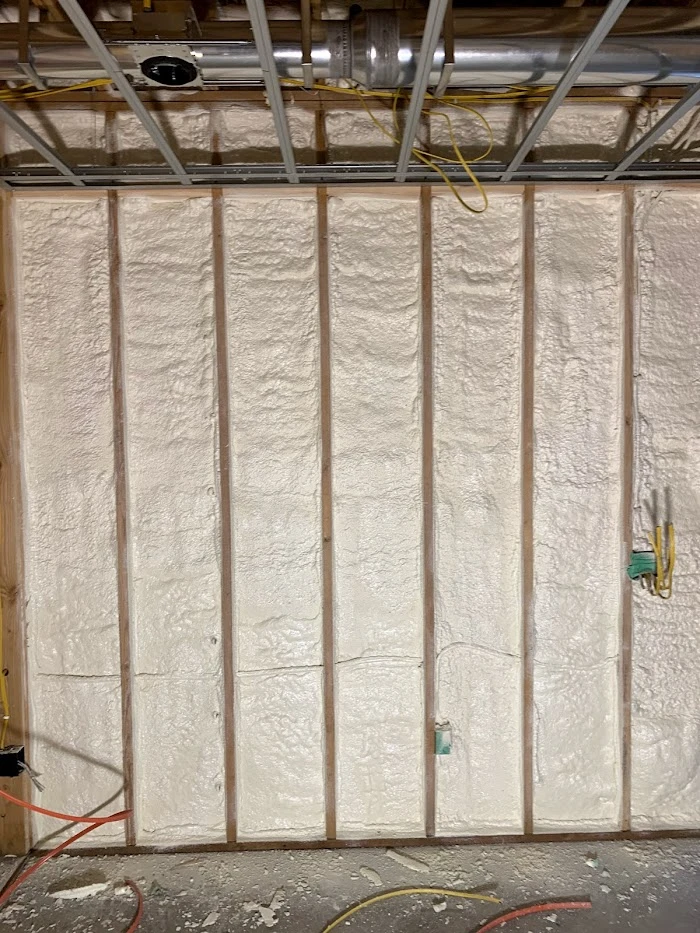
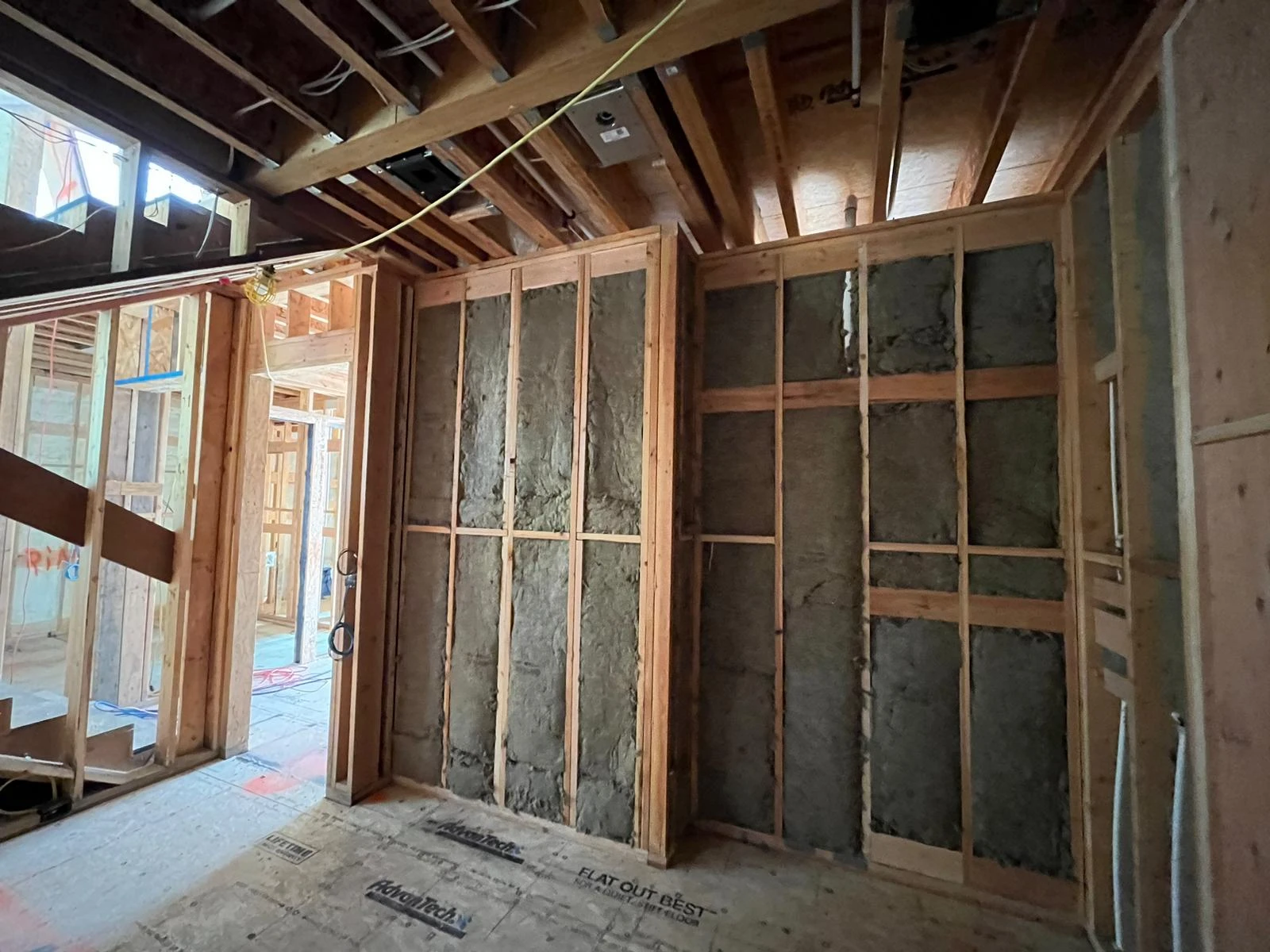
Evaluate your existing insulation’s condition and type. Wet or compressed insulation needs replacement before ventilation improvements. Some insulation types, like spray foam, require different ventilation approaches than traditional batt insulation.
Older Idaho Falls homes may have different construction methods than newer builds. Many houses from the 1970s and earlier were built with minimal ventilation understanding. Historic homes might have structural limitations that affect ventilation options.
Idaho Falls follows the 2018 International Code Council with local amendments. These codes specify minimum ventilation requirements based on attic square footage. Understanding these requirements helps ensure any modifications meet local standards.
Address the most critical ventilation issues first. Sometimes simple improvements like clearing blocked vents or adding insulation chutes provide significant benefits without major expense.
Bonus Tip: Before installing any ventilation upgrades, seal all air leaks between living spaces and the attic. Air sealing should always precede insulation and ventilation improvements for maximum effectiveness.
Homeowners in Idaho Falls frequently ask specific questions about the interaction between ventilation and insulation systems. Understanding these common concerns helps in making informed decisions.
The most frequent question involves whether adding more ventilation can replace inadequate insulation. While ventilation helps manage temperature and moisture, it cannot substitute for proper R-values. In Idaho Falls’ climate, both systems are essential for comfort and efficiency.
Another common concern involves whether attics should be ventilated at all in cold climates. Some homeowners worry that ventilating attics in winter wastes heat. However, the controlled air exchange prevents moisture damage and ice formation, providing benefits that outweigh the small heat loss.
Many people ask about the right amount of ventilation for their home. The general recommendation follows the 1:300 ratio (one square foot of ventilation for every 300 square feet of attic space), with half provided at the eaves and half near the ridge. However, Idaho Falls homes often benefit from additional ventilation due to the climate extremes.
| Ventilation Type | Best For | Installation Cost | Maintenance Needs | Idaho Falls Suitability |
|---|---|---|---|---|
| Ridge/Soffit Combo | Most homes | Medium | Low | Excellent |
| Gable Vents | Gable roofs | Low | Low | Good (with proper design) |
| Powered Attic Fans | Problem areas | High | Medium | Fair (use sparingly) |
| Turbine Vents | windy areas | Low to Medium | Medium | Good |
| Continuous Vents | New construction | Medium | Low | Excellent |
Bonus Tip: When calculating ventilation needs in Idaho Falls, increase the standard requirements by 25-30% to account for altitude effects on air density and the region’s temperature extremes.
Ventilation and insulation form an essential partnership that directly impacts your Idaho Falls home’s comfort, durability, and energy efficiency. The region’s climate extremes make this relationship particularly important, with proper ventilation protecting insulation investment and preventing moisture-related damage.
When evaluating your current systems, focus on achieving balance rather than maximizing either component independently. Most Idaho Falls homes benefit from ridge and soffit ventilation combinations that work passively year-round, supplemented by careful air sealing and appropriate insulation levels.
Before making changes, assess your specific situation thoroughly. Consider your home’s age, construction type, current insulation condition, and any existing moisture problems. Address the most critical issues first, typically air sealing and insulation protection, before expanding ventilation capacity.
For homeowners in Idaho Falls considering improvements to their ventilation and insulation systems, professional assessment ensures solutions address your specific needs. High Country Solutions provides comprehensive evaluations that consider local climate conditions and building practices. Contact the team at [email protected] or call (307) 248-9063 to schedule an inspection of your current systems and receive personalized recommendations based on your home’s unique characteristics.
Check for consistent temperatures throughout the attic space, absence of moisture stains or mold, and clear, unobstructed vents. During winter, look for minimal ice formation on the roof edge and no frost accumulation on the underside of the roof sheathing.
Yes, excessive ventilation can create problems including increased energy costs, potential weather infiltration, and in some cases, creating pressure imbalances that draw conditioned air from living spaces. Proper balance rather than maximum ventilation provides the best results.
Never permanently close ventilation vents. While some adjustable vents can be partially closed during extreme cold snaps, maintaining year-round airflow prevents moisture buildup and structural damage. Winter ventilation remains essential even in Idaho Falls’ cold climate.
Proper ventilation significantly extends roof life by preventing heat buildup in summer (which deteriorates shingles) and moisture damage in winter. Ventilated attics typically maintain roof temperatures closer to outdoor temperatures, reducing thermal stress on roofing materials.
Proper ventilation improves insulation effectiveness by preventing moisture accumulation that reduces R-values and by moderating temperature extremes in attic spaces. The combination of adequate ventilation and proper insulation typically provides 10-20% energy savings compared to homes with ventilation deficiencies.