Why ventilation is a critical partner to your insulation system in Idaho Falls, ID
Ventilation and insulation work as an essential team in Idaho Falls homes, where insulation keeps heat in during winter and…


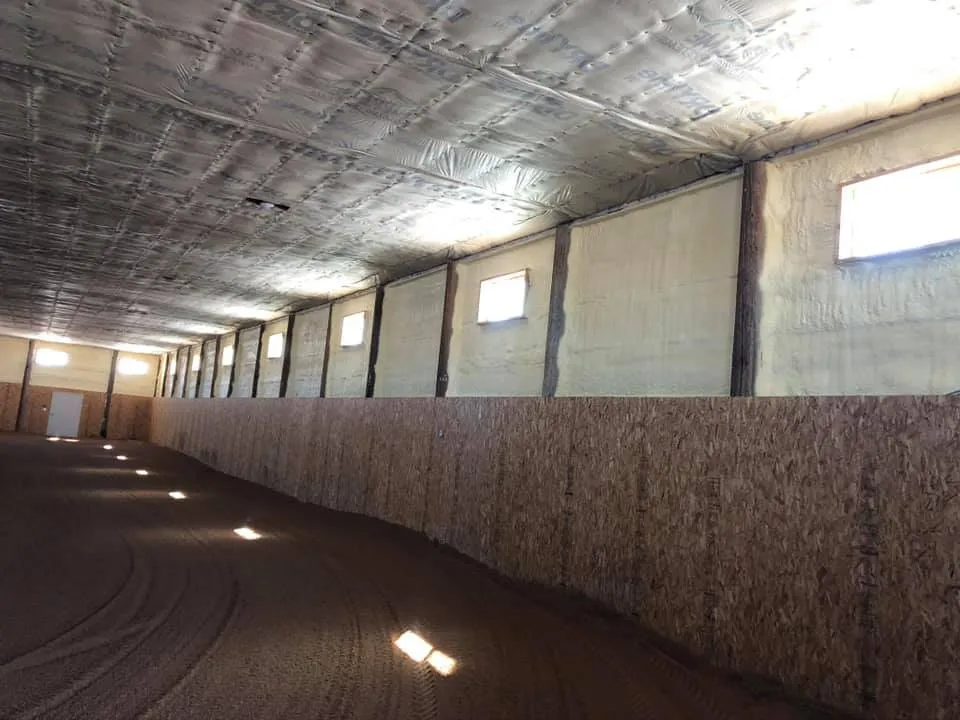
Proper insulation provides the most effective thermal barrier against the extreme temperature swings common in high-altitude mountain environments. In Jackson, where winter temperatures frequently drop below zero, a well-sealed, well-insulated building envelope keeps heat inside the living space. This physical barrier reduces the workload on heating systems, maintains a consistent internal temperature, and prevents the drafty conditions that often plague older mountain homes. By addressing thermal bypass and conductive heat loss, property owners create a stable environment that supports family comfort regardless of external weather patterns.
This guide explores the specific requirements for mountain insulation, the available materials, and how these choices affect a structure’s longevity. This information comes from technical building standards and field observations in cold climate zones to provide a factual basis for property upgrades.
Jackson is in a cold-climate zone that requires specific building strategies to maintain interior comfort. The Department of Energy classifies this region as Zone 6 or 7, which dictates much higher R-values than those needed in more temperate parts of the country. R-value measures the capacity of an insulating material to resist heat flow. The higher the R-value, the greater the insulating power.
In this region, the temperature differential between the outdoors and a comfortable indoors can exceed 70 degrees during the winter months. This pressure forces heat to escape through any available gap or thin point in the structure. Standard insulation levels often fall short in these conditions, leading to cold spots and high energy bills. Effective insulation also addresses the risk of ice damming. When heat escapes through the roof, it melts snow, which then refreezes at the eaves. According to data from the National Renewable Energy Laboratory, proper thermal management and attic air sealing are the primary defenses against this destructive cycle.
Different materials offer varying levels of resistance and air-sealing capabilities. Selecting the right one depends on the specific area of the home being treated, such as the attic, crawl space, or exterior walls.
| Material Type | R-Value per Inch | Common Application | Moisture Resistance |
|---|---|---|---|
| Closed-Cell Spray Foam | 6.0 – 7.0 | Rim joists, crawl spaces | High |
| Open-Cell Spray Foam | 3.5 – 3.8 | Interior walls, attics | Moderate |
| Blown-in Cellulose | 3.2 – 3.8 | Attic floors | Moderate |
| Fiberglass Batts | 2.2 – 3.4 | Standard wall cavities | Low |
Bonus Tip: Focus on the rim joist. This area, where the house frame meets the foundatio,n is a major source of air leakage. Sealing this with closed-cell foam can significantly reduce floor drafts on the first level.
Selecting insulation involves more than just picking a product off a shelf. The material must handle the specific stresses of a mountain environment, including low humidity, heavy snow loads, and significant seasonal shifts. High Country Solutions observes that the most effective homes often use a combination of materials to address different thermal needs.
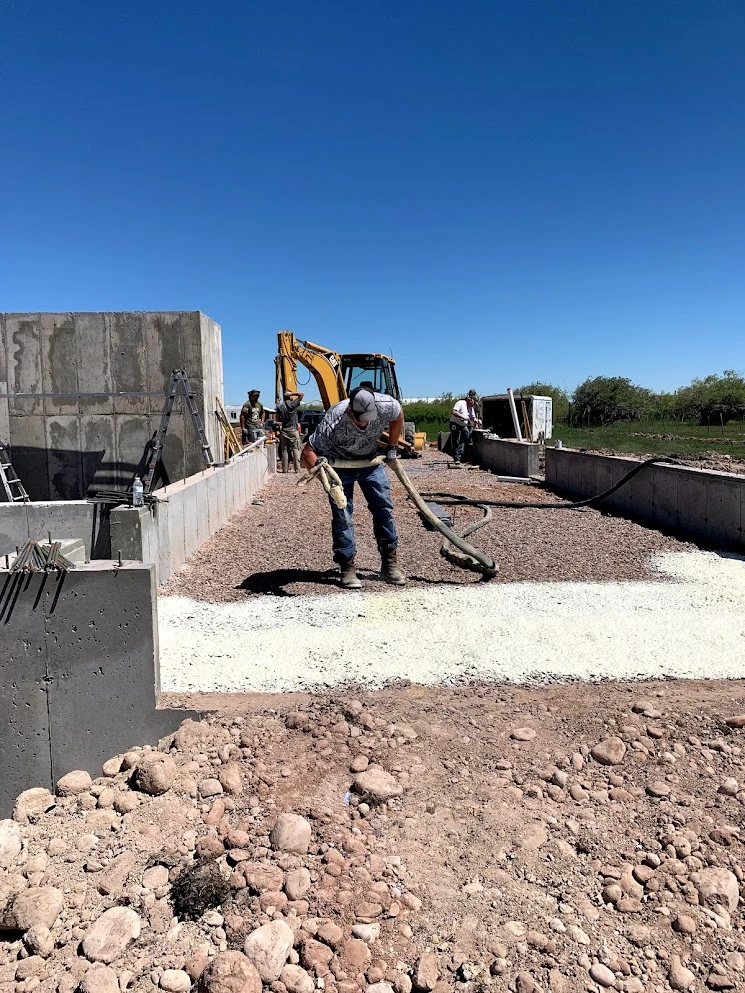
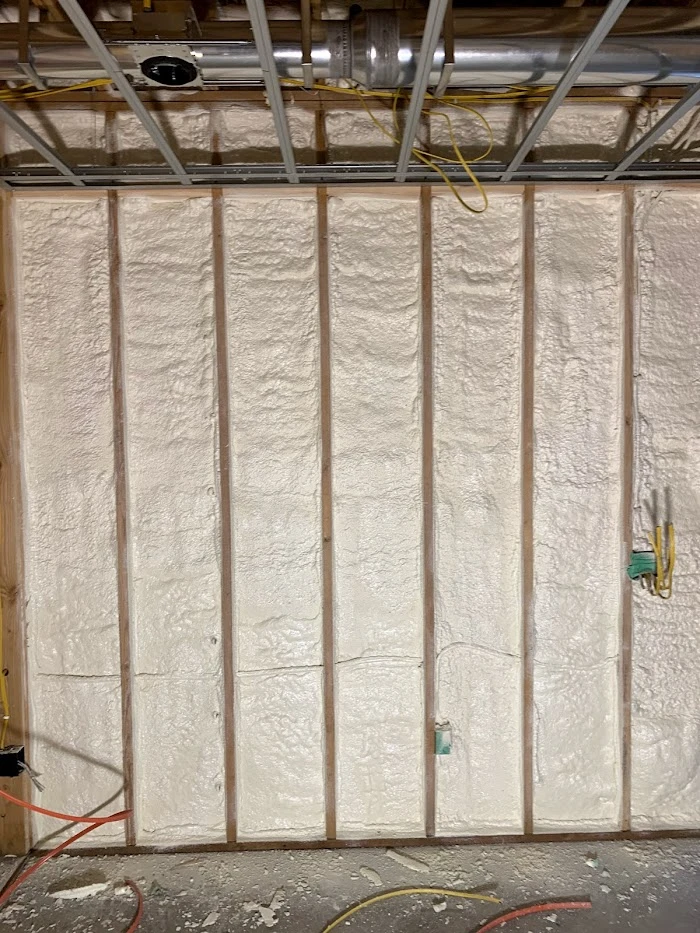
Spray foam acts as both an insulator and an air barrier. Because it expands upon application, it fills small cracks and crevices that traditional batts might miss. Closed-cell foam is particularly dense and adds structural strength to the areas where it is applied. It also prevents moisture from migrating through the walls, which is essential in preventing mold in tightly sealed homes.
Cellulose is often made from recycled paper treated with fire retardants. It is a popular choice for attics because it can be blown over existing insulation to increase the total R-value. A study by Oak Ridge National Laboratory suggests that cellulose maintains its R-value better than fiberglass in extreme cold because it is denser and less prone to convective airflow within the material.
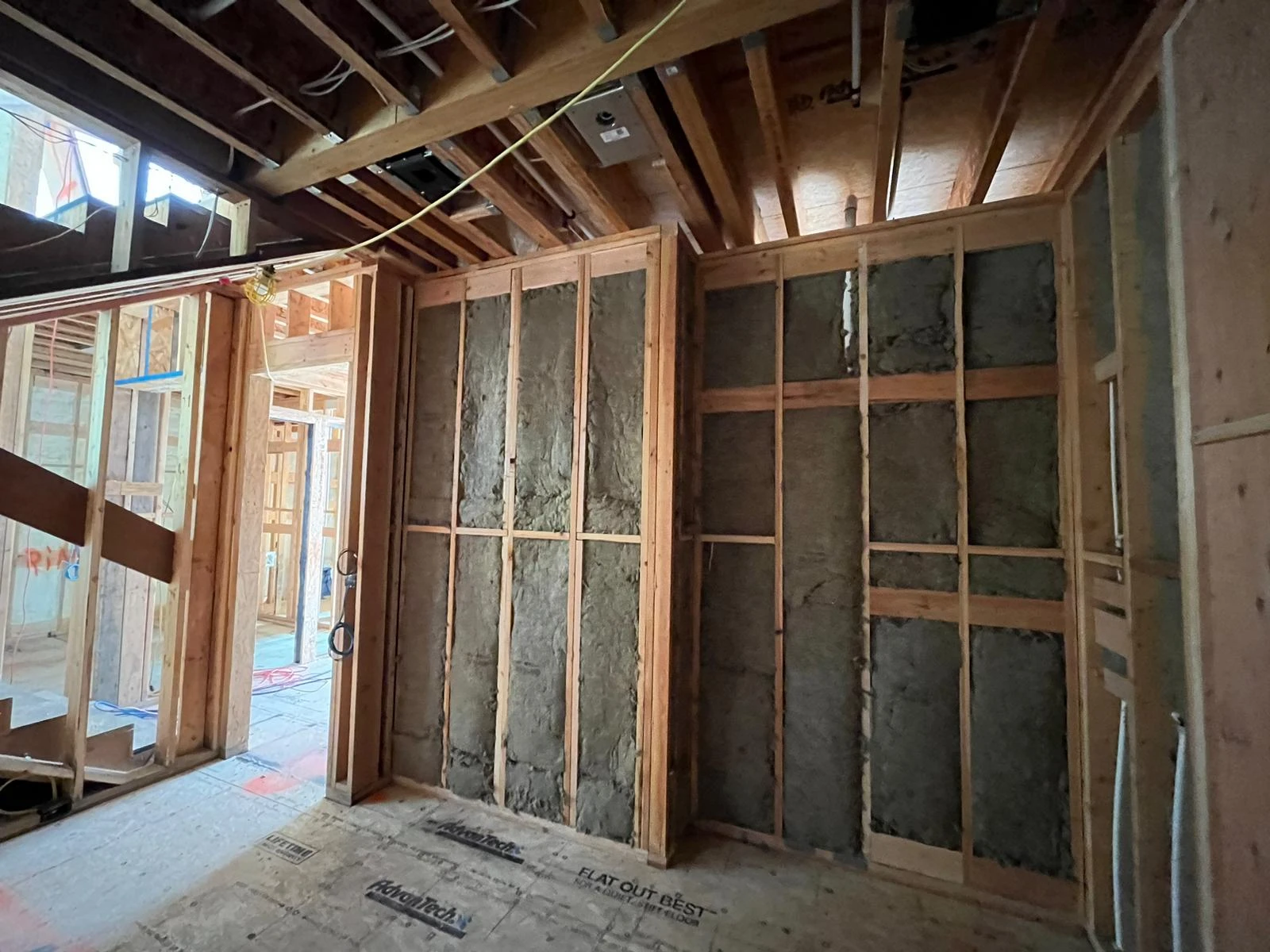
Fiberglass remains a common choice due to its affordability and fire resistance. However, it requires a perfect installation to be effective. Any gaps around electrical boxes or wires allow air to bypass the material. Mineral wool is a denser alternative that provides superior sound dampening and higher heat resistance, making it an excellent choice for utility rooms or walls between bedrooms.
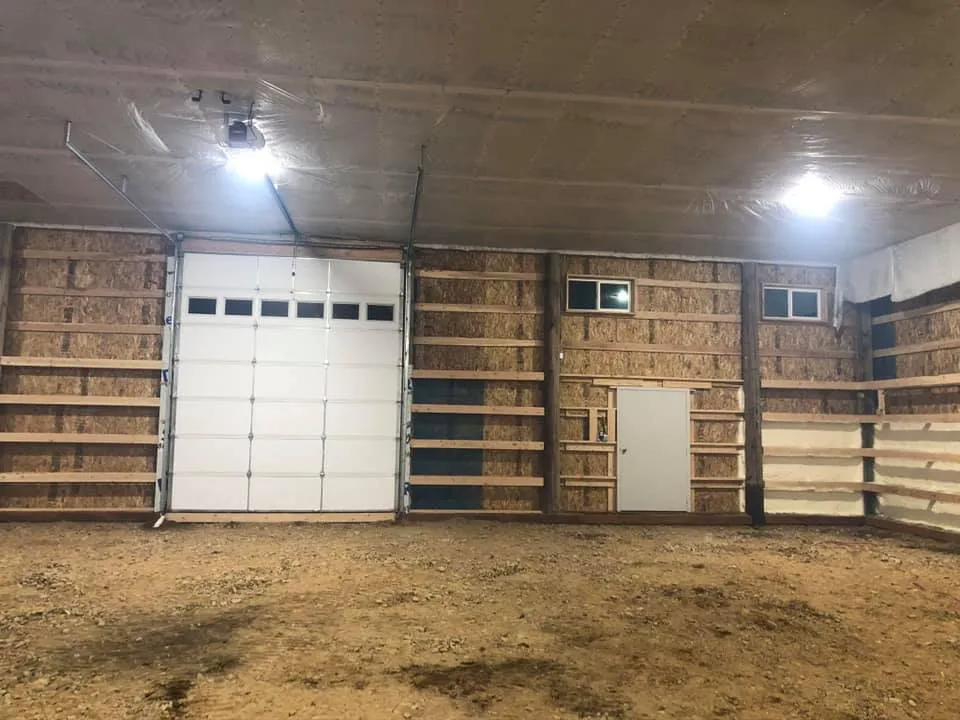
Investing in high-quality insulation leads to measurable financial returns. Data published by the Environmental Protection Agency indicates that homeowners can save an average of 15% on heating and cooling costs by air sealing and insulating their homes. In a climate like Jackson’s, where heating systems run for most of the year, these savings accumulate quickly.
Beyond monthly bills, proper insulation protects the long-term value of the property. It reduces the wear on furnaces and boilers by allowing them to cycle less frequently. It also prevents the moisture damage associated with condensation, which occurs when warm, moist indoor air hits a cold, uninsulated surface.
Bonus Tip: Check for local rebates. Many utility companies offer incentives for upgrading attic insulation to current building codes.
Before choosing a specific insulation strategy, property owners should evaluate several factors that influence performance and safety.
Current guidelines suggest an R-value between R-49 and R-60 for attic spaces in cold mountain regions. This usually requires 16 to 20 inches of blown-in material, depending on the type used.
Yes, in most cases, new insulation can be added on top of existing material. However, if the old insulation is wet, moldy, or compressed, it should be removed first to ensure the home’s health and efficiency.
Common signs include uneven temperatures between rooms, cold floors, high heating bills, and icicles or ice dams on the roof during winter. A professional energy audit can provide a precise assessment.
High-density materials like mineral wool or spray foam are excellent at reducing sound transmission. This is particularly useful for homes located near busy roads or for dampening the sound of plumbing and HVAC equipment.
Most insulation materials are designed to last the lifetime of the house. However, loose-fill materials can settle over time, and fiberglass can lose effectiveness if it becomes damp or is disturbed by pests.
Selecting the right insulation is a fundamental step in creating a comfortable and efficient home in Jackson. By focusing on high R-values, proper air sealing, and moisture management, families can enjoy a stable indoor climate regardless of the mountain weather. The reduction in energy costs and the protection against structural issues like ice dams make this a practical choice for any property owner. High Country Solutions encourages homeowners to evaluate their current insulation levels and consider the long-term gains of a well-protected building envelope.
Ensuring your home remains a sanctuary against the Wyoming elements requires a technical approach to thermal management. High Country Solutions provides expertise in identifying thermal gaps and implementing effective insulation strategies tailored to the Teton County climate. For detailed inquiries about material options or to schedule a professional evaluation of your property, contact High Country Solutions via email at [email protected] or call (307) 248-9063 to discuss your specific needs.