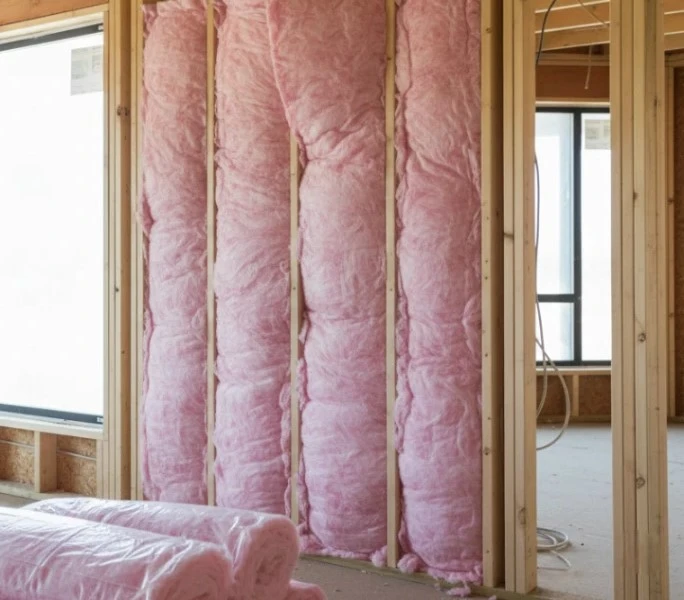
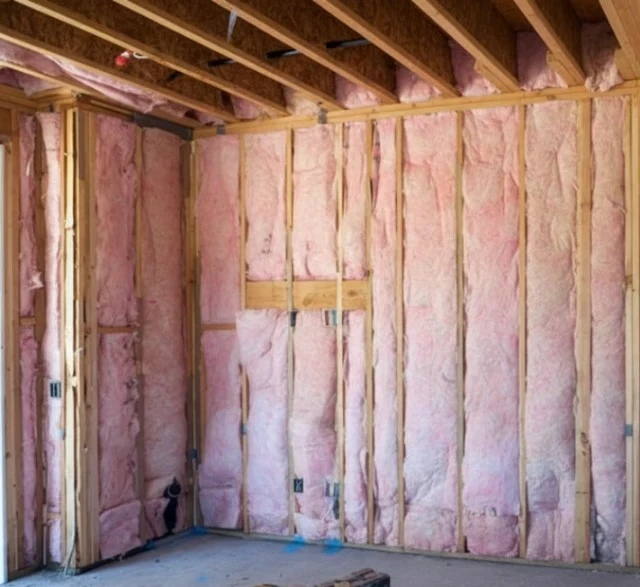
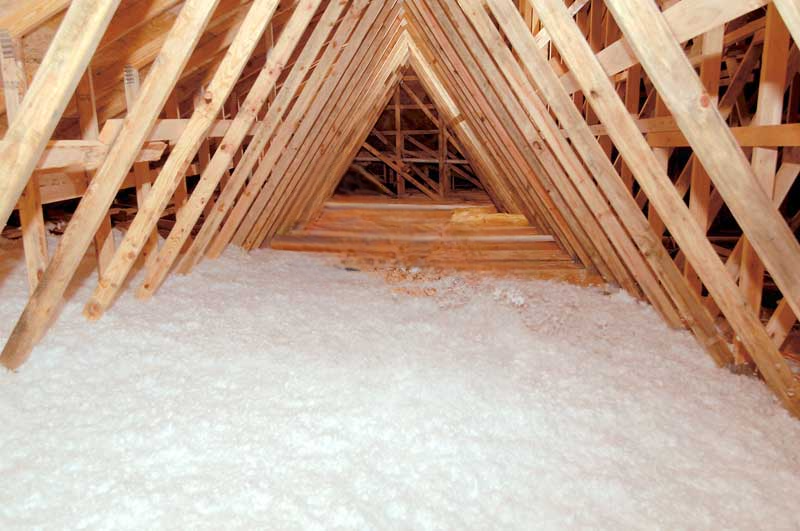
Installing fiberglass insulation properly comes down to three fundamentals: selecting the right R-value for your climate zone, preparing the work area thoroughly, and placing batts snugly without compression or gaps. When fiberglass insulation is installed to what the industry calls “Grade 1” standards, meaning full coverage with minimal voids and no compression, it performs at its rated thermal resistance. For homeowners comparing different methods, exploring professional insulation solutions can help ensure the right approach is selected for long-term performance. Poor installation practices like stuffing batts into tight cavities, leaving gaps around obstructions, or failing to seal air leaks first can reduce effective R-value by 30% or more, negating much of the material’s insulating potential. The guidance below covers what contractors and experienced DIYers need to know to achieve a proper installation every time, from wall cavities to attic floors.
TLDR / Key Takeaways
Fiberglass batt insulation delivers approximately R-2.9 to R-3.8 per inch, with total R-value determined by thickness and density.
Grade 1 installation, defined by full cavity contact, no compression, and no gaps, is the target standard for maximum thermal performance.
Sealing air leaks before insulating is a prerequisite, not an optional step. Unsealed penetrations allow conditioned air to bypass insulation entirely.
Compressing fiberglass batts to fit into undersized cavities directly reduces R-value proportionally to the compression ratio.
Wall cavities with standard 2×4 framing (3.5 inches deep) typically use R-13 or R-15, while 2×6 cavities (5.5 inches) accommodate R-19 to R-21.
Proper personal protective equipment, including long sleeves, gloves, eye protection, and a NIOSH-approved respirator, is mandatory for safe installation.
Building code minimums vary by climate zone, and Energy Star publishes recommended R-values by zone and by attic, wall, and floor assembly.
Understanding Fiberglass Insulation Basics
Fiberglass insulation has been the most widely used residential insulation material for decades, and for good reason. It is cost-effective, readily available, and relatively straightforward to install when best practices are followed. For homeowners researching different insulation methods and materials, understanding how each option performs can help in selecting the most suitable solution. Batts and rolls are the most common form, sold in pre-cut widths designed to fit standard wall framing (16-inch and 24-inch on-center spacing) and varying thicknesses to match cavity depths.
According to the Insulation Institute – Residential Installation Preparation, fiberglass and mineral wool batt insulation require proper preparation before installation, including verifying that framing cavities are clear of debris and obstructions and that all utilities are properly routed. Faced batts include a vapor retarder (kraft paper or foil) on one side, while unfaced batts have no attached barrier. The choice between faced and unfaced depends on whether the assembly requires a vapor retarder and whether a separate polyethylene sheet or spray-applied vapor barrier will be used.
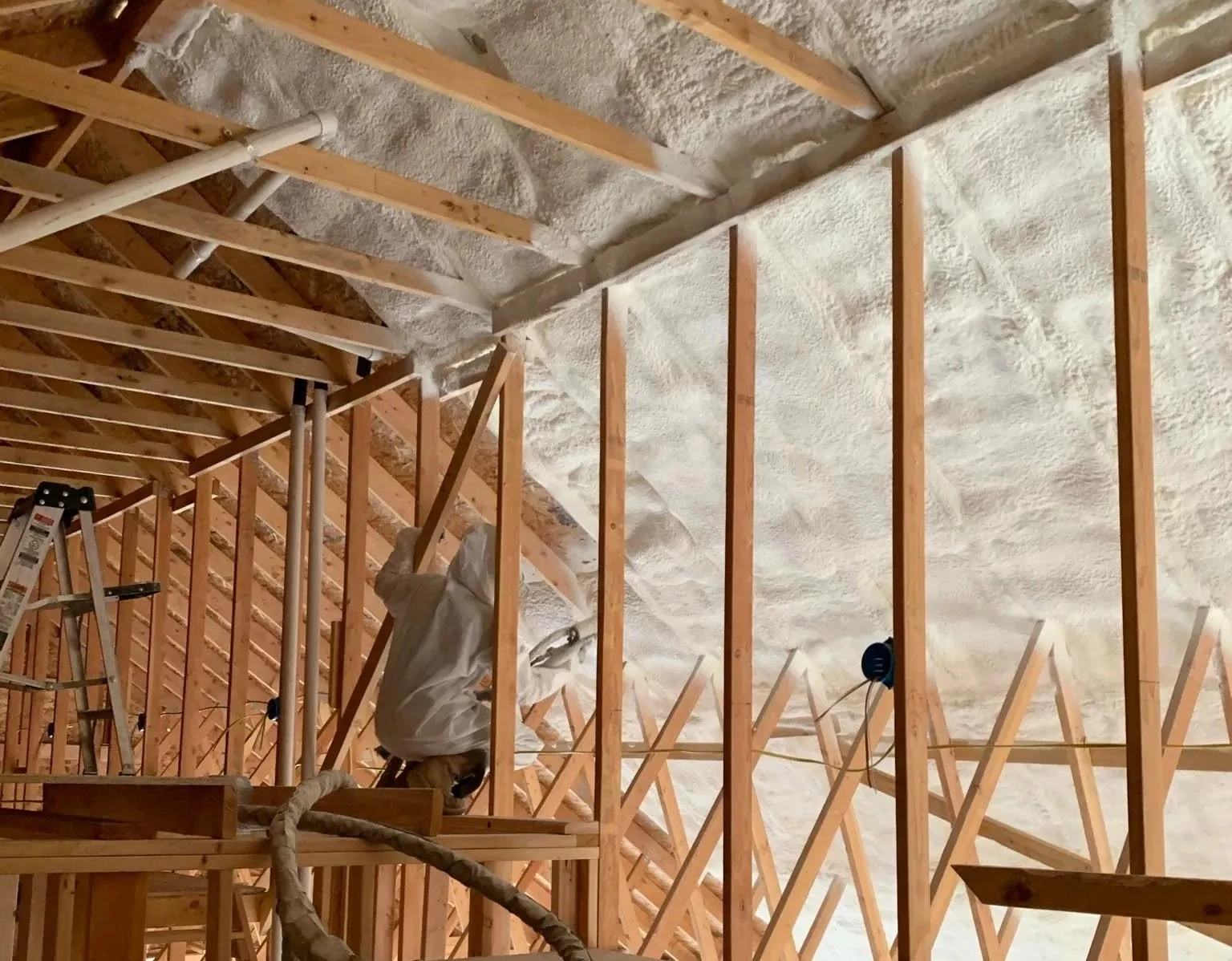
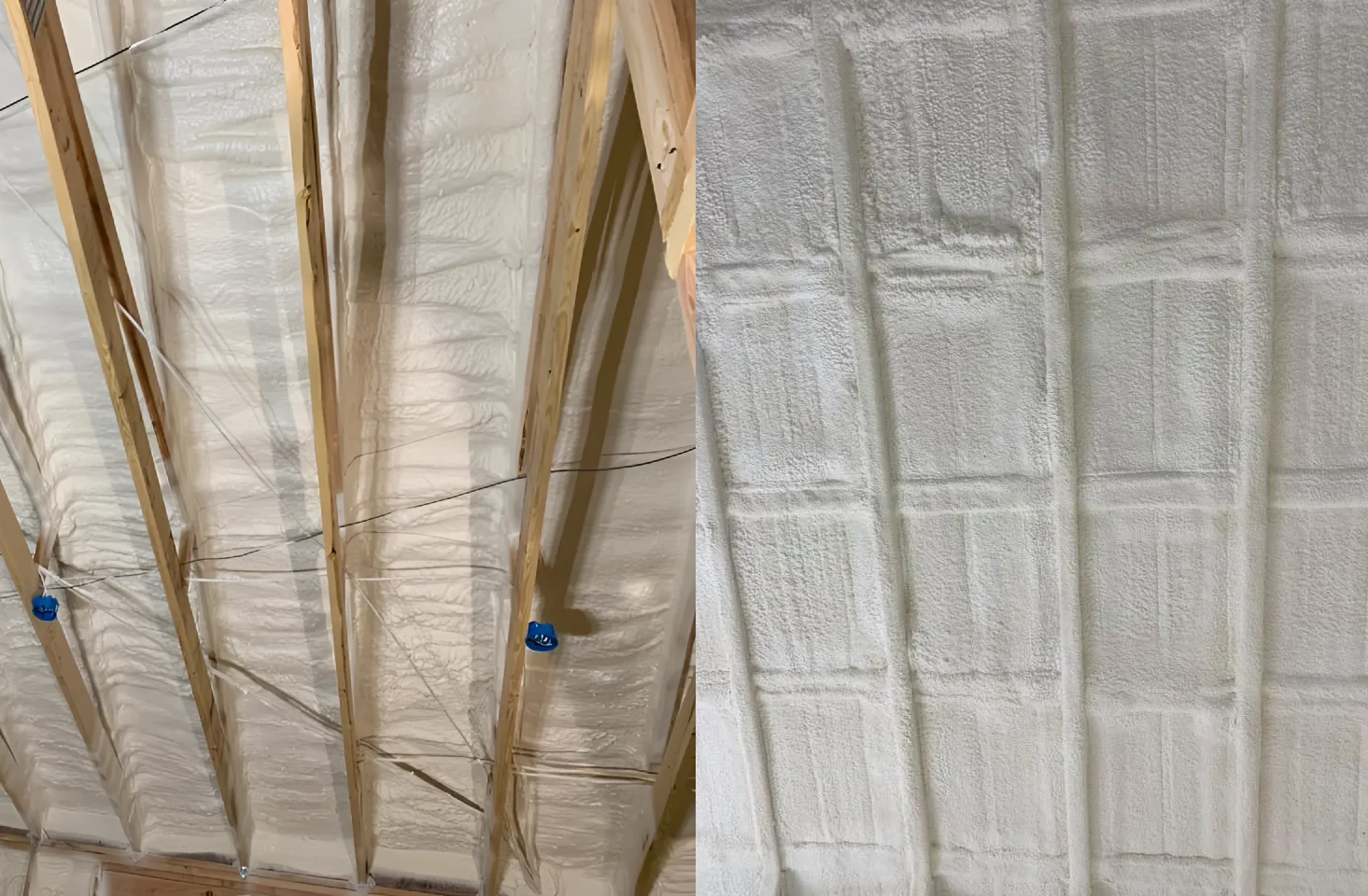
Bar Chart Suggestion: A side-by-side bar chart comparing R-value per inch for fiberglass batts (R-2.9 to R-3.8), blown-in cellulose (R-3.1 to R-3.8), and closed-cell spray foam (R-6.0 to R-7.0), helping contractors explain material options to homeowners.
R-Value Selection by Climate Zone
R-value measures thermal resistance, or how effectively a material resists heat flow. Higher R-values mean better insulating performance. The Energy Star – Recommended Home Insulation R-Values table provides cost-effective insulation levels based on climate zone and assembly location.
Assembly Location
Climate Zones 1-3 (Hot)
Climate Zones 4-5 (Mixed)
Climate Zones 6-7 (Cold)
Attic (unconditioned)
R-30 to R-38
R-38 to R-49
R-49 to R-60
Wall Cavities (2×4)
R-13
R-13 to R-15
R-15 to R-20
Wall Cavities (2×6)
R-19
R-19 to R-21
R-21 to R-23
Floor over crawlspace
R-19
R-25 to R-30
R-25 to R-30
These numbers represent minimum recommendations for energy efficiency. Always verify local building code requirements, which may exceed these values in jurisdictions adopting more stringent energy codes.
Safety First: Essential PPE and Precautions
Before touching a single batt, personal protective equipment must be in place. Fiberglass consists of extremely fine glass fibers that can irritate skin, eyes, and the respiratory tract. The Insulation Institute – Residential Codes and Standards notes that fiberglass insulation is safe to manufacture and install when recommended work practices are followed consistently.
Required PPE checklist:
Long-sleeved shirt and long pants (tuck pants into boots)
Work gloves rated for fiberglass handling
Safety goggles or sealed eye protection
NIOSH-approved N95 or higher respirator
Disposable coveralls for attic work where dust accumulates
Additional safety measures include working in well-ventilated areas when possible, keeping the work space clean to minimize airborne particles, and washing work clothing separately from regular laundry. A utility knife with a sharp blade is essential for clean cuts, as dull blades tear the material and create more airborne fibers.
Step-by-Step Installation Process
Step 1: Prepare the Work Area
Start by clearing all framing cavities of debris, construction waste, protruding nails, and electrical wire staples that could snag insulation. Verify that the cavity depth matches the insulation thickness you plan to install. A 2×4 wall cavity is 3.5 inches deep, and installing R-19 batts (designed for 5.5-inch 2×6 cavities) means compressing the material and losing performance.
Step 2: Seal Air Leaks
Air sealing must happen before insulation goes in. Common air leak locations include gaps around window and door rough openings, penetrations for plumbing and electrical, top plates of walls, and any opening between conditioned and unconditioned space. Use caulk for gaps under a quarter inch, spray foam for larger penetrations, and rigid foam or backer rod for gaps around windows and doors. Insulation does not stop air movement. If air can pass through or around it, the insulation does virtually nothing.
Step 3: Install Blocking and Baffles
In attics, install proper ventilation baffles at the eaves before adding insulation. Baffles maintain a clear air channel between the soffit vents and the attic space, preventing insulation from blocking airflow and reducing the risk of moisture condensation on the roof deck. In wall cavities, install blocking around windows, doors, and at floor lines as required by code to provide a solid backing for insulation and prevent wind washing.
Step 4: Cut and Fit Batts
Measure each cavity individually rather than assuming uniform spacing. Cut batts slightly wider than the cavity (about a quarter to a half inch oversize) so they friction-fit and stay in place without gaps. For standard widths, batts manufactured for 16-inch or 24-inch on-center framing usually fit correctly when the cavity spacing is accurate. Use a straightedge and sharp utility knife to make clean cuts. Fold the batt and cut from the backing side through for cleaner edges.
Pro tip: When splitting a batt to fit around an obstacle (like a junction box or pipe), split the batt lengthwise and tuck one half behind the obstruction and one half in front. Do not cut a chunk out of the middle and stuff the remainder behind, which creates voids and compression points.
Step 5: Staple and Secure
For faced batts, staple the flanges to the face of the framing studs, not to the inside edge of the cavity (a common mistake called “inset stapling” that creates a gap along each stud). The stapling method matters: face stapling, where the flange sits flat against the stud face, keeps the batt flush with the framing. For unfaced batts, friction fit is typically sufficient, though insulation supports (wire rods or spring-loaded rods) may be needed in ceiling cavities or when gravity is a factor.
Step 6: Address Obstructions
Electrical boxes, plumbing, and wiring running through cavities require special attention. Split batts around junction boxes, not around them. Keep insulation at least 3 inches away from recessed lighting fixtures unless they are IC-rated (insulation contact rated). For non-IC-rated fixtures, a barrier such as a metal or wire mesh guard must prevent insulation from directly contacting the housing. Johns Manville – How to Install Your Insulation provides specific guidance on placing insulation around recessed lighting and other obstacles in their installation resources.
Step 7: Install Vapor Retarder Correctly
If using faced batts, the vapor retarder (kraft paper facing) should face the warm-in-winter side of the assembly, which in most U.S. climates means facing the interior living space. The facing should not be doubled up, as this can trap moisture between two vapor retarders and lead to condensation problems within the wall cavity. In mixed or cold climates, verify whether a vapor retarder is appropriate for your specific wall assembly, as some modern building science approaches use variable-permeance membranes or omit the vapor retarder entirely in certain assemblies.
Common Installation Mistakes That Reduce Performance
Even experienced crews can fall into bad habits. The following errors are the most frequent causes of underperforming insulation jobs.
Mistake
Impact on Performance
Prevention Method
Compressing batts into undersized cavities
R-value drops proportionally to compression (compressing R-19 to fit a 2×4 wall reduces it to roughly R-13)
Match batt thickness to cavity depth
Gaps around electrical boxes and pipes
Creates thermal bridges where heat flows freely through gaps
Split batts and fit tightly around all obstructions
Failing to seal air leaks before insulating
Conditioned air bypasses insulation, reducing effective R-value by up to 50% or more
Air seal all penetrations before installing any insulation
Double vapor retarders
Traps moisture, leading to mold, rot, and degraded R-value
Use only one vapor retarder per assembly, verify with building science guidance
Inset stapling of faced batts
Creates a 1/2-inch gap along each stud, increasing thermal bridging
Staple flanges to the face of the stud, not inside the cavity
Recommendations by Project Type
Different installations call for different approaches. Here is guidance based on common project scenarios.
Project Type
Recommended Approach
Key Considerations
New construction walls
Faced or unfaced batts matching cavity depth, Grade 1 installation
Coordinate with air sealing and vapor barrier strategy before drywall
Attic floor (flat ceiling)
Unfaced batts or blown-in over existing batts, R-38 to R-60 depending on zone
Install baffles at eaves, avoid blocking ventilation, keep clear of non-IC recessed lights
Basement walls (interior)
Unfaced batts with rigid foam board behind, no kraft facing against concrete
Moisture control is critical, never place kraft facing directly against concrete
Knee walls and irregular spaces
Cut-and-fit unfaced batts with careful attention to gaps and voids
These areas are prone to air leakage and convective loops, making precision more important
Retrofit / remodel
Dense-pack or blown-in fiberglass for enclosed cavities, batts for open walls
Existing conditions often include settled insulation, air leaks, and moisture damage to address first
Signs of a Proper Fiberglass Insulation Installation
Knowing what a quality job looks like helps contractors self-check their work and helps homeowners evaluate whether an installation meets the standard. Here are the key indicators of a Grade 1 installation:
Full cavity contact: Every square inch of the cavity is covered, with no visible voids, gaps, or compressed areas.
No compression: Batts fill the cavity to full loft without being squeezed thinner than their rated thickness.
Flush with framing: Batts are even with or slightly proud of the stud face, not recessed behind the framing edge.
Clean cuts around obstructions: No stuffing, cramming, or loose scraps pushed into voids. Obstructions are neatly wrapped with split batt sections.
Proper vapor retarder orientation: Facing is on the correct side of the assembly and installed flat against framing without bunching or tearing.
No double vapor barriers: Only one vapor retarder is present in the assembly. No kraft facing combined with polyethylene sheeting on the same side.
Ventilation maintained: Attic insulation does not block soffit vents, and baffles are in place at eave locations.
Visual Suggestion Summary
For designers creating supporting graphics for this guide, the following visual concepts would reinforce the written content:
Cross-section comparison diagram: Proper fit versus compressed fit in a wall cavity, annotated with R-value loss data.
PPE checklist infographic: Illustrated guide showing all required safety equipment for fiberglass installation.
R-value by climate zone map: Color-coded U.S. map with recommended R-values for attics, walls, and floors by zone.
Common mistakes photo grid: Side-by-side photos showing incorrect and correct installations around electrical boxes, pipes, and recessed lights.
Get Expert Help With Your Insulation Project
Proper fiberglass insulation installation requires attention to detail, the right materials for your climate zone, and a commitment to doing the job correctly the first time. At High Country Solution, we work with contractors and property owners to plan and execute insulation projects that meet code, perform as rated, and deliver lasting energy efficiency. Whether you need guidance on material selection, R-value compliance, or hands-on installation support, our team is ready to help. Contact us at [email protected] or call (307) 248-9063 to get started.
FAQs
Can I install fiberglass insulation over existing insulation in an attic?
Yes, unfaced fiberglass batts can be installed over existing insulation, provided the existing layer is dry, undamaged, and free of mold. Never install faced batts on top of existing insulation, as this creates a double vapor barrier that traps moisture. If existing insulation has been compressed or has settled, adding a new layer on top restores the thermal performance to the combined depth of both layers.
Does fiberglass insulation lose R-value over time?
Fiberglass insulation does not settle or degrade significantly when installed correctly and kept dry. The glass fibers themselves do not break down or lose thermal resistance over time. However, if insulation is exposed to moisture, it can lose effectiveness and potentially develop mold. The R-value is a material property that remains constant as long as the insulation maintains its thickness and density.
Should I use faced or unfaced fiberglass batts in my walls?
Faced batts include a vapor retarder and are typically used in exterior walls in climates where interior moisture control is needed. Unfaced batts are used when a separate vapor barrier system is planned or when building codes and building science guidance recommend against a cavity-side vapor retarder. In hot, humid climates, faced batts may not be appropriate at all. Check your local code requirements and climate-specific recommendations before deciding.
How close can fiberglass insulation be to recessed lights?
Only IC-rated (insulation contact) recessed light fixtures can be directly covered with insulation. Non-IC-rated fixtures require a minimum 3-inch clearance from all sides of the fixture housing. If you are unsure which type you have, check the label inside the fixture housing. Installing insulation against a non-IC-rated fixture is a fire hazard and a code violation.
What is the difference between Grade I, II, and III insulation installation?
Grade I installation represents the highest quality, with full cavity coverage, minimal voids (less than 2% of the surface area), and no compression. Grade II allows slightly more gaps and voids but still provides reasonable performance. Grade III has significant gaps, voids, or compression and substantially underperforms the rated R-value. Building energy codes increasingly require Grade I installation to meet compliance targets, and energy efficiency programs like Energy Star require it as well.