Insulated vs Uninsulated Walls: How Big Is the Energy Difference?
The energy difference between insulated and uninsulated walls is substantial, typically ranging from 30% to over 50% in heating and…


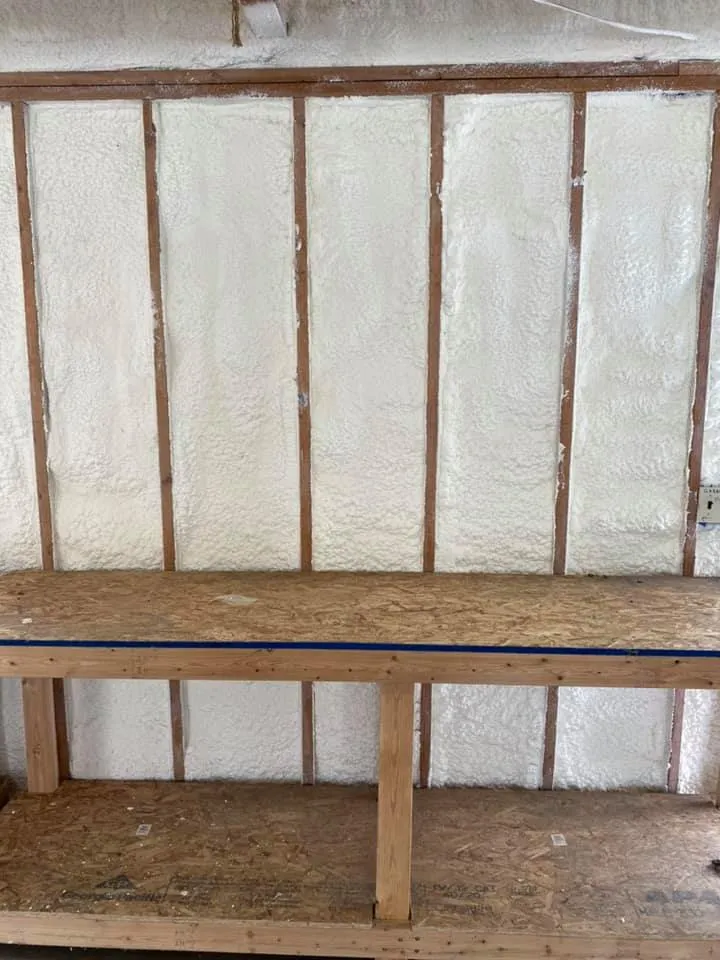
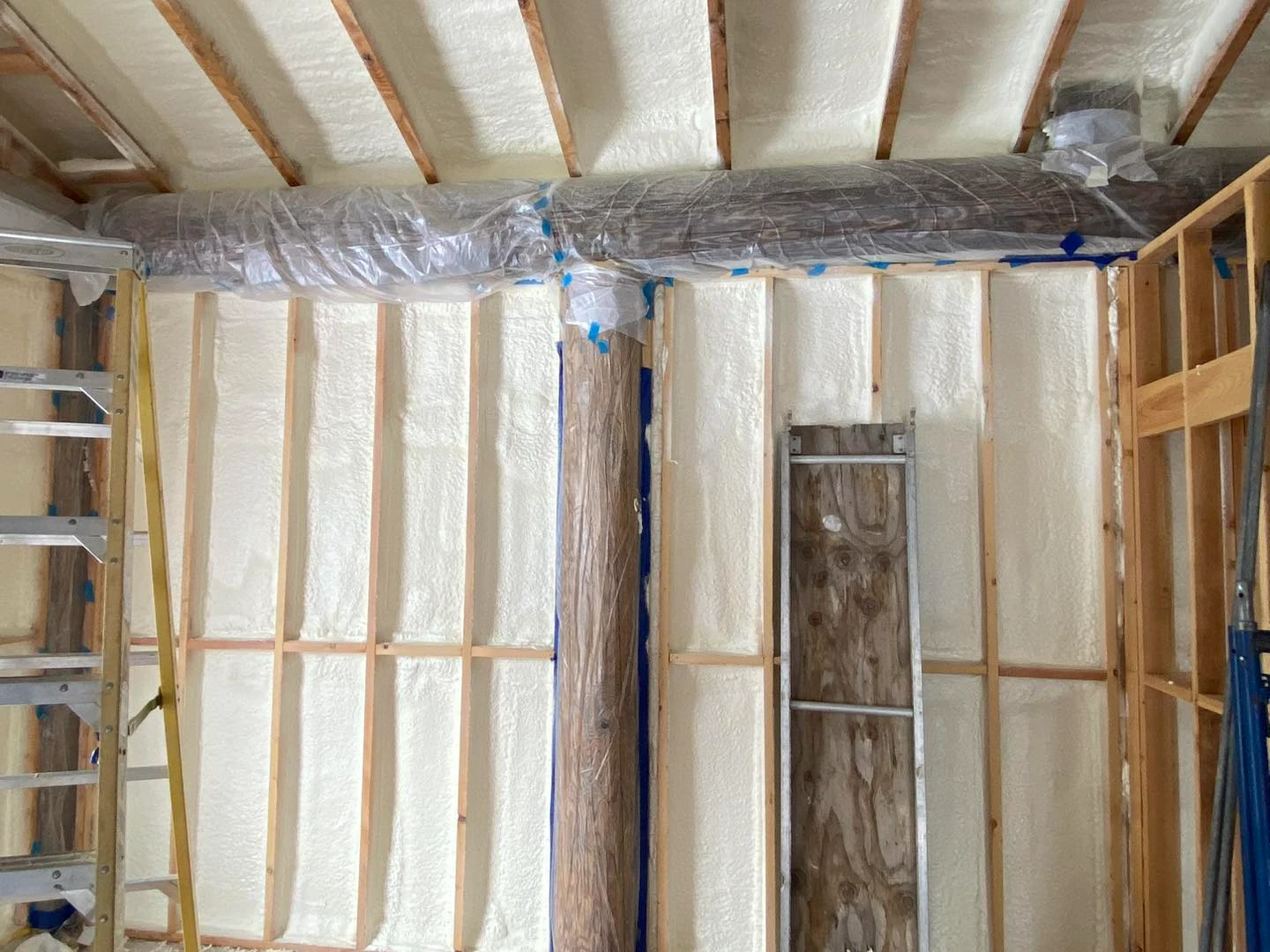
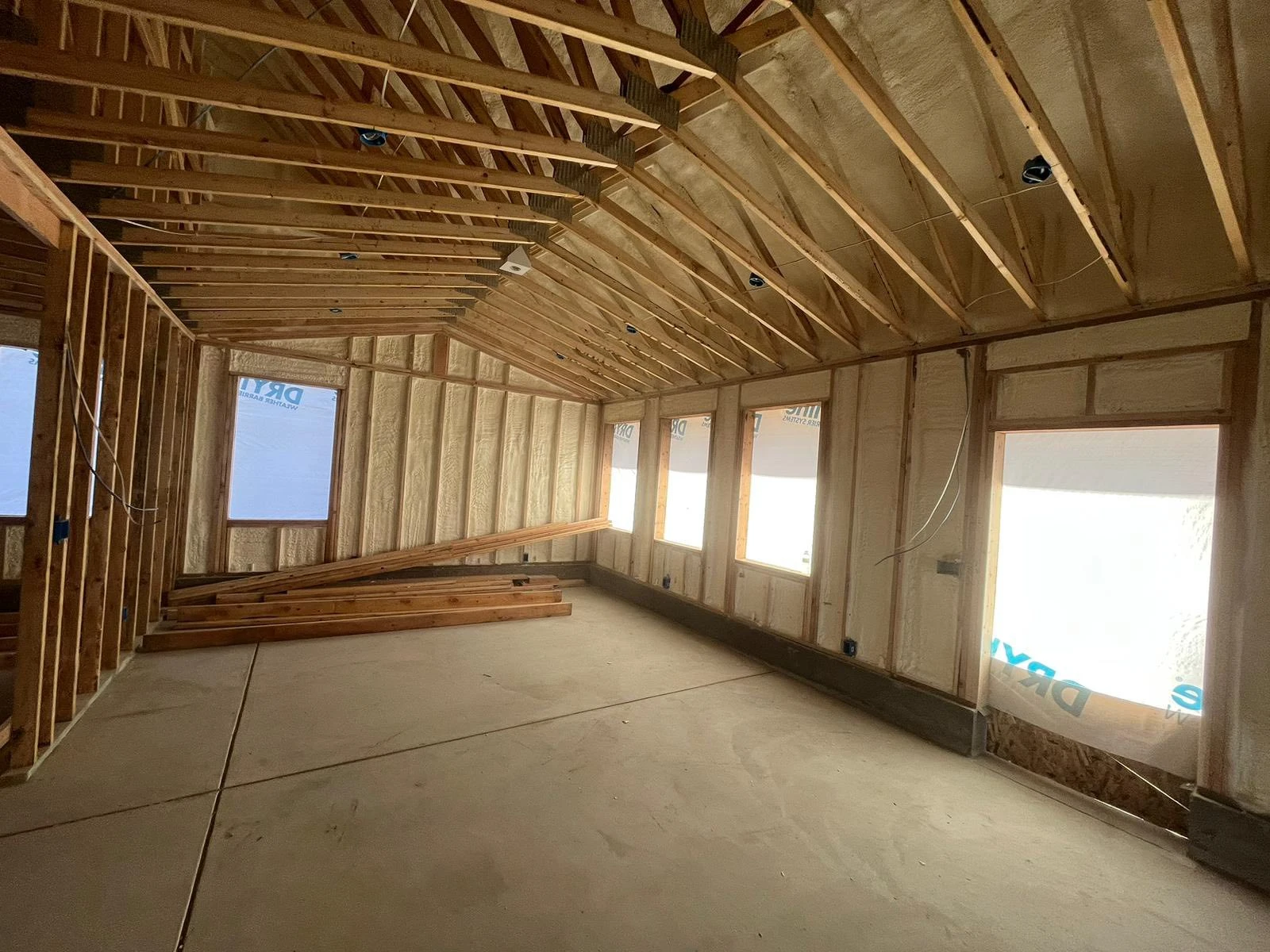
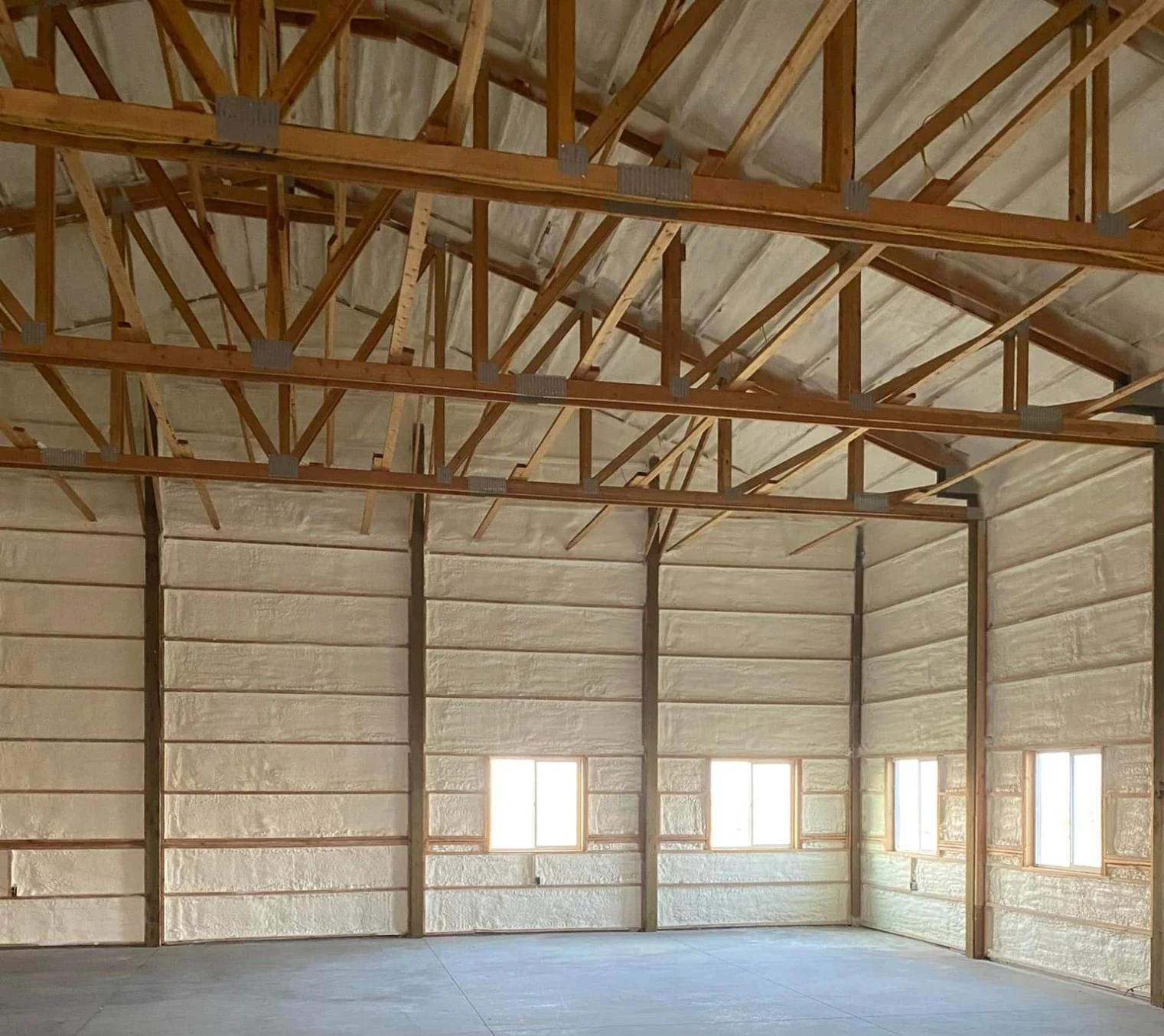
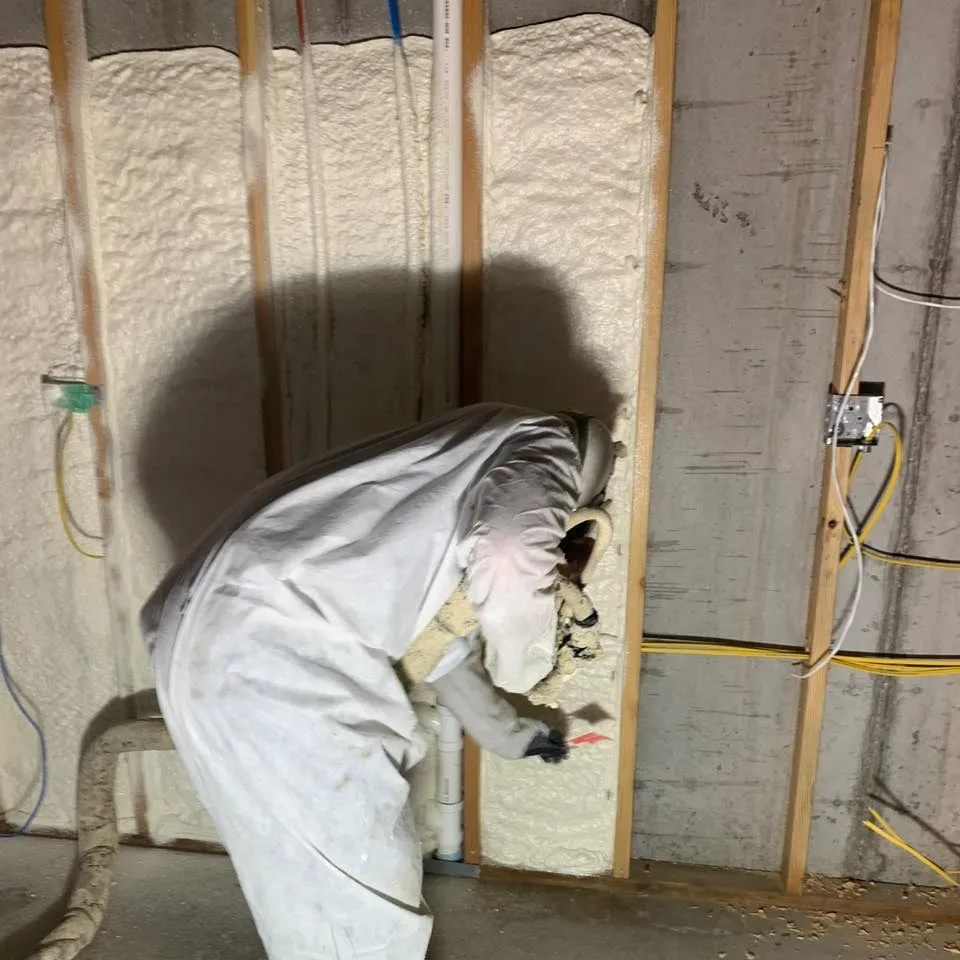
Spray foam insulation blocks pests by expanding into cracks and crevices, creating a solid, airtight seal that physically prevents insects and rodents from entering. Unlike traditional fiberglass or cellulose, which can serve as soft nesting materials for mice, spray foam hardens into a dense barrier that eliminates the air drafts pests use to sniff out food sources inside a home. By sealing the building envelope completely it removes both the entry point and the attraction, forcing pests to look elsewhere for shelter.
Homeowners often struggle with recurring pest issues because standard construction leaves thousands of tiny gaps around pipes, vents, and foundation sills. High Country Solutions understands that effective pest control starts with exclusion. We have seen firsthand how replacing porous insulation with a seamless foam barrier stops infestations before they begin. This article explains how spray foam acts as a deterrent and what you need to know to secure your property.
Pests are biologically programmed to find food and warmth, and they primarily use their sense of smell to locate them. Traditional insulation materials allow air to pass through, carrying the scent of your dinner or heating system to the outdoors. This scent trail acts as a “welcome” sign for rodents and insects.
Air leakage is the number one cause of pest intrusion. A report from Grand View Research highlights that sealing these leaks is a primary driver of the insulation market, as it simultaneously improves energy efficiency and hygiene. When spray foam is applied, it expands up to 100 times its original volume. This rapid expansion fills invisible voids. Once cured, the foam completely stops air transfer. Without a draft carrying the smell of food or warmth to the outside, pests rarely attempt to breach the wall because they do not know what lies behind it.
Soft insulation, such as fiberglass batting, is attractive to pests because it mimics natural nesting materials, such as grass or fur. Mice can easily pull it apart to build warm beds. Spray foam, particularly closed-cell varieties, cures into a rigid plastic-like substance. While it is technically possible for a determined rodent to chew through foam, they typically avoid it because it offers no nutritional value and is more challenging to gnaw than softer materials.
Not all spray foams offer the same level of protection. The chemical structure differs between open-cell and closed-cell options, affecting their density and resistance to gnawing.
Bonus Tip: For areas closer to the ground, such as basements and crawl spaces, closed-cell foam is the superior choice because it also acts as a moisture barrier, denying pests the water source they often seek.
| Feature | Open-Cell Foam | Closed-Cell Foam |
|---|---|---|
| Density | Lightweight, sponge-like (0.5 lb/cu ft) | Dense, rigid (2.0 lb/cu ft) |
| Pest Resistance | Moderate. Pests can chew it more easily. | High. Hard surface deters gnawing. |
| Moisture Barrier | Permeable (allows water through). | Impermeable (blocks water). |
| Structural Strength | Low. Adds no structural integrity. | High. Adds strength to walls. |
| Best Application | Attics, soundproofing interior walls. | Basements, crawl spaces, exterior rims. |
The construction industry is moving away from traditional materials as homeowners prioritize durability and health. According to Zion Market Research, the global spray foam insulation market is expected to grow significantly. This growth is primarily driven by the residential retrofit sector, where owners are upgrading older homes to fix air leaks and pest vulnerabilities.
North America currently holds over 40% of this market share. This dominance suggests a widespread recognition that modern building standards require better sealing than fiberglass alone can provide. As energy codes become stricter and pest control becomes more eco-conscious (moving away from poisons), the demand for physical exclusion barriers like spray foam continues to rise.
Before you commit to spray foam for pest control, evaluate the current state of your home.
Yes. Bats enter through small gaps near the roofline. Sealing these gaps with foam prevents them from roosting. However, you must ensure no bats are inside during the installation, or they will be trapped.
Once the foam has cured (usually within 24 to 48 hours), it is inert and safe. During the application process, pets and people should be out of the house to avoid inhaling vapors.
No. Carpenter ants are attracted to damp, rotting wood. Since closed-cell foam is a moisture barrier, it keeps wood dry, making your home less attractive to ants.
Small “canned” foam is fine for tiny cracks around windows. For large areas like rim joists or attics, professional application is necessary to ensure the chemical mix is correct and the seal is complete.
Spray foam insulation offers a dual-purpose solution that improves energy efficiency while serving as a robust pest deterrent. By creating an airtight envelope, it removes the scent trails that invite insects and rodents inside, while its rigid structure discourages physical intrusion. Homeowners should assess their specific needs, focusing on the foam density and the condition of their property before installation. A sealed home is a cleaner, healthier environment that stays comfortable year-round.
Ready to secure your home against unwanted guests and high energy bills? High Country Solutions is here to help you create a lasting barrier. Our team provides expert application to ensure every gap is sealed tight. Contact us at (307) 248-9063 or email [email protected] to schedule your consultation. Let’s build a safer, more efficient home together.