Why Energy Bills Are High and How Fiberglass Insulation Helps Reduce Them in Chubbuck, ID?
admin-high
March 30th, 2026
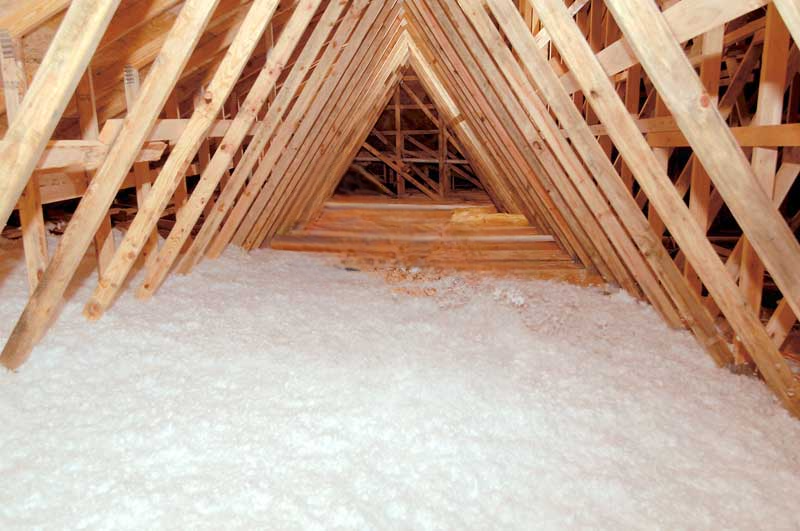
High energy bills in Chubbuck, ID homes are most often caused by inadequate insulation that allows heat to escape during cold winters and enter during hot summers. According to the Department of Energy – Guide to Home Insulation, homeowners can save up to 20% on heating and cooling costs by adding proper insulation to key areas like attics, walls, and basements. Fiberglass insulation is one of the most cost-effective and widely used solutions for reducing this energy waste, especially in Climate Zone 5, where Chubbuck is located and where winter temperatures regularly drop well below freezing.
TLDR / Key Takeaways
Chubbuck, ID, sits in IECC Climate Zone 5, requiring a minimum of R-38 in attics and R-20 in walls for code compliance
Up to 25% of a home’s heat escapes through an uninsulated attic, making it the single largest source of energy loss
Fiberglass insulation delivers R-3.1 to R-3.4 per inch and can last 50 to 80 years without significant degradation
The EPA estimates homeowners save an average of 15% on heating and cooling costs by air sealing and insulating their homes
Fiberglass is fire-resistant, non-combustible, and does not absorb moisture the way other materials can
Common problem areas in Chubbuck homes include under-insulated attics, uninsulated crawl spaces, and hollow wall cavities in older construction
Federal tax credits cover up to 30% of insulation costs (capped at $1,200) under current ENERGY STAR programs
Understanding Chubbuck’s Climate Zone and Why It Matters
Chubbuck falls within Energy Star – Recommended Home Insulation R-Values, which means the area experiences over 5,400 heating degree days annually. Winters are long and cold, with temperatures routinely falling into the teens and single digits. Summers bring short but intense heat spikes into the 90s. This swing between extremes means homes are working hard year-round to maintain comfortable indoor temperatures.
The Idaho Energy Code – Residential Code establishes minimum insulation requirements based on this zone. For attics, the requirement is R-38 (approximately 10 to 14 inches of blown fiberglass). For exterior walls, the minimum is R-20 (roughly 5.5 to 6.5 inches of fiberglass cavity fill or batt). Crawl spaces and basements also have specific requirements, often R-19 for crawlspace walls and R-15 to R-19 for basement walls.
The Idaho Energy Code – Residential Code establishes minimum insulation requirements based on this zone. For attics, the requirement is R-38 (approximately 10 to 14 inches of blown fiberglass). For exterior walls, the minimum is R-20 (roughly 5.5 to 6.5 inches of fiberglass cavity fill or batt). Crawl spaces and basements also have specific requirements, often R-19 for crawlspace walls and R-15 to R-19 for basement walls.
The problem is that many older Chubbuck homes were built before these standards were enforced. A Department of Energy – Guide to Home Insulation found that exterior wall insulation has the lowest rate of compliance among all building components, meaning a significant percentage of homes in the region are under-insulated in the areas where it matters most, especially when relying on traditional fiberglass insulation.
Common Causes of High Energy Bills in Chubbuck Homes
Under-Insulated Attics
The attic is the number one culprit behind high energy bills. According to Energy Star – Why Seal and Insulate, up to 25% of a home’s heat escapes through the attic if it lacks adequate insulation. In Chubbuck’s Climate Zone 5, heat rises and finds every gap, crack, and thin spot in attic insulation to push through. Many homes built before 2000 have just 4 to 6 inches of attic insulation, far below the R-38 minimum.
Air Leaks and Drafts
Insulation without air sealing is like wearing a sweater with the zipper open. The Energy Star – Why Seal and Insulate, homeowners save an average of 15% on heating and cooling costs (or 11% on total energy costs) by combining air sealing with insulation upgrades. Common leak points include recessed lights, attic hatches, plumbing penetrations, rim joists, and around windows and doors, making air sealing and insulation upgrades essential for overall efficiency.
Outdated Wall Insulation
Many older Chubbuck homes have walls insulated with nothing more than R-11 fiberglass batts, which is far below the current R-20 minimum. Some homes, particularly those built before the 1970s, may have no wall insulation at all. Upgrading wall insulation is more challenging than attic work, but it delivers substantial energy savings.
Uninsulated Basements and Crawl Spaces
Homes with vented, uninsulated crawl spaces or unconditioned basements lose significant energy through floors above those spaces. Cold air from below creates uncomfortable floor temperatures and forces the heating system to work harder, driving up monthly bills.
How Fiberglass Insulation Works to Reduce Energy Loss
Fiberglass insulation slows the transfer of heat through three mechanisms: conduction (heat moving through solid materials), convection (heat carried by air movement), and radiation (heat traveling in waves). The tangled glass fibers trap millions of tiny air pockets, and since air is a poor conductor of heat, the overall thermal resistance is high, making it widely used in commercial insulation services in Chubbuck.
The thermal resistance of insulation is measured in R-value. Fiberglass batts and blown fiberglass typically deliver R-3.1 to R-3.4 per inch of thickness. While this is lower per inch than spray foam, fiberglass is considerably less expensive per R-value, making it the most practical option for large areas like attics.
Fiberglass also offers several practical advantages:
Non-combustible: Fiberglass is made from sand and recycled glass, so it does not burn or contribute to fire spread
Moisture resistant: Modern fiberglass batts with kraft facing resist moisture absorption and prevent condensation buildup
Long lifespan: Properly installed fiberglass insulation can last 50 to 80 years without settling or degrading
Sound dampening: Fiberglass reduces noise transmission between rooms and from outside, adding comfort beyond energy savings
Low cost per square foot: Blown fiberglass attic insulation typically costs $1.00 to $1.80 per square foot, compared to $2.00 to $4.50 for spray foam
Insulation Performance Comparison for Climate Zone 5
Insulation Type
R-Value per Inch
Typical Cost per Sq Ft
Lifespan
Air Barrier
Best Application
Blown Fiberglass
2.2 to 3.4
$1.00 to $1.80
50 to 80 years
No
Attics, enclosed cavities
Fiberglass Batts
3.1 to 3.4
$0.80 to $1.50
50 to 80 years
No (with facing)
Walls, floors, crawl spaces
Cellulose (Blown)
3.1 to 3.8
$1.00 to $2.00
30 to 50 years
No
Attics, wall dense-pack
Closed-Cell Spray Foam
6.0 to 7.0
$2.50 to $4.50
80+ years
Yes
Rim joists, basement walls
Open-Cell Spray Foam
3.5 to 3.7
$1.00 to $2.00
50+ years
Yes
Wall cavities, attics
Line Chart Suggestion: A line chart comparing cumulative energy savings over 10 years for fiberglass vs. cellulose vs. spray foam insulation in a typical 1,800 sq ft Chubbuck home, factoring in installation cost differences.
Real-World Scenarios in Chubbuck Homes
Scenario
Home Type
Problem
Solution
Outcome
Cold upstairs bedrooms
1995 two-story, 1,800 sq ft
Only R-19 in attic, significant air leaks around recessed lights
Added blown fiberglass to R-49, sealed all top plates and penetrations
Upstairs temps evened out, heating bill dropped $85/month
Drafty floors over the crawl space
1970s ranch, 1,400 sq ft
Vented crawl space with no insulation in the floor cavity
Installed R-19 fiberglass batts between floor joists with a vapor barrier
Eliminated cold floors, saved approximately $60/month on heating
High summer cooling costs
2005 two-story, 2,200 sq ft
Hot attic radiating heat into the living space
Added R-38 blown fiberglass over the existing R-30 attic layer
Reduced cooling run time by 30%, saved $70/month in summer
Exposed rim joist in the basement
1980s split-level, 1,600 sq ft
Cold air is pouring through the rim joist band, and ice is forming on the windows
Sealed and insulated rim joist with R-19 fiberglass batts plus rigid foam board
Basement temp rose 12 degrees, overall heating cost down 15%
Remodeled garage conversion
1960s home, new addition
No wall or ceiling insulation in converted space
Installed R-15 kraft-faced fiberglass batts in walls, R-38 blown-in ceiling
Space became fully livable year-round, heating load is manageable
Factors That Affect Fiberglass Insulation Performance
Several variables determine how well fiberglass insulation performs in Chubbuck’s climate:
Installation Quality: Gaps, compression, and voids dramatically reduce effective R-value. A 2% gap in insulation coverage can reduce overall thermal performance by up to 10%. Compressed fiberglass batts lose R-value proportional to the compression amount. A batt rated R-19 compressed to fit a 2×4 cavity loses roughly a third of its rated performance.
Air Sealing Integration: Fiberglass itself is not an air barrier. Without proper sealing of adjacent surfaces, air moves through and around insulation, carrying heat with it. Pairing fiberglass with caulking, spray foam sealant, and weatherstripping is essential for maximum performance.
Moisture Management: In Chubbuck’s cold winters, warm indoor air meeting cold surfaces can cause condensation within wall and ceiling assemblies. Kraft-faced fiberglass batts include a vapor retarder that helps manage moisture. In attics, proper ventilation must work alongside insulation to prevent moisture accumulation.
Existing Insulation Condition: When adding to existing insulation, the combined R-values are additive, but only if layers are compatible. Mixing fiberglass with existing insulation of different types requires attention to vapor barrier placement to avoid trapping moisture.
Building Age and Construction Type: Older Chubbuck homes with balloon framing or unusual construction may present challenges like deep wall cavities, irregular framing spacing, or knob-and-tube wiring that must be addressed before insulation can be installed safely.
Actionable Strategies for Chubbuck Homeowners
Start with an energy audit: A professional blower door test and thermal imaging scan will identify exactly where your home is losing energy. This removes guesswork and prioritizes the highest-impact upgrades first.
Prioritize the attic: For most Chubbuck homes, the attic offers the best return on investment. Bringing attic insulation from R-19 to R-49 or higher typically pays for itself in three to five years through energy savings alone.
Seal before you insulate: Use caulk, spray foam, and weatherstripping to seal gaps around electrical boxes, plumbing penetrations, attic hatches, and rim joists before adding any insulation material.
Check vapor barrier orientation: Kraft-faced batts should have the vapor retarder facing the warm side of the assembly (interior in Chubbuck’s heating-dominated climate). Improper facing can trap moisture and lead to mold or rot.
Address basement and crawl space insulation: Insulating rim joists with fiberglass batts backed by rigid foam creates a strong thermal and air barrier in one of the most leak-prone areas of any home.
Avoid compression: When installing batts, do not stuff or compress them around pipes, wiring, or electrical boxes. Use split batts or trim carefully to maintain full thickness and rated R-value.
Take advantage of tax credits: The current federal tax credit covers 30% of the cost of insulation materials (not labor) up to $1,200. Energy Star – Well-Insulated and Sealed Attic provides details on qualifying products and installation requirements.
Bar Chart Suggestion: A before-and-after comparison showing average monthly energy bills for Chubbuck homes with R-19 attic insulation versus R-49 attic insulation across winter months (October through March).
Long-Term ROI of Fiberglass Insulation in Chubbuck
The financial case for fiberglass insulation in Climate Zone 5 is straightforward. The average Chubbuck homeowner spends between $1,500 and $2,200 annually on heating and cooling. With fiberglass insulation upgrades, the Department of Energy – Insulate Your Home and Your Bank Account, which translates to $300 to $440 per year in a typical home.
For a home that needs an attic insulation upgrade from R-19 to R-49, the total project cost (materials and professional installation) typically runs between $1,500 and $2,800 for a 1,500 square foot attic. At $300 to $440 in annual savings, the payback period falls between three and a half and nine years. Given that fiberglass insulation lasts 50 to 80 years, the long-term return is substantial.
When combined with federal tax credits and potential Idaho Power or Rocky Mountain Power rebate programs, the effective cost drops further, shortening the payback period significantly. The increased comfort, improved indoor air quality, and higher home resale value are additional benefits that compound the return over time.
Ready to Lower Your Energy Bills in Chubbuck?
At High Country Solutions, we help Chubbuck homeowners and contractors tackle high energy bills with professional fiberglass insulation installation tailored to Climate Zone 5 requirements. Our team evaluates your home’s specific needs, identifies the highest-impact upgrades, and delivers quality workmanship that stands the test of eastern Idaho’s extreme seasons. Call us at (307) 248-9063 or email [email protected] to get started
Your home should work for you, not against your budget. Let us help you fix the gaps and start saving.
Frequently Asked Questions
How much fiberglass insulation do I need in my Chubbuck attic?
Chubbuck is in IECC Climate Zone 5, which requires a minimum of R-38 for attics per the Idaho Energy Code – Residential Code. However, we recommend R-49 or higher for optimal energy savings, which typically means 14 to 16 inches of blown fiberglass depending on the density and product used.
Is blown fiberglass better than fiberglass batts for attics?
Blown fiberglass generally provides better coverage and fewer gaps than batts in attics, especially in spaces with irregular framing, ductwork, or obstacles. It fills around wires, pipes, and light fixtures more completely, reducing voids that allow heat transfer. For walls, kraft-faced fiberglass batts remain the standard choice.
Can I install fiberglass insulation over existing insulation?
Yes, as long as the existing insulation is dry, in good condition, and does not have a vapor barrier facing already installed. If the existing layer has kraft facing, adding a second vapor-barrier-faced layer on top can trap moisture between the two barriers, leading to potential mold and rot. Unfaced blown fiberglass is the correct choice for topping off existing attic insulation.
How long does fiberglass insulation last in a cold climate like Chubbuck?
Fiberglass insulation is one of the longest-lasting building materials available. It does not settle, degrade, or lose R-value significantly over time when properly installed. In Chubbuck’s cold, dry climate, fiberglass insulation can perform effectively for 50 to 80 years, making it essentially a one-time investment for the life of the home.
Does adding fiberglass insulation qualify for tax credits?
Yes. Under the current federal tax credit program, insulation materials that meet Energy Star – Well-Insulated and Sealed Attic qualify for a credit of 30% of material costs, capped at $1,200. The credit applies to additions to existing homes, not new construction, and covers insulation that meets or exceeds current IECC requirements for the local climate zone.