Why ventilation is a critical partner to your insulation system in Idaho Falls, ID
Ventilation and insulation work as an essential team in Idaho Falls homes, where insulation keeps heat in during winter and…


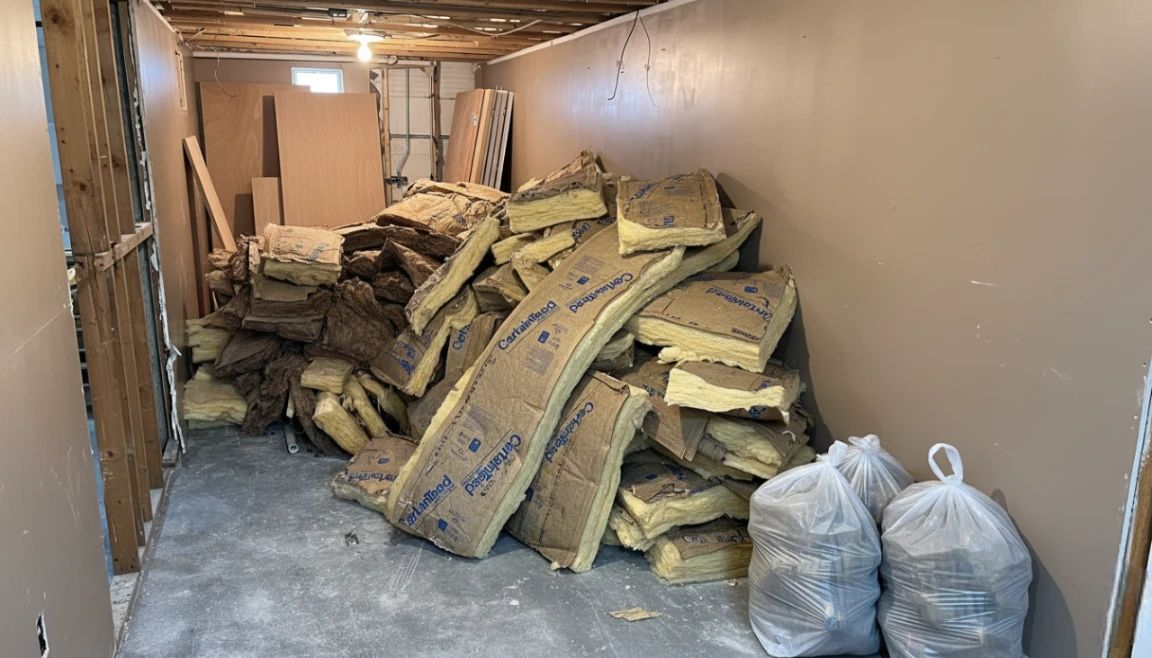
Disposing of old fiberglass insulation requires checking local regulations, wearing proper safety gear, sealing materials in heavy-duty bags, and transporting them to approved facilities. Many homeowners and contractors find success by either taking bagged insulation directly to municipal landfills that accept construction debris or hiring professional waste removal services that handle construction materials. The most critical factors are protecting yourself from irritants and following your local disposal guidelines to avoid fines or environmental issues.
This guide covers the complete disposal process from preparation through final delivery, including safety requirements, regional variations, and common mistakes to avoid. The information comes from extensive experience with construction waste management and building material disposal procedures across different jurisdictions.
Fiberglass insulation contains tiny glass fibers that can cause skin irritation, respiratory issues, and eye damage if handled improperly. These materials never decompose, making landfill disposal the most common option in most areas. Local waste management authorities typically classify fiberglass insulation as construction and demolition (C&D) debris rather than hazardous waste, though this classification varies by municipality.
The United States Environmental Protection Agency does not regulate fiberglass insulation as a hazardous material at the federal level, but state and local regulations can be much stricter. Many areas require special bagging, labeling, or disposal procedures that differ from regular trash collection. Construction projects generate significant insulation waste – according to Occupational Safety and Health Administration , building renovation and demolition activities produced over 600 million tons of debris in 2018, with insulation materials representing a substantial portion of this waste stream.
Why proper disposal matters: Beyond personal safety, incorrect disposal can lead to environmental contamination. Fiberglass fibers can become airborne during transport if not properly sealed, potentially affecting nearby properties and wildlife. Some landfills have specific requirements for C&D materials to prevent these issues.
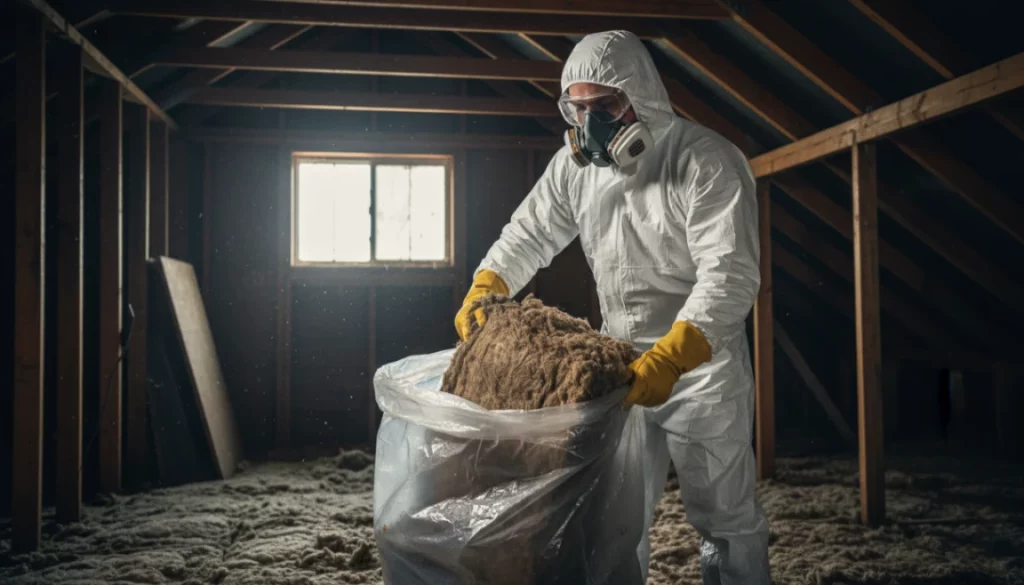
Before removing any fiberglass insulation, gather the necessary safety equipment. This includes long-sleeved shirts, pants, gloves, safety glasses, and a NIOSH-approved respirator with particulate filters. The tiny glass fibers can penetrate standard dust masks and cause lung irritation or more serious respiratory problems.
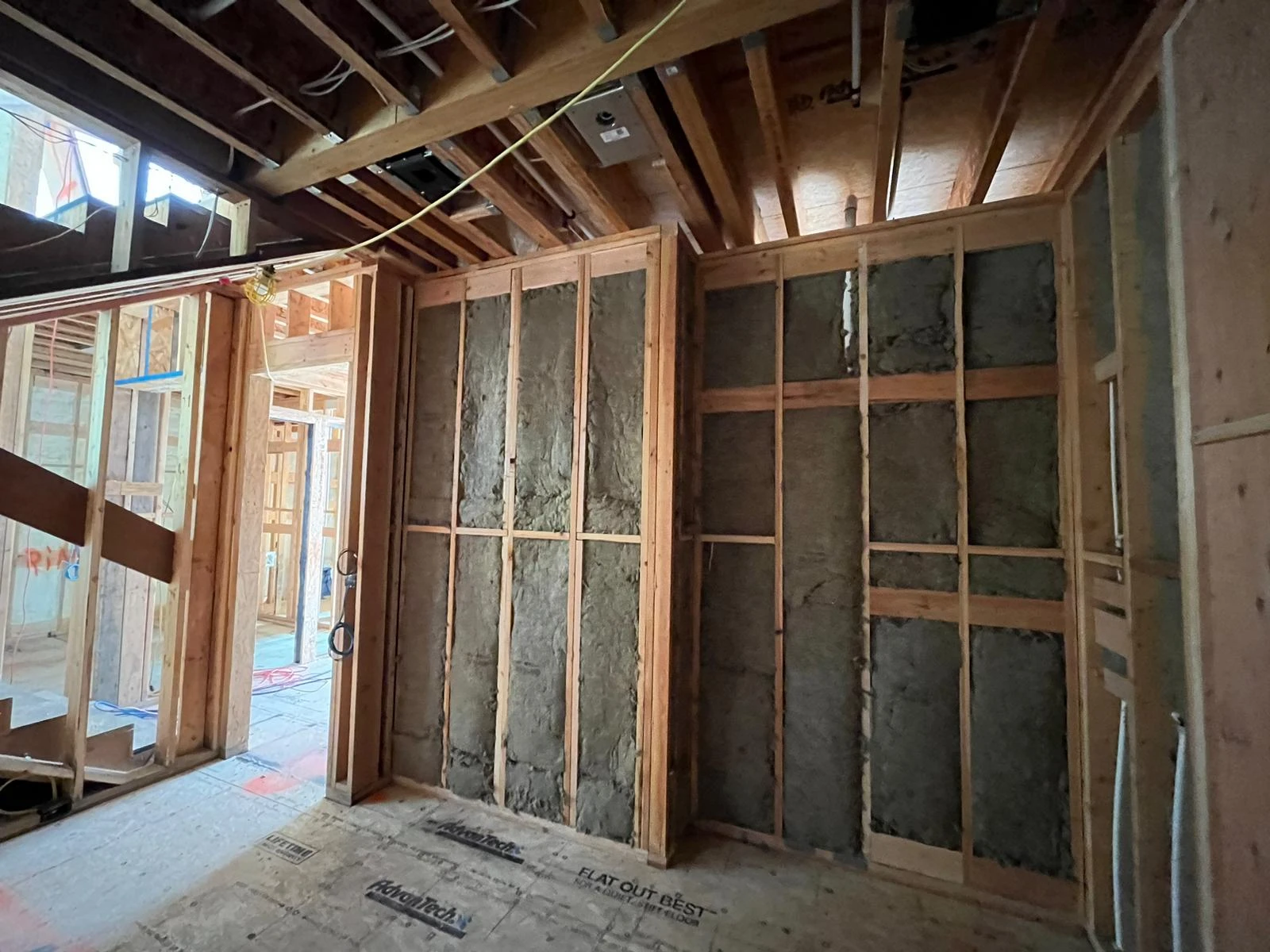
Remove insulation carefully, starting from the top of walls or attics and working downward. Place removed material immediately into heavy-duty plastic bags rated at least 3 mil thick. Standard trash bags often tear from fiberglass sharpness. Double-bagging provides extra protection against leaks and tears. Tape each bag securely with duct tape and clearly label it as “Fiberglass Insulation – Construction Debris” to alert waste management workers, Construction & Demolition Recycling Association.
Bonus Tip: Wetting the insulation slightly with a spray bottle before removal can significantly reduce airborne fibers. Don’t soak it – just enough to dampen the surface. This makes the material heavier and less likely to become airborne during handling.
Disposal methods differ significantly between residential and commercial properties due to volume and local regulations. Residential homeowners typically have fewer restrictions but also fewer resources available compared to commercial contractors with established waste management relationships.
Homeowners can usually dispose of small amounts of insulation (typically under 10 bags) through their regular trash service if local rules permit. However, many municipalities require separate handling. The best approach is to call your local waste management provider directly to ask about their fiberglass insulation policy. Some areas offer special collection days for construction materials, while others require you to transport items to specific facilities.
Commercial projects generate much larger volumes of insulation waste and often face stricter documentation requirements. Contractors typically need to work with licensed waste haulers who specialize in construction debris. These companies provide proper containers, documentation, and disposal tracking that satisfy commercial permitting and environmental regulations.
Table: Disposal Method Comparison
| Disposal Method | Volume Limits | Documentation Required |
|---|---|---|
| Regular Trash Service | Usually under 10 bags | Varies by municipality |
| Municipal Transfer Station | Varies widely | Weight tickets |
| Private Landfill | Usually unlimited | Waste manifests |
| Professional Waste Service | Any volume | Complete disposal chain |
Several factors determine which disposal method works best for your situation. The volume of insulation is the primary consideration; small renovation projects may use different disposal methods than whole-house insulation replacement. Local availability of facilities matters too, since some rural areas have limited options for construction debris disposal.
Cost varies significantly between options. While your regular trash service might seem cheapest, overweight fees can quickly exceed the cost of direct landfill delivery. Time investment is another factor – DIY disposal saves money but requires multiple trips and significant physical labor. Professional services cost more but handle everything from removal through final disposal documentation.
Bonus Tip: Call ahead to confirm disposal fees and requirements. Many facilities change their pricing structures seasonally, and some offer discounts for materials delivered during off-peak hours. Having this information beforehand prevents surprises at the scale.
Mountain regions like Wyoming often have unique disposal challenges due to geographic isolation and seasonal weather patterns. Many rural areas have limited landfill options, requiring longer transport distances. Winter weather can make access to disposal facilities difficult or impossible for extended periods, timing your insulation removal projects becomes important.
High Country Solutions has found that some mountain communities require more stringent sealing procedures due to higher wind conditions that can spread fibers further if bags rupture. Others have specific weight restrictions for vehicles accessing transfer stations, which affects how much insulation you can transport per trip.
Market Data: The construction waste management industry has seen increasing consolidation in recent years, with fewer but larger companies controlling disposal facilities in many regions. According to industry research, the North American construction waste management market reached over billions of dollars in 2021, reflecting the growing complexity of construction debris disposal.
Bonus Tip: Photograph your insulation before removal to document its condition. This documentation helps waste facility workers determine the appropriate disposal category and can be useful if questions arise about contamination or special handling requirements.
Proper fiberglass insulation disposal combines safety awareness with local regulatory compliance. The process starts with personal protection through appropriate gear and careful handling techniques. Bagging and labeling requirements vary by location but generally involve heavy-duty plastic and clear identification. Transportation considerations include weight limits, vehicle protection, and choosing the right disposal facility for your area.
Before starting any insulation removal project, check with your local waste management authority about specific requirements. Consider the volume of material, your available time, and physical capabilities when deciding between DIY disposal and professional services. Small projects might work with regular trash service, while larger renovations typically require direct landfill delivery or professional waste management services.
High Country Solutions provides professional insulation removal and disposal services throughout the region. The team handles everything from safe removal to proper disposal documentation, ensuring compliance with all local and state regulations. For questions about your specific insulation disposal needs or to schedule service, contact [email protected] or call (307) 248-9063. Professional disposal saves time, reduces exposure risks, and guarantees proper handling according to current regulations.
No, burning fiberglass insulation is illegal and extremely dangerous. The material releases toxic fumes when burned, including formaldehyde and other hazardous chemicals. Federal air quality regulations prohibit burning construction materials, and most states classify this as a criminal violation with significant fines.
Fiberglass insulation should never be composted or placed in organic waste streams. The glass fibers are inorganic and persist indefinitely in the environment. They can contaminate compost and potentially harm plants, soil organisms, and anyone handling the finished compost.
Stop work immediately if you suspect asbestos contamination. Many older homes used vermiculite insulation that may contain asbestos fibers. Certified asbestos abatement professionals must handle any material that might contain asbestos. Never attempt to remove these materials yourself.
Store bagged insulation in a dry, protected area for no more than 30 days. Over time, bags can degrade or develop holes that release fibers into storage areas. Extended storage also increases the risk of pest damage or moisture contamination that could change the disposal classification.