Why ventilation is a critical partner to your insulation system in Idaho Falls, ID
Ventilation and insulation work as an essential team in Idaho Falls homes, where insulation keeps heat in during winter and…


Commercial insulation directly contributes to LEED certification by earning points in the Energy & Atmosphere and Materials & Resources categories. Insulation reduces energy consumption through improved thermal performance, which directly impacts the Optimize Energy Performance credit, and can earn additional points through material sourcing and recycled content. This article provides detailed information about how different insulation systems affect LEED point calculations, helping building professionals make informed decisions for their projects.
The information presented comes from extensive experience with commercial building projects and hands-on knowledge of LEED certification processes. Every aspect covered represents practical insights from actual building assessments and certification applications.
Insulation’s primary contribution to LEED certification comes from energy efficiency improvements. The Energy & Atmosphere category contains the Optimize Energy Performance credit, which awards points based on a building’s energy cost savings compared to a baseline building. High-quality insulation systems can reduce heating and cooling loads by 20-40%, significantly impacting these calculations. According to the U.S. Green Building Council, buildings can earn up to 18 points in this category through energy optimization.
The exact point calculation depends on the building type and climate zone. In colder regions, proper insulation matters even more for meeting energy targets. Many projects discover that investing in superior insulation during construction costs less than upgrading mechanical systems later to achieve the same energy performance goals.
Beyond energy savings, insulation materials contribute to LEED points through the Materials & Resources category. Points are available for using recycled content, locally sourced materials, and environmentally preferable products. Many insulation manufacturers now provide Environmental Product Declarations (EPDs) and Health Product Declarations (HPDs) that document these attributes.
The Building Product Disclosure and Optimization credits specifically reward transparency in material sourcing. Projects using insulation with documented recycled content can earn 1-2 points, while locally manufactured materials (within 500 miles) contribute to regional material priority points BuildingGreen.
Different insulation materials vary in their LEED point potential. Some options provide better thermal performance per inch, while others offer superior environmental attributes.
| Insulation Type | R-Value Per Inch | Recycled Content | Regional Availability | EPD Available |
|---|---|---|---|---|
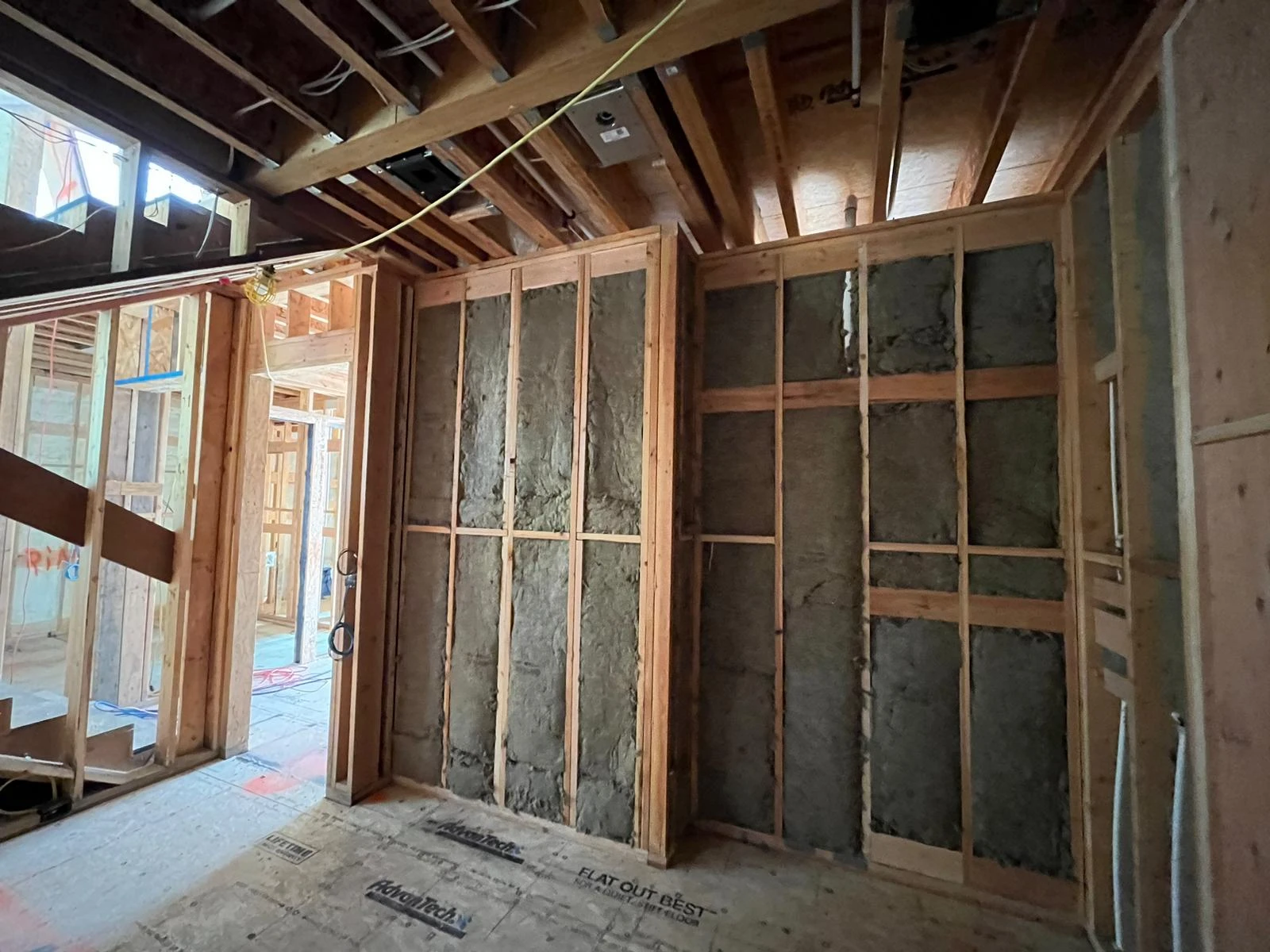
| Mineral Wool | 3.2-3.8 | 70-95% | Good | Yes |
| Cellulose | 3.2-3.8 | 75-85% | Excellent | Yes |
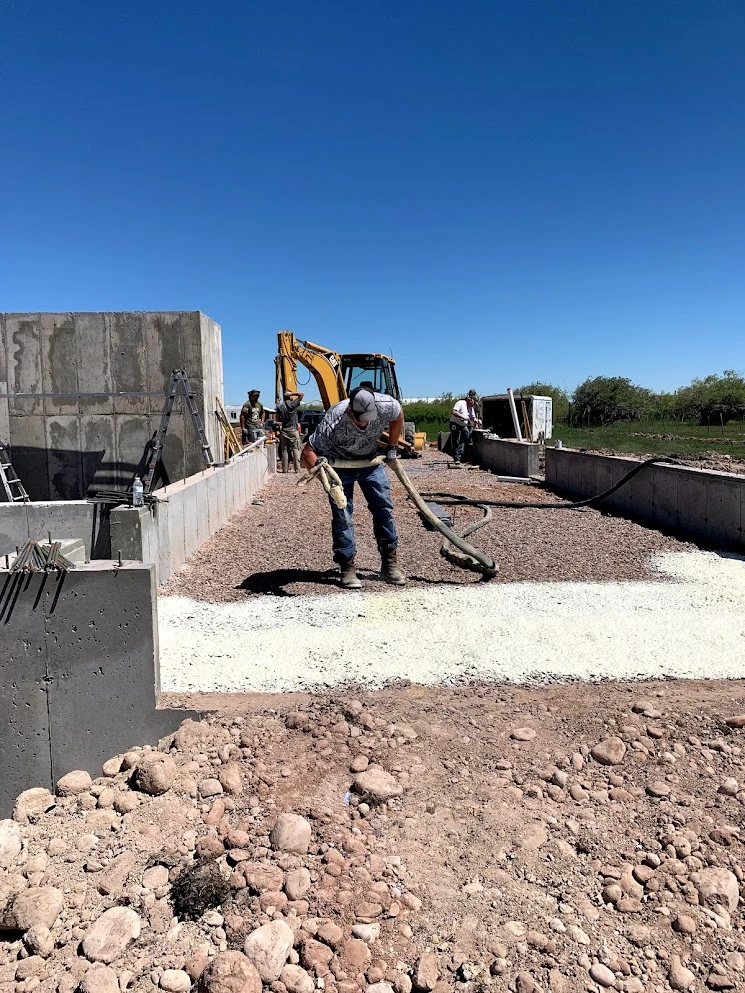
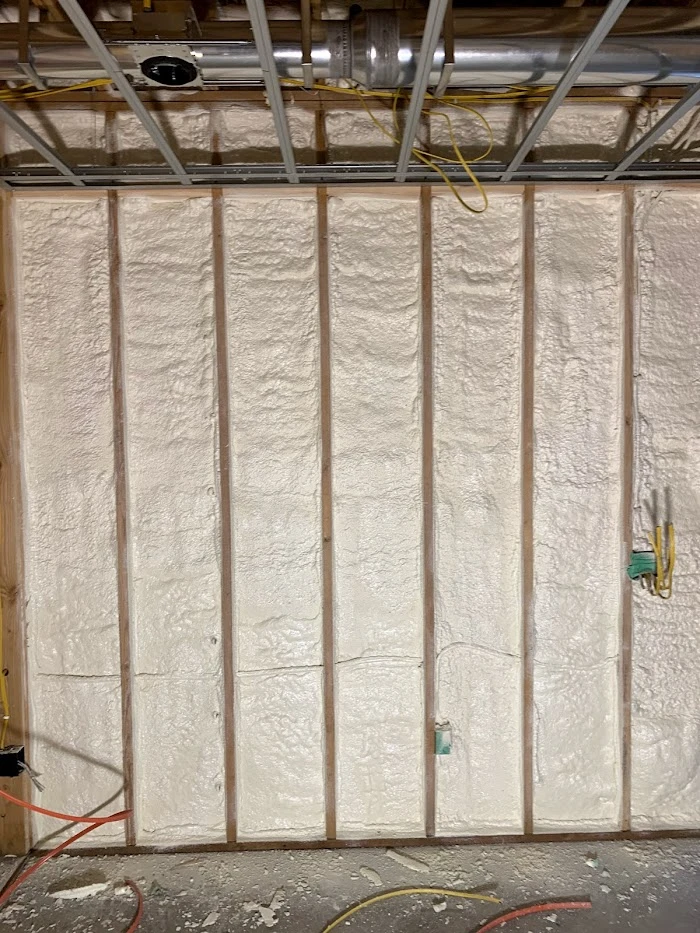
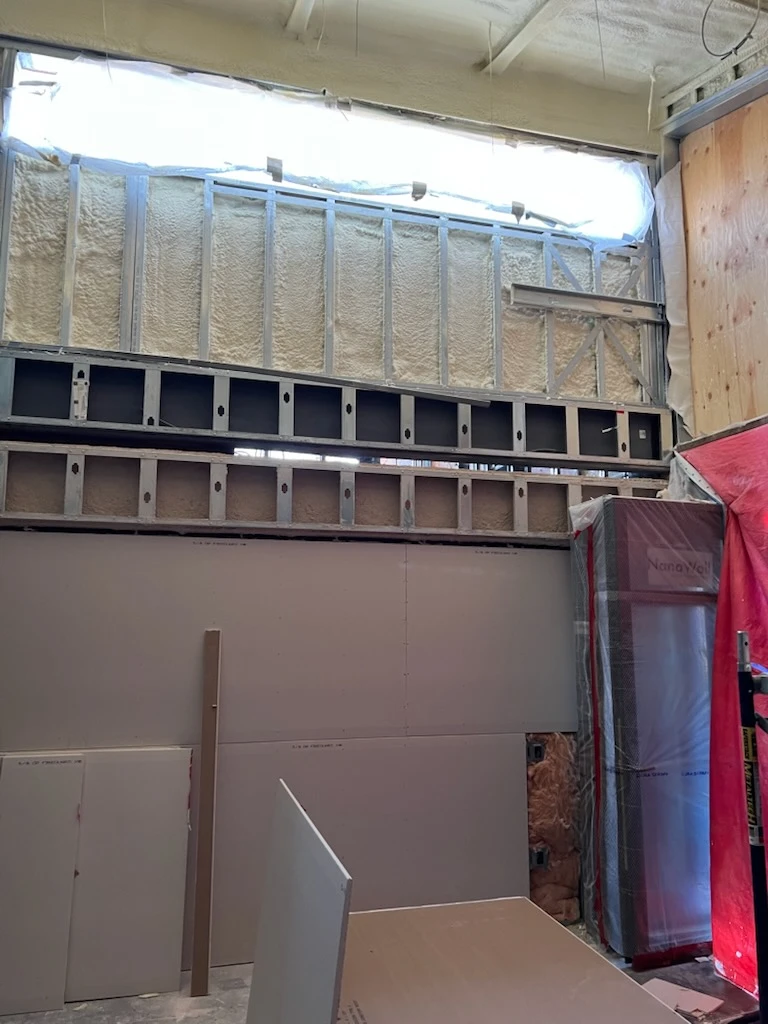
| Spray Foam | 6.0-7.0 | 10-40% | Good | Sometimes |
| Rigid Foam | 4.0-8.0 | 5-30% | Good | Sometimes |
| Fiberglass | 2.9-3.8 | 30-70% | Excellent | Yes |
Mineral wool and cellulose insulation typically offer the best combination of recycled content and availability, making them strong choices for projects focused on maximizing LEED Materials & Resources points.
Insulation requirements vary significantly by climate zone, which affects LEED strategy. Buildings in Zone 7-8 (northern regions) require higher insulation values to achieve the same energy performance as buildings in warmer climates. The climate-specific baselines in ASHRAE 90.1 account for these variations, but projects in extreme climates often need to exceed minimum requirements to hit higher LEED point thresholds.
In the Rocky Mountain region, where temperature swings are dramatic, insulation must address both heating and cooling needs. Projects should consider air sealing alongside insulation, as air infiltration can reduce thermal performance by 25-40% if not properly addressed.
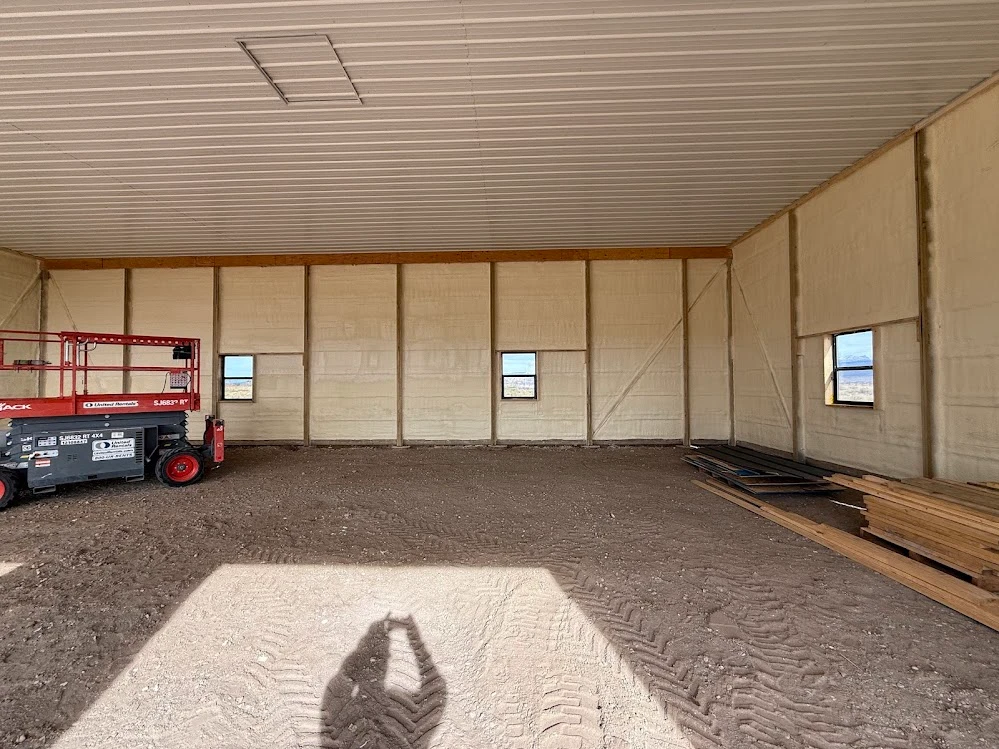
Project Timeline and Availability: Some specialized insulation products may have longer lead times. Project schedules should account for material procurement, especially for custom sizes or specific EPD documentation needed for LEED submittals.
Budget Constraints: While superior insulation can increase upfront costs, the lifecycle savings often justify the investment. Projects should analyze the 30-year cost savings versus initial expense to make informed decisions.
Building Usage Patterns: Buildings with high internal heat gain (data centers, manufacturing facilities) may prioritize different insulation strategies than office buildings with predictable occupancy patterns.
Installation Quality: Even the best insulation performs poorly if incorrectly installed. Project teams should verify installer experience with specific insulation systems, particularly for spray foam applications where temperature and moisture conditions affect curing.
Bonus Tip: Request mock-up installations of complex insulation systems before full project application. This helps identify coordination issues with other building systems and ensures the installation team understands the requirements for achieving specified R-values.
Bonus Tip: When documenting insulation for LEED submittals, keep detailed records of installation practices, including photos of continuous insulation barriers and air sealing details. This documentation often proves crucial during certification reviews.
Commercial insulation choices significantly impact LEED certification success through both energy performance and material sustainability attributes. The most successful projects balance thermal efficiency with responsible material sourcing, using insulation as a strategic tool rather than just a code requirement. Buildings should analyze their specific climate conditions, usage patterns, and certification goals when selecting insulation systems.
Evaluate your project’s insulation strategy early in the design process, considering both immediate LEED point opportunities and long-term energy performance. The right insulation decisions can create multiple pathways to certification while reducing operational costs for decades.
For specific guidance on insulation strategies for your LEED project, contact High Country Solutions at [email protected] or call (307) 248-9063. Their team can review your building plans and recommend insulation approaches that maximize certification potential while meeting your budget and timeline requirements. High Country Solutions specializes in helping buildings navigate LEED requirements with practical, cost-effective solutions.
Cellulose and mineral wool typically offer the strongest combination of high recycled content (earning Materials & Resources points) and good thermal performance (supporting Energy & Atmosphere points).
Insulation directly impacts the Minimum Energy Performance prerequisite, which requires meeting or exceeding ASHRAE 90.1 minimum requirements. Buildings must meet this prerequisite before earning any optimization points.
Yes, hybrid insulation systems often provide optimal performance. For example, using spray foam for air sealing combined with bulk insulation for thermal performance can maximize both energy efficiency and material credit opportunities.
Projects need material specification sheets, EPDs or HPDs, recycled content statements, and local manufacturing location information. Installation photos showing continuity and proper application are also valuable for certification review.
Some insulation materials contribute to the Low-Emitting Materials credit by meeting GREENGUARD or similar low-VOC certifications, which can earn additional points in the Indoor Environmental Quality category.