Why ventilation is a critical partner to your insulation system in Idaho Falls, ID
Ventilation and insulation work as an essential team in Idaho Falls homes, where insulation keeps heat in during winter and…


Commercial insulation costs in Chubbuck fluctuate based on a hierarchy of specific variables rather than a standardized price list. The three primary drivers of the final quote are the selected insulation material, the total square footage of the application area, and the complexity of the installation site. High-performance materials like closed-cell spray foam command a higher premium than traditional fiberglass due to chemical costs and specialized equipment requirements, while difficult-to-access areas significantly increase labor hours.
Facility managers and building owners must evaluate these elements to create accurate budgets. A quote that seems unusually low often neglects critical factors such as disposal fees, site preparation, and specific code compliance requirements for Bannock County. Understanding how each of these seven factors impacts the bottom line ensures the project meets performance goals without hidden financial surprises. High Country Solutions approaches these evaluations by analyzing the entire thermal envelope to provide accurate assessments.
The choice of insulation material acts as the most significant variable in project pricing. Different materials offer varying levels of thermal resistance (R-value), durability, and air-sealing capabilities. The market provides a spectrum of options, from economical solutions to premium, high-performance systems.
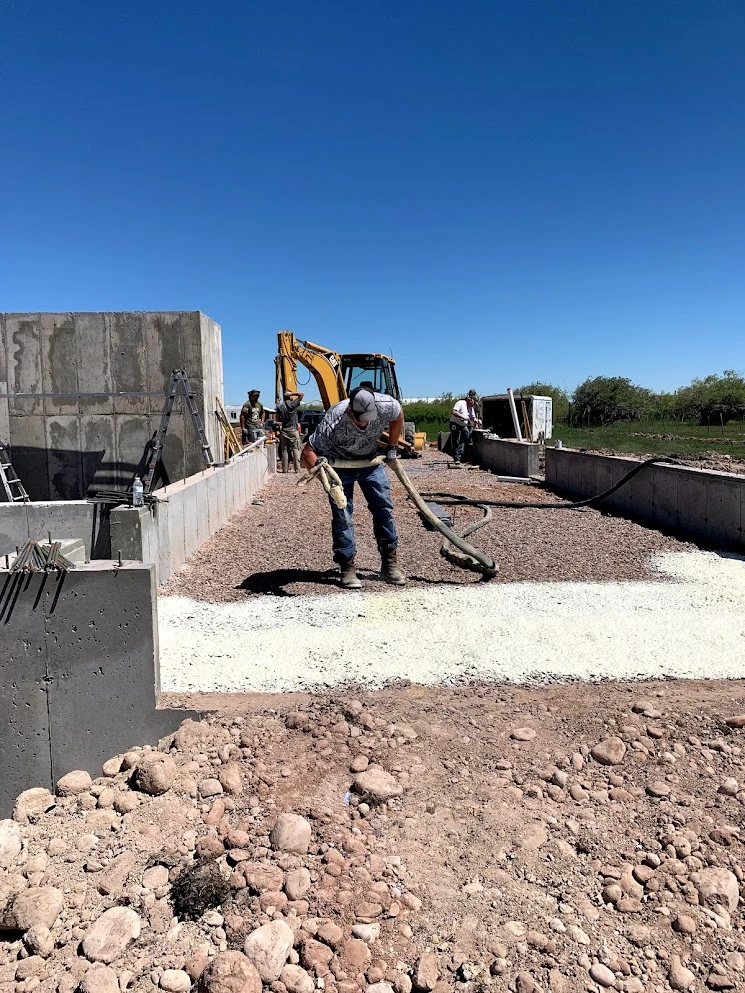
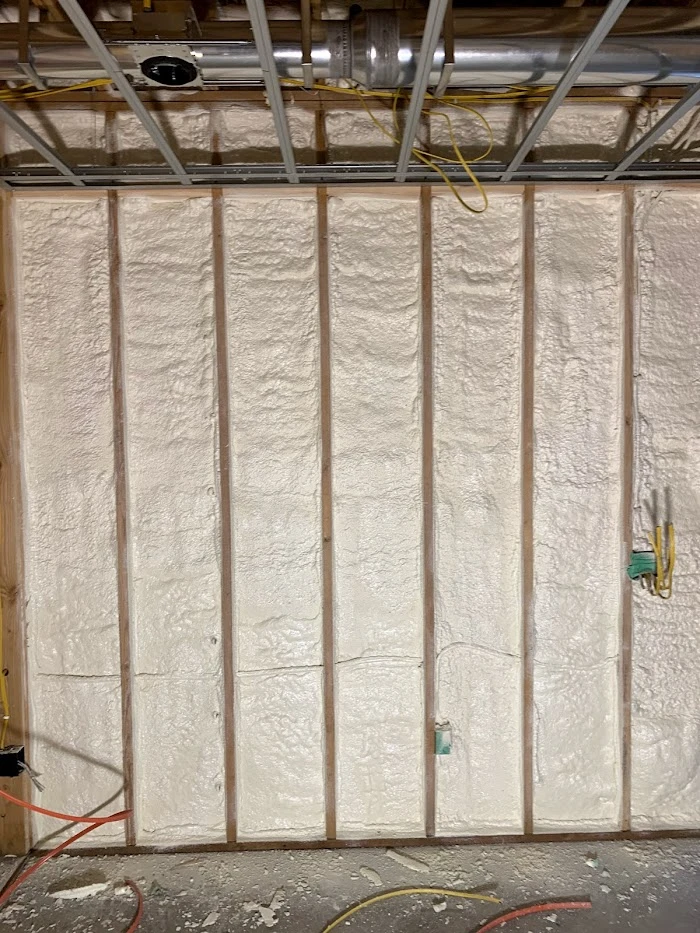
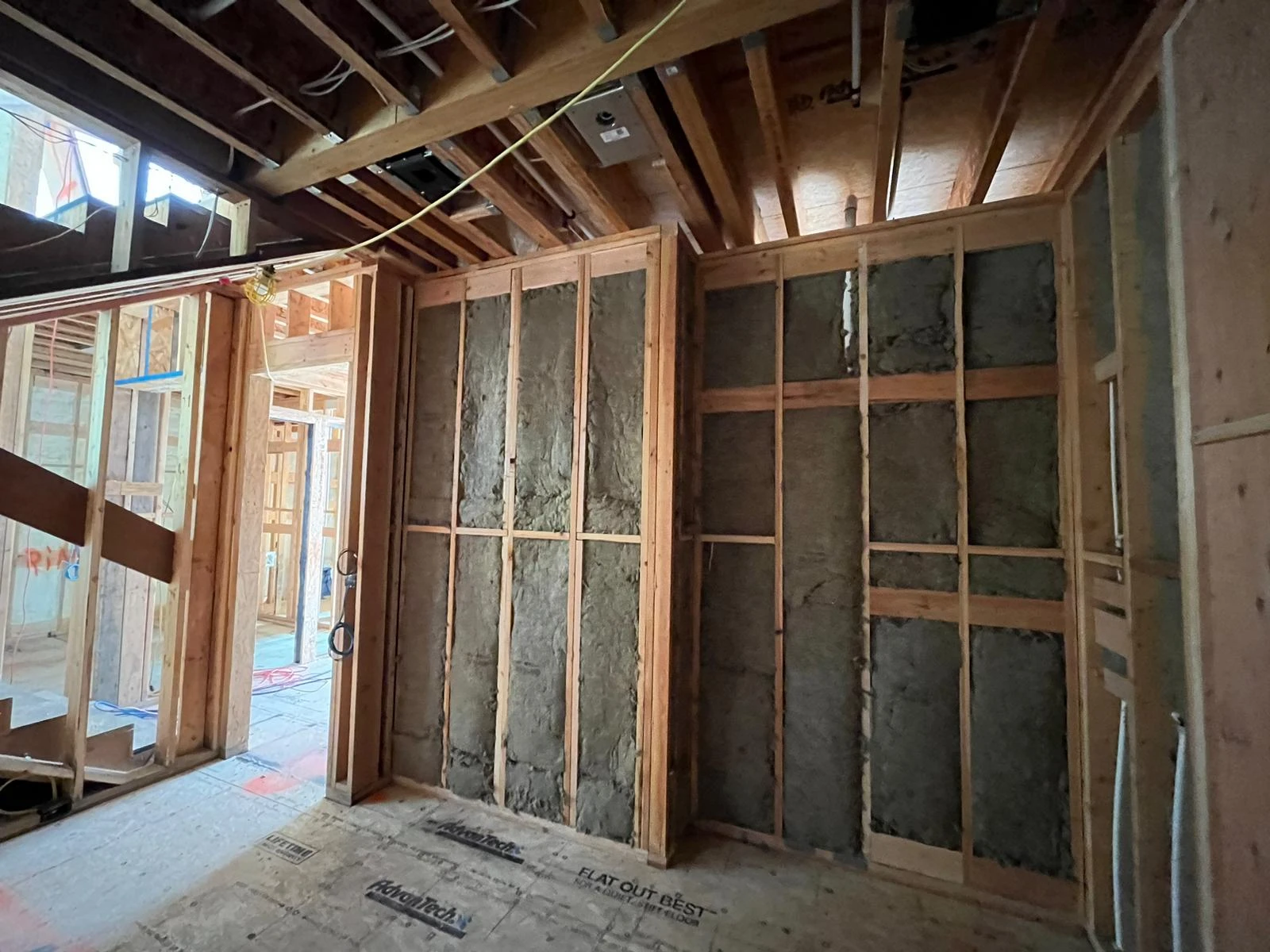
Fiberglass systems typically represent the most budget-friendly option for commercial spaces. They are easier to manufacture and install, but often require additional materials to create an effective air barrier. Conversely, spray polyurethane foam (SPF) requires a larger upfront investment. This cost difference stems from the raw chemical components and the specialized machinery needed for application. A Forbes Home report notes that spray foam has a higher price point than fiberglass but offers superior longevity and energy efficiency.
The following table illustrates the relative cost impact and performance characteristics of common commercial insulation materials.
| Material Type | Relative Cost Impact | R-Value (Per Inch) | Primary Benefit |
|---|---|---|---|
| Fiberglass Batts | Low | R-2.9 to R-3.8 | Cost-effective, easy to install |
| Blown-In Cellulose | Moderate | R-3.1 to R-3.8 | excellent for filling irregular cavities |
| Open-Cell Spray Foam | Moderate to High | R-3.5 to R-3.7 | Sound dampening, air sealing |
| Closed-Cell Spray Foam | High | R-6.0 to R-7.0 | Maximum R-value, moisture barrier, structural strength |
Bonus Tip: Closed-cell foam is the only option in this list that acts as a vapor barrier, potentially saving the cost of installing a separate vapor retarder system.
The scale of a project influences the cost efficiency per square foot. Contractors incur fixed costs for every job, including mobilizing crews, transporting rigs, and setting up safety containment. On larger projects, such as expansive warehouses or multi-story office complexes, these mobilization costs are distributed over a wider area.
Smaller projects often see a higher cost per unit because the setup time remains roughly the same regardless of the job size. Efficiencies of scale allow faster application rates in large, open spaces than in small, segmented rooms. Grouping multiple insulation needs into a single project scope helps maximize budget efficiency.
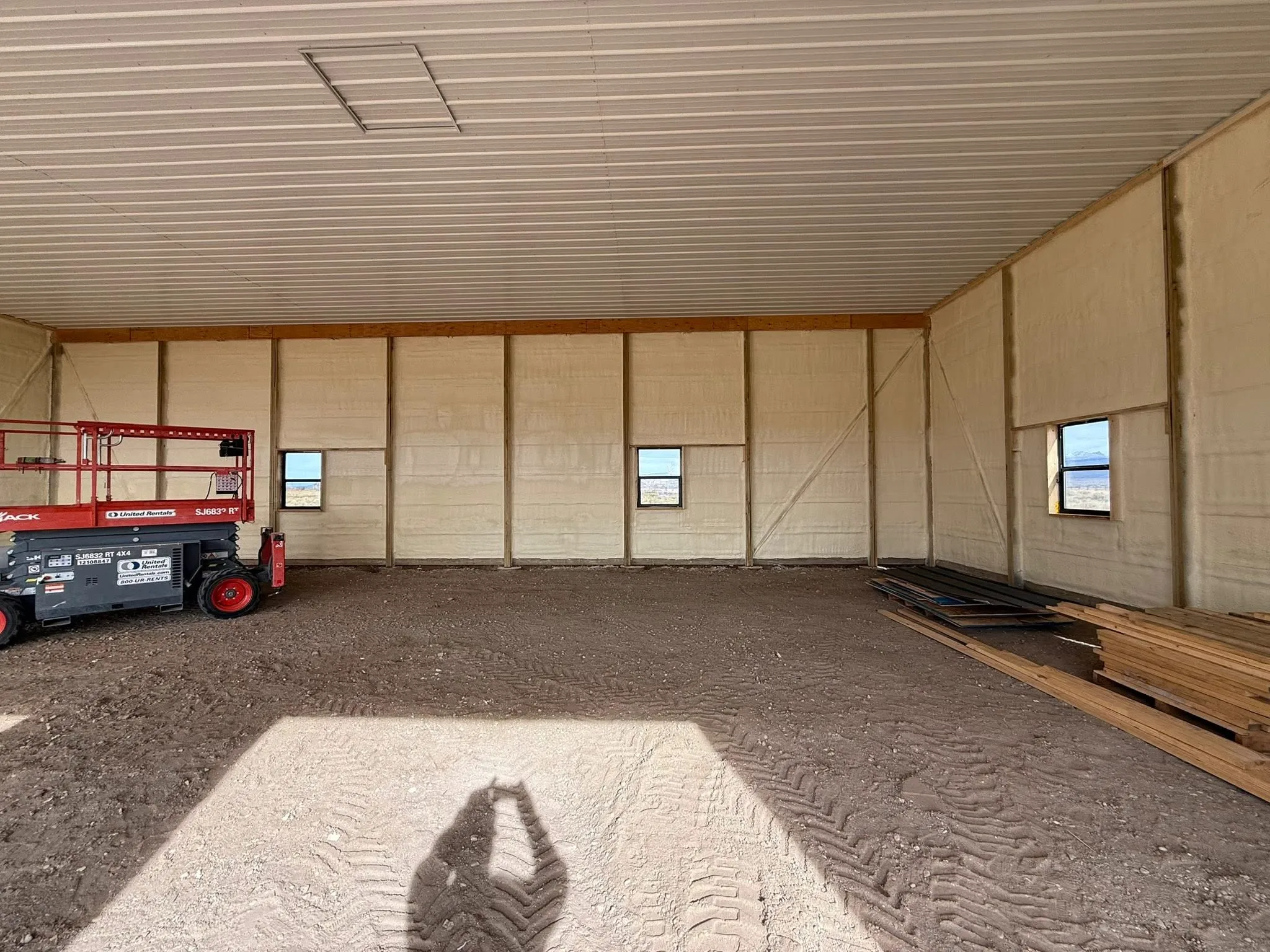
Labor costs rise directly with the difficulty of accessing the installation area. An empty metal building with clear access allows crews to work rapidly. In contrast, an occupied office building or a facility with complex mechanical systems requires careful maneuvering, slowing down production.
If the ceiling height requires scissor lifts, boom lifts, or scaffolding, these rental costs are added to the project total. Furthermore, working around heavy machinery or inventory in an active facility may require work in the evening or on weekends, triggering overtime labor rates.
Local building codes in Chubbuck enforce specific energy efficiency standards based on the regional climate zone. The International Energy Conservation Code (IECC) mandates minimum R-values for roofs, walls, and foundations to ensure buildings remain efficient during Idaho’s distinct winter and summer seasons.
Compliance often dictates the required insulation thickness. According to the U.S. Department of Energy, meeting local climate zone requirements is non-negotiable for new construction and major renovations. If the code requires a high R-value, the project will require more material layers or a higher-performance product, naturally increasing the material portion of the budget.
Retrofitting existing buildings frequently involves removing old, damaged, or ineffective insulation. This process adds a distinct layer of cost separate from the installation of new material. Labor teams must extract the old material, bag it, and transport it to a disposal facility.
Landfill fees in Bannock County and the labor required for tear-out affect the final price. If the existing insulation is water-damaged or contaminated, strict safety protocols must be followed, further increasing labor time.
Bonus Tip: Request that removal and disposal be listed as separate line items in your estimate to maintain complete transparency on labor allocation.
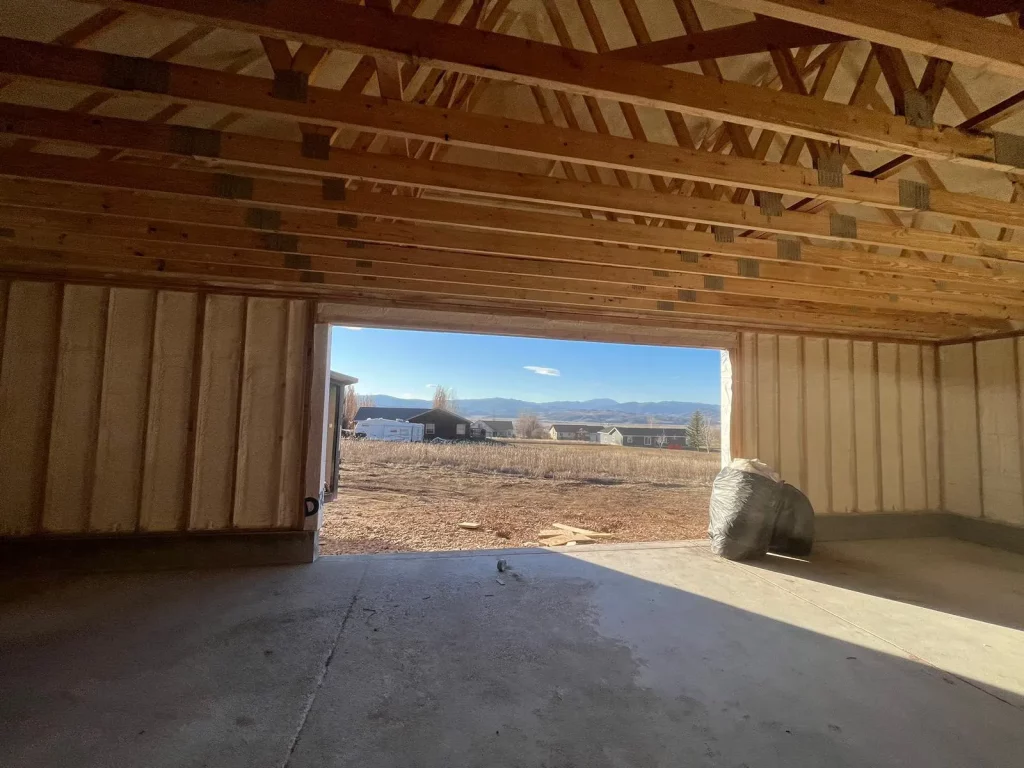
Insulation requires a properly prepared surface to function correctly. Before installation begins, the substrate must be clean, dry, and secure. Air sealing is often a necessary precursor to insulation and involves using sealants to close gaps around penetrations, windows, and joints.
According to the Environmental Protection Agency, sealing air leaks is a fundamental step in controlling moisture and preventing mold. Skipping this step to save money usually results in lower energy performance. Repairs to the building structure, such as patching metal roof leaks or fixing drywall, must be completed before insulation, which adds to the total project preparation costs.
Material prices are not static. They shift based on global supply chain health and the availability of raw materials. This is especially relevant for spray foam, which relies on complex chemical availability.
Data published by the Associated General Contractors of America shows that construction material inputs are subject to price volatility. During periods of high demand or shipping constraints, material costs can rise, potentially shortening the validity period of a quote. Securing a contract promptly helps lock in material pricing against future increases.
Evaluating a commercial insulation bid requires looking at long-term value rather than just the immediate payout.
In terms of upfront installation price, spray foam is typically higher. However, when factoring in the elimination of separate air barriers and long-term energy savings, the lifecycle cost gap narrows.
Yes, phasing is possible, though it may result in higher total costs due to multiple mobilization fees. It is effective to prioritize the areas with the most significant heat loss, such as the roof, first.
Labor rates reflect the crew’s experience level, insurance coverage, and the quality of the equipment used. A lower labor rate might indicate a lack of proper certification or safety training.
Winter installations for specific materials like spray foam may require auxiliary heating for the chemicals and the building, which can add fuel costs to the project that wouldn’t exist in summer.
Major alterations to a building’s thermal envelope typically require a permit. The cost of this permit is a small but necessary addition to the project budget.
Accurate budgeting for commercial insulation in Chubbuck requires analyzing more than just square footage. The interaction between material performance, site accessibility, code compliance, and labor complexity defines the final investment. While higher-performance materials like closed-cell foam carry a larger initial price tag, they deliver structural and thermal benefits that budget-friendly fiberglass cannot match.
Business owners should weigh the immediate costs against future energy savings and equipment longevity. A detailed evaluation of the specific structure will yield the most reliable financial data.
Secure a reliable estimate that accounts for every factor of your building’s unique requirements. High Country Solutions offers professional evaluations for commercial properties across Bannock County, ensuring clarity and precision in every project scope.
Contact High Country Solutions
Email: [email protected]
Phone: (307) 248-9063