Why ventilation is a critical partner to your insulation system in Idaho Falls, ID
Ventilation and insulation work as an essential team in Idaho Falls homes, where insulation keeps heat in during winter and…


Commercial insulation directly improves indoor air quality through moisture control, air filtration, temperature regulation, and air sealing. In Blackfoot’s climate, these mechanisms work together to create healthier work environments by reducing mold growth, filtering airborne particles, preventing condensation, and blocking external contaminants. The impact on staff health and productivity is measurable, with better insulation correlating to fewer respiratory issues and increased comfort levels.
This guide explains exactly how insulation affects air quality in Blackfoot commercial buildings, drawing from years of installation experience in Idaho’s varying climate conditions. High Country Solutions has documented these effects across dozens of local projects, providing real-world data on air quality improvements.
Proper insulation acts as the first line of defense against moisture intrusion, which is particularly important in Blackfoot where seasonal temperature swings create significant condensation risks. When warm indoor air meets cold surfaces during winter, moisture can accumulate in wall cavities without adequate insulation. This moisture creates ideal conditions for mold growth, which releases spores that compromise air quality and trigger respiratory issues among staff.
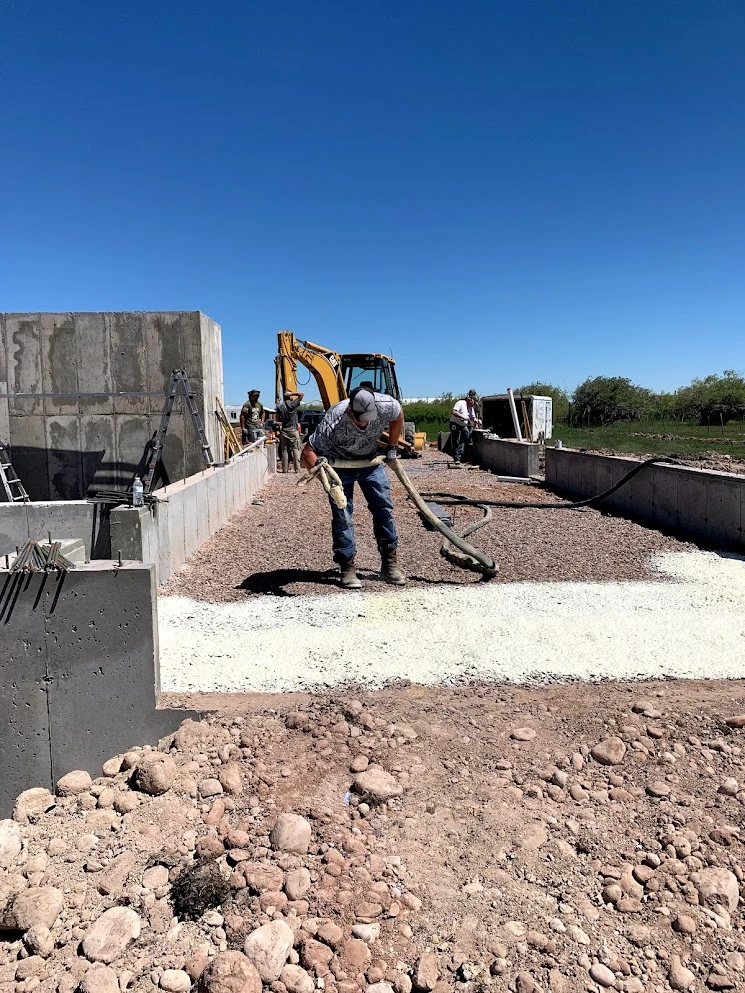
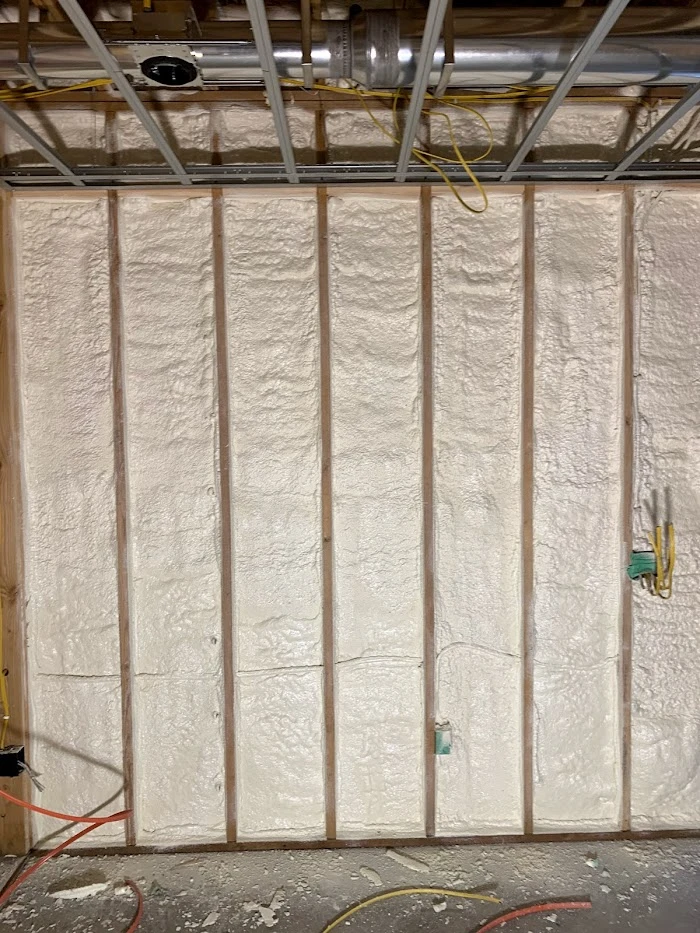
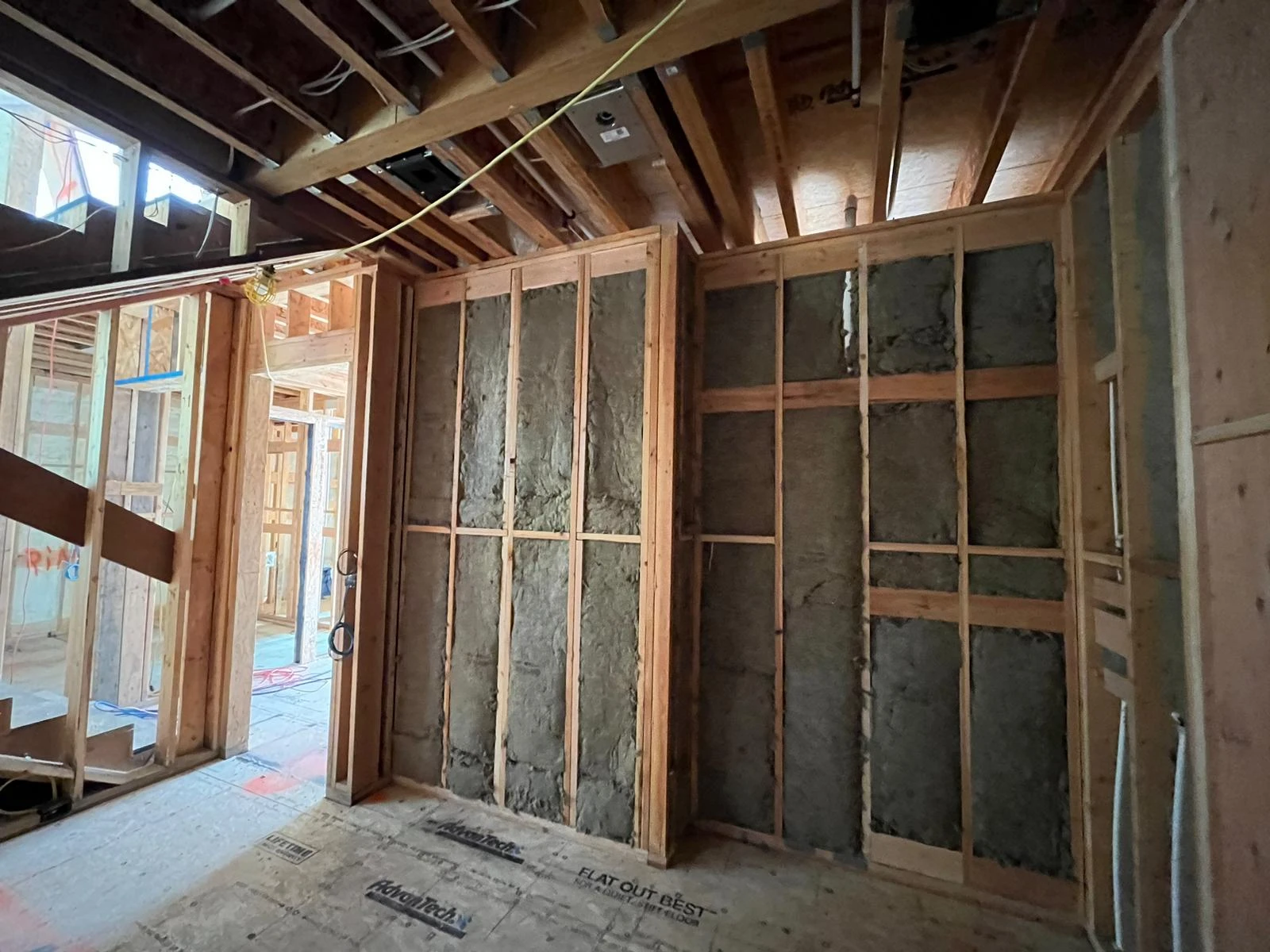
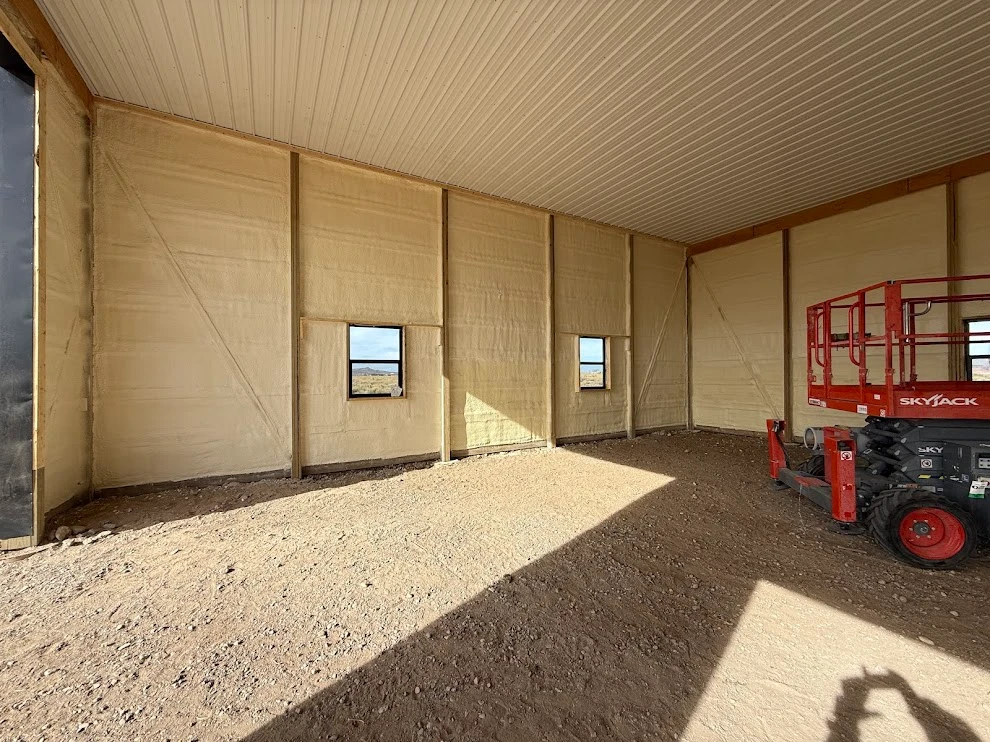
Different insulation materials offer varying levels of moisture resistance. Closed-cell spray foam provides the most complete moisture barrier, creating an airtight seal that prevents water vapor from penetrating building envelopes. Fiberglass and cellulose insulation rely on proper vapor barriers and installation techniques to manage moisture effectively. The key is selecting materials that account for Blackfoot’s specific climate challenges, where winter temperatures regularly drop below freezing while summer days can exceed 90 degrees.
Install insulation with integrated moisture barriers in areas prone to high humidity, such as kitchens and bathrooms, to prevent hidden mold growth behind walls where it can go unnoticed for months.
Modern insulation materials do more than just regulate temperature they actively filter airborne particles. Dense insulation fibers trap dust, pollen, and other particulates that would otherwise circulate through HVAC systems and workspaces. This filtration effect is especially valuable in Blackfoot’s agricultural environment, where seasonal farming activities increase airborne dust and allergens.
The filtration efficiency varies by material type and installation quality. According to research from Environmental Protection Agency, properly installed insulation can reduce airborne particles by up to 30%, significantly improving indoor air quality. High-density fiberglass and rock wool insulation offer the best particulate-trapping capabilities, while still allowing adequate ventilation when paired with proper HVAC systems.
Consistent indoor temperatures prevent the formation of condensation that can lead to mold growth and structural damage. In Blackfoot’s climate, daily temperature variations can exceed 30 degrees, creating challenging conditions for maintaining stable indoor environments. Quality insulation minimizes these temperature swings, reducing the risk of condensation forming on walls, windows, and ductwork.
The relationship between insulation thickness and temperature control follows predictable patterns, as shown in the table below:
| Insulation R-Value | Temperature Stability (°F) | Condensation Risk | Energy Savings |
|---|---|---|---|
| R-11 (minimal) | ±12 degrees | High | 10-15% |
| R-19 (standard) | ±8 degrees | Moderate | 25-30% |
| R-30 (enhanced) | ±4 degrees | Low | 35-40% |
| R-40+ (optimal) | ±2 degrees | Very Low | 45-55% |
These figures represent typical performance in Blackfoot commercial buildings under normal occupancy conditions. Actual results vary based on building construction, HVAC efficiency, and usage patterns.
Pay special attention to insulation around metal-framed windows and doors, as these areas are most prone to condensation in Blackfoot’s winter conditions. Thermal bridging through metal frames creates cold spots that require additional insulation detail.
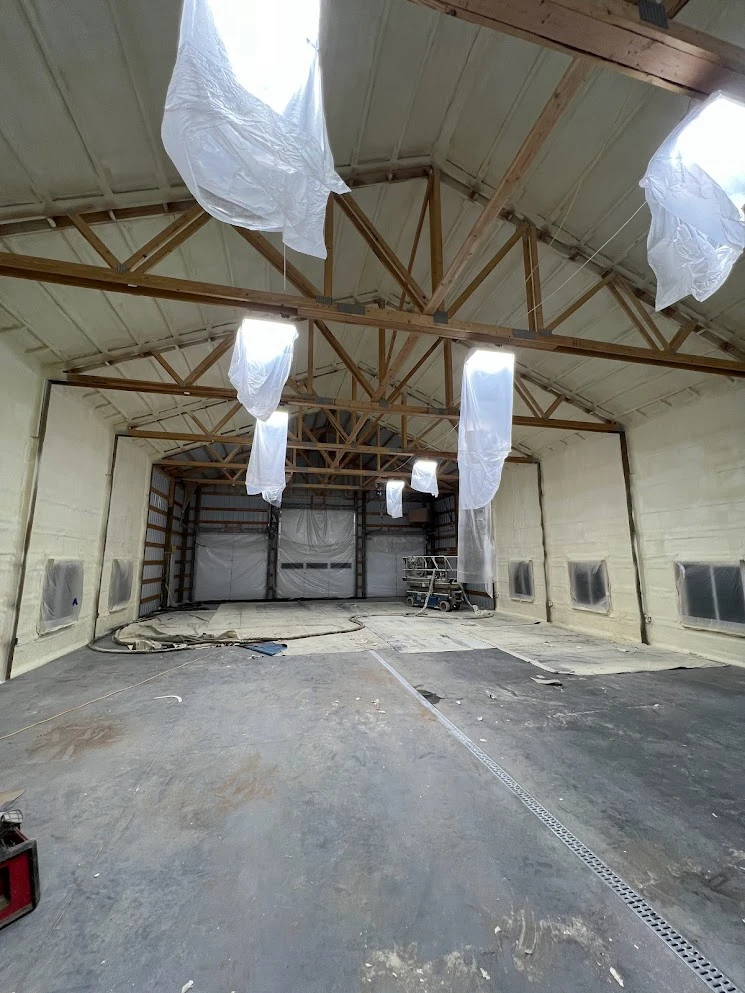
The air sealing properties of modern insulation materials create barriers against outdoor pollutants, exhaust fumes, and agricultural chemicals common in the Blackfoot area. Spray foam insulation expands to fill gaps and cracks, while properly installed batt and board insulation systems require careful attention to seams and penetrations. This comprehensive sealing prevents contaminated outdoor air from infiltrating workspaces through building envelopes.
Air sealing is particularly important for commercial buildings located near busy roads or agricultural operations where exposure to vehicle emissions and pesticides is higher. Data from American Lung Association shows that proper building sealing can reduce exposure to outdoor particulate matter by 40-60%, directly improving respiratory health for building occupants.
Building age and construction type significantly influence insulation choices in the Blackfoot area. Older buildings with limited wall cavity depth may require thin-profile high-performance insulation solutions, while newer structures offer more flexibility in material selection. Local building codes mandate minimum insulation levels that vary by building type and usage.
Climate considerations specific to southeastern Idaho affect material performance. Insulation must withstand extreme temperature variations without degradation while maintaining its air quality benefits. Materials that perform well in moderate climates may not be suitable for Blackfoot’s harsh winter conditions.
Budget constraints often drive decisions but should be weighed against long-term air quality benefits and energy savings. Initial investments in higher-quality insulation typically pay for themselves within 3-5 years through reduced HVAC costs and improved employee productivity.
Commercial insulation creates healthier work environments through four primary mechanisms: moisture control, air filtration, temperature regulation, and air sealing. These benefits work together to reduce respiratory issues, improve comfort, and increase productivity for staff in Blackfoot commercial buildings.
The right insulation solution depends on your specific building type, age, location within the Blackfoot area, and budget constraints. Consider consulting with insulation specialists who understand local climate challenges and can recommend materials that balance air quality benefits with energy efficiency goals.
Regular maintenance and professional installation ensure optimal performance and longevity of your insulation investment. Start by assessing current insulation levels and identifying areas where improvements would have the greatest impact on staff health and comfort.
High Country Solutions provides comprehensive insulation evaluations for commercial buildings in the Blackfoot area. Our technicians assess current insulation performance, identify air quality issues, and recommend solutions tailored to local climate conditions. Contact [email protected] or call (307) 248-9063 to schedule an evaluation of your building’s insulation and indoor air quality.
Yes, quality insulation reduces HVAC load by 30-40% in typical Blackfoot commercial buildings, potentially allowing for smaller, more efficient equipment while maintaining the same comfort levels.
Air quality improvements begin immediately but reach full effectiveness within 2-3 weeks as any installation odors dissipate and the building stabilizes at new humidity and temperature levels.
Most insulation requires minimal maintenance, but regular inspections for moisture damage, pest intrusion, and settling should occur annually, especially in Blackfoot’s variable climate conditions.
Most insulation systems last 20-30 years, but agricultural environments with high dust may require more frequent replacement of filters and protective barriers. Regular inspections every 5 years can identify issues before they affect air quality U.S. Department of Energy.
Yes, many insulation options can be installed with minimal disruption, including blown-in materials added through small exterior holes and spray foam applied to existing wall cavities.
Modern insulation materials are treated with fire retardants and must meet strict fire safety codes. Some materials like mineral wool provide additional fire protection while improving air quality.