Why ventilation is a critical partner to your insulation system in Idaho Falls, ID
Ventilation and insulation work as an essential team in Idaho Falls homes, where insulation keeps heat in during winter and…


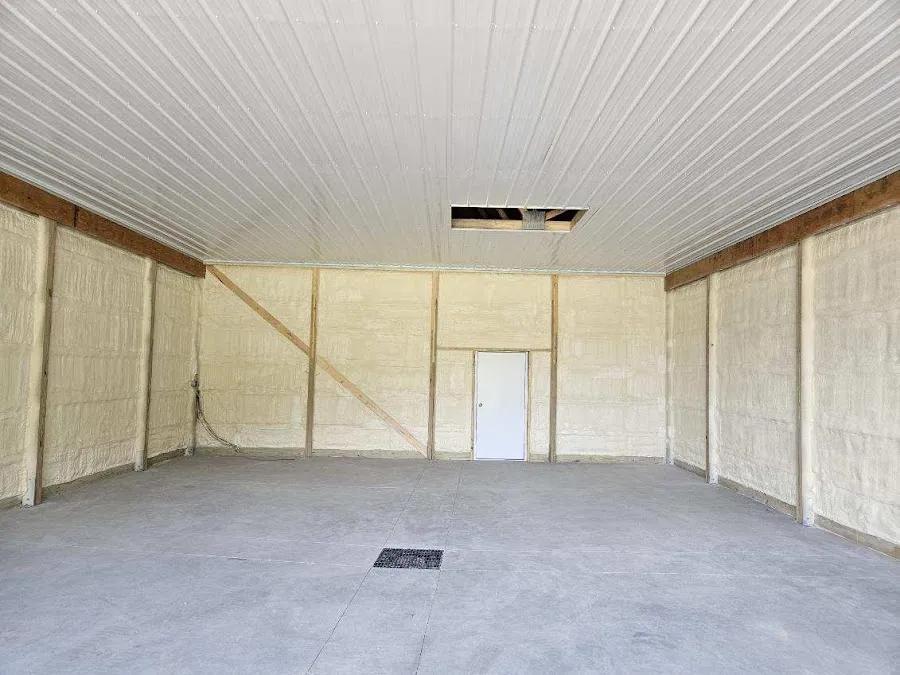
Getting the best performance from your closed-cell spray foam insulation in Fort Hall, ID requires focusing on three critical factors: proper installation by certified professionals, moisture management specific to southeastern Idaho’s climate, and regular maintenance checks. When these elements work together, your insulation can deliver R-values up to R-7 per inch and save 30-50% on heating and cooling costs. The following guide breaks down the proven methods for maximizing your investment’s return in Fort Hall’s unique environmental conditions.
Fort Hall presents specific challenges with its cold winters and dry summers, making insulation performance particularly important for year-round comfort and energy efficiency. High Country Solution has worked extensively with properties throughout the Fort Hall area, developing practical strategies that account for the region’s temperature swings, wind patterns, and soil conditions that affect building performance.
Fort Hall’s climate demands a specialized approach to closed-cell insulation application. The area experiences average winter lows around 15°F and summer highs reaching 88°F, creating significant temperature differentials that test insulation performance. The semi-arid conditions with average annual precipitation of only 12 inches might suggest minimal moisture concerns, but spring thaws and occasional heavy snowmelt can create unique water infiltration challenges that must be addressed during installation.
The wind patterns common to the Snake River Plain area require additional attention to air sealing, with prevailing southwesterly winds averaging 10-15 mph but frequently exceeding 25 mph during seasonal transitions. Local soil conditions, predominantly clay loam with some sandy areas, affect foundation sealing requirements and necessitate different approaches depending on your specific property location within Fort Hall.
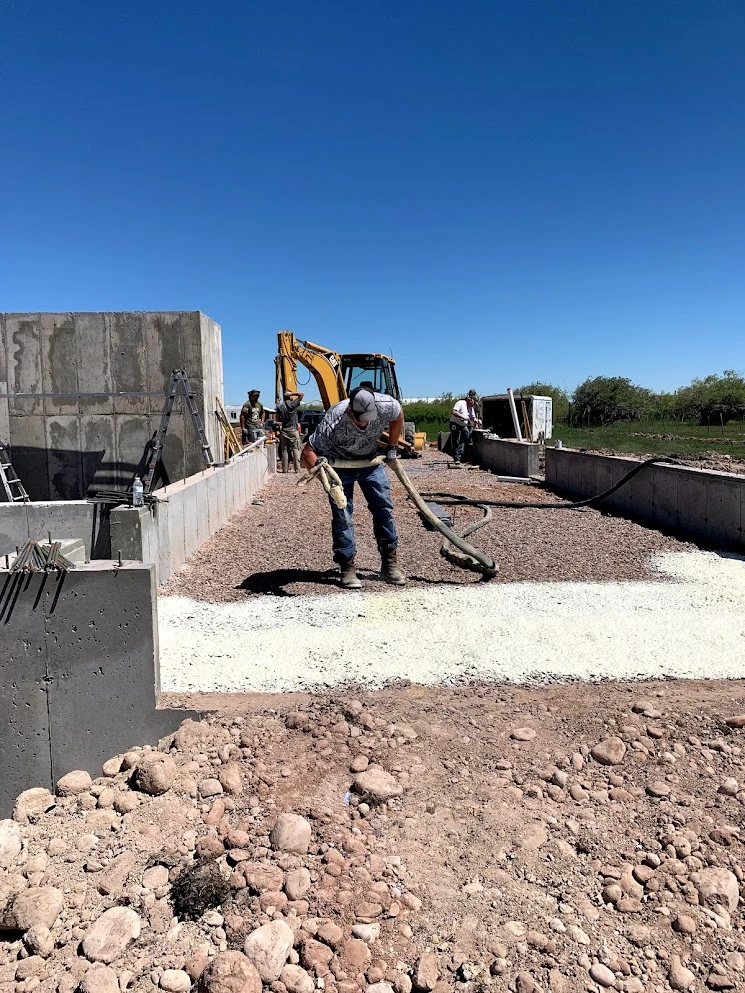
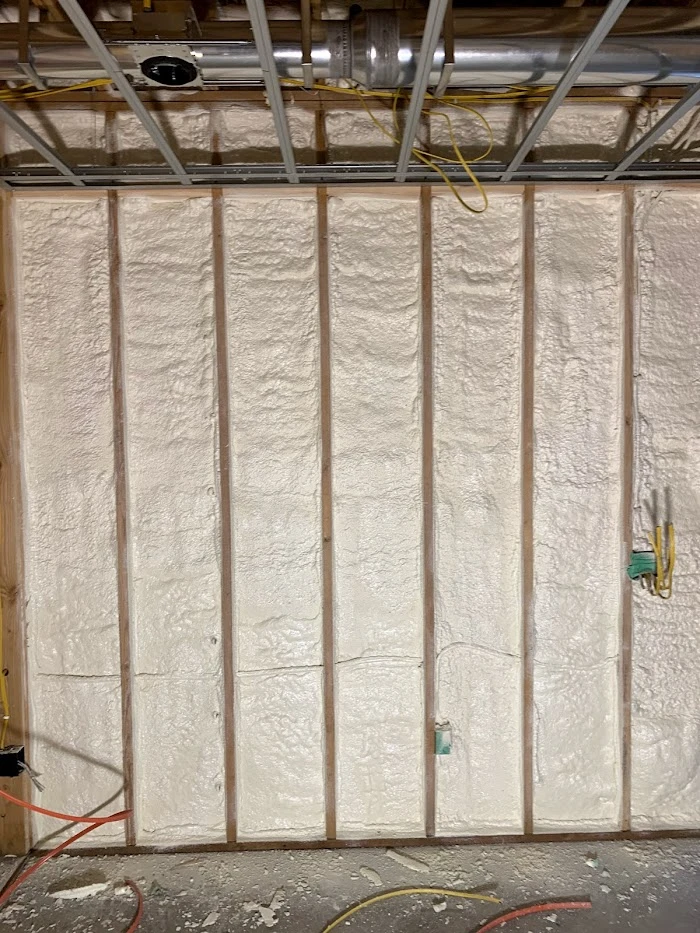
Professional installation remains the single most important factor in achieving optimal performance. The foam must be applied at the correct temperature (typically 70-80°F at the nozzle) and in appropriate thickness for each application area. In Fort Hall’s climate, a minimum of 2 inches is recommended for walls, while attics typically require 3-4 inches to achieve the thermal performance needed for the region’s temperature extremes.
Proper preparation of the substrate is critical. All surfaces must be clean, dry, and free of dust or contaminants that could affect adhesion. In Fort Hall’s older buildings, this often means addressing existing moisture issues or removing degraded materials before application. The application should occur in a controlled environment whenever possible, avoiding application during extreme temperature swings or high wind conditions that could affect foam expansion and curing.
Despite Fort Hall’s dry climate, moisture control remains essential for maximizing insulation performance. Closed-cell foam’s moisture resistance is one of its primary advantages, but improper installation can create pathways for water infiltration that compromise both the insulation and building structure. Special attention must be paid to sealing around penetrations, including plumbing, electrical, and structural elements.
Foundation sealing requires particular care in Fort Hall due to the area’s freeze-thaw cycles. The foam should extend below grade in basement applications, with proper transition to above-grade insulation. Roof deck applications need ventilation strategies that prevent moisture accumulation while maintaining the air sealing benefits of the foam.
Different areas of your Fort Hall property require varying foam densities and thicknesses for optimal performance. The following table outlines recommended specifications for common applications in the region:
| Application Area | Recommended Thickness | Target R-Value | Density (lbs/ft³) | Special Considerations |
|---|---|---|---|---|
| Exterior Walls | 2-3 inches | R-14-21 | 1.75-2.0 | Pay attention to electrical boxes and outlets |
| Attic/Roof Deck | 3-4 inches | R-21-28 | 2.0-2.5 | Ensure proper ventilation in unconditioned attics |
| Basement/Crawl Space | 2-3 inches | R-14-21 | 1.75-2.0 | Address groundwater drainage issues first |
| Rim Joist/Sill Plate | 2-3 inches | R-14-21 | 2.0 | Critical air sealing point for energy efficiency |
Regular inspection and maintenance significantly extend the life and performance of your closed-cell spray foam insulation in Fort Hall. Fort Hall property owners should conduct visual inspections semi-annually, particularly after seasonal temperature changes. Look for any signs of physical damage, gaps, or deterioration, especially around penetrations and transition points.
According to the U.S. Department of Energy, proper insulation maintenance can maintain energy efficiency within 5% of initial installation performance for over 20 years. In Fort Hall’s climate, this means paying special attention to areas exposed to extreme temperature swings and UV radiation where surface protection might be needed.
Fort Hall properties benefit from a seasonal inspection schedule. Check south-facing walls and roof areas after summer heat exposure, and north-facing areas after winter conditions. This approach catches seasonal-specific issues before they compound into larger problems.
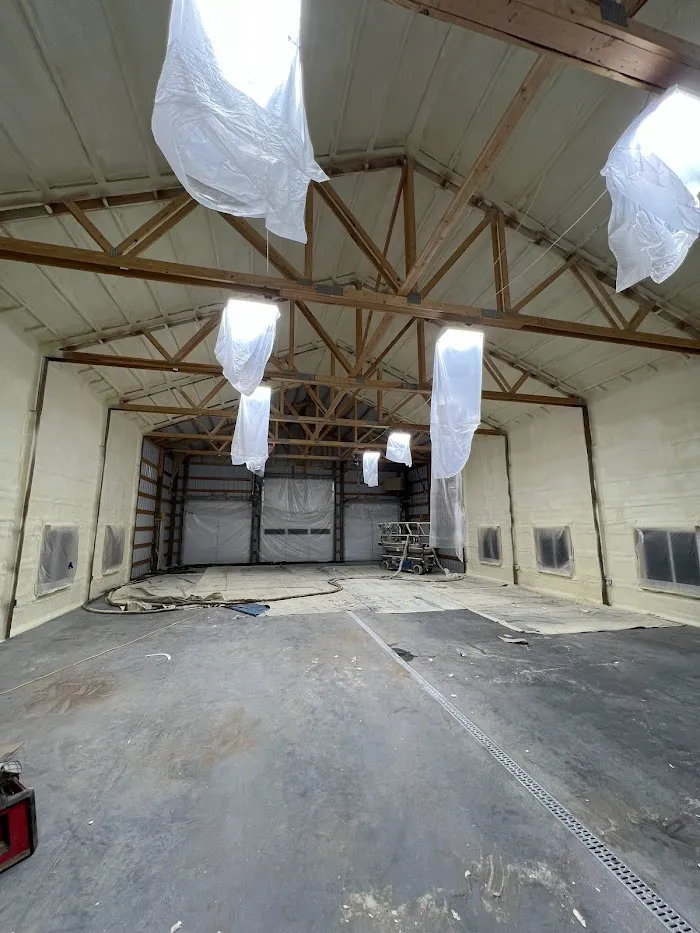
Before investing in closed-cell spray foam insulation for your Fort Hall property, several factors warrant careful consideration. The age and condition of your existing structure significantly impact both cost and performance expectations. Buildings constructed before 1990 may require additional preparation, including asbestos testing and removal in some cases.
Your property’s specific location within Fort Hall affects installation requirements. Areas closer to the Snake River may have different moisture considerations than properties in the eastern sections of town. The orientation of your building and exposure to prevailing winds also influence insulation needs and potential cost savings.
Conducting a professional energy audit before installation helps identify specific problem areas in your Fort Hall property. This approach ensures the insulation investment addresses the most critical issues first, maximizing return on investment.
The decision to invest in closed-cell insulation requires careful consideration of your property’s specific needs, budget constraints, and long-term goals. Fort Hall’s climate makes quality insulation particularly valuable, but the right solution varies based on building age, construction type, and energy use patterns. Start with a professional assessment to determine whether closed-cell foam addresses your most significant energy loss points.
Evaluate your current energy bills and comfort issues to establish baseline expectations. Consider the payback period in relation to how long you plan to own the property. For Fort Hall property owners planning to stay 5+ years, closed-cell insulation typically delivers strong returns through reduced energy costs and improved comfort.
High Country Solution provides comprehensive assessments for Fort Hall properties considering closed-cell insulation. Contact the team at [email protected] or call (307) 248-9063 to schedule a detailed evaluation of your specific insulation needs. The company can analyze your current energy usage, identify problem areas, and provide detailed cost-benefit projections based on Fort Hall’s local climate conditions and energy rates.
Professional installation ensures your insulation investment delivers the maximum possible return. Certified technicians understand Fort Hall’s unique environmental challenges and know how to prepare surfaces, apply materials correctly, and address the specific moisture and air sealing needs of buildings in southeastern Idaho.
Spring and fall offer ideal installation conditions in Fort Hall, with moderate temperatures allowing proper foam curing. Summer installations require temperature management, while winter installations need specialized heating equipment to maintain application temperatures.
Properties with properly installed closed-cell insulation typically see increased market values of 5-10% in the Fort Hall area, particularly given rising energy costs and growing awareness of energy efficiency among homebuyers.
Fort Hall follows Idaho state building codes with some local amendments. All foam insulation must meet fire safety requirements, and proper vapor barriers must be installed according to local climate conditions, particularly for below-grade applications.
Yes, closed-cell foam significantly reduces air infiltration, which helps minimize dust entry from outside. This benefit is particularly valuable in Fort Hall’s agricultural areas, where dust and pollen can be problematic.
Professional installers typically offer 10-25-year warranties on closed-cell foam installations in Fort Hall. Warranties should explicitly cover both material defects and installation errors, with special attention to moisture-related issues common in the region.