Why ventilation is a critical partner to your insulation system in Idaho Falls, ID
Ventilation and insulation work as an essential team in Idaho Falls homes, where insulation keeps heat in during winter and…


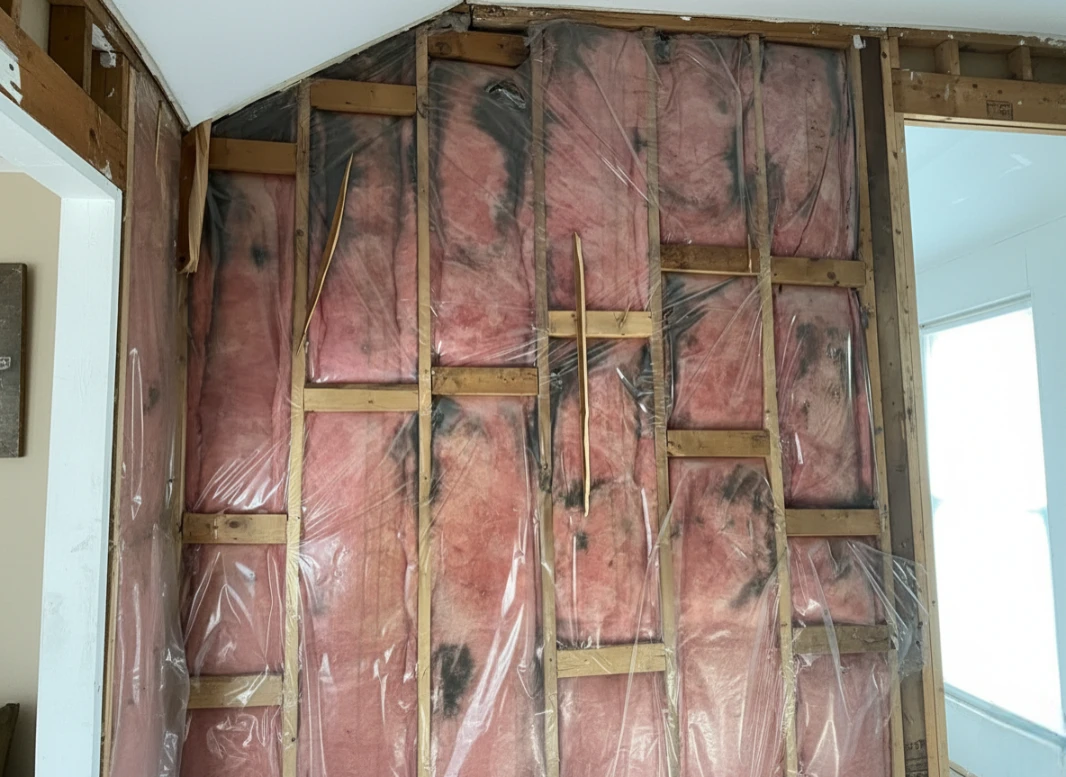
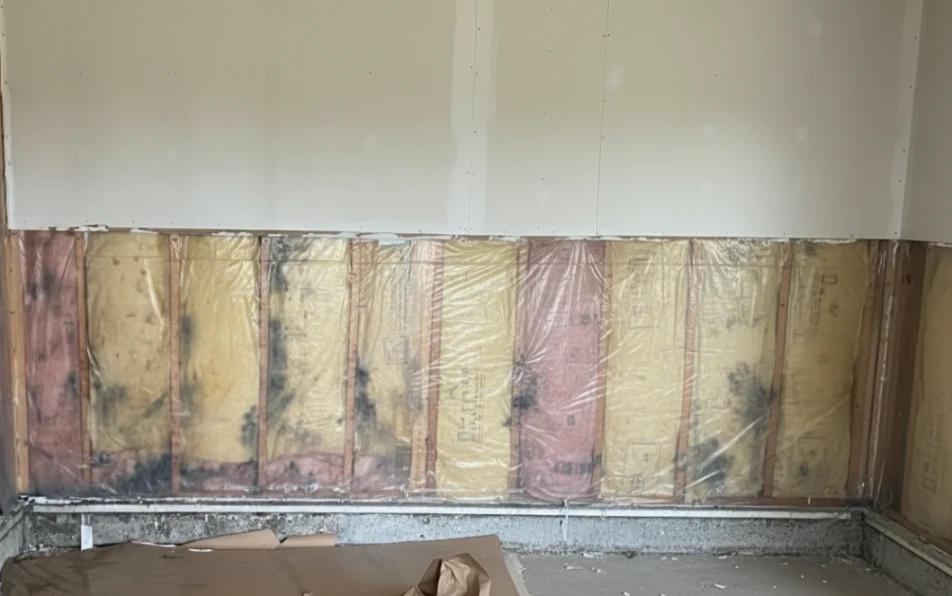
Black stains on fiberglass insulation typically indicate mold growth caused by moisture intrusion. The immediate response should be to stop what you’re doing, avoid disturbing the material, identify and fix the moisture source, then safely remove and replace the affected insulation. This situation requires prompt attention because mold can spread quickly and may pose health risks if left untreated. The following guidance provides a complete approach to handling this common but serious home maintenance issue.
Black stains on insulation don’t appear randomly. They’re almost always associated with moisture problems that create ideal conditions for mold growth. Common causes include roof leaks, inadequate ventilation, high humidity levels, or plumbing issues. The stains might appear as small spots or extensive patches covering large areas of insulation. Sometimes the discoloration appears darker around joists or rafters where moisture accumulates more easily. Understanding the underlying cause is essential because replacing insulation without fixing the moisture problem will only result in the same issue recurring.
The type of black staining matters too. While most black discoloration on insulation indicates mold, some stains might be from dirt, soot, or other airborne particles settling on the material. True mold typically has a fuzzy or slimy appearance when viewed up close, while dirt stains look more like surface discoloration. High Country Solutions professionals recommend never touching the material with bare hands to avoid potential exposure to mold spores.
Mold exposure can trigger allergic reactions, respiratory issues, and other health problems, especially in sensitive individuals. Before attempting any inspection or removal, proper personal protective equipment is necessary. This includes N95 respirators, gloves rated for chemical and biological protection, safety goggles, and disposable coveralls. The work area should be isolated from the rest of the house using plastic sheeting to prevent spore contamination of living spaces.
Children, elderly individuals, and those with compromised immune systems should not be in the home during removal activities. If the affected area exceeds 10 square feet, the Environmental Protection Agency recommends hiring professional mold remediation specialists. According to the EPA’s guide to mold remediation, larger infestations require specialized containment procedures and equipment that most homeowners lack.
The removal process follows a specific sequence to prevent spreading mold spores throughout the home. First, turn off the HVAC system to avoid circulating spores. Next, double-bag the affected insulation while it’s still in place, carefully sealing each bag with duct tape. Remove the bags through the nearest exterior exit rather than through the living areas Department of Energy.
After removing the insulation, the surrounding area needs thorough cleaning. Hard surfaces like wood joists should be cleaned with a solution of one cup of bleach to one gallon of water or a commercial mold cleaner. Allow all surfaces to dry completely before proceeding. The area should remain isolated until air quality testing confirms safe levels if that step is part of your remediation plan.
Once the area is clean and completely dry, new insulation can be installed. This is also the perfect time to consider upgrading your insulation to current efficiency standards. Modern insulation products offer better R-values per inch than older materials, potentially reducing energy costs.
The replacement process varies depending on the insulation type. Batt insulation requires careful cutting to fit around joists and obstacles, while blown-in cellulose needs specialized equipment for proper installation. Regardless of type, ensure you achieve the recommended R-value for your climate zone. The Department of Energy’s insulation recommendations provide specific guidance based on geographic location.
Understanding moisture sources helps prevent future mold issues. Here are frequent culprits:
Climate plays a significant role, too. In humid regions, even small temperature differences can cause condensation that leads to mold. Homes in cold climates face ice dam issues that force water under shingles. Your prevention strategy should address the specific challenges of your local climate.
| Factor | What to Evaluate | Why It Matters |
|---|---|---|
| Extent of Staining | Small patch vs. widespread contamination | Large areas may require professional remediation |
| Underlying Cause | Identified the leak source vs. the unknown moisture issue | Without fixing the cause, mold will return |
| Personal Health | Family members with respiratory issues | Health risks may outweigh DIY savings |
| Budget Constraints | Cost of professional service vs. materials alone | Improper removal can lead to more expensive problems later |
| Time Investment | Hours required for proper remediation | Rushing the job often leads to incomplete removal |
Stopping mold before it starts saves money and health concerns. Regular attic inspections, especially after severe weather, can catch issues early. Ensure proper ventilation with intake and exhaust vents balanced for your attic size. Address any roof problems immediately, no matter how minor they seem. Maintain indoor humidity between 30-50% using dehumidifiers if necessary. Seal all air leaks between living spaces and the attic to prevent moisture migration.
Properly functioning exhaust fans in bathrooms and kitchens are essential. They should vent directly outdoors, never into the attic. Consider installing humidity sensors in problem areas to monitor conditions continuously. In regions with high snowfall, ice dam prevention measures like proper attic insulation and ventilation can protect against water intrusion.
Never paint over moldy insulation, hoping to seal it in; this traps moisture and worsens the problem. When disposing of contaminated insulation, check local regulations, as some areas classify it as hazardous waste. Document the issue with photos before beginning removal, as insurance may cover the damage if the cause is a sudden leak rather than gradual maintenance issues. Consider installing a moisture barrier in addition to replacing insulation, especially in crawl spaces where ground moisture is common.
Finding black stains on insulation indicates a problem that needs immediate attention, but it’s manageable with the right approach. Identify the moisture source first, protect yourself during removal, and ensure proper ventilation going forward. Document everything with photos and consider whether the scope warrants professional help based on your comfort level and health considerations. The investment in proper remediation prevents future issues and maintains your home’s value and air quality.
If you’re dealing with extensive black staining on insulation or prefer professional assistance, High Country Solutions can help evaluate your situation and provide appropriate remediation services. Contact: [email protected] or call (307) 248-9063 for an assessment of your mold and insulation concerns. Our team can handle everything from moisture source identification to proper insulation replacement, following all safety protocols.
Mold can begin growing on insulation within 24-48 hours of moisture exposure, depending on temperature and humidity conditions.
Yes. Mold spores can travel through air currents and HVAC systems, potentially contaminating other areas if proper containment procedures aren’t followed during removal.
Coverage depends on the cause. Insurance usually covers sudden accidental damage like pipe bursts but typically excludes gradual issues like poor ventilation or maintenance-related problems.
The recommended R-value varies by climate zone. Most attics need R-38 to R-60, with higher values required in colder regions. Check local building codes for specific requirements.
DIY replacement of a small area might take 4-6 hours, including cleanup. Professional jobs typically require 1-2 days, depending on contamination and drying time needed.