Why ventilation is a critical partner to your insulation system in Idaho Falls, ID
Ventilation and insulation work as an essential team in Idaho Falls homes, where insulation keeps heat in during winter and…


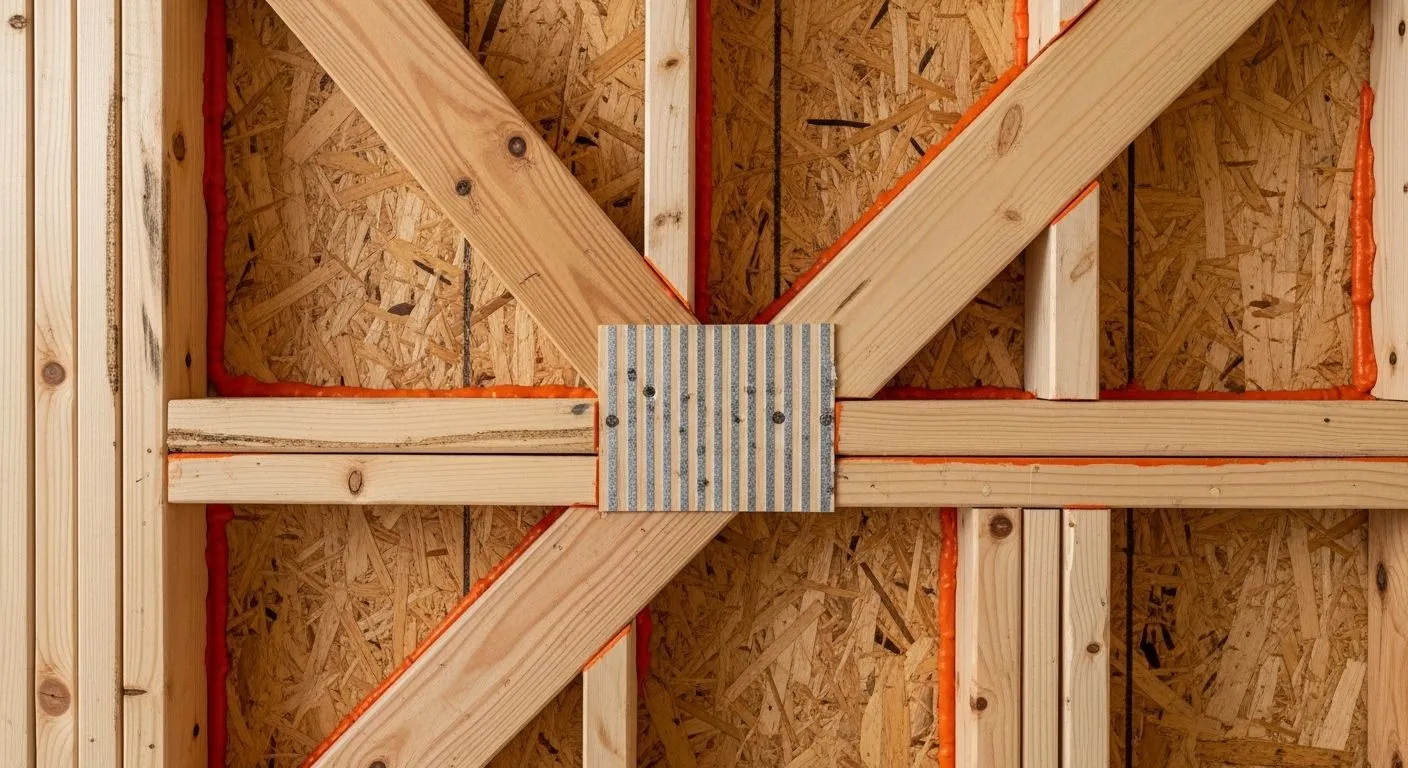
Air sealing protects valuable furniture by stabilizing the indoor climate and physically blocking harmful elements from entering a home. When a house has gaps and cracks in its building envelope, unconditioned outdoor air can leak in, causing rapid fluctuations in temperature and humidity. These fluctuations force wood, leather, and fabric to expand and contract repeatedly, leading to warping, cracking, and structural failure over time. Proper air sealing creates a consistent environment that preserves the integrity of materials and prevents damage from pests, dust, and mold.
High Country Solutions understands that maintaining a home involves more than just utility savings; it involves preserving the contents within that home. Effective air sealing addresses the root cause of environmental damage to heirlooms and investment pieces. By stopping air leaks, homeowners gain control over the indoor atmosphere, effectively extending the lifespan of antique tables, leather sofas, and hardwood cabinetry.
Wood is a hygroscopic material, meaning it absorbs and releases moisture based on the surrounding air. When a home is not properly sealed, the indoor relative humidity (RH) swings wildly with the weather. In winter, cold, dry air infiltrates the home, dropping humidity levels dangerously low. In summer, humid air seeps in, raising moisture levels.
These constant changes cause wood fibers to swell and shrink. Over time, this movement loosens joints, splits veneers, and cracks solid wood surfaces. A stable environment is the only defense against this physical stress. According to the National Park Service, maintaining a stable relative humidity is the single most effective method for preserving wooden objects.
| Relative Humidity (RH) | Impact on Wood Furniture | Impact on Upholstery & Leather |
|---|---|---|
| Low (< 30%) | Shrinkage, cracking, splitting, loose joints, brittle glues. | Leather dries and cracks; fabrics become brittle and static-charged. |
| Ideal (35% – 50%) | Stable dimensions, preserved finish, tight joints. | Materials remain flexible; reduced risk of mold or desiccation. |
| High (> 60%) | Swelling, warping, stuck drawers, potential for rot. | Mold and mildew growth; potential for pest attraction (silverfish). |
Note: Data derived from general conservation standards.
Maintaining humidity between 35% and 50% is the standard recommendation for furniture preservation. Air sealing stops the “stack effect” where warm air rises and escapes through the attic, pulling in unconditioned air from the basement or crawlspace which is the primary driver of these humidity swings.
Gaps in the building envelope act as open doors for pests that damage furniture. Mice, silverfish, carpet beetles, and termites often enter homes through small cracks around foundations, windows, and utility penetrations. Once inside, these pests target organic materials found in high-quality furniture.
Sealing these entry points is a primary defense. Information from Energy Star indicates that sealing air leaks is a fundamental step in comprehensive pest management, physically barring access to the home’s interior.
Air leaks bring in more than just temperature changes; they introduce outdoor pollutants. Dust, pollen, and industrial particulates infiltrate through gaps in the walls and attic. This dust is not merely an aesthetic nuisance; it is abrasive. When dust settles on fine wood finishes or works its way into fabric weaves, it acts like microscopic sandpaper.
Regular cleaning removes some of this, but preventing the infiltration is far more effective. A study on indoor environments by the EPA highlights that source control keeping pollutants out—is superior to trying to clean them up after they enter. Air sealing drastically reduces the amount of outdoor particulate matter that settles on furniture finishes.
Bonus Tip: After air sealing, upgrade your HVAC filter. With fewer pollutants leaking in from outside, a high-quality filter will effectively scrub the recirculated air, keeping furniture dust-free for longer periods.
Before moving forward with a comprehensive air sealing project to protect your belongings, evaluate these factors:
Protecting furniture goes beyond polish and covers. It requires managing the physics of the home. Air sealing provides a permanent modification to the building that stabilizes the environment.
Bonus Tip: Keep furniture away from exterior walls in older homes. Even with air sealing, exterior walls fluctuate in temperature more than interior partition walls. Placing a valuable antique cabinet against an interior wall provides an extra buffer against thermal bridging.
Air sealing blocks entry points for swarming termites and other pests, significantly reducing the risk. However, it does not treat active infestations or prevent termites from tunneling up from the soil through the foundation.
Signs include wood joints becoming loose in winter, drawers sticking in summer, or fine cracks appearing in the veneer or finish. These symptoms indicate the wood is expanding and contracting due to humidity instability caused by air leaks.
No. Air sealing controls temperature and humidity. UV damage comes from light entering through glass. You need UV-blocking window films or curtains to prevent sun-fading on fabrics and wood.
Yes. By stopping cold, dry winter air from leaking in, your home retains its internal moisture better. This often reduces the workload on humidifiers and makes it easier to maintain the 35-50% humidity sweet spot.
Air sealing creates the stable, controlled environment necessary for the long-term preservation of furniture. It prevents the humidity fluctuations that crack wood, blocks the entry of destructive pests, and reduces abrasive dust accumulation. Homeowners who prioritize air sealing effectively lock out the variables that degrade valuable investments over time. Evaluate your home’s envelope today to ensure your furnishings remain in pristine condition for future generations.
For professional assistance in assessing your home’s air leakage and protecting your interior environment, contact High Country Solutions.