How to determine the R-value needed for your residential insulation
Determining the right R-value for your home insulation depends primarily on your climate zone, the area of your house you’re…


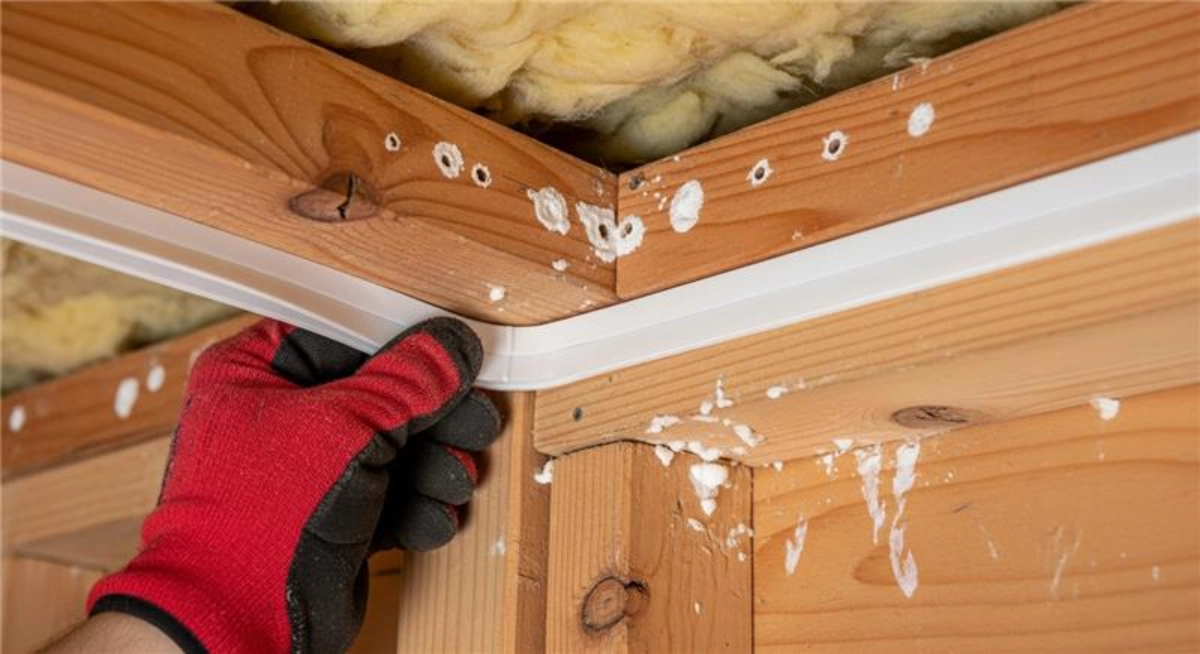
Air sealing solves the problem of uncomfortable upstairs bedrooms by physically blocking airflow between the living space and the attic. While many homeowners assume adding more insulation is the fix for a hot second floor, the primary culprit is usually air leakage. By sealing gaps around light fixtures, plumbing vents, and wall plates on the attic floor, you prevent conditioned air from escaping and unconditioned attic air from being drawn into the bedrooms. This process stabilizes the indoor temperature and allows the HVAC system to satisfy the thermostat setting without running continuously.
High Country Solutions frequently identifies the “stack effect” as the root cause of these temperature imbalances. When a home is not properly sealed, it acts like a chimney. In winter, warm air rises and escapes through attic cracks, sucking cold air in from the basement. In summer, the reverse happens, and superheated attic air pushes down into the bedrooms. Stopping this airflow is the only way to gain control over the upstairs climate.
To fix a bedroom that is boiling in July and freezing in January, you must understand the physics driving the discomfort. The dynamic responsible for this is called the stack effect. Air moves based on pressure and temperature differences. In a multi-story home, the upstairs ceiling acts as the primary boundary between the controlled climate inside and the extreme temperatures of the attic.
When this boundary has holes, even small ones like wire penetrations, air moves freely across it. A report from the Department of Energy indicates that reducing these air leaks is often the most cost-effective way to improve energy efficiency and comfort. Without sealing these leaks, the air you pay to heat or cool simply migrates out of the structure, leaving the upstairs rooms at the mercy of the weather outside.
Homeowners often make the mistake of adding layers of fiberglass insulation to the attic without first sealing air leaks. Fiberglass works like a wool sweater; it holds heat in, but wind blows right through it. Air sealing is the windbreaker. If you wear a wool sweater on a windy day without a shell, you will still get cold. Similarly, if you pile insulation over air leaks, the air will just filter through the insulation material.
Finding the leaks requires looking at the attic floor as a map of the rooms below. The largest leaks often occur at interior walls and fixtures.
Bonus Tip: Check the attic access hatch first. If the door to the attic is not weatherstripped and insulated, it acts like an open window. Treating this hatch is often the fastest way to see a slight improvement.
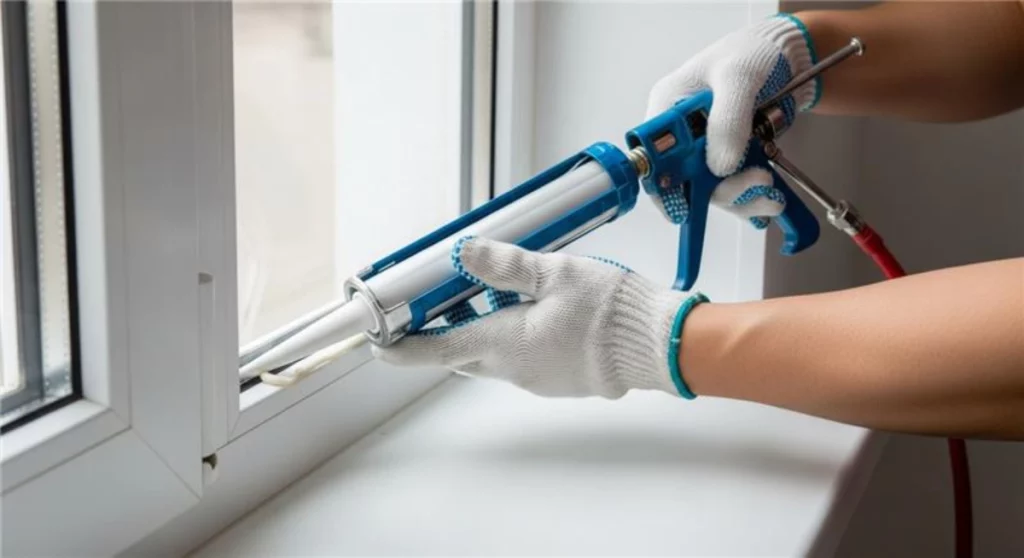
Different leaks require different materials for a permanent seal. Using the wrong product can cause cracks to reopen as the house shifts or expands with seasonal changes.
| Material Type | Best Application | Pros | Cons |
|---|---|---|---|
| Spray Foam (One-Part) | Plumbing penetrations, wire holes, and small gaps around light boxes. | Expands to fill irregular shapes; creates an airtight bond. | Can be messy; requires curing time; distinct odor during application. |
| Caulk (Silicone/Acrylic) | Top plates, thin cracks, flat surfaces. | Easy to apply; inexpensive; good for long, straight lines. | Does not fill large gaps; can shrink over time if low quality. |
| Rigid Foam Board | Large openings (soffit drops), attic hatches, kneewalls. | Covers big holes; provides insulation value (R-value). | Requires cutting and fitting; must be sealed at edges with foam. |
| Flashing/Sheet Metal | Around hot flues (chimneys, furnace vents). | Fire-resistant; safe for high-heat areas. | Does not insulate; requires mechanical fastening (nails/staples). |
Air sealing does more than just even out the temperature; it saves the mechanical systems in the home. When upstairs bedrooms are leaking air, the HVAC system runs longer cycles to try to reach the set temperature. This constant running increases wear and tear on blower motors and compressors.
According to data published by Energy Star, properly sealing and insulating a home can save an average of 15% on heating and cooling costs. This reduction in load means the equipment lasts longer and requires fewer repairs. By keeping the conditioned air inside, the system satisfies the thermostat faster and shuts off, giving the machinery a break.
Before committing to a full attic air-sealing project, evaluate the home’s current ventilation and access.
Existing Insulation Condition If the attic is already filled with loose-fill fiberglass or cellulose, it will need to be moved to reach the top plates and wire penetrations. This adds labor time and complexity. In some cases, the old insulation is contaminated with dust or rodent debris and may need to be removed before sealing can begin.
Ventilation Balance Tightening up a house changes how it breathes. While older homes are often too leaky, it is possible to seal a house so tightly that moisture gets trapped inside. Mechanical ventilation, such as an energy recovery ventilator (ERV), might be required if the natural airflow is reduced too much. A study by the Building Science Corporation explains that balancing air sealing with proper roof ventilation is required to prevent moisture buildup in the roof deck.
Accessibility Some attics have very low pitches, making it physically difficult to reach the outer edges (eaves) where the top plates meet the roof. If the space is too tight for a worker to crawl, sealing those specific perimeter leaks might not be feasible without removing the roof decking or soffits.
Bonus Tip: Look for dirty fiberglass. If you see insulation that looks black or gray compared to the surrounding material, it is acting as a filter for air moving through a leak. Dig there first.
Yes, ambitious homeowners can perform air sealing. However, it is labor-intensive, requires working in tight, uncomfortable spaces, and involves identifying obscure leak points. Safety gear, including respirators and protective suits, is required to avoid inhaling insulation fibers or dust.
For an average 2,000-square-foot home, a professional crew typically completes the air sealing and insulation replacement in one to two days. DIY projects often take significantly longer due to the physical difficulty of moving insulation manually.
Yes. Air carries sound waves. By closing the physical gaps in the attic floor, you reduce the transmission of outside noises, such as traffic or wind, making the upstairs bedrooms quieter.
A blower door test is a diagnostic tool used to measure the airtightness of a building. A powerful fan mounts into an exterior door frame to depressurize the house, exaggerating air leaks so they can be located and measured. This verifies the effectiveness of the sealing work.
Air sealing tackles the source of upstairs discomfort by establishing a consistent pressure boundary. It prevents the loss of expensive conditioned air and stops the infiltration of outside temperatures. While insulation provides a thermal barrier, air sealing provides the physical stop required for that insulation to perform correctly. Homeowners who prioritize sealing the attic floor see immediate improvements in bedroom comfort, reduced strain on HVAC equipment, and lower monthly energy bills.
Review the attic space, check the depth of the insulation, and look for the tell-tale signs of dirty insulation to determine if air leakage is the primary issue. Addressing these leaks ensures the home remains comfortable year-round.
Stop struggling with hot bedrooms in the summer and cold drafts in the winter. High Country Solutions provides expert air sealing services that get to the root of the problem. Our team identifies hidden leaks and creates a secure thermal boundary for your home.
Contact High Country Solutions today:
Secure your home’s comfort and efficiency now.