Why ventilation is a critical partner to your insulation system in Idaho Falls, ID
Ventilation and insulation work as an essential team in Idaho Falls homes, where insulation keeps heat in during winter and…


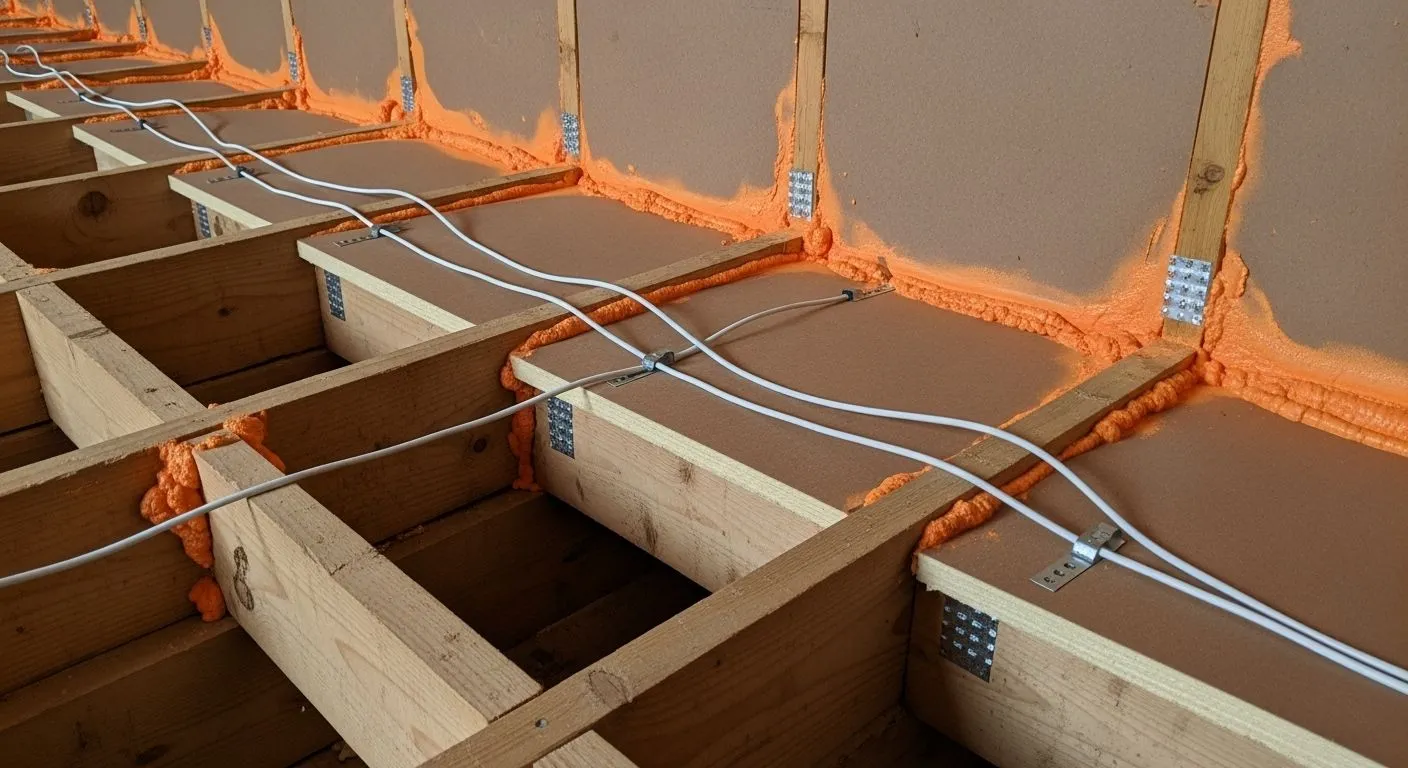
Air sealing prevents outdoor allergens from entering a home by closing the physical gaps, cracks, and holes in the building envelope that allow uncontrolled airflow. In Idaho Falls, where high winds and agricultural dust are common, these invisible bypasses act as highways for pollen, mold spores, and particulate matter. By eliminating these entry points, you force air to pass through your HVAC filtration system rather than leaking in through dirty wall cavities or attics, effectively securing the indoor environment against seasonal irritants.
Creating a continuous air barrier is the first line of defense for indoor air quality. While air purifiers and filters manage contaminants already inside, air sealing stops them at the source. This approach treats the cause rather than the symptom. For homeowners in the Snake River Plain, this means less sneezes during sagebrush season and fewer respiratory issues during the winter inversions.
The primary driver of air movement in most multi-story homes is the “stack effect.” Warm air rises and escapes through attic-floor leaks, creating a vacuum that pulls in cold, allergen-rich air through the basement or crawlspace. This constant cycle drags outdoor contaminants through the entire living space.
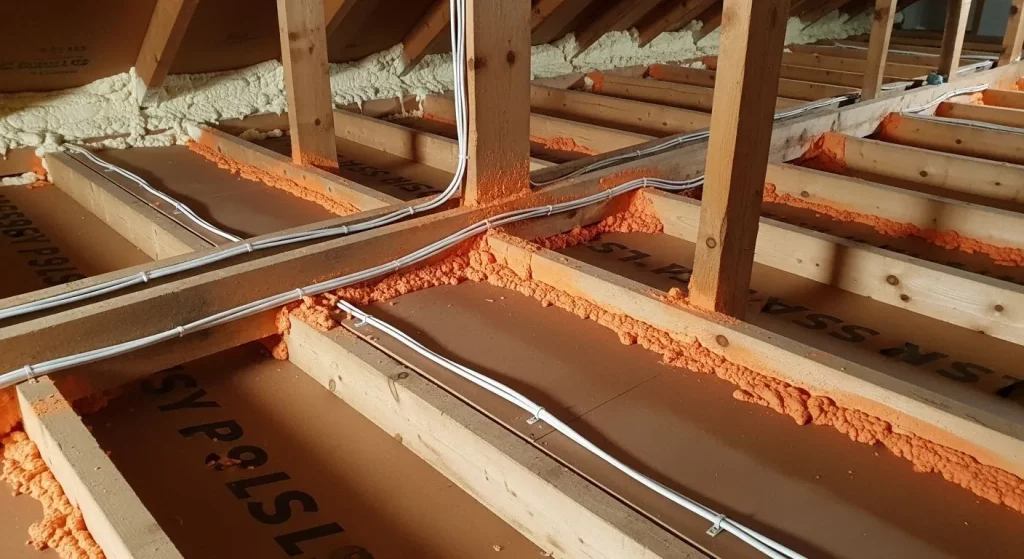
Sealing the attic floor stops this conveyor belt of airflow. Major bypasses often exist around recessed lighting, plumbing stacks, and chimney chases. Once these are closed, the house stops acting like a giant vacuum. This is particularly effective against light, airborne particles like cottonwood seeds and grass pollen that saturate the Idaho Falls area in late spring.
Idaho Falls is surrounded by active farmland. During planting and harvest seasons, soil disturbance sends massive amounts of dust and organic material into the air. If your home has leaky windows, door frames, or rim joists, this fine dust settles on furniture, carpets, and bedding.
Air sealing creates a physical block against this intrusion. Applying expanding foam to rim joists in the basement and caulk to window frames prevents these microscopic irritants from bypassing your walls. A study by the Department of Energy indicates that reducing air leakage is fundamental to controlling the entry of outdoor pollutants, including agricultural dust.
Mold needs moisture to grow, and air leaks are a primary source of unwanted moisture. When warm, moist indoor air leaks into a cold attic during an Idaho winter, it condenses on the roof sheathing. This creates a breeding ground for mold. Conversely, in the summer, hot, humid air leaking into a cooled home can cause condensation inside wall cavities.
By sealing these air paths, you regulate humidity levels and keep building materials dry. Preventing moisture accumulation denies mold spores the environment they need to colonize. This is vital for residents sensitive to mold, as spores hidden inside walls can circulate back into the living space through return ducts or electrical outlets.
Mice and insects are significant sources of allergens. Their waste, saliva, and decomposing bodies break down into proteins that trigger severe allergic reactions. These pests do not magically appear inside; they enter through specific holes in the building shell.
Small gaps around utility penetrations where pipes and wires enter the home provide entry points for pests. A mouse can squeeze through a hole the size of a dime. Air sealing involves filling these penetrations with steel wool and sealant or heavy-duty foam. Blocking their entry points reduces the biological load in the home’s air, directly benefiting those with asthma or severe allergies.
Before committing to a full air sealing project, evaluate the current state of your home’s ventilation. A home acts as a system. If you seal a house too tightly without accounting for fresh air exchange, you might trap indoor pollutants, such as volatile organic compounds (VOCs) and cooking fumes.
Many homes in Idaho Falls have fiberglass insulation in the attic. While effective for thermal retention, fiberglass sheds tiny glass fibers and dust that irritate the skin and lungs. If the ceiling drywall is not sealed against the attic, pressure differences can pull these fibers down into bedrooms and living areas.
Common leak sites include attic hatches (scuttle holes) and drop ceilings. Installing weatherstripping on attic hatches and sealing top plates keeps the insulation where it belongs. This separation ensures that the material keeping you warm isn’t also making you cough.
Bonus Tip: Replace standard attic hatch covers with insulated, gasketed covers to form a perfect seal that blocks both heat loss and insulation dust.
Your furnace filter works best when the air moves through the ducts as designed. Leaky return ducts, often located in attics or crawlspaces, pull in dirty air from unconditioned spaces, completely bypassing the filter. This means the air blowing out of your vents might carry crawlspace dust or attic debris.
Sealing the return and supply ducts using mastic paste or foil tape restores the integrity of the HVAC system. This forces all air to pass through the filter media, allowing high-efficiency filters (like MERV 11 or 13) to actually trap pollen and dander rather than getting overwhelmed by leaks. The Environmental Protection Agency states that controlling pollution sources and improving ventilation are the most effective ways to reduce indoor air pollution risks. Sealing the “shell” allows you to control the source.
| Leak Location | Primary Pollutant Risk | Sealing Method |
|---|---|---|
| Attic Hatch/Access | Insulation fibers, attic dust, hot air | Weatherstripping, rigid foam box, latch bolts |
| Basement Rim Joist | Soil gases, mold spores, and rodent access | Two-part spray foam, rigid foam board + caulk |
| Recessed Lights | Attic dust, insulation particles | Fire-rated caulk, airtight enclosure boxes |
| Window Frames | Pollen, agricultural dust, drafts | Acrylic latex caulk, low-expansion foam |
| Plumbing Penetrations | Pest dander, moist air (mold risk) | Expanding spray foam, steel wool fill |
Drafts do more than just make a room feel cold; they create air turbulence. In a drafty home, air moving rapidly across floors and surfaces kicks up dust mites and pet dander that had previously settled. This keeps allergens suspended in the breathing zone for extended periods.
Stopping drafts calms the interior air. By sealing baseboards, electrical outlets on exterior walls, and window trim, you reduce this turbulence. When the air is still, particles settle on the floor where they can be removed by vacuuming with a HEPA filter, rather than constantly swirling around your face.
Bonus Tip: Use foam gaskets behind the faceplates of electrical outlets and light switches on exterior walls. You can feel the cold air coming through these on a windy Idaho day.
While not a traditional “allergy,” wildfire smoke is a seasonal reality in the Mountain West. Smoke particles are incredibly small (PM2.5) and can penetrate the tiniest gaps. A tightly sealed home provides a sanctuary during smoke events. When the envelope is secure, you can run the HVAC system to recirculate and scrub the indoor air without constantly drawing in smoke from the outside.
The most reliable method is a blower door test performed by a professional. This test depressurizes the house, exaggerating leaks so they can be identified with infrared cameras or smoke pencils. It takes the guesswork out of the process.
It can if ventilation is ignored. Air sealing reduces the drying potential of wall cavities, so you must manage indoor humidity sources (like bath fans). However, sealing usually prevents moisture problems caused by humid air hitting cold surfaces.
Absolutely. The most effective air sealing occurs in the attic and the basement/crawlspace, which are usually accessible. You can also seal gaps around windows, doors, and trim without any demolition.
Once fully cured (usually within 24-48 hours), quality spray foam is inert. However, during application, occupants should leave the home. For those with extreme chemical sensitivities, alternative materials like caulk, gaskets, and rigid board insulation can be used instead.
No, they work together. Air sealing stops new contaminants from entering. Air purifiers remove contaminants generated indoors (such as cooking smoke or pet dander). Sealing makes the purifier more efficient because it isn’t fighting a constant influx of outdoor dirty air.
Controlling seasonal allergies in Idaho Falls starts with improving the air quality in your home. You cannot filter air effectively if your house is constantly leaking. By systematically sealing gaps in attics, basements, and exterior walls, you create a barrier against pollen, dust, mold, and pests. This process transforms the home from a sieve into a shelter, allowing ventilation systems to function as intended. Homeowners should assess their specific leakage points and ventilation needs to create a healthier, more comfortable living environment for the long term.
Your home should be a safe haven from seasonal allergies. High Country Solutions specializes in identifying and sealing the hidden bypasses that compromise your indoor air quality. Contact the team today at (307) 248-9063 or email [email protected] to discuss how a tighter home envelope can improve your health and comfort.