Wall Insulation vs Residential Insulation Scope Comparison in Alpine, WY
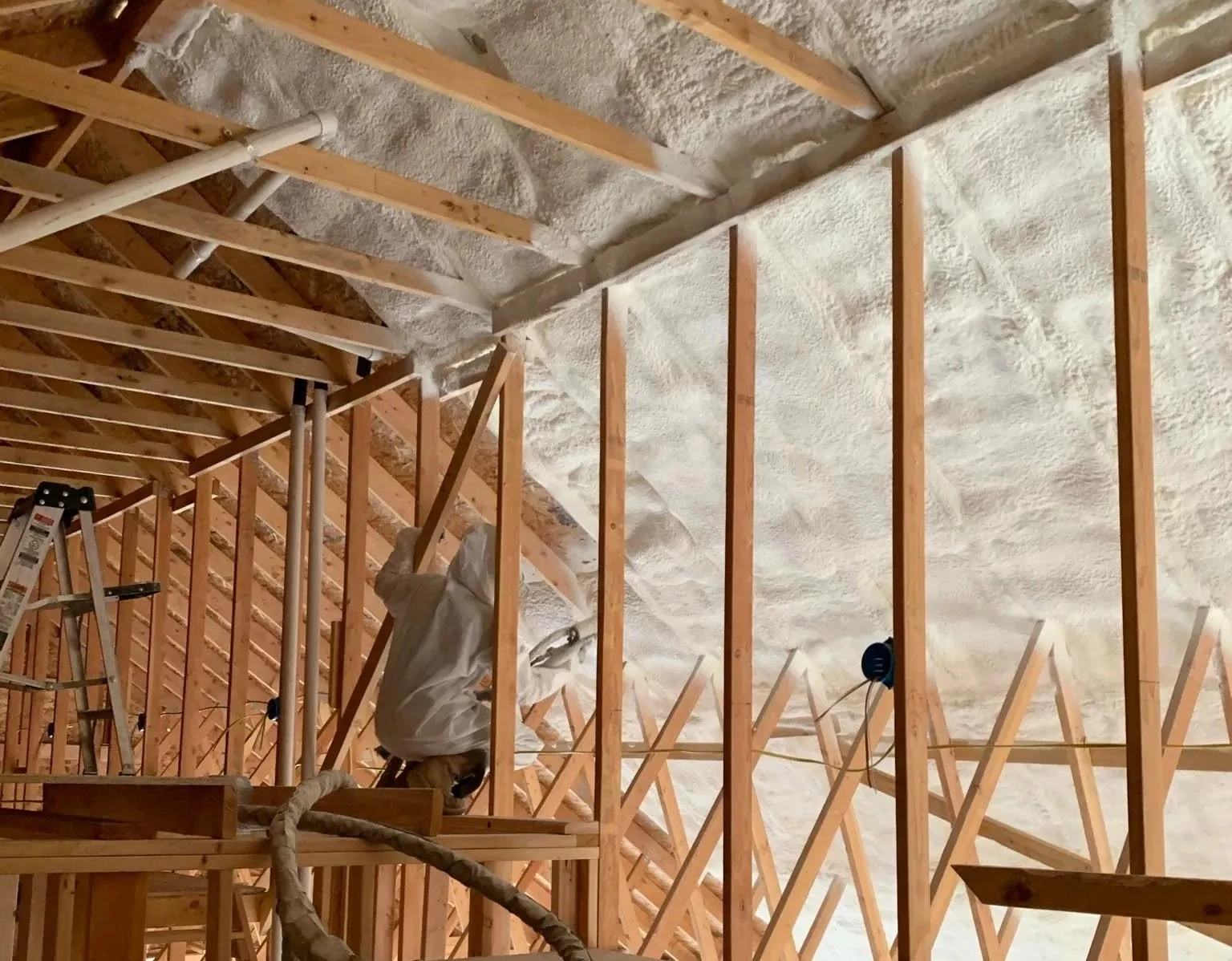
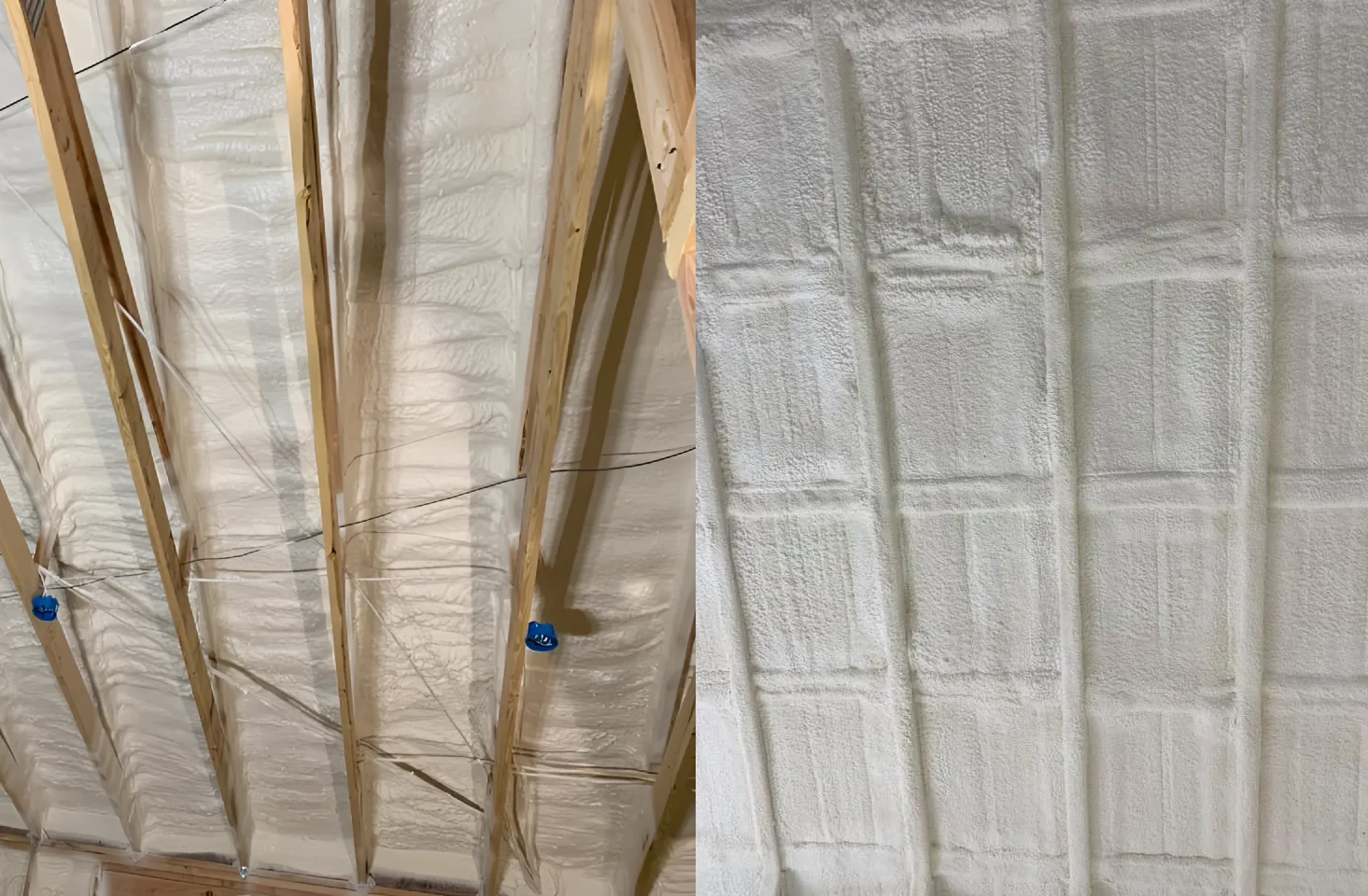
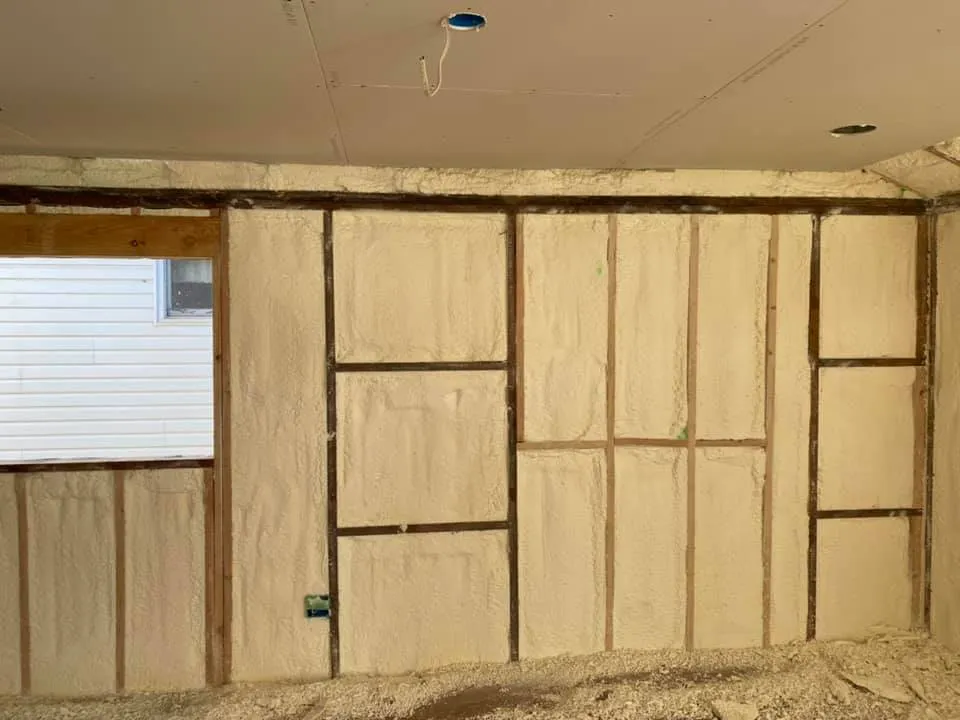
Wall insulation targets a single building envelope component, while residential insulation covers the full home envelope, including walls, attic, crawl…


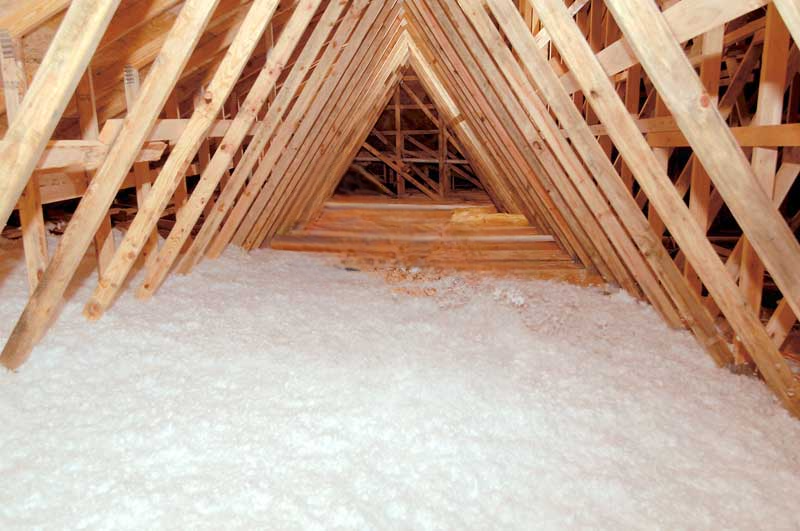
Blown-in insulation is often the smartest insulation upgrade for homes and buildings in Alpine, Wyoming, particularly when you need to insulate attics, existing wall cavities, or irregular spaces where traditional batts and rolls cannot reach. In a region where winter temperatures regularly plunge well below freezing and heating costs dominate utility budgets, the ability of blown-in materials to fill gaps, seal air leaks, and deliver high R-values per inch makes it a strong candidate for maximum energy efficiency. The right choice depends on your building type, existing insulation conditions, budget, and whether you prioritize retrofit accessibility, thermal performance, or long-term moisture resistance.
Alpine sits in Lincoln County, Wyoming, at an elevation of approximately 5,600 feet in the Snake River Valley near the Palisades Reservoir. The town experiences long, harsh winters with average January lows in the single digits and heating degree days that rank among the highest in the lower 48 states. Heating your home is not optional for roughly seven to eight months of the year, and every gap in your thermal envelope translates directly into wasted energy dollars.
According to the Insulation Institute, Wyoming buildings fall under IECC Climate Zones 6 and 7, which carry some of the most demanding insulation requirements in the country. Minimum ceiling insulation in these zones starts at R-49, with walls requiring R-20 or more depending on framing type. Many older homes in Alpine were built with far less insulation than current standards recommend, which means most properties have significant room for improvement.
Blown-in insulation addresses this gap efficiently because it can be installed over existing materials without tearing down walls or removing roof decking. For homeowners and property managers dealing with aging structures, this retrofit-friendly approach is often the deciding factor.
Understanding how blown-in insulation compares to other common options helps clarify when it is the right call. The table below breaks down the most relevant factors for Alpine properties.
| Insulation Type | R-Value Per Inch | Best Application | Installation Complexity | Typical Cost (Installed) |
|---|---|---|---|---|
| Blown-In Cellulose | R-3.2 to R-3.8 | Attics, wall cavities, irregular spaces | Moderate (requires blowing equipment) | $1.00 – $1.80 per sq ft |
| Blown-In Fiberglass | R-2.2 to R-2.9 | Attics, open floor cavities | Moderate (requires blowing equipment) | $0.80 – $1.50 per sq ft |
| Fiberglass Batts | R-2.9 to R-3.8 | New construction, standard stud cavities | Low to moderate | $0.50 – $1.20 per sq ft |
| Spray Foam (Open Cell) | R-3.5 to R-3.7 | Walls, ceilings, complex framing | High (professional only) | $1.50 – $3.00 per sq ft |
| Spray Foam (Closed Cell) | R-6.0 to R-7.0 | Basements, crawlspaces, rim joists | High (professional only) | $2.00 – $4.50 per sq ft |
Based on data from SolarTech Online and Stellrr Insulation, cellulose consistently outperforms fiberglass in R-value per inch and air sealing, making it the stronger choice for cold climates where every point of thermal resistance counts.
Blown-in insulation is not universally the best option, but it stands out in several specific scenarios common to Alpine properties.
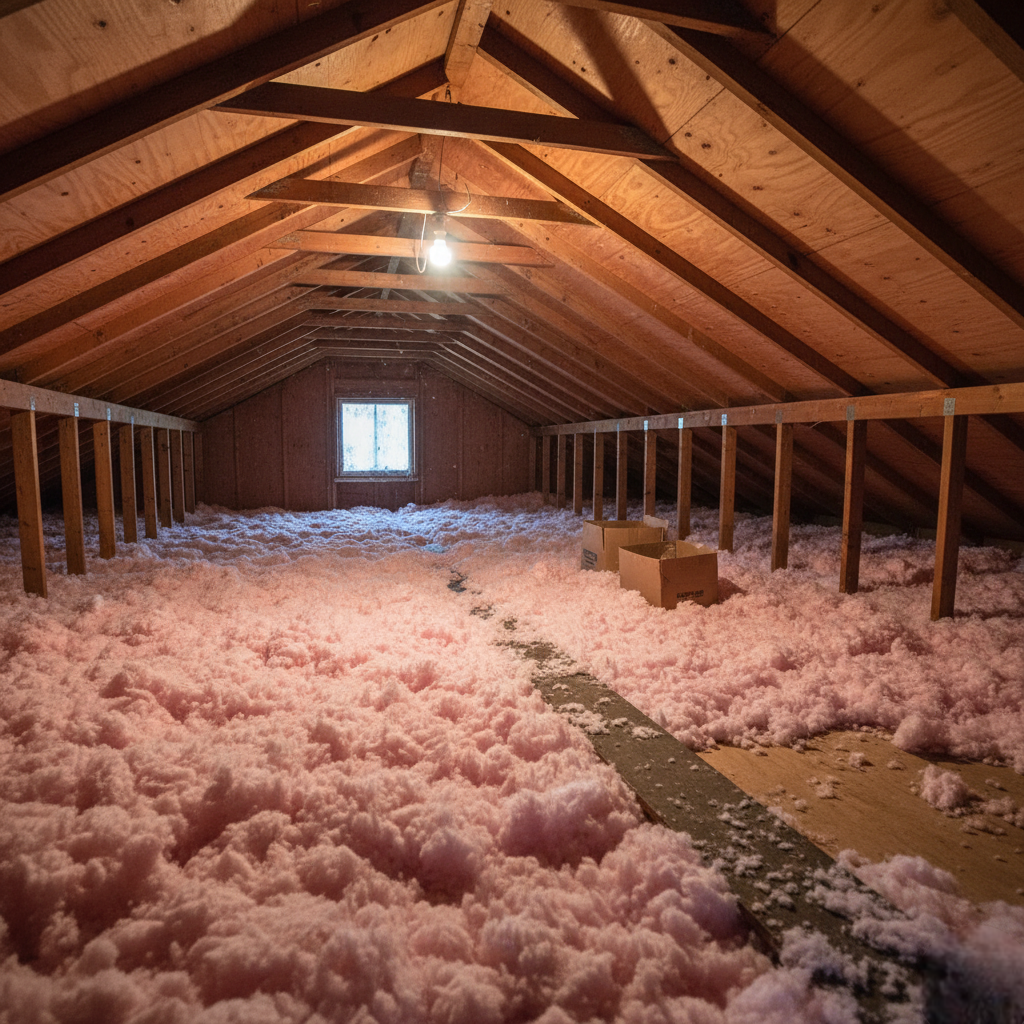
If your home was built before 1990, there is a strong chance your attic has R-11 to R-19 insulation, well below the R-49 minimum for Climate Zones 6 and 7. Blown-in insulation can be layered directly over existing material to bring you up to code without removing anything. This alone can cut heating costs by 20% to 30% in homes with severely under-insulated attics.
Alpine homes with vaulted ceilings, truss systems, knee walls, or HVAC equipment in the attic create framing patterns that are nearly impossible to insulate effectively with batts. Blown-in material flows around obstructions and self-levels to create a consistent thermal blanket across the entire attic floor.
Drilling small access holes and blowing cellulose or fiberglass into closed wall cavities is one of the few practical ways to insulate existing walls without gutting the interior. Cellulose is particularly effective here because it packs densely, reducing convective air movement within the cavity.
Blown-in cellulose has notable sound-dampening qualities, which is beneficial for homes near Highway 89, commercial areas, or multi-family buildings in Alpine’s denser neighborhoods.
This is the decision most Alpine homeowners face, and the comparison comes down to four practical factors.
R-Value and Thermal Performance: Cellulose delivers 15% to 30% higher R-value per inch compared to fiberglass. In Climate Zones 6 and 7, that difference means you need less total depth to hit your target R-value, which matters in attics with limited clearance.
Air Sealing: Cellulose is denser and fills gaps more completely than fiberglass, reducing air infiltration through the insulation layer itself. Fiberglass allows more air movement, which lowers its effective R-value in real-world conditions.
Moisture Resistance: Fiberglass does not absorb moisture, which gives it an advantage in areas prone to condensation or minor leaks. Cellulose is treated with borate fire retardants that also resist mold and pests, but it can hold moisture if exposed to prolonged dampness.
Fire Safety: Both materials are fire-resistant. Cellulose is heavily treated with borates and actually performs well in fire tests, often achieving a Class 1 fire rating. Fiberglass is inherently noncombustible since it is made from glass fibers.
Cost: Fiberglass is typically 10% to 25% cheaper per square foot than cellulose, but cellulose’s higher R-value per inch can offset this cost difference by requiring less material to achieve the same thermal performance.
For most Alpine homeowners prioritizing energy efficiency, cellulose is the better choice despite the slightly higher upfront cost. The higher R-value and superior air sealing deliver stronger performance in extreme cold, which is exactly the condition Alpine properties face for most of the year.
| Property Type | Insulation Challenge | Blown-In Material Used | Estimated Investment | Expected Outcome |
|---|---|---|---|---|
| 1970s single-family home, 1,400 sq ft attic | Attic has R-11 fiberglass batts, significant air leakage | Cellulose blown to R-49 over existing batts | $1,800 – $2,500 | 25-35% reduction in winter heating bills |
| 1990s log cabin, vaulted ceilings | Irregular framing, knee walls, minimal existing insulation | Blown-in fiberglass for tight cavities, dense-pack cellulose for knee walls | $3,200 – $4,800 | Improved comfort, reduced drafts, 15-20% energy savings |
| Multi-family rental, 4 units, flat roof attic | Zero attic insulation, tenant complaints about cold | Cellulose blown to R-60 | $4,500 – $6,500 | Faster rent-up, reduced vacancy, 30-40% heating cost reduction |
| 1965 ranch home, 2×4 walls | No wall insulation, ice dams forming on roof | Dense-pack cellulose in wall cavities via drilled holes | $2,800 – $4,200 | Elimination of ice dams, warmer interior walls, 15-25% savings |
Choosing the right installer matters as much as choosing the right material. Poor installation can reduce effective R-value by 20% to 40%, even with quality materials.
Questions to ask before hiring:
Skipping air sealing before installation. Blown-in insulation is not an air barrier. If you blow cellulose or fiberglass over gaps, cracks, and penetrations, air will still leak through, carrying heat with it. Air sealing should always happen first.
Using fiberglass in walls without dense-packing. Loose fiberglass in wall cavities can settle and leave gaps at the top of the cavity. Dense-pack cellulose is generally the better choice for closed wall cavities.
Ignoring ventilation requirements in the attic. Adding insulation without maintaining proper attic ventilation can trap moisture and cause condensation, rot, and mold. Your contractor should verify that soffit vents, ridge vents, or powered ventilation are adequate for the new insulation depth.
Under-insulating to save money. Bringing your attic from R-11 to R-30 helps, but stopping short of the R-49 to R-60 recommended for Climate Zones 6 and 7 leaves significant savings on the table. Plan for the full recommended depth.
Failing to insulate basement rim joists and crawlspaces. These areas are major sources of heat loss in Alpine homes. Rim joists, in particular, benefit from rigid foam or spray foam rather than blown-in material, but they should not be overlooked.
| Property Type | Recommended Approach | Why It Fits |
|---|---|---|
| Pre-1980s single-family homes | Blown-in cellulose over existing attic insulation, dense-pack walls | Maximizes R-value, fills voids, cost-effective retrofit |
| New construction | Batts or blown-in in combination with rigid foam sheathing | Allows precise R-value control during build phase |
| Log homes and cabins | Blown-in fiberglass for tight cavities, careful moisture management | Fiberglass handles moisture better in log structures prone to settling |
| Multi-family and rental properties | Cellulose blown to R-60 in attics | Fastest ROI, reduces tenant complaints, lowers operating costs |
| Commercial buildings | Consult energy auditor for code compliance | Commercial codes differ, may require specific assemblies |
Comparison Bar Chart: “R-Value Per Inch Across Insulation Types for Cold Climate Performance.” Four bars comparing blown-in cellulose (R-3.5), blown-in fiberglass (R-2.5), fiberglass batts (R-3.2), and closed-cell spray foam (R-6.5). This visual would help homeowners quickly understand the thermal performance differences without needing to interpret the numbers in a table.
Upgrading your insulation is one of the highest-return investments you can make in an Alpine home or commercial building, but getting the details right, from material selection and R-value targeting to air sealing and ventilation, requires experience with Wyoming’s demanding climate conditions. High Country Solutions provides expert blown-in insulation services tailored to the specific needs of Alpine and surrounding Lincoln County properties. Our team evaluates your building’s current thermal envelope, recommends the right material and depth for your situation, and installs it to perform for decades.
Call us at (307) 248-9063 or email [email protected] to get started. The sooner you address your insulation gaps, the sooner you stop paying for heat that escapes through your attic and walls.
For Climate Zones 6 and 7, Energy Star recommends R-49 to R-60 for uninsulated attics and R-38 to R-49 if you already have 3 to 4 inches of existing insulation. With cellulose at approximately R-3.5 per inch, reaching R-49 requires roughly 14 inches of settled depth.
Yes, blown-in cellulose and fiberglass can be installed during winter months in Wyoming. Professional installers use equipment that conditions the material during blowing. However, extremely cold days may affect the quality of the installation, so most contractors prefer moderate conditions when possible.
Both cellulose and fiberglass can settle slightly after installation, typically 1% to 3% over the first year. Quality installers account for this by adding a small overage during application. Cellulose is often treated with settling inhibitors and generally maintains its density well in attic applications.
No. Modern cellulose insulation is heavily treated with borate-based fire retardants and carries a Class 1 fire rating. It is actually more difficult to ignite than many building materials, including untreated wood framing.
A typical attic insulation project for a 1,500 square foot home takes 4 to 8 hours, including air sealing, prep work, blowing the material, and cleanup. Wall cavity dense-packing for the same home may take a full day or two depending on the number of cavities and access difficulty.