Insulated vs Uninsulated Walls: How Big Is the Energy Difference?
The energy difference between insulated and uninsulated walls is substantial, typically ranging from 30% to over 50% in heating and…


Wall insulation targets a single building envelope component, while residential insulation covers the full home envelope, including walls, attic, crawl spaces, and rim joists. In Alpine, Wyoming, where IECC Climate Zone 7 demands wall R-values of R-20+R-5ci or higher, a wall-only scope delivers faster installs and lower upfront costs but leaves significant thermal gaps elsewhere. A whole-home residential insulation scope costs more upfront, typically 2.5 to 4 times the price of a wall-only job, but provides comprehensive air sealing, higher overall energy savings, and long-term protection against Wyoming’s extreme temperature swings. For contractors bidding on projects in Alpine, understanding the performance and cost differences between these two scopes is essential for recommending the right approach to property owners.
Alpine sits in western Wyoming at an elevation of roughly 5,600 feet, nestled between the Snake River and the Salt River Range. The state follows IECC residential energy codes with requirements that vary by climate zone (view the full Wyoming Climate Zones map). According to the Insulation Institute’s Wyoming energy code summary, Alpine falls within Climate Zone 7, one of the coldest classifications in the continental United States.
In Zone 7, the minimum prescriptive wall insulation requirement is R-20 cavity insulation plus R-5 continuous insulation, or an equivalent assembly using materials like R-13 cavity fill with R-10 continuous rigid foam on the exterior. For ceilings and attics, the requirement jumps to R-49 to R-60 depending on the framing type. For a detailed breakdown of R-value requirements, consult the Wyoming State Energy Code Fact Sheet. These numbers matter because they directly influence material selection, labor time, and overall project budget.
Wall insulation projects only need to meet the wall portion of that code, while a full residential insulation scope must satisfy requirements for every building envelope component. That distinction is where the two scopes diverge significantly in both cost and complexity.
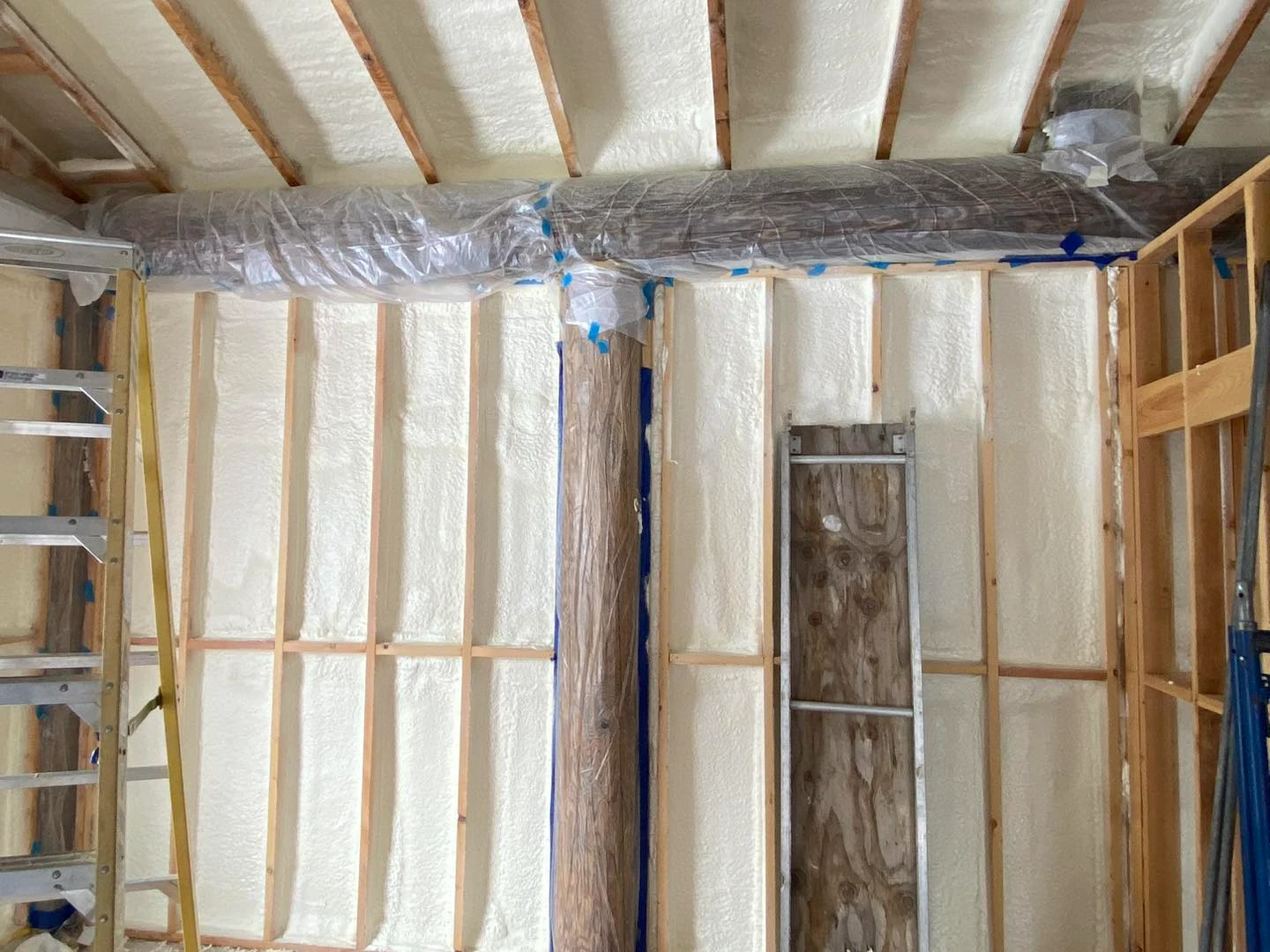
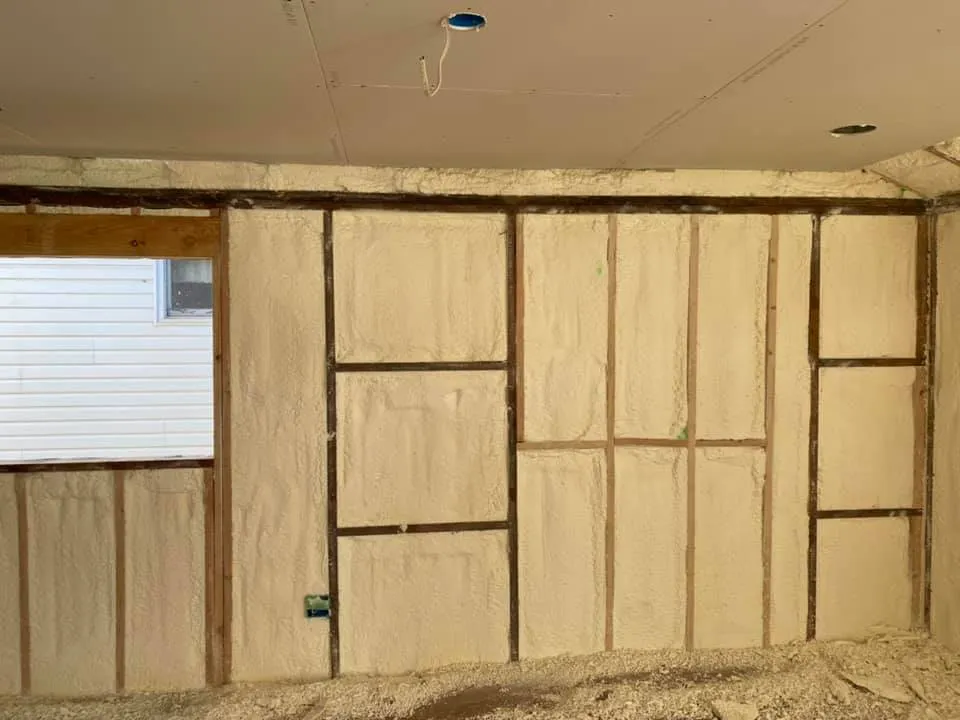
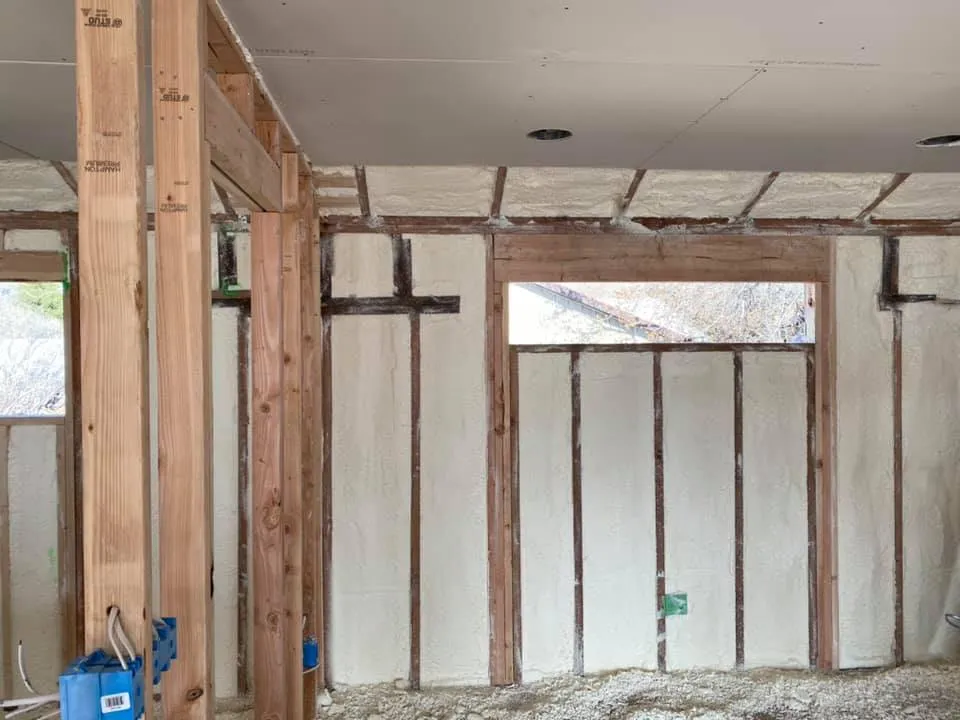
Wall insulation is exactly what it sounds like: insulating the wall assemblies of a structure. This includes cavity fill between studs, continuous insulation on the exterior or interior face, and air sealing around windows, doors, and penetrations.
Common wall insulation materials used in Alpine-area projects include:
The advantage of a wall-only scope is speed and focus. A contractor can complete wall insulation on a typical 1,500-square-foot home in one to two days. The work area is contained, and material quantities are easier to estimate. For remodelers adding insulation during a siding replacement or drywall repair, wall insulation fits naturally into the project timeline.
The disadvantage is what gets left behind. Walls typically represent only about 15% to 25% of a home’s total heat loss. The attic, crawl space, rim joists, and foundation walls account for the majority. A homeowner who only insulates their walls in Alpine’s Climate Zone 7 will notice some improvement, but they will still feel drafts and pay high heating bills because the biggest thermal weak points remain untreated. Upgrading to residential insulation solutions that address all major thermal gaps ensures maximum energy efficiency and comfort.
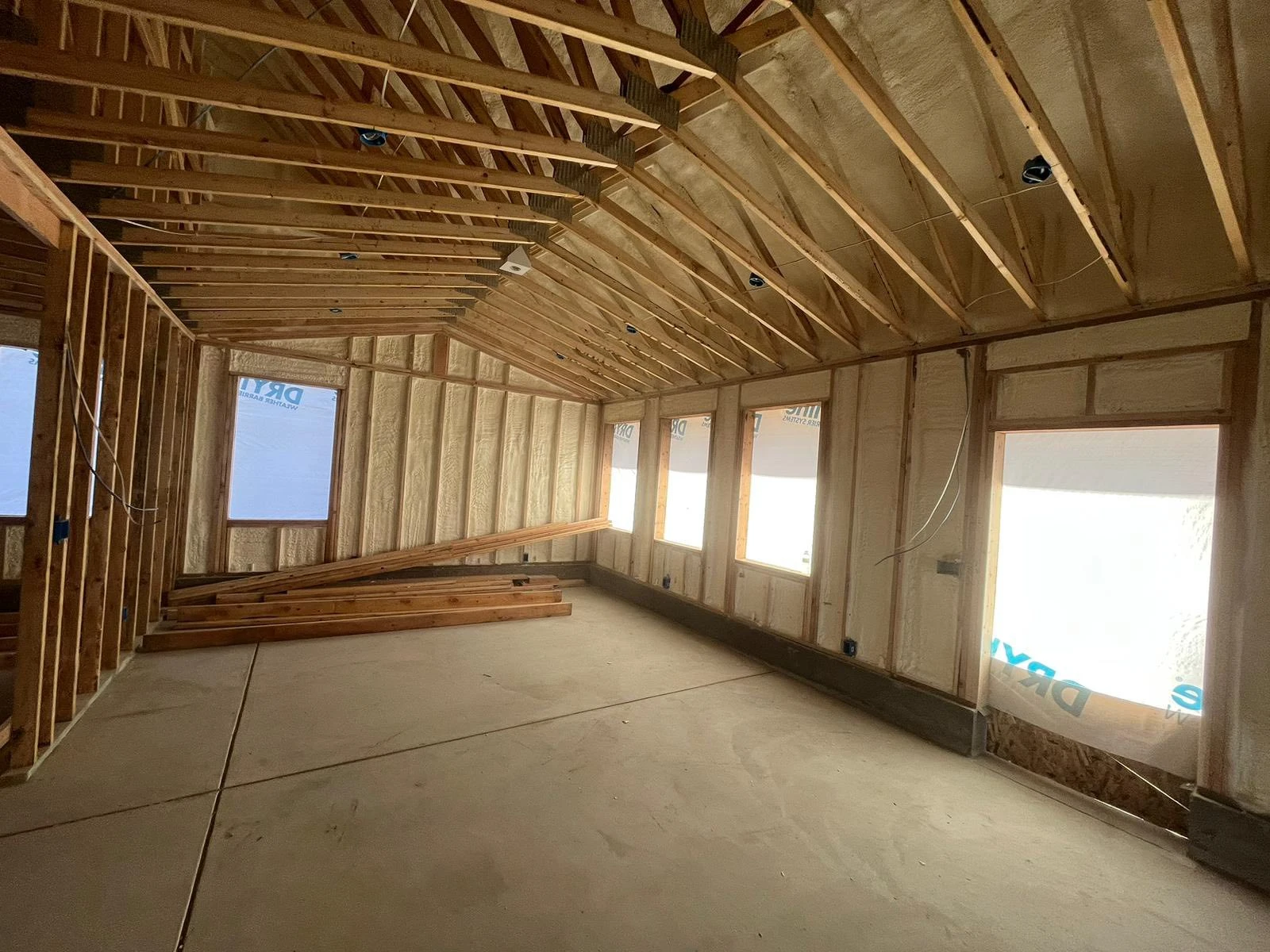
A residential insulation scope takes a whole-home approach. It includes wall insulation as a component but also addresses the attic, basement, or crawl space, rim joists, band joists, knee walls, and any other accessible building envelope cavities.
According to the U.S. Department of Energy, a comprehensive insulation and air sealing upgrade can reduce heating and cooling costs by 15% to 30% or more, with larger savings in extreme climates like Zone 7. The reason is simple: when every major thermal boundary is addressed, the home operates as a system rather than a collection of leaks.
A full residential scope in Alpine typically includes:
The tradeoff is cost and timeline. A full residential insulation project on a 1,500-square-foot home in Alpine can take three to five days and costs considerably more than a wall-only scope. But the return on investment is measurably higher, especially when heating costs in Lincoln County run significantly above the national average during winter months.
| Factor | Wall Insulation Scope | Residential Insulation Scope |
|---|---|---|
| Components Covered | Wall cavities and continuous wall insulation | Walls, attic, crawl space, rim joists, foundation |
| Typical Cost (1,500 sq ft home) | $1,200 to $4,800 | $4,000 to $15,000+ |
| Install Timeline | 1 to 2 days | 3 to 5 days |
| R-Value Targets (Zone 7) | R-20+R-5ci walls | R-20+R-5ci walls + R-49 to R-60 attic + rim joist + crawl space |
| Energy Savings Potential | 5% to 12% heating reduction | 15% to 30%+ heating reduction |
| Air Sealing Included | Wall penetrations only | Whole-building envelope |
| Best For | Additions, siding replacements, targeted wall retrofits | New builds, full energy retrofits, high-bill complaints |
| Code Compliance | Meets wall portion of IECC only | Meets full IECC envelope requirements |
A side-by-side bar chart compares estimated energy savings percentages for wall-only versus full residential insulation scope in Climate Zone 7 homes. Alpine’s average heating degree days are noted on the axis for context, highlighting how whole-home residential insulation can maximize efficiency in cold climates. Wall-only insulation shows moderate savings, while a full insulation upgrade demonstrates significantly higher energy savings and better ROI for homeowners in Alpine.
Material choice significantly impacts both wall-only and full-scope projects. Here is a practical cost reference for contractors bidding work in the Alpine area.
| Insulation Material | R-Value Per Inch | Cost Per Sq Ft (Installed) | Best Application |
|---|---|---|---|
| Fiberglass batts | R-3.0 to R-4.3 | $0.80 to $1.50 | New construction walls, standard cavities |
| Blown-in fiberglass | R-2.2 to R-3.0 | $1.00 to $2.00 | Attics, existing wall cavities via drill-and-fill |
| Blown-in cellulose | R-3.2 to R-3.8 | $1.20 to $2.50 | Attics, retrofit wall cavities, sound dampening |
| Open-cell spray foam | R-3.5 to R-3.7 | $1.50 to $3.00 | Wall cavities, attics, sound control |
| Closed-cell spray foam | R-6.0 to R-6.5 | $3.00 to $7.00 | Rim joists, crawl spaces, thin wall cavities |
| Rigid foam board (XPS/EPS) | R-4.0 to R-6.5 | $1.50 to $3.50 | Continuous exterior insulation, basement walls |
Line Chart Suggestion: Cost per square foot comparison across all six insulation materials, overlaid with R-value per inch, to show the value tradeoff for contractors and homeowners.
| Scenario | Property Type | Recommended Scope | Estimated Cost |
|---|---|---|---|
| New construction single-family build | 2,000 sq ft home, 2×6 framing | Full residential insulation | $9,500 to $14,000 |
| Siding replacement with wall upgrade | 1970s cabin, 1,200 sq ft, 2×4 walls | Wall insulation (spray foam retrofit) | $3,200 to $5,800 |
| High heating bills, drafty rooms | 1,800 sq ft ranch, uninsulated attic | Full residential insulation | $6,000 to $11,000 |
| Room addition over crawlspace | 400 sq ft addition | Wall + crawl space insulation | $2,800 to $4,500 |
| Finished basement retrofit | 1,000 sq ft basement, rim joist leaks | Rim joist + wall insulation | $2,000 to $3,500 |
Several variables determine whether a wall-only or full residential insulation scope makes the most sense for a specific Alpine project.
Choosing between a wall-focused insulation scope and a full residential insulation package depends on your property’s condition, budget, and long-term goals. At High Country Solutions, we work with contractors and property owners across Alpine and the surrounding western Wyoming region to assess building envelopes, recommend the right insulation scope, and deliver code-compliant installations that hold up against Zone 7 winters. Whether you need a targeted wall insulation retrofit or a complete home insulation upgrade, we provide honest recommendations backed by local experience.
Reach out to us directly:
Alpine falls within IECC Climate Zone 7, which requires a minimum of R-20 cavity insulation plus R-5 continuous insulation on the wall assembly, or an equivalent combination such as R-13 cavity with R-10 continuous exterior foam. These values represent the code minimum, and many contractors recommend exceeding them for improved comfort and lower energy costs in western Wyoming’s extreme winters.
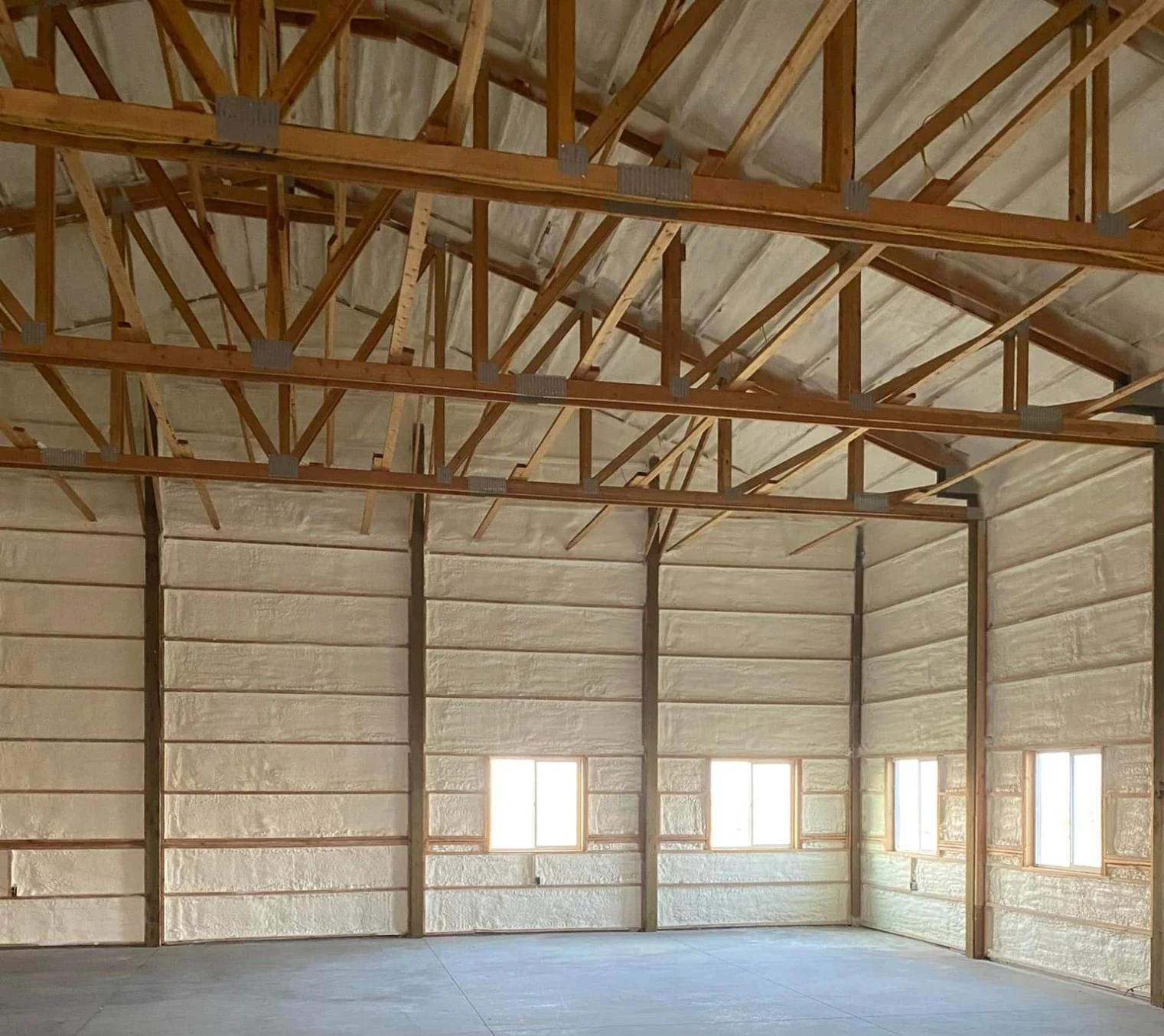
Closed-cell spray foam delivers R-6.0 to R-6.5 per inch compared to fiberglass at R-3.0 to R-4.3 per inch, which means thinner walls can achieve higher total R-values. In Climate Zone 7 where heating demands are high, spray foam also provides a continuous air barrier that eliminates convective heat loss through wall cavities. For new builds and retrofits where stud depth is limited, spray foam is often the most effective choice despite the higher per-square-foot cost.
Yes, many Alpine property owners start with the highest-impact area, usually the attic or the most draft-prone walls, and add additional insulation in subsequent seasons. A phased approach can make full-scope insulation more budget-friendly, though it delays the maximum energy savings until all envelope components are addressed. We recommend starting with an energy audit to identify which phase will deliver the biggest immediate improvement.
Wall insulation reduces heat transfer through wall assemblies and can help with some air leakage when using spray foam or dense-pack materials. However, drafts in most Wyoming homes come from multiple sources, including attic bypasses, rim joist gaps, unsealed penetrations, and poorly weatherstripped doors and windows. A wall-only insulation scope will reduce some drafts, but typically does not solve the full air infiltration problem.
For a typical 1,500 to 2,000-square-foot home in Alpine, a full residential insulation scope including walls, attic, rim joists, and crawl space takes approximately three to five days, depending on the materials selected and the complexity of the building envelope. Spray foam applications may require additional cure time before closing up walls and ceilings. Wall-only projects typically finish in one to two days.