Why ventilation is a critical partner to your insulation system in Idaho Falls, ID
Ventilation and insulation work as an essential team in Idaho Falls homes, where insulation keeps heat in during winter and…



Blown-in insulation materials effectively solve the stack effect by creating a continuous air barrier that stops warm air from rising through your home’s building envelope. This solution works by filling gaps, cracks, and voids in your attic and walls with dense insulation that blocks air movement while providing thermal resistance. The stack effect occurs when warm air naturally rises through unsealed areas of your home, pulling in cold air from below and creating continuous air exchange that drives up heating costs and reduces comfort. Properly installed blown-in insulation addresses this problem at its source by eliminating the pathways through which air moves.
This guide explains exactly how blown-in materials stop stack effect problems, which materials work best for different situations, and what homeowners need to know before making this important investment in their home’s energy efficiency. Drawing from years of field experience with hundreds of insulation projects, the information here reflects real-world results rather than theoretical concepts. High Country Solutions has documented how proper insulation can reduce energy bills by 15-20% in homes with significant stack effect issues.
The stack effect functions like a chimney inside your house. During winter, warm air rises through openings in upper levels while cold air gets pulled in through lower levels. This creates constant air movement that you might feel as drafts or temperature differences between floors. The effect is stronger in taller homes and during larger temperature differences between inside and outside.
Stack effect problems typically show up as cold floors, high heating bills, ice dams on the roof, and rooms that are difficult to heat evenly. Many homeowners mistakenly think these issues require new windows or doors when the real problem is air movement through the building envelope. The stack effect also brings moisture into your home, which can lead to mold growth and wood rot over time.
Blown-in insulation works differently from traditional batt insulation because it completely fills the space where it’s installed. Unlike batts that can leave gaps around studs, pipes, and electrical boxes, blown-in materials create a continuous blanket that seals against air movement. The material settles into every small opening and creates its own air barrier when installed at the proper density.
Two main types of blown-in materials work well for stopping stack effect: cellulose and fiberglass. Cellulose consists of recycled paper treated with fire retardants, while fiberglass is made from spun glass fibers. Both materials have advantages depending on your specific situation and climate conditions.
| Material | R-Value per Inch | Air Sealing Ability | Settling Rate |
|---|---|---|---|
| Cellulose | 3.2-3.8 | Excellent | 15-20% over time |
| Fiberglass | 2.2-2.7 | Good | Minimal |
| Mineral Wool | 3.0-3.3 | Excellent | Minimal |
Cellulose typically provides better air sealing because the smaller fibers and higher density create a tighter barrier. The material’s ability to settle around obstacles makes it particularly effective for older homes with irregular framing. According to research from the U.S. Department of Energy, proper cellulose installation can reduce air infiltration by up to 38% compared to uninsulated walls.
Proper installation makes the difference between insulation that works and insulation that wastes money. The process starts with identifying all the areas where air moves through your building envelope. Common problem spots include rim joists, attic hatches, plumbing penetrations, and wall cavities above windows.
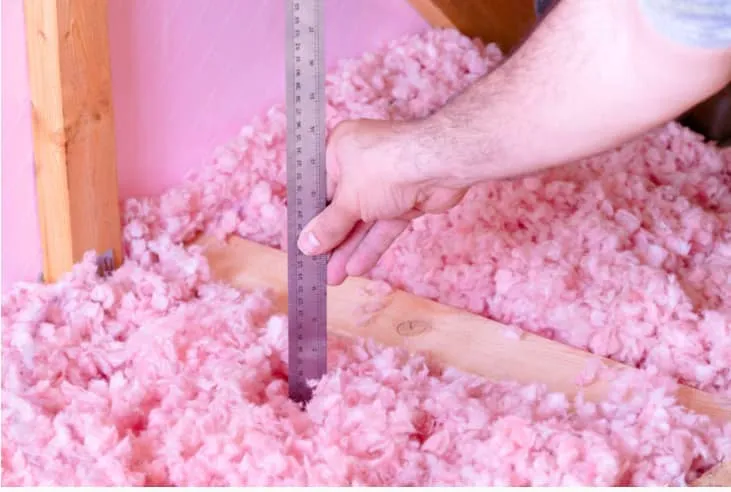
Installation professionals use specialized equipment to blow insulation into wall cavities and attics at the correct density. For walls, installers drill small holes between studs and fill each cavity completely, ensuring the material reaches the proper density of 3.5 pounds per cubic foot for cellulose Oak Ridge National Laboratory. In attics, installers apply material evenly across the entire space, taking care to maintain the recommended depth for your climate zone.
Bonus Tip: Always ask installers to provide before-and-after thermal images of your home. These infrared photos visually demonstrate where the stack effect was active and how the insulation has stopped air movement through the building envelope.
Climate conditions significantly affect how you should approach stack effect solutions. In cold climates like Wyoming’s, the stack effect is most problematic during winter months when indoor-outdoor temperature differences are greatest. Homes in these regions need higher insulation levels and careful attention to sealing the entire building envelope.
Homes in extreme cold climates benefit from installing insulation at higher densities than minimum recommendations. This increases the material’s R-value and improves its air sealing properties. The depth requirements also vary by climate zone – homes in Zone 7 (like Wyoming’s high country) need attic insulation with R-49 to R-60 ratings, while Zone 3 homes require only R-30 to R-38 Building Science Corporation .
Before installing blown-in insulation to solve stack effect issues, assess your home’s overall condition and identify all the factors contributing to air movement. A home energy audit provides valuable information about where your home loses heat and how much the stack effect is impacting your comfort and energy costs.
Consider the age and construction method of your home. Older houses with balloon framing often experience stronger stack effect than homes with platform framing. The type of heating system you use also matters – forced air systems can increase stack effect pressure differences, while radiant systems may reduce them.
Budget constraints should include both the insulation project and any necessary air sealing work. While insulation alone helps significantly, combining it with comprehensive air sealing provides the best results. Some utility companies offer rebates for insulation projects, which can offset the initial investment costs.
Bonus Tip: Before starting any insulation project, seal large air leaks first. These include holes around chimneys, plumbing stacks, and electrical penetrations that insulation alone cannot properly seal. Use foam sealant or caulk for smaller gaps and fire-rated materials for larger openings.
Bonus Tip: Check your local building codes before starting any insulation project. Many areas have specific requirements for insulation depth, vapor barriers, and ventilation that must be met for safety and performance reasons.
Solving the stack effect requires understanding how air moves through your home and using the right materials to stop that movement. Blown-in insulation creates a continuous barrier that seals air leaks while providing thermal resistance, making it an effective solution for most homes. The best results come from combining insulation with air sealing and choosing materials appropriate for your climate and home construction.
Before making insulation decisions, evaluate your specific stack effect problems, consider regional climate factors, and plan for proper installation techniques. Professional assessment helps identify the most cost-effective approach for your situation and ensures you get the full benefit of your insulation investment.
High Country Solutions provides comprehensive evaluations of stack effect issues and insulation solutions for homes in challenging climate conditions. Contact the team at [email protected] or call (307) 248-9063 to schedule a home energy assessment and receive personalized recommendations for addressing stack effect problems in your specific situation. Professional installers can identify hidden air leaks and ensure insulation is installed at the proper density and depth for maximum effectiveness.
Yes, insulation reduces summer cooling costs by blocking heat transfer through your attic and walls. While the stack effect is weaker during summer, insulation still prevents hot air from entering your living spaces and reduces the load on your air conditioning system.
Signs include noticeable drafts, cold floors, uneven temperatures between floors, excessive dust, high energy bills, and difficulty heating certain rooms. You can also check for air movement around outlets, baseboards, and windows on windy days.
Cellulose generally provides better air sealing due to its higher density and smaller fiber size, making it slightly more effective for stack effect problems. However, fiberglass works well too, especially when combined with proper air sealing techniques.
Attic insulation significantly reduces stack effect but may not eliminate it completely. The most effective approach combines attic insulation with wall insulation and comprehensive air sealing throughout the building envelope.
Most blown-in insulation projects take 1-2 days to complete. Wall cavity insulation usually takes longer than attic applications because it requires drilling access holes between studs and careful filling of each cavity.