Why ventilation is a critical partner to your insulation system in Idaho Falls, ID
Ventilation and insulation work as an essential team in Idaho Falls homes, where insulation keeps heat in during winter and…

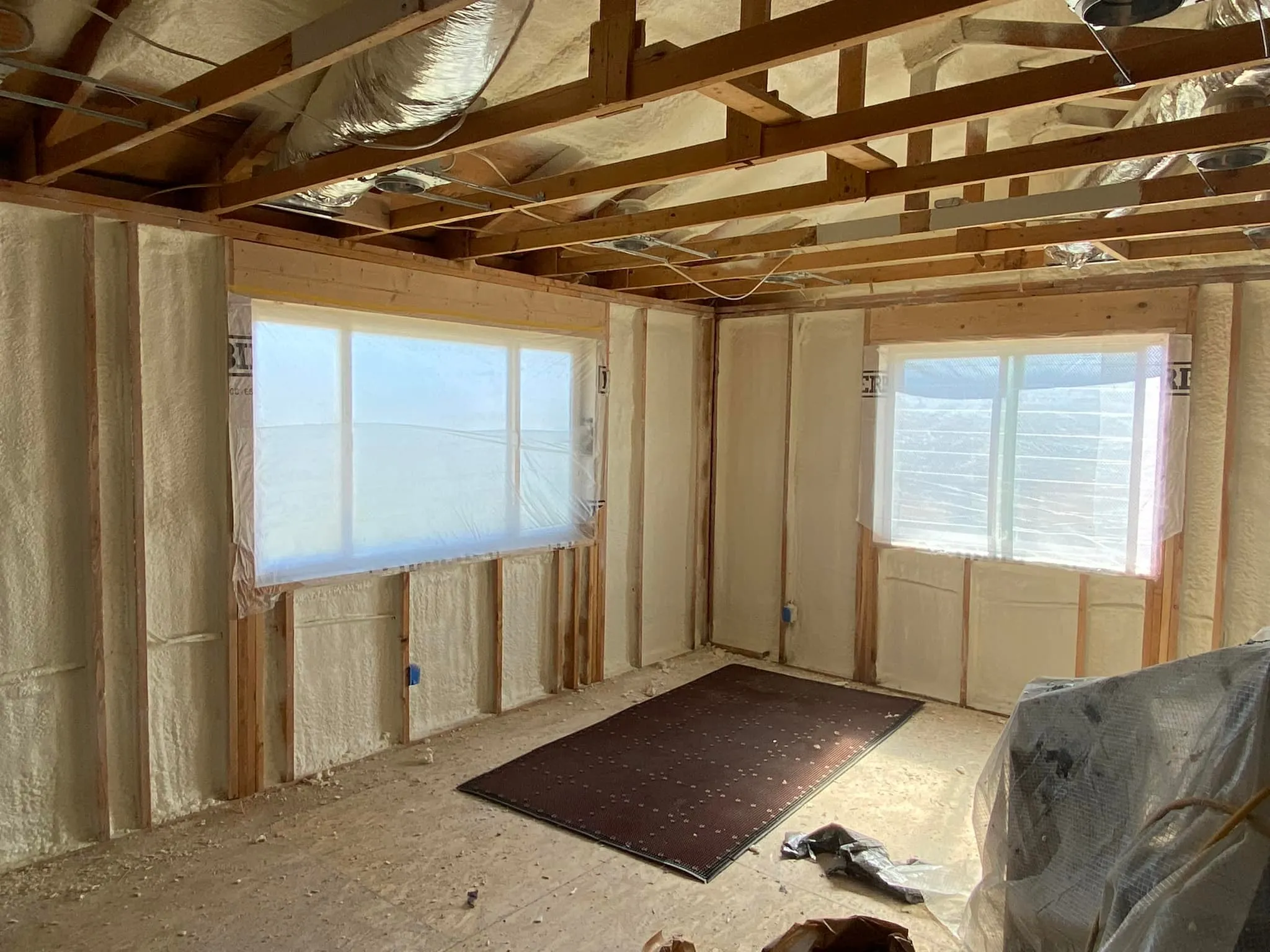
Residential insulation in Preston, Idaho, is primarily supplied by four major North American manufacturers: Owens Corning, Johns Manville, Knauf Insulation, and CertainTeed. While these companies do not operate manufacturing plants within Preston city limits, their products set the standard for local construction and retrofit projects. These brands are distributed in the region through regional supply chains, local lumberyards, and certified installation contractors who understand the specific thermal requirements of the Intermountain West.
Homeowners in Franklin County need to understand the differences between these manufacturers to ensure their homes remain efficient during cold winters and hot summers. The choice of manufacturer often dictates the insulation’s material composition, eco-friendliness, and long-term settling rate. This guide breaks down the specific brands available in the area, their primary product lines, and how they perform in this particular climate zone.
The insulation market is concentrated among a few key players that dominate the supply chain. These manufacturers produce the bulk of fiberglass, mineral wool, and spray foam products used in local homes.
Recognizable by its pink branding, Owens Corning is the most ubiquitous manufacturer found in Preston homes. They invented fiberglass insulation. Their products are widely available at both contractor supply houses and retail home improvement stores. For the climate in Preston, their “EcoTouch” line is frequently used because it maintains consistent R-values (thermal resistance) even as temperatures drop significantly.
Johns Manville (JM) is another massive supplier often preferred by professional installers in Idaho. They are notable for producing formaldehyde-free fiberglass insulation, which improves indoor air quality. This is a significant factor for families concerned about off-gassing in tighter, more energy-efficient homes. Their “Spider” custom insulation system is a blow-in fiberglass product that mimics spray foam coverage at a lower price point.
Knauf is easily identified by its brown, earthy fiberglass. This color comes from their “ECOSE” technology, which uses a bio-based binder derived from corn rather than petroleum-based chemicals. A report from Knauf North America indicates that this manufacturing process reduces embodied energy and eliminates phenol and formaldehyde from the binder. For homeowners in Preston focused on green building, Knauf is often the specified manufacturer.
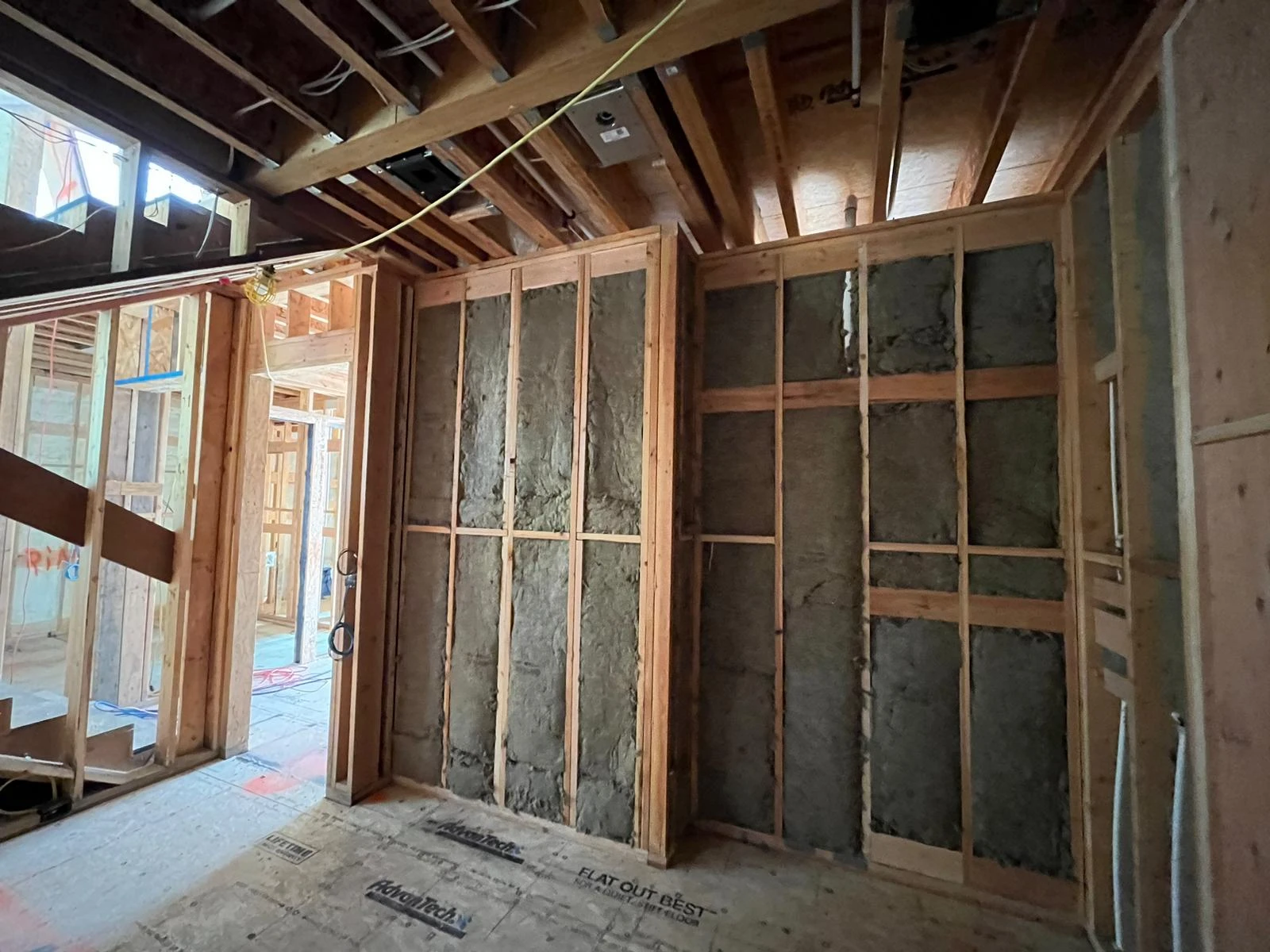
CertainTeed manufactures both fiberglass and mineral wool products. They are often cited for their “InsulSafe” fiberglass blowing insulation, which is common in attic retrofits. Their products are engineered to produce less dust during installation, helping keep the job site cleaner and reducing irritation for installers.
Selecting a manufacturer often comes down to the specific application—whether you are insulating a crawl space, an attic, or exterior walls. The following table compares these manufacturers based on their most popular residential products available in the Idaho market.
| Manufacturer | Primary Material | Key Technology | Best Application |
|---|---|---|---|
| Owens Corning | Pink Fiberglass | PureFiber Technology | Wall cavities & Attics |
| Johns Manville | White Fiberglass | Formaldehyde-free binder | Sound control & Air quality |
| Knauf | Brown Fiberglass | ECOSE (Bio-based binder) | Eco-friendly builds |
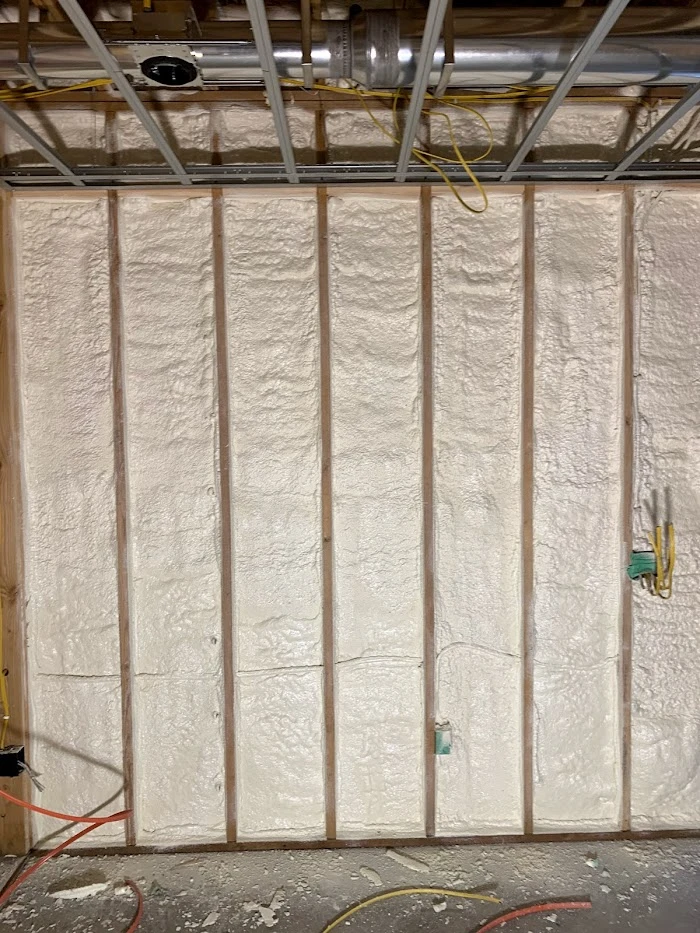
| Huntsman | Spray Foam | High-yield closed cell | Vaulted ceilings & Rim joists |
| Rockwool | Mineral Wool | Fire-resistant stone wool | Fire blocking & Soundproofing |
Bonus Tip: When looking at bids from contractors, ask specifically which manufacturer they intend to use. Some quotes might list a generic “fiberglass blow-in,” but knowing the brand lets you verify the warranty and certification ratings yourself.
Regional distribution centers often dictate the availability of specific manufacturers in Preston. Most insulation contractors have established relationships with one or two primary suppliers. According to a Grand View Research market analysis, demand for high-performance insulation is driving manufacturers to produce higher-R-value products specifically for colder regions like the Northern Rockies.
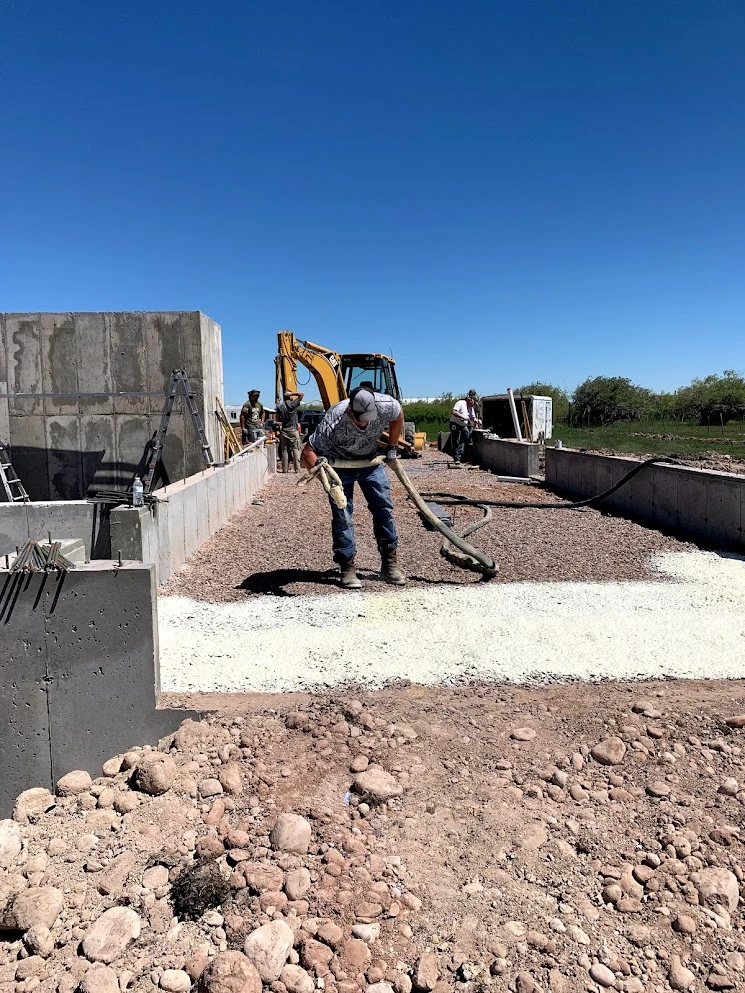
This trend means that while you want a specific brand, you may need to work with a contractor who is a certified dealer for that manufacturer. For example, spray foam products from manufacturers such as Huntsman Building Solutions or Carlisle are strictly regulated and sold only to licensed installers to ensure safety and chemical stability.
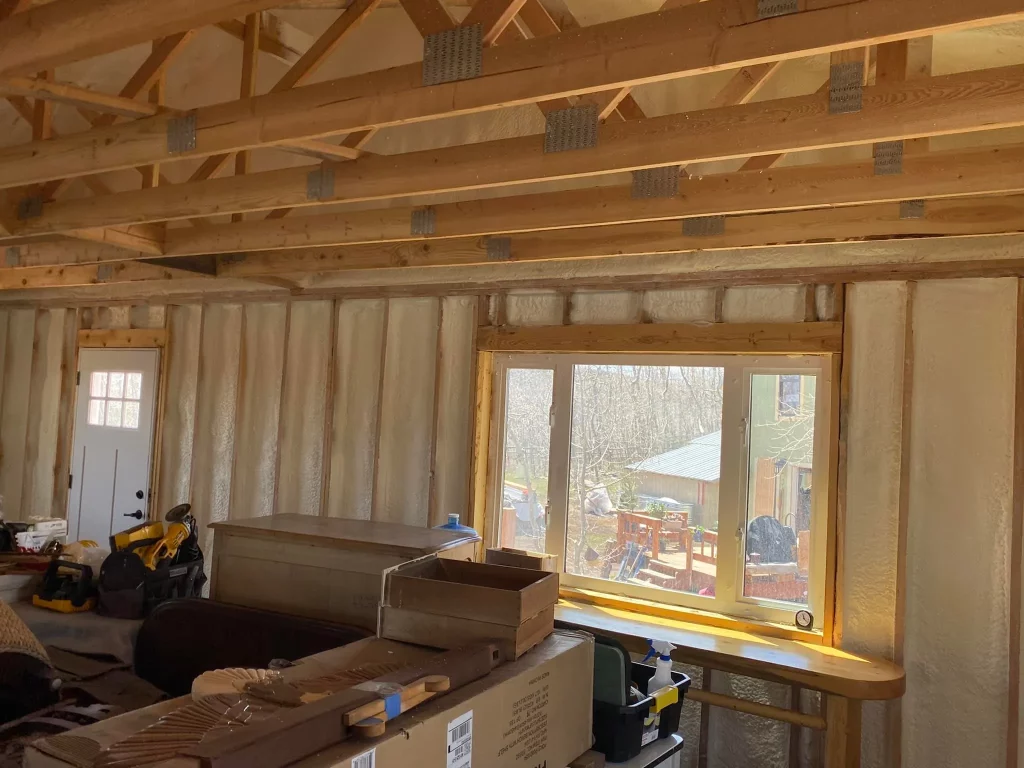
Choosing a manufacturer is about matching the product’s performance characteristics to the needs of your specific structure.
Preston experiences significant temperature swings. You need a manufacturer that produces high-density insulation. Standard “fluffy” insulation might work in moderate climates, but here, you need high R-value density. Research from Energy Star suggests that homes in this zone should aim for R-49 to R-60 in the attic. Not all manufacturers offer batts or loose-fill that achieve this easily without excessive thickness.
In older Preston homes, moisture management is a constant battle. Manufacturers like Rockwool produce naturally hydrophobic mineral wool (water-repellent). If you are insulating a basement or crawl space, choosing a manufacturer that specializes in moisture-resistant materials is better than using standard fiberglass insulation, regardless of the brand’s reputation.
All loose-fill insulation settles over time, which reduces its effectiveness. However, manufacturers have different “settling rates.” Cellulose manufacturers often have higher settling rates than fiberglass manufacturers. When you look at the product bag or spec sheet, look for the “coverage chart.” It will tell you exactly how much the product will settle, so the installer can add extra initially.
Bonus Tip: Check the manufacturer’s warranty regarding “thermal performance stability.” Top-tier manufacturers warrant that their product will not lose R-value over time due to settling or decomposition.
Most major manufacturers, such as Owens Corning and Knauf, offer limited lifetime warranties on their products. However, this covers material defects, not installation errors. The warranty is only as good as the quality of the installation work.
All major manufacturers sold in the US must meet strict safety standards. Brands like Knauf and Johns Manville highlight their lack of formaldehyde, making them preferable for individuals with severe allergies or respiratory sensitivities.
You can find basic batts from Owens Corning or Johns Manville at local hardware stores. However, high-performance blown-in products and professional-grade spray foam kits are typically sold only through wholesale supply channels.
R-value is a standard measurement, so R-30 from one brand creates the same thermal resistance as R-30 from another. The difference lies in how much material is needed to achieve that R-30 and how well it maintains that value over 20 years.
Understanding the manufacturers of residential insulation in Preston, ID, empowers you to demand better materials for your home. Whether you prioritize the eco-friendly binders of Knauf, the availability of Owens Corning, or the moisture resistance of Rockwool, the “best” manufacturer depends on your specific project goals. Focus on the material properties, density, moisture resistance, and air quality certifications rather than just the logo on the bag. Always verify that your chosen material is rated for the specific demands of Idaho’s climate zone.
If you are ready to upgrade your home’s efficiency, you need a partner who understands these materials inside and out. High Country Solutions specializes in selecting and installing the right products for Preston homes. Contact us today at (307) 248-9063 or email [email protected] to schedule an assessment. We will help you navigate the manufacturer options to find the perfect fit for your budget and energy goals.