Why ventilation is a critical partner to your insulation system in Idaho Falls, ID
Ventilation and insulation work as an essential team in Idaho Falls homes, where insulation keeps heat in during winter and…


Before hiring a blown-in insulation contractor, ask about licensing, insurance, material recommendations, local references, experience with similar homes, R-value calculations, preparation requirements, warranties, and methods to prevent settling. These questions directly address contractor credibility, technical knowledge, and project quality assurance. This guide explains each question’s importance and what to listen for in their answers, helping homeowners make informed decisions based on practical industry experience.
Understanding these questions protects homeowners from poor installations that can lead to higher energy bills, moisture problems, and inadequate insulation performance. High Country Solution has encountered numerous failed installations where homeowners skipped basic screening questions, leading to costly corrections down the road. The following breakdown provides specific guidance on what constitutes satisfactory answers versus red flags.
Always verify that a contractor holds proper state licensing and carries adequate insurance coverage. Ask to see their license number and current insurance certificates. Legitimate contractors readily provide this documentation without hesitation. Insurance should include both liability coverage and workers’ compensation. Without proper coverage, homeowners become financially responsible for any accidents or damages that occur during the project.
A legitimate contractor’s insurance policy typically covers $500,000 to $1 million in liability, with workers’ compensation covering on-the-job injuries. Request the insurance agent’s contact information to verify coverage directly. Uninsured contractors often charge less initially but expose homeowners to significant financial risk. The U.S. Department of Labor reports that construction injury claims average $42,000 per incident, making insurance verification non-negotiable.
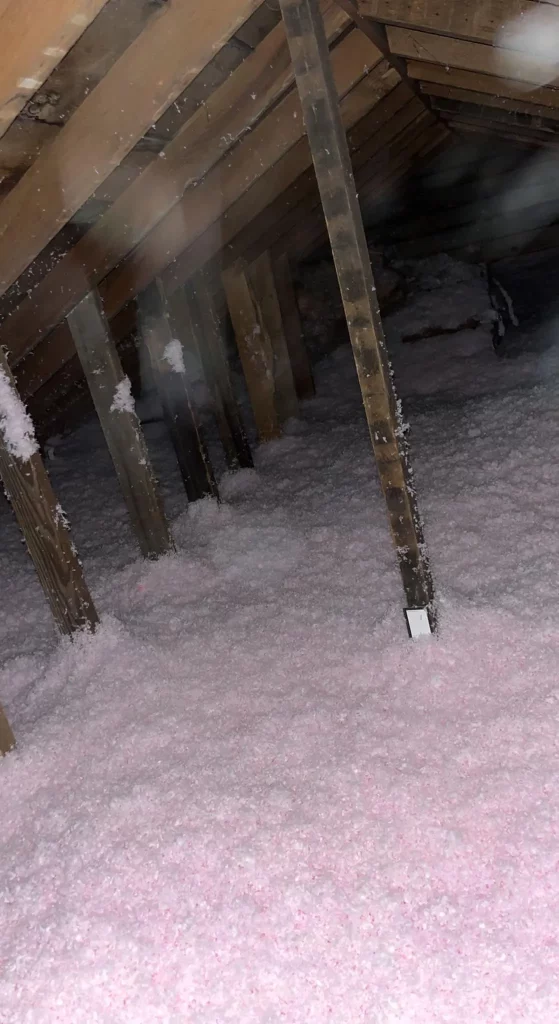
Ask which insulation materials the contractor recommends and why they suggest them for your specific home. Different materials suit different applications – cellulose excels in existing wall cavities, while fiberglass works well for attics. A knowledgeable contractor explains R-values, moisture resistance, and settling characteristics of each option. They should ask about your home’s age, existing insulation, and any moisture issues before making recommendations.
Bonus Tip: Request both the good and bad points of their recommended material. Professionals who only mention advantages without acknowledging limitations may be overselling or lack complete product knowledge. For example, cellulose offers superior air sealing but requires proper vapor barriers in some climates, while fiberglass resists moisture but doesn’t seal air gaps as effectively.
Request at least three local references from projects completed within the past year. Contact these homeowners and ask specific questions about cleanup, timeliness, communication, and whether the final work met expectations. Look for projects similar to yours in terms of house age, size, and insulation type. A contractor who hesitates to provide references or only offers jobs from several years ago raises red flags.
Local references matter because insulation requirements vary significantly by climate. What works in Arizona might fail in Wyoming. Additionally, local references allow you to potentially view the work in person and see how the insulation has performed over time. Pay attention to whether the reference homeowner mentions any issues and how the contractor handled post-installation concerns.
Every house presents unique challenges. Ask specifically about the contractor’s experience with homes similar to yours – considering age, construction type, and existing insulation issues. Older homes with knob-and-tube wiring require different approaches than new construction. Homes with cathedral ceilings present different challenges than those with simple attics.
Ask about the most difficult project they’ve completed and how they resolved unexpected issues. Their problem-solving approach reveals their experience level. Newer contractors might struggle with unusual framing or limited access areas, while experienced professionals have developed techniques for various situations. According to industry data, experienced insulation contractors complete jobs 30% faster with 25% fewer callbacks than newcomers.
Professional contractors calculate required R-values using local building codes, climate zones, and specific home characteristics. They should explain how they determine the optimal R-value for your attic, walls, or crawl space rather than quoting a one-size-fits-all number. The U.S. Department of Energy provides recommended R-values by climate zone, with Zone 7 (northern states) requiring R-49 to R-60 in attics.
Ask whether they use the International Energy Conservation Code (IECC) or other recognized standards. They should consider factors like your home’s heating system, local fuel costs, and whether you plan to stay long-term. A quality contractor provides written calculations showing exactly how they determined recommended insulation depths and densities.
Ask what preparation work you need to complete before the project and what preparation the contractor handles. This includes moving stored items, protecting floors and furniture, addressing moisture issues, and preparing electrical fixtures. Some contractors handle all preparation while others require homeowners to complete certain tasks.
Professional contractors typically air-seal attic bypasses before adding insulation. Without proper air sealing, insulation loses effectiveness as air flows through it. According to research from Building Science Corporation, proper air sealing combined with insulation can reduce heating costs by up to 40% in cold climates. The contractor should explain their specific air sealing process and how they identify problem areas.
Ask what warranties cover both materials and workmanship. Material warranties come from manufacturers, typically covering 20-25 years for defects, but these become void if installed incorrectly. The contractor should provide a separate workmanship warranty covering installation quality. Most reputable contractors offer 1-2 year workmanship warranties, with some providing longer coverage.
Get all warranty details in writing, including specifically what’s covered and the process for making claims. Some contractors include annual insulation inspections as part of their warranty package. Ask whether the warranty is transferable to new homeowners if you sell your house. Extended workmanship warranties often indicate confidence in installation quality.
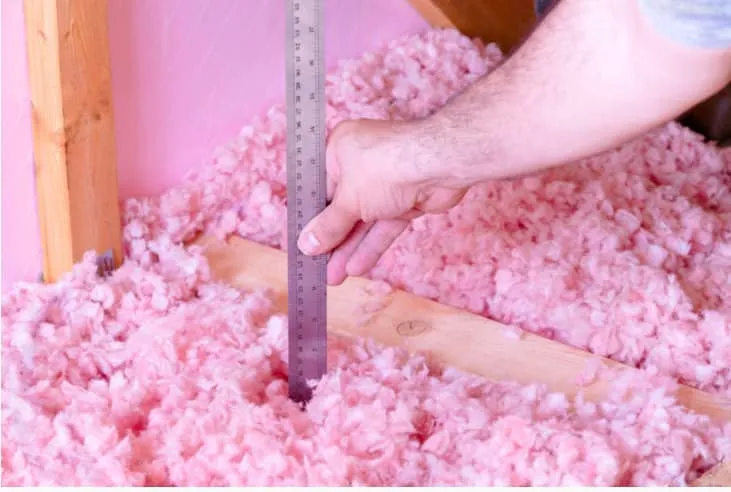
Blown-in insulation settles over time, reducing its R-value and effectiveness. Ask specifically how the contractor prevents excessive settling in their installations. Professionals use proper installation density and sometimes add a slight overfill to account for natural compaction. For cellulose, proper installation should prevent more than 10-15% settling over time.
The contractor should explain their calibration process for insulation blowing machines and how they achieve consistent coverage. Ask whether they provide a depth guarantee and return to top up insulation if it settles beyond expected amounts within the warranty period. According to Energy Star, proper installation technique is more important than insulation type for long-term performance.
Beyond the specific questions, consider the contractor’s professionalism during initial interactions. Did they arrive on time for the estimate? Were they thorough in their inspection? Did they provide a detailed written bid or just a ballpark figure? Quality contractors typically conduct thorough home inspections before quoting prices.
Compare multiple bids but focus on value rather than just the lowest price. A significantly lower bid might indicate shortcuts on materials, inadequate preparation, or insufficient insurance coverage. The table below compares key factors to evaluate:
| Factor | Red Flag | Green Flag |
|---|---|---|
| Licensing | Hesitant to provide license number | Provides license number, encourages verification |
| Insurance | Claims they don’t need insurance | Shows current certificates of insurance |
| References | Only old projects available | Recent, local, relevant project references |
| Preparation | No mention of air sealing | Explains air sealing process thoroughly |
| Warranties | No workmanship guarantee | Written warranty with clear terms |
Consider scheduling flexibility and whether the contractor handles any required building permits. Professional contractors typically obtain necessary permits as part of their service. Also, ask about cleanup procedures – reputable professionals leave your home cleaner than they found it, with plastic protection on floors and thorough vacuuming after completion.
Asking these eight questions separates professional contractors from inexperienced or unreliable operators. Insulation represents a significant investment in your home’s comfort and energy efficiency. The Insulation Institute reports that proper insulation can reduce monthly energy bills by 15-20% on average, but only when installed correctly.
Poor installation leads to problems like ice dams in winter, moisture accumulation, and inadequate temperature control. These issues often cost more to fix than the initial insulation project would have cost with a qualified contractor. Taking time to screen contractors thoroughly protects both your home and your investment.
After interviewing contractors and asking these eight questions, compare your notes carefully. The right contractor combines technical knowledge, proper insurance and licensing, competitive pricing, and excellent references. Don’t base your decision solely on cost – the cheapest option often becomes most expensive in the long run due to poor performance or needed corrections.
Consider getting a home energy audit before making your final decision. This provides objective data about your home’s specific insulation needs and helps you evaluate contractors’ recommendations. Many utility companies offer free or discounted energy audits, making this an affordable way to ensure you’re investing in the right improvements.
Remember that insulation installation affects your home for decades. Taking extra time to select the right contractor pays dividends in energy savings, comfort, and peace of mind. The eight questions outlined here provide a solid framework for making an informed decision that protects your home and investment.
High Country Solution offers comprehensive insulation assessments for homeowners seeking expert guidance on energy efficiency improvements. The team provides detailed evaluations, material recommendations, and installation estimates tailored to your specific home and climate needs. For professional assistance with your insulation project, contact High Country Solution at [email protected] or call (307) 248-9063 to schedule a consultation and receive personalized recommendations based on your home’s unique requirements.
While not legally required in all areas, certifications from organizations like the Building Performance Institute indicate additional training and commitment to industry standards. Certified contractors have demonstrated knowledge of proper installation techniques and building science principles.
DIY installation is possible for accessible attic spaces, but requires specialized equipment rental and knowledge of proper techniques. Professional installation typically provides better air sealing and prevents common mistakes like uneven coverage or improper density around obstacles.
Signs include unusually high energy bills, ice dams at roof edges, cold rooms in winter, and significant temperature variations between floors. Many homes built before 1980 have inadequate insulation by modern standards.
Insulation can be installed year-round, but extreme weather conditions can affect installation quality. Spring and fall often provide ideal working conditions. In very cold climates, some materials like cellulose may require special handling to prevent freezing during installation.
Vapor barrier requirements depend on your climate zone and insulation type. In cold climates, interior vapor barriers prevent moisture problems. Many modern insulation materials include vapor-retardant properties, but local building codes determine specific requirements.