Why ventilation is a critical partner to your insulation system in Idaho Falls, ID
Ventilation and insulation work as an essential team in Idaho Falls homes, where insulation keeps heat in during winter and…


Protecting water pipes from freezing requires a practical, layered approach focusing on reducing heat loss and blocking cold air infiltration. The most effective way to prevent pipe bursts, which can cause significant water damage, is to apply foam pipe sleeves or fiberglass wrap to all exposed lines, particularly those near exterior walls, in crawl spaces, or in unheated garages. For maximum protection in consistently freezing climates, particularly where temperatures drop below 20°F, standard insulation should be combined with electric heat tape or specialized self-regulating heat cable, ensuring the cable is installed directly against the pipe surface before the insulation is added.
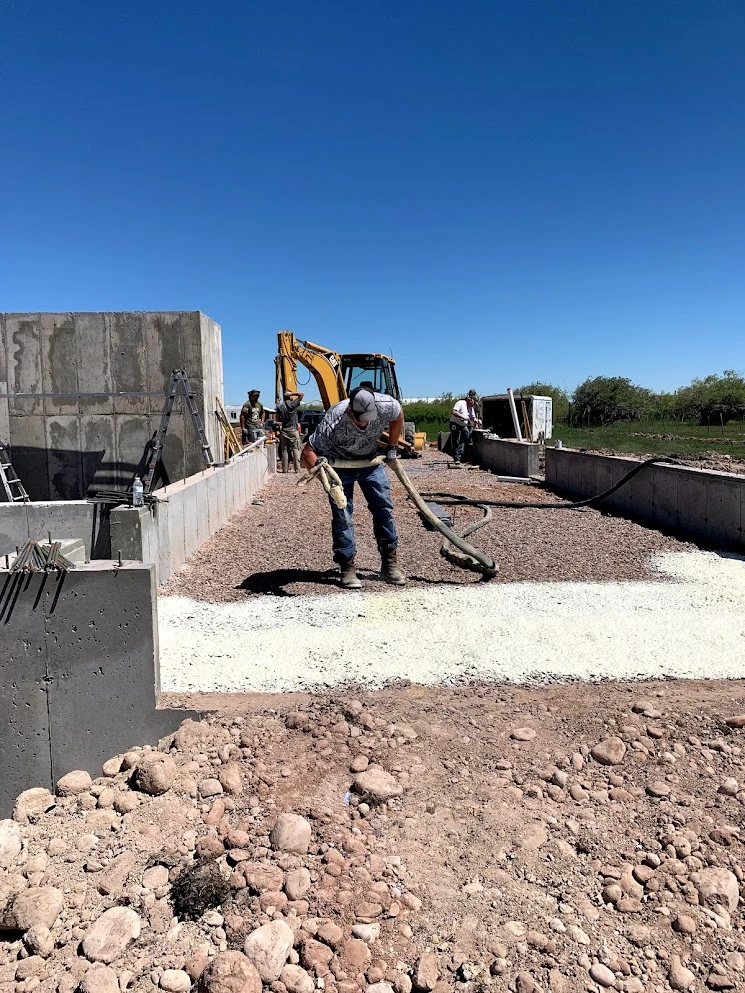
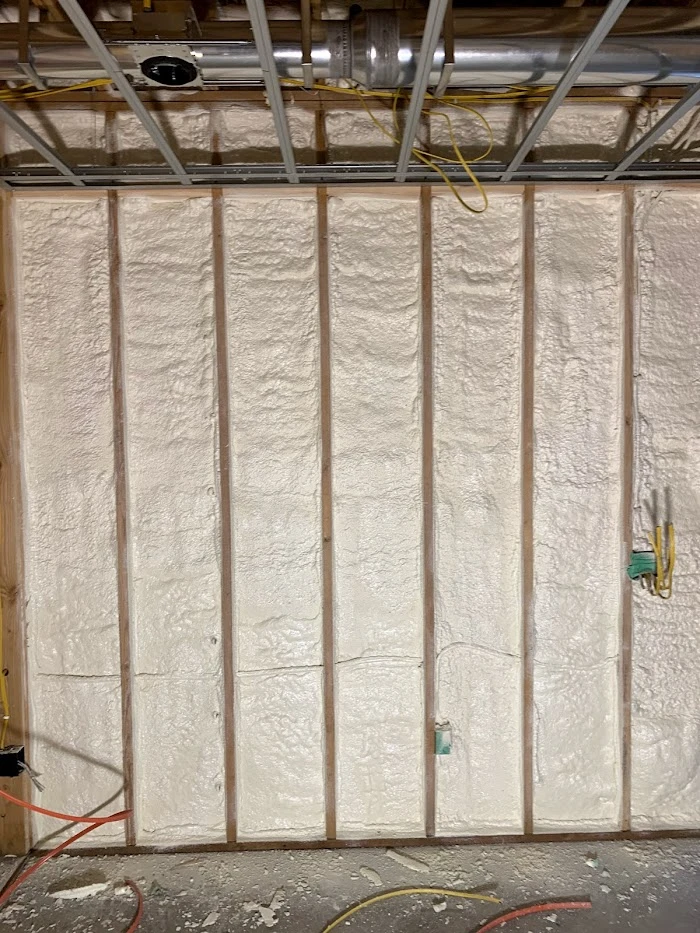
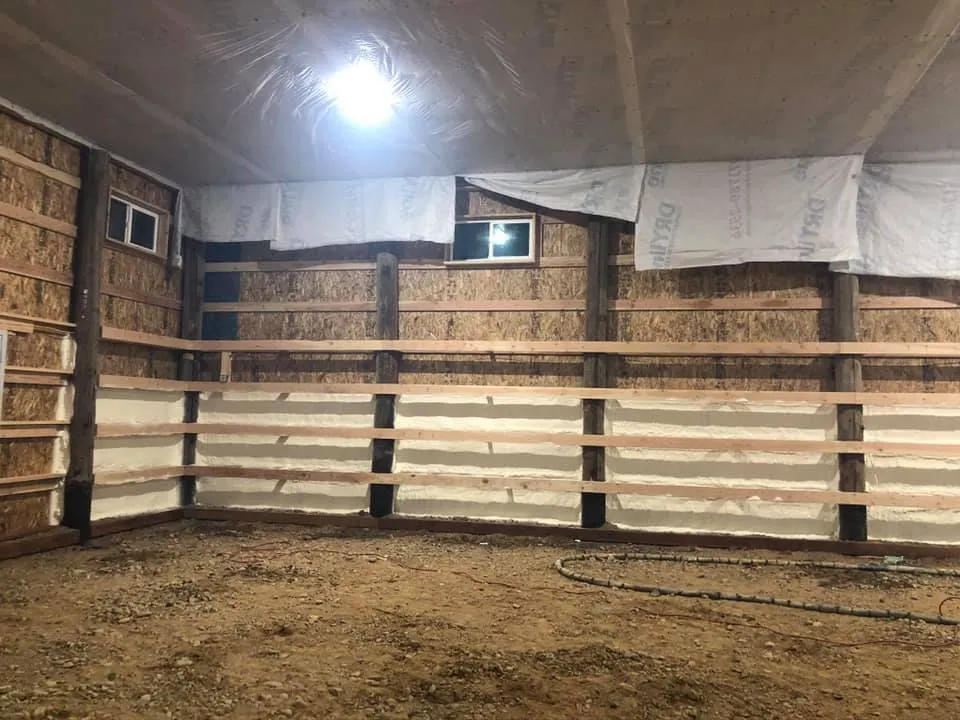
Effective pipe protection is not just about choosing a material; it involves meticulous spray foam insulation installation and understanding the specific risks your property faces during extreme cold snaps. Preventative measures are always less costly and disruptive than emergency repairs. This guidance focuses on applying real-world expertise to select the correct materials and install them properly to manage winter plumbing risks.
Water freezing inside a pipe is a critical issue because water expands as it turns to ice. This expansion creates immense pressure, not necessarily at the point where the ice forms, but between the expanding ice block and the nearest closed faucet or fitting. This pressure buildup can quickly cause the pipe wall to rupture. An incident of freezing can cause average damage to a property, according to data from the Insurance Institute for Business & Home Safety (IBHS), making preventative insulation a worthwhile investment.
Most freezing occurs when three conditions align: inadequate insulation, prolonged exposure to cold temperatures, and lack of water movement. Pipes that run through exterior walls, under floors, or in unheated areas like attics are most vulnerable.
Choosing the correct pipe insulation material depends on the pipe’s location, the severity of the expected cold, and the accessibility of the pipe run. The goal is to create a barrier that slows the transfer of heat from the water inside the pipe to the cold air outside. R-value, which measures thermal resistance, becomes a critical factor in selection.
| Material Type | R-Value per Inch | Application Ease | Best Used For | Notes |
|---|---|---|---|---|
| Fiberglass Pipe Wrap | R-3 to R-4 | Moderate | Long, straight runs in large spaces | Requires a vapor barrier (jacket) to protect against moisture. |
| Foam Pipe Sleeves (Polyethylene) | R-2 to R-3 | Easy | Standard residential plumbing | Pre-slit and simple to install; good for moderate climates. |
| Rigid Foam (Fiberglass Shell) | R-4 to R-7 | Moderate | Commercial or buried external lines | Excellent structural integrity and moisture resistance. |
| Heating Cable + Foam | N/A (Active Heat) | Moderate | Highly exposed lines in severe cold | Provides heat in addition to insulation; essential below 0°F. |
Proper installation is just as important as the material selection itself. Even the best material fails if cold air finds a shortcut around it. The key to success is ensuring the insulation fits snugly and that all joints and connections are meticulously sealed to prevent cold air infiltration.
When using foam sleeves, the seams must be properly sealed. Standard insulation tape, usually foil or heavy-duty vinyl tape, is necessary to seal the lengthwise slit and all butt joints where two pieces meet. Failure to completely seal these areas allows cold air to penetrate the material, reducing its effectiveness significantly. For fiberglass wraps, ensure the vapor barrier jacket is intact and fully sealed to prevent condensation from soaking the insulation, which negates its thermal properties.
When insulating complex fittings, like gate valves or meters, conventional sleeves won’t work. Instead, use specialized molded fittings or tightly pack the area with loose fiberglass or mineral wool, then cover and seal it with insulation jacketing material (like weatherproof vinyl or canvas). Making sure these critical spots are fully encased prevents cold infiltration.
Where a pipe runs dictates the protection it needs. Pipes running outdoors or near ventilation intakes need high R-value protection, often paired with heat cables. Pipes in unheated interior spaces, like basements that stay above freezing but drop below 40°F, generally require only foam sleeves to slow cooling.
In regions prone to severe, multi-day freezes, merely relying on R-3 foam sleeves might not be sufficient. In areas defined by the U.S. Department of Energy as Climate Zones 6 and 7, where average winter temperatures are far below freezing, it is often necessary to use materials with a minimum R-value of 6 or higher for all perimeter piping, according to guidelines promoting efficiency detailed by Energy Saver at the Department of Energy. Additionally, any pipe running along an exterior wall within a wall cavity should be protected on the cold side with insulation placed between the pipe and the outer sheathing.
Before purchasing and applying insulation, property owners should evaluate several practical factors to ensure the material choice is appropriate for the application.
Bonus Tip 2: Dealing with Exterior Faucets
Remember to insulate hose bibs and outdoor faucets. If you have an outdoor water source, disconnect all hoses, shut off the water supply to that specific line (if possible), and drain the line. Use a dedicated faucet cover, which contains insulating material, over the fixture head to protect the last few inches of pipe exposed to the elements.
Bonus Tip 3: Emergency Water Flow
If temperatures are expected to plummet overnight and insulation coverage is uncertain, opening a cold-water faucet just enough to allow a slow, continuous drip can prevent freezing. The running water maintains movement and pressure within the line, inhibiting the formation of solid ice plugs.
Yes, R-value is crucial. It dictates how quickly heat escapes from the water. Higher R-values (R-6 or R-7) are required for pipes exposed to outdoor temperatures, while R-3 to R-4 might suffice for interior pipes in minimally heated spaces.
Household materials like towels or blankets offer temporary, low-R-value protection, but they are poor long-term solutions. They can absorb moisture, leading to mold and dramatically decreasing thermal resistance when damp. Dedicated pipe insulation is designed for consistent performance and longevity.
Absolutely. While the focus is often on preventing freezing in cold lines, insulating hot water pipes saves energy by reducing heat loss, making your water heater more efficient, and ensuring hot water reaches fixtures faster. This practice is standard in energy efficiency guidelines provided by the Environmental Protection Agency (EPA).
No. Heat tape or cable is designed to heat the pipe and must be covered by insulation to retain that heat effectively and maximize energy efficiency. Without insulation, the heat generated by the cable escapes into the surrounding air, requiring the cable to run longer and harder, which can create a fire risk if the tape is not rated for bare pipe use.
High-quality, properly installed rigid foam or polyethylene pipe sleeves can last decades indoors. However, insulation exposed to weather, moisture, or pests (like in attics or crawl spaces) should be inspected yearly before winter. Replace any insulation that is compressed, cracked, wet, or missing its vapor barrier.
Effective cold-weather planning minimizes the risk of expensive water damage by prioritizing insulation integrity. Begin by identifying all vulnerable pipes, especially those on perimeter walls or in unheated areas. Select insulation based on the required R-value for your climate, remembering that combining insulation with a heat cable provides the highest degree of safety in sub-freezing conditions. Meticulous sealing of all joints and fittings ensures the entire system works as designed, offering reliable defense against winter conditions.
Dealing with severe winter weather means taking proactive steps now to secure your property’s plumbing. Determining the right R-value and insulation type for specific regional requirements can be complex, especially when retrofitting existing structures. When planning extensive pipe protection or installing active heating elements, professional consultation ensures the system meets local building codes and provides maximum defense against freezing. For technical advice regarding materials or applications in cold climates, contact High Country Solution. Questions can be directed to [email protected] or call (307) 248-9063 to discuss your specific insulation needs.