Why ventilation is a critical partner to your insulation system in Idaho Falls, ID
Ventilation and insulation work as an essential team in Idaho Falls homes, where insulation keeps heat in during winter and…


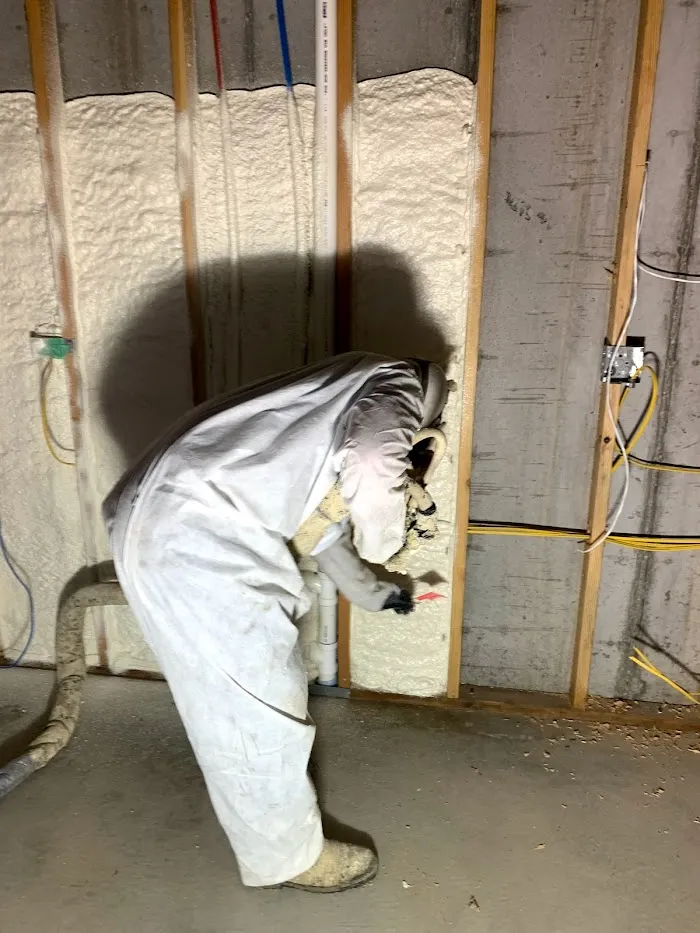
Open-cell insulation typically costs 20-30% less than closed-cell alternatives upfront, but its real value lies in lower installation costs and significant energy savings over time. The material’s expanding properties completely fill gaps, while its lower density allows contractors to cover more area with less product, reducing labor and material costs. This combination creates a surprisingly affordable insulation solution that continues paying dividends through reduced utility bills for years to come.
High Country Solution has helped homeowners save substantially on insulation projects by recognizing that the true cost extends beyond the initial price tag. The information below breaks down exactly why open-cell insulation delivers exceptional value at various price points.
Open-cell spray foam insulation achieves its lower cost profile through several key factors. The manufacturing process uses fewer raw materials per square foot than closed-cell alternatives, as open-cell products contain millions of tiny air-filled cells rather than dense polymer structures. This fundamental difference means production costs remain lower, and those savings get passed to consumers.
According to data from the North American Insulation Manufacturers Association, the average installed cost for open-cell foam ranges from $0.35 to $0.65 per board foot, while closed-cell typically runs $1.00 to $2.00 per board foot. This pricing gap reflects both material efficiency and the faster installation times that open-cell allows.
Bonus Tip: Open-cell’s faster curing time means installers can complete larger areas in a single day, reducing overall labor costs by 15-20% on typical projects.
Understanding the value proposition requires comparing open-cell to other insulation options:
| Insulation Type | R-Value per Inch | Air Sealing | Moisture Control |
|---|---|---|---|
| Open-Cell Foam | 3.5-3.8 | Excellent | Limited |
| Closed-Cell Foam | 6.0-7.0 | Excellent | Excellent |
| Fiberglass Batts | 2.9-3.8 | Poor | None |
| Cellulose | 3.2-3.8 | Fair | Good |
The table shows why open-cell presents a sweet spot – better performance than traditional materials at a fraction of closed-cell costs. While closed-cell offers higher R-values per inch and superior moisture resistance, most applications don’t require these premium features, making open-cell the practical choice.
Climate plays a significant role in determining insulation needs and optimal solutions. In regions with extreme temperature swings like the Rocky Mountain area where High Country Solution operates, open-cell’s air-sealing properties prove particularly valuable. The material prevents air leaks that account for up to 40% of energy loss in typical homes, according to research from the U.S. Department of Energy.
In dryer climates, open-cell’s moisture limitations become less relevant, further increasing its value proposition. The material excels at filling irregular cavities and around penetrations where traditional insulation materials struggle, creating a continuous thermal envelope that significantly reduces heating and cooling costs.
Bonus Tip: In mixed climates, consider using open-cell in interior walls and closed-cell in exterior applications to balance performance with budget constraints.
The initial installation cost represents only part of the financial equation. Open-cell insulation delivers ongoing returns through energy savings that typically recoup the investment within 3-5 years in most climates. The Environmental Protection Agency estimates proper air sealing and insulation can reduce energy bills by an average of 15% annually.
Homeowners with open-cell insulation often report monthly savings of $50-150 on utility bills, depending on home size and local energy rates. Over the insulation’s 20+ year lifespan, these savings compound significantly, making the initial investment increasingly attractive.
Bonus Tip: Many utility companies offer rebates for energy-efficient upgrades, which can reduce the net cost of open-cell insulation by 10-30% in participating areas.
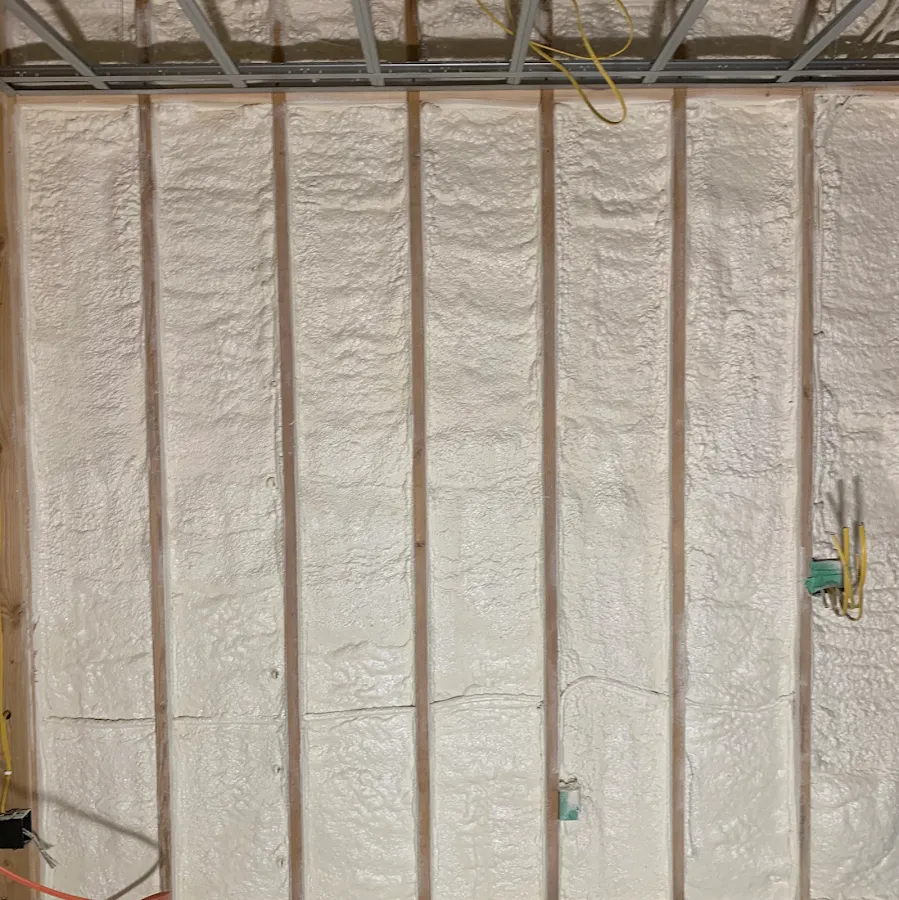
Selecting the right insulation involves evaluating multiple factors beyond price:
Climate Suitability: Open-cell performs best in dry climates or interior applications where moisture concerns are minimal. In extremely humid regions or areas prone to flooding, closed-cell might provide better protection despite higher costs.
Building Structure: The insulation choice should complement your construction method. Open-cell works exceptionally well with wood framing and can accommodate slight structural movement without compromising performance.
Budget Allocation: Consider allocating savings from open-cell use toward other energy-efficiency improvements, such as better windows or HVAC equipment, to maximize overall return on investment.
Professional Installation Requirements: Open-cell requires specialized equipment and trained installers. Ensure any contractor has specific experience with open-cell applications rather than general insulation knowledge.
Open-cell insulation delivers affordability through lower material costs, reduced labor expenses, and significant long-term energy savings. The material excels at air sealing, providing up to 40% improvement in thermal performance by eliminating drafts and air leakage. While not suitable for every application, open-cell represents an excellent value proposition for most residential projects, especially when homeowners factor in the cumulative energy savings over the insulation’s lifespan.
Before making any insulation decision, evaluate your specific climate conditions, building structure, and long-term goals. Consider consulting with insulation professionals who can provide a detailed cost-benefit analysis based on your unique situation and local energy rates.
High Country Solution offers comprehensive insulation assessments to help homeowners determine the most cost-effective solution for their specific needs. The team can provide detailed project estimates and identify available energy efficiency rebates that might further reduce your investment costs. Contact High Country Solution at [email protected] or call (307) 248-9063 to schedule a consultation and explore how open-cell insulation might fit within your budget and performance requirements.
Open-cell needs a clean, dry substrate for optimal adhesion and performance. Surfaces should be free of dust, oil, and loose materials before installation.
Open-cell works well in walls, attics, and crawl spaces in most climates, but avoid using it in direct contact with ground or in areas with consistent moisture exposure.
When installed correctly, open-cell insulation maintains its properties for 20+ years without significant degradation in R-value or performance.
Many open-cell products use water as a blowing agent rather than harmful chemicals, and some manufacturers incorporate recycled content, reducing environmental impact compared to other options.